Loyalists and Patriots Debate the American Revolution

About this Collection

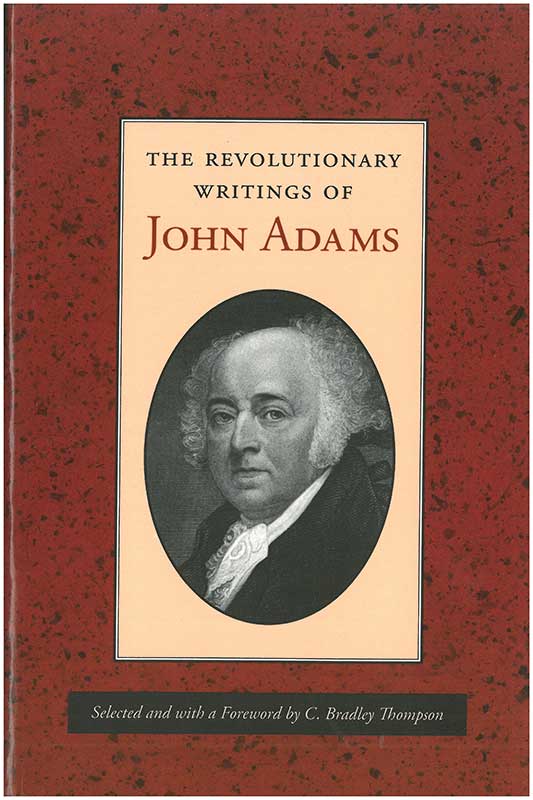
As C. Bradley Thompson notes in the Liberty Fund edition of Adams Revolutionary Writings: Upon his return from the Continental Congress in the fall of 1774, Adams was met with a series of powerful and lucid essays in the Massachusetts Gazette defending the principles and policies of British officialdom and challenging the claims of the American Whigs. Writing over the pseudonym Massachusettensis, Daniel Leonard argued that the constitutional authority of Parliament did and must extend to the colonies. Theoretically, the colonies must be under the sovereignty of Parliament, Leonard insisted, because two supreme or independent authorities cannot exist in the same state. Such an imperium in imperio was absurd and a contradiction in terms. According to Leonard, there could be no possible medium between absolute independence on the one hand, and subjection to the authority of Parliament on the other. Historians have long recognized the importance of Adamss Novanglus letters to the Revolutionary cause. They were not only a close, point-by-point refutation of Leonards argument, but they represent the most advanced Patriot argument against British imperial policy. The Novanglus letters were a systematic attempt by Adams to describe the origins, nature, and jurisdictional boundaries of the imperial British constitution. The central question that sparked Adams to write was clear and simple: Does the authority of Parliament extend to the colonies? In exhaustive and sometimes painstaking detail, Adams plumbs the depths of English and colonial legal history to demonstrate that the provincial legislatures are fully sovereign over their own internal affairs, and that the colonies are connected to Great Britain only through a modified feudal allegiance with the person of the King.

Key People

Titles & Essays

THE READING ROOM

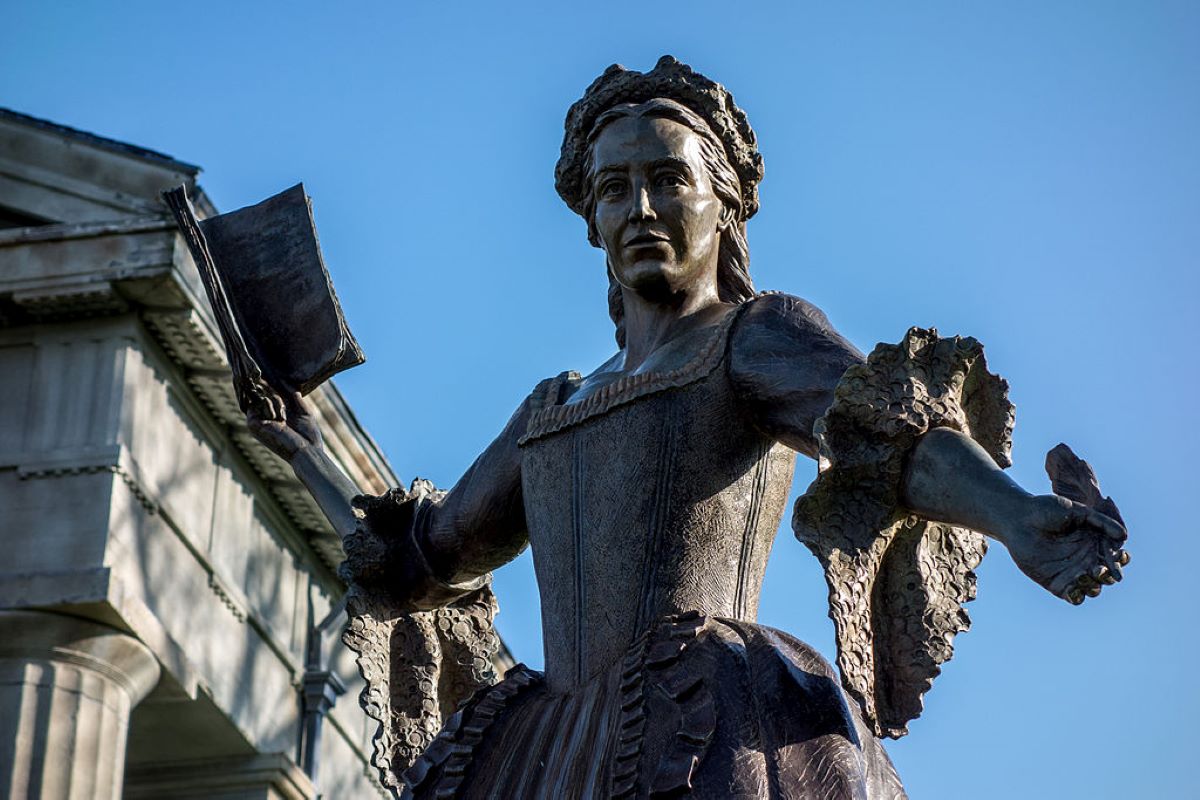
A Friend to the Revolution: Mercy Otis Warren and the Ordinary Virtues of Republicanism
If, as the saying goes, you can judge a man by the company he keeps, then Mercy Otis Warren ought to be more highly regarded.

THE READING ROOM

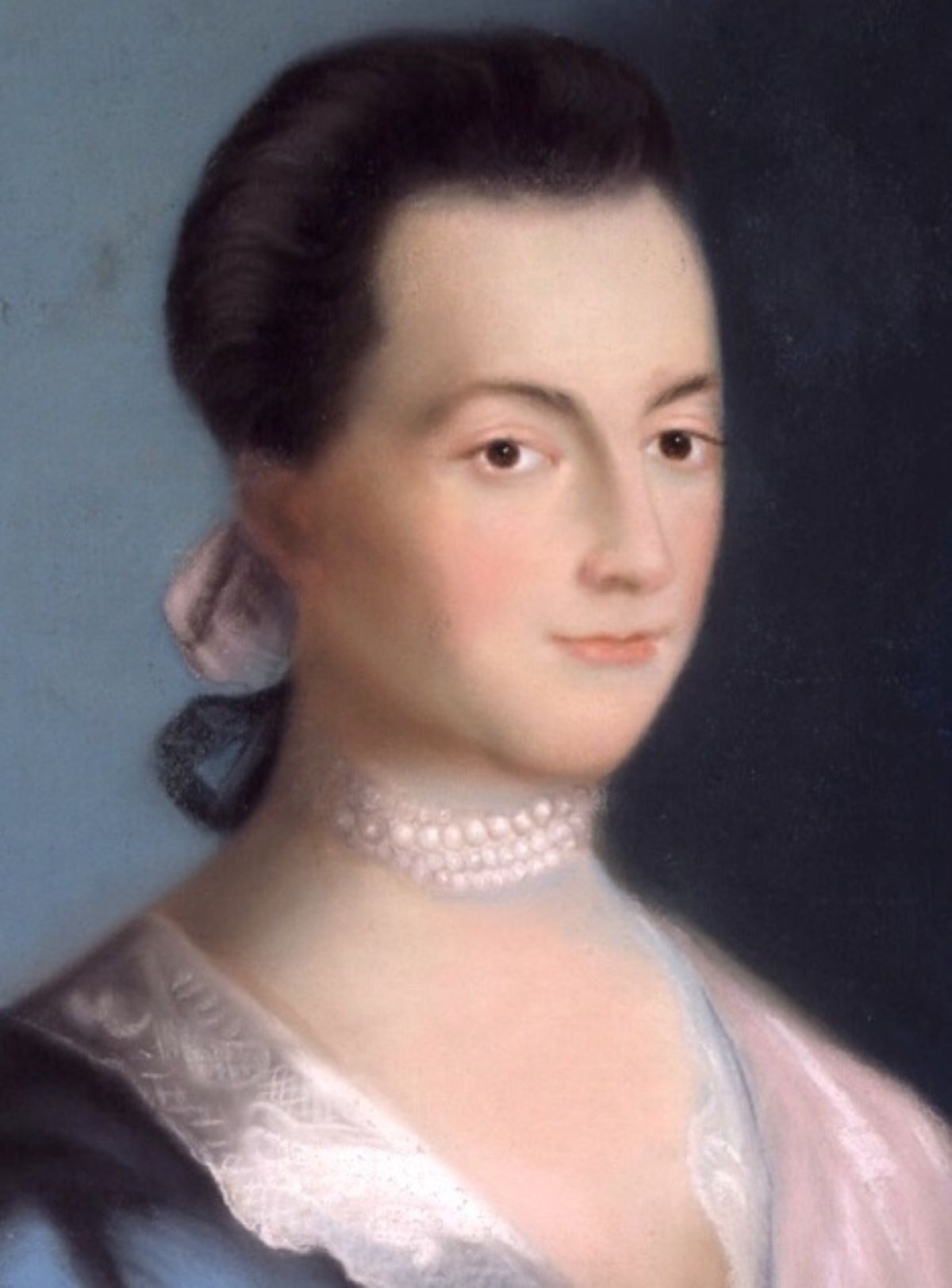
Abigail Adams’ Patriotism
A Gallop poll shows a worrisome decline in patriotism among younger Americans. A mere half of Americans 35 and younger report being proud of their country. A generational shift is occurring that will have far-reaching consequences…

THE READING ROOM

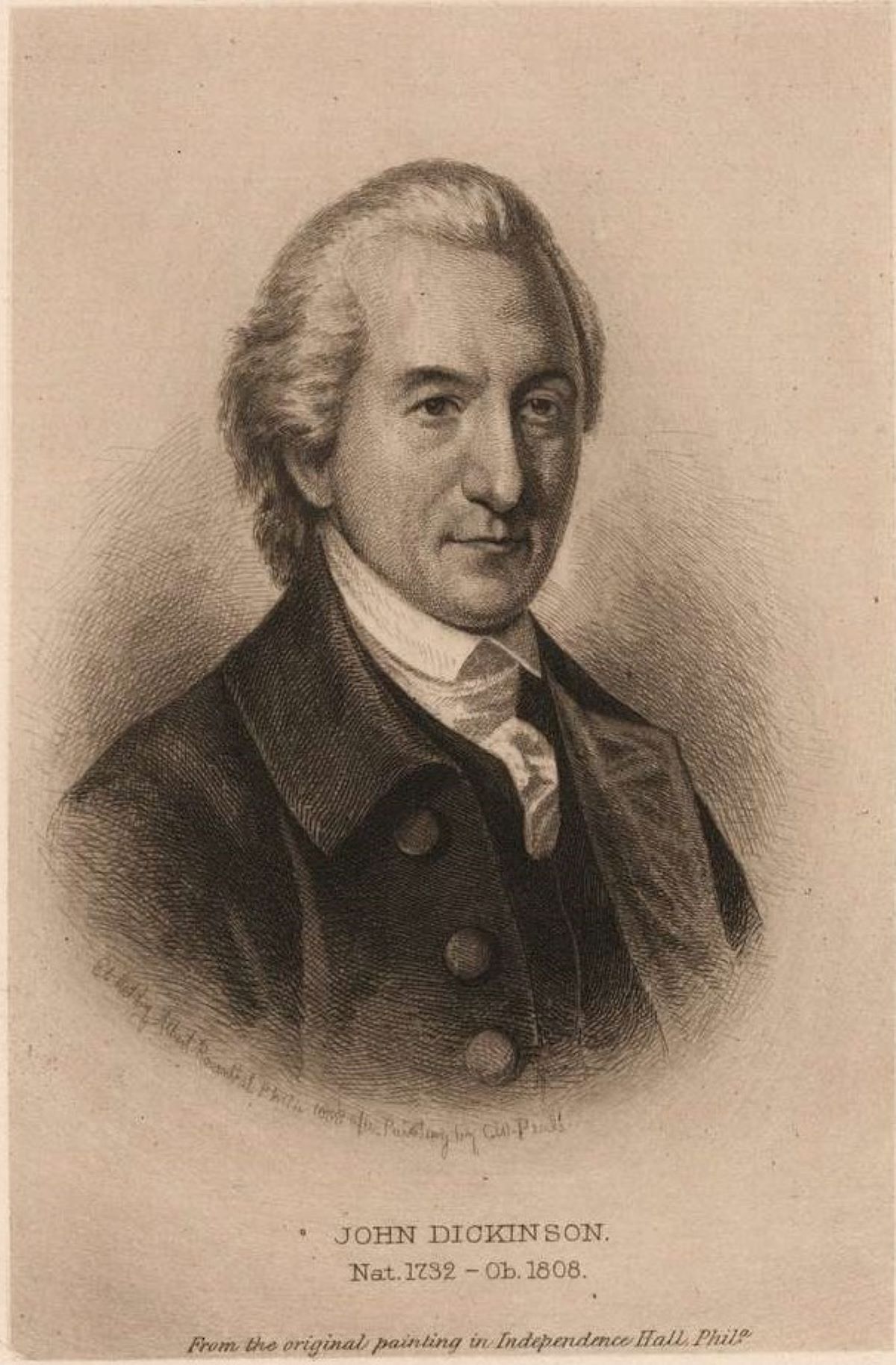
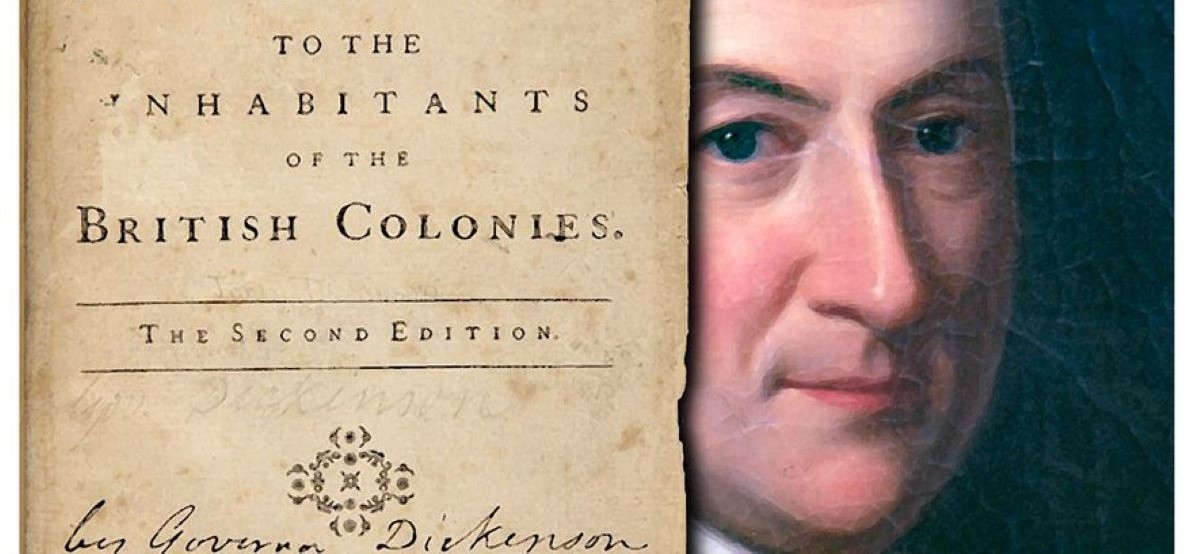
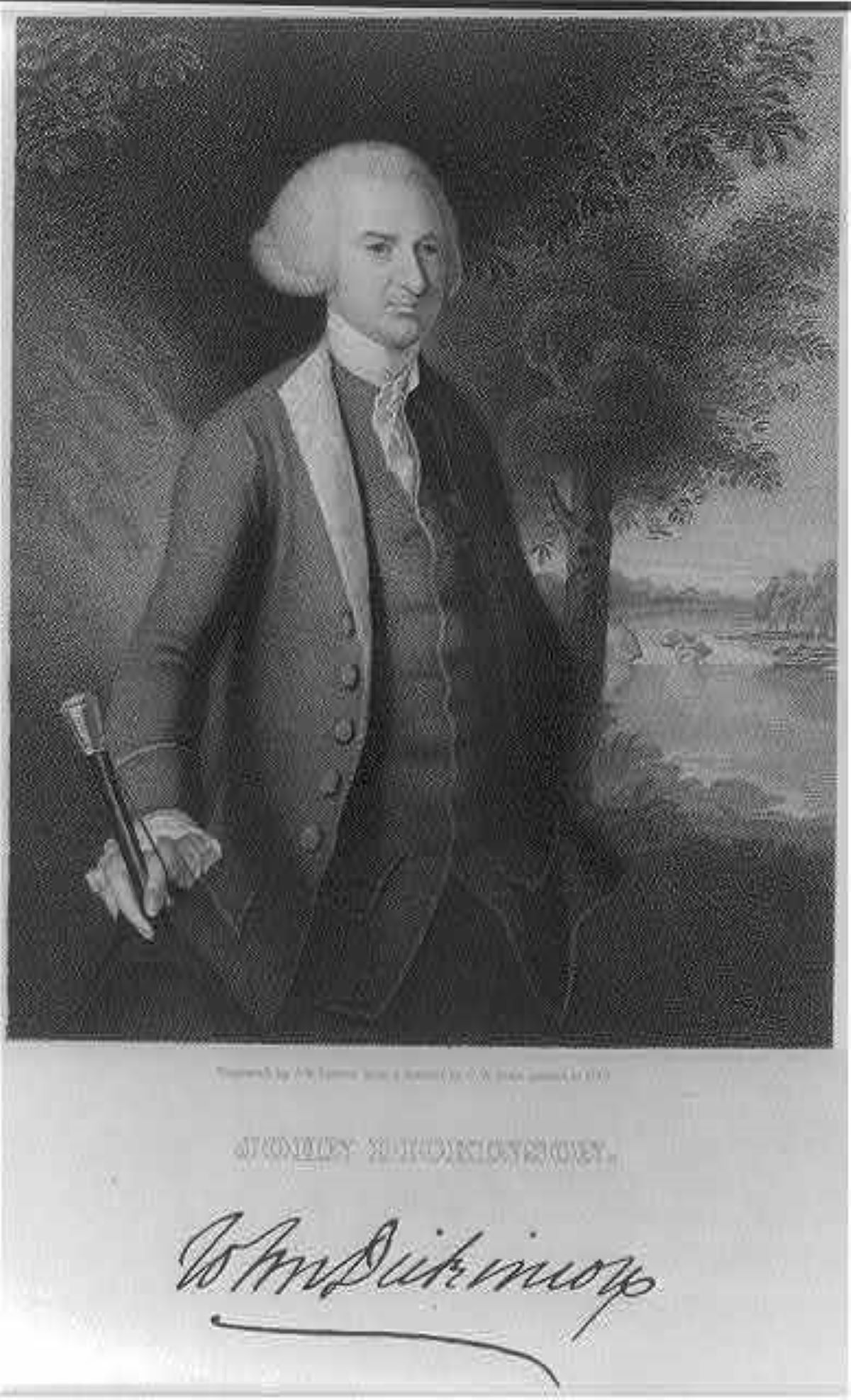
“A perpetual jealousy, respecting liberty”: John Dickinson on Fundamental Rights
Although few Americans today have heard of John Dickinson, he was a central figure of the Founding era. Writing more for the American cause than any other figure, he was America’s first celebrity, known around the Atlantic World as…

THE READING ROOM

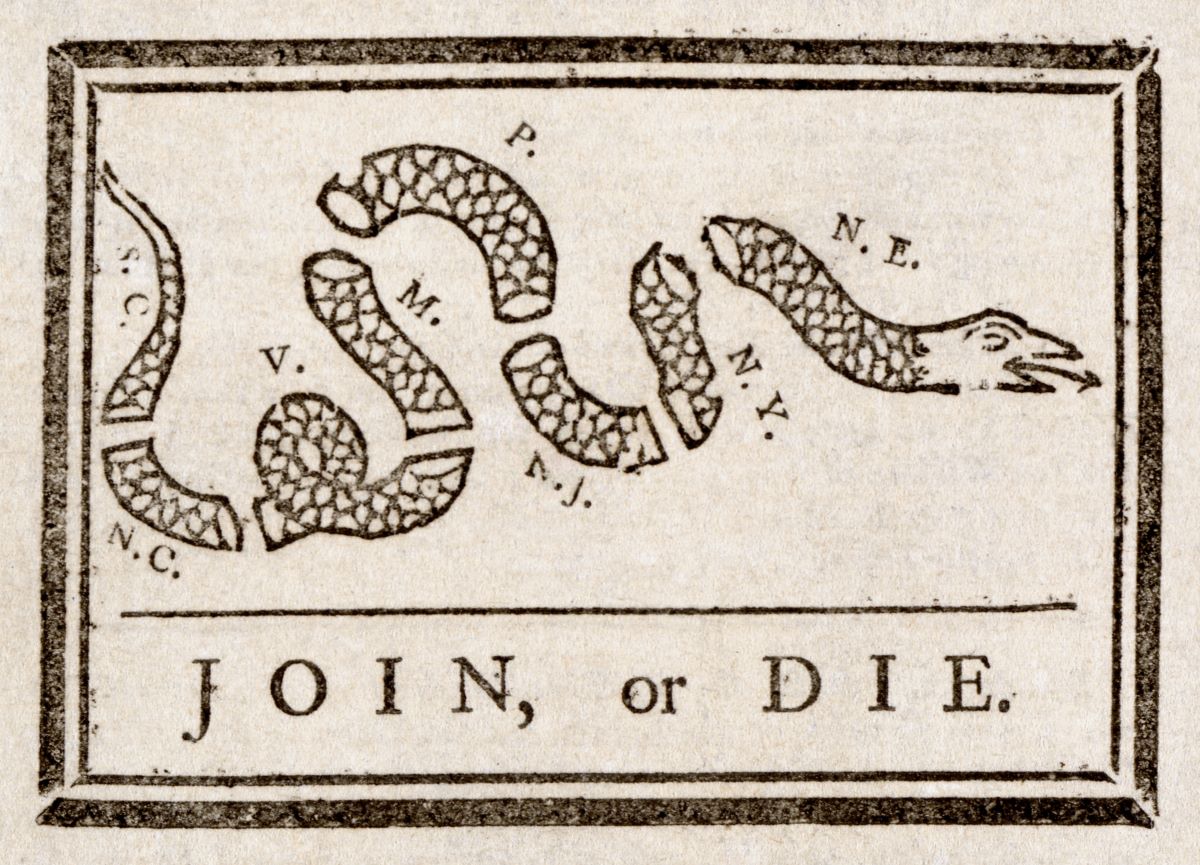
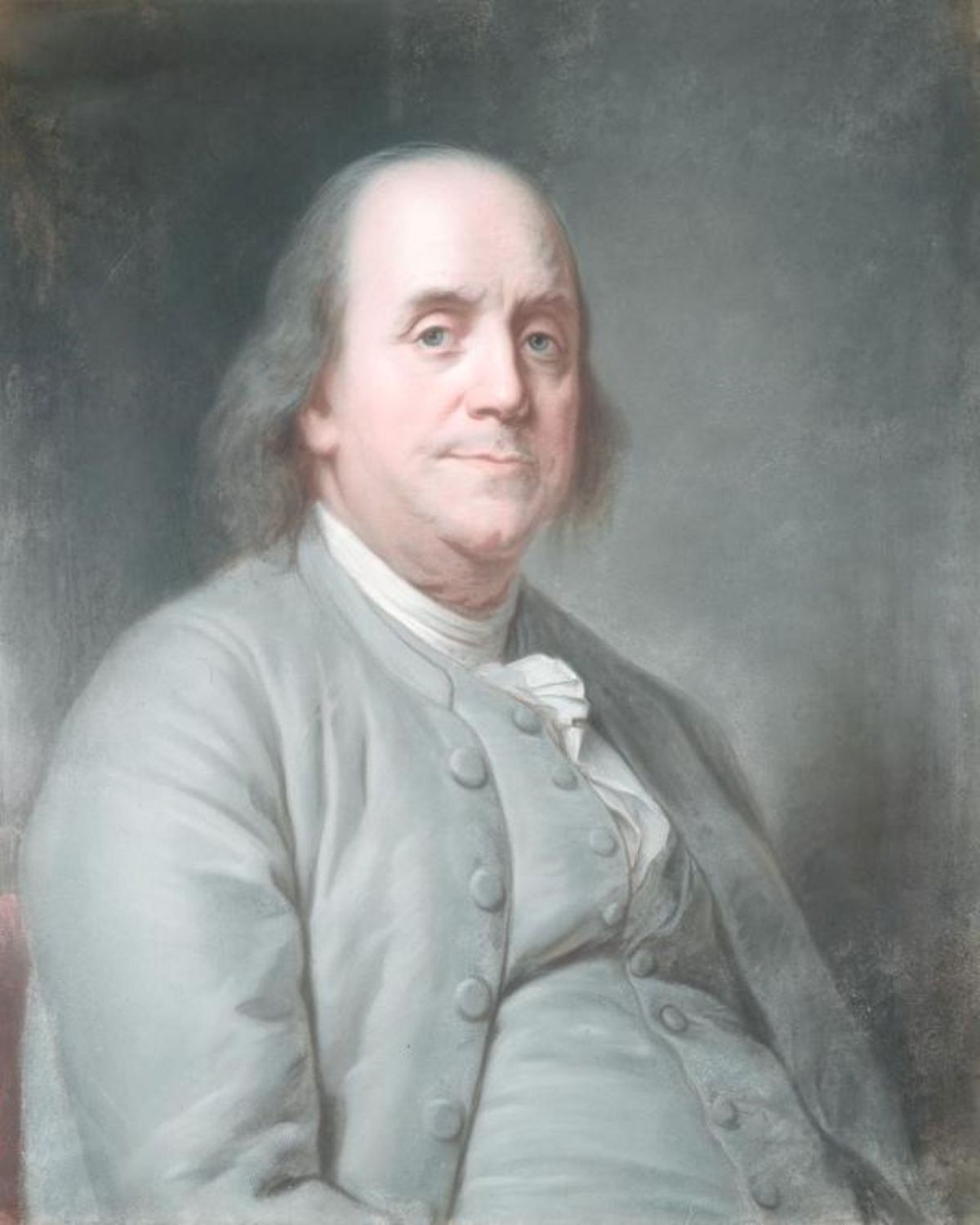
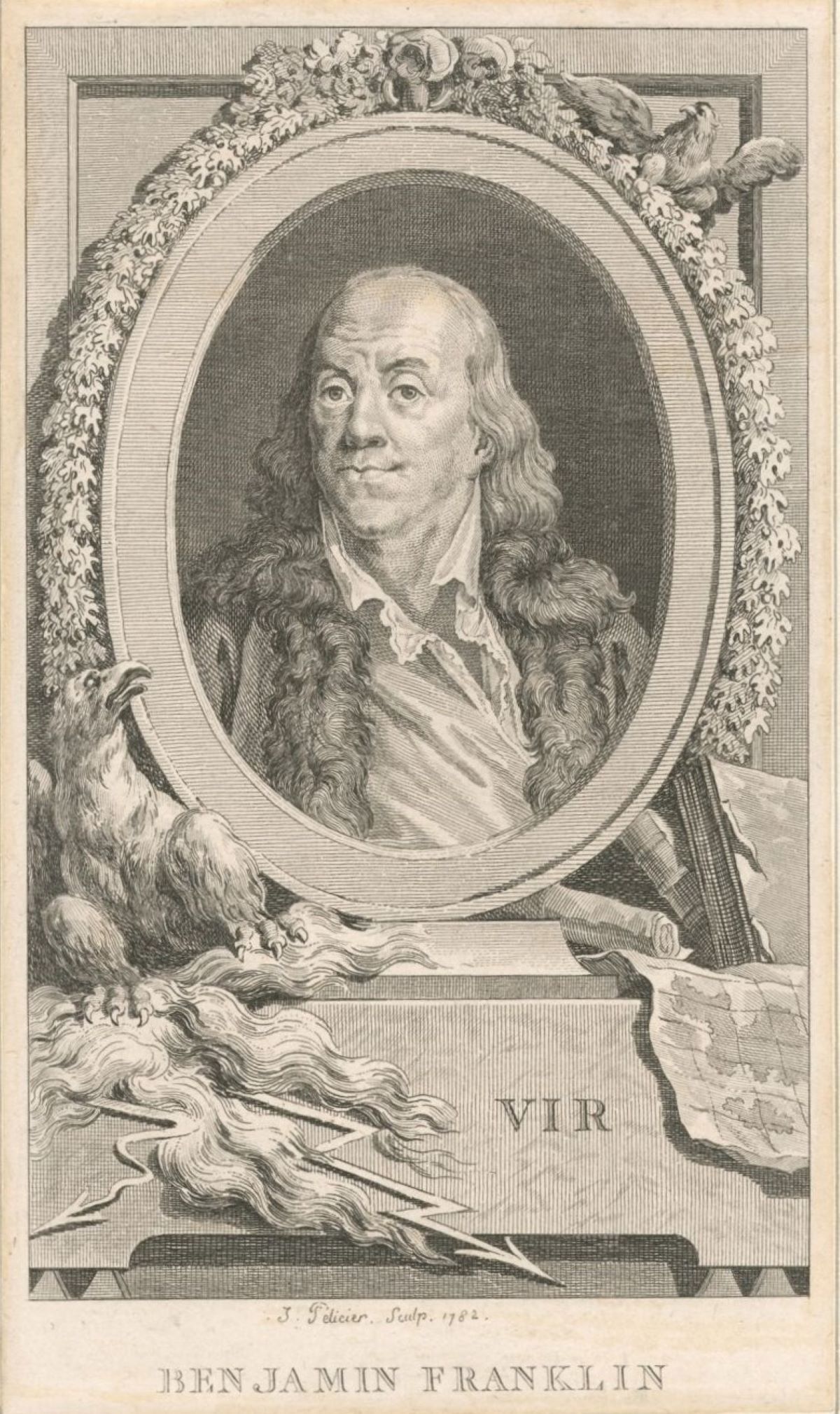
Benjamin Franklin and American Union
Under the dateline Philadelphia, May 9 [1754], Franklin’s The Pennsylvania Gazette printed an item based on dispatches from Major George Washington which detailed French advances and British losses along the Monongahela River. The…

THE READING ROOM

Benjamin Franklin at the Constitutional Convention
At 81, Benjamin Franklin was the senior statesman at a convention of young men. He was three times the age of the Convention’s youngest delegate (Jonathan Dayton of New Jersey, aged 26), and twice the average age for all delegates…

THE READING ROOM

Benjamin Franklin at the Constitutional Convention, Part 2
In 1776, Benjamin Franklin served as President of the Pennsylvania Constitutional Convention that produced the most radically democratic constitution of any of the colonies/states. Among the provisions of Pennsylvania’s constitution…

THE READING ROOM

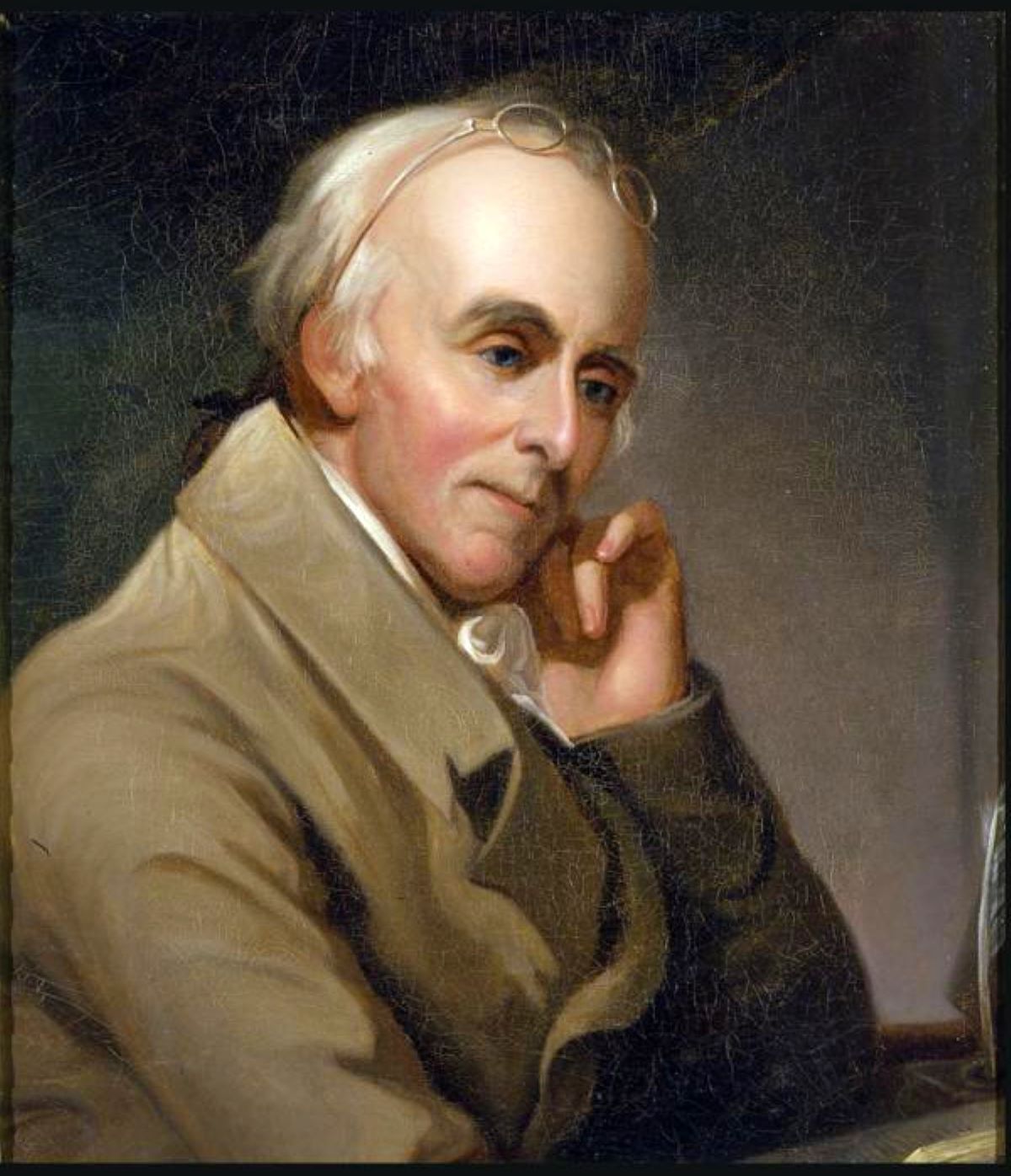
Benjamin Rush: Founding Father of America & Psychiatry
Franklin isn’t the only Founding Father named Benjamin. Benjamin Rush, an American physician, politician, and educator also played an important role in America’s founding. Benjamin Rush was both a historical luminary and a brilliant…
The Claim of the American Loyalists

Joseph Galloway (author)

Having lost his valuable estate in Pennsylvania during the American Revolution, the Loyalist Galloway spent the rest of his years in exile in Britain lobbying the government for compensation and writing books like this one to…

THE READING ROOM

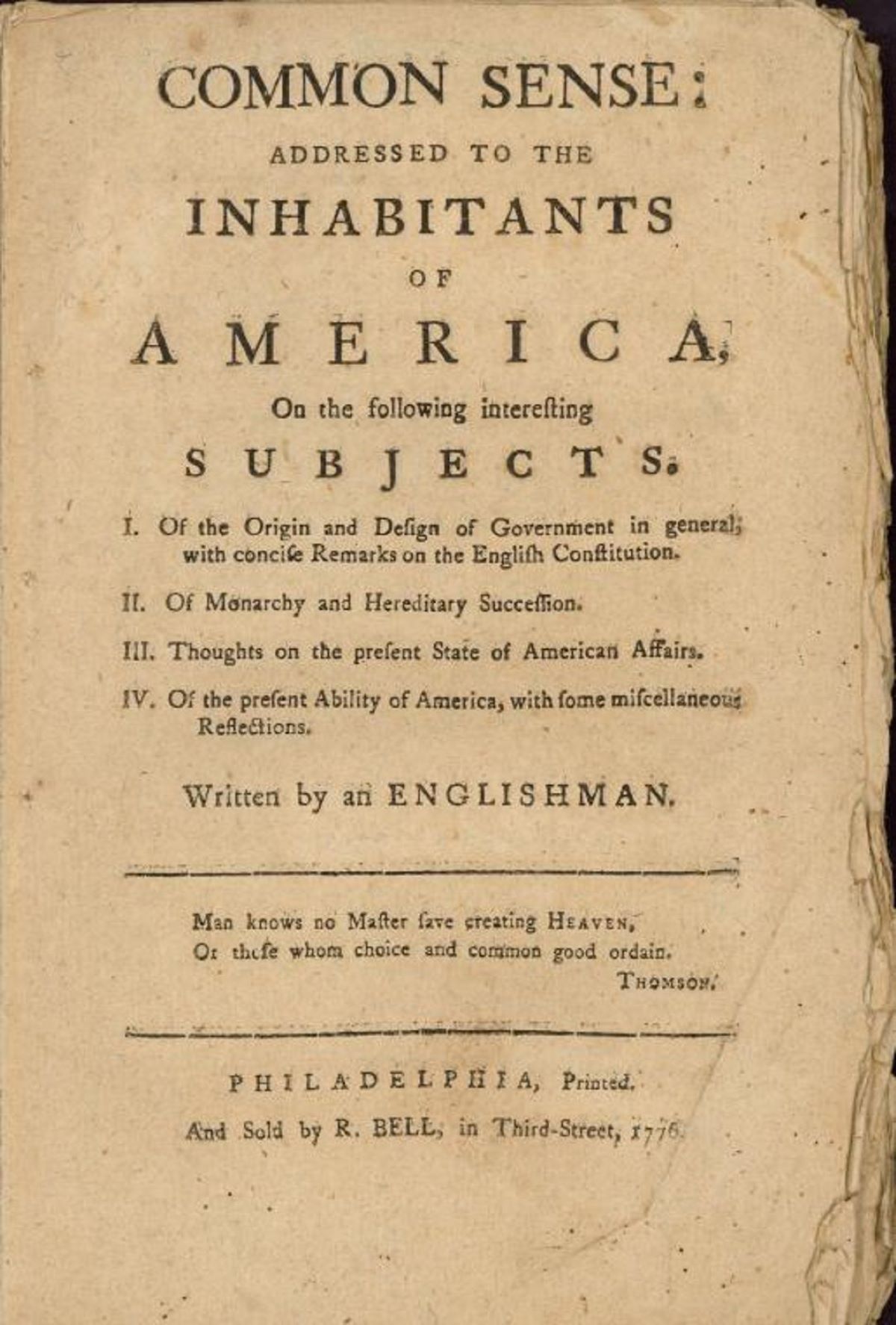
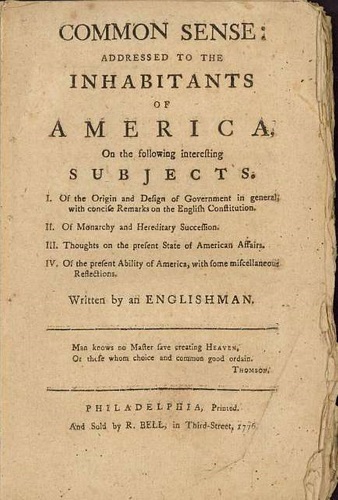
Common Sense with Thomas Paine
What does it mean to be an American? I don’t mean, “What are the legal requirements to be an American citizen?” but something more like, “What are the characteristics that make someone a part of the American people?” After all,…

THE READING ROOM

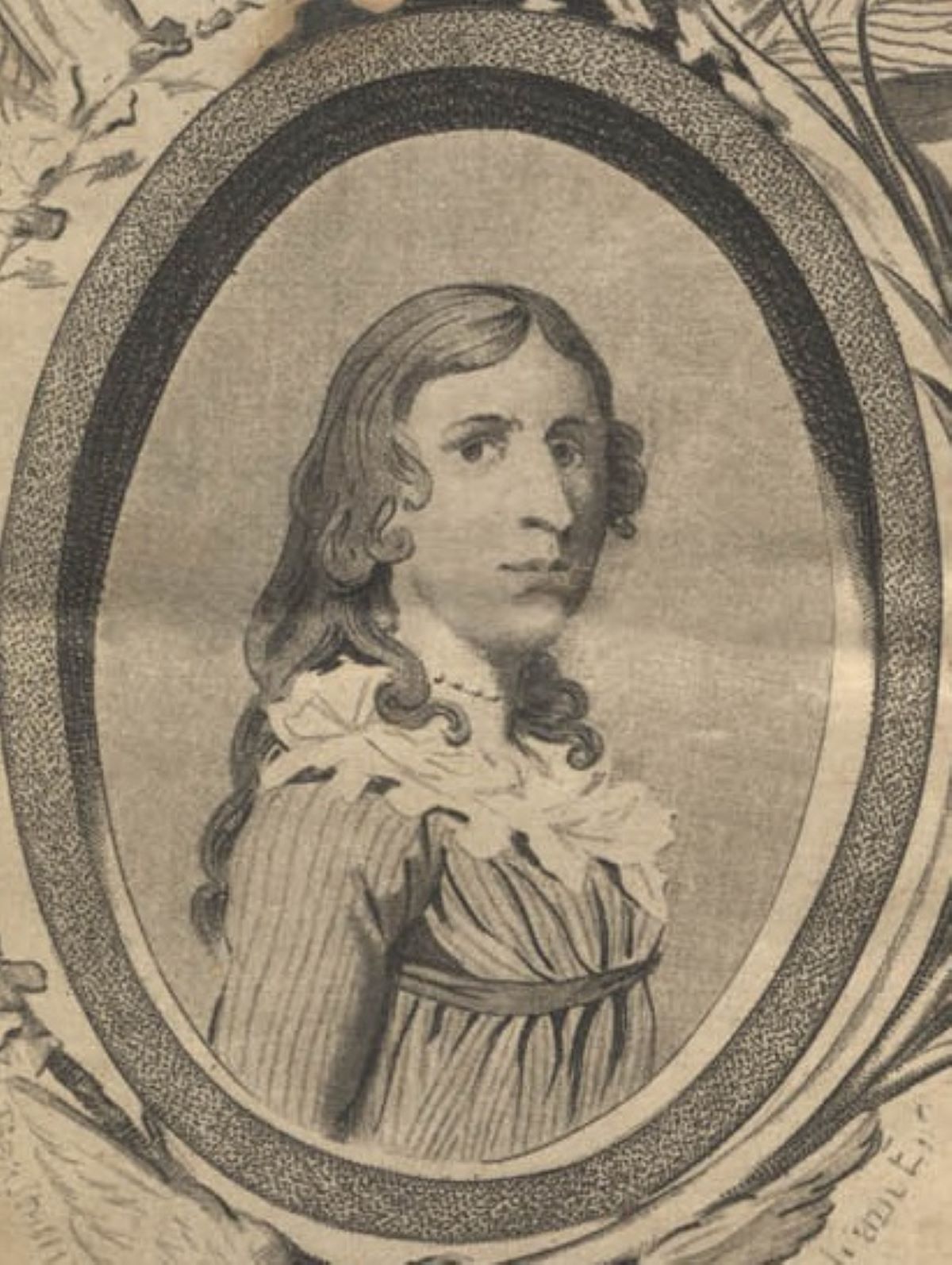
Deborah Sampson: American Warrior
Today, over 1.4 million women serve as active-duty members of the American military. While today’s acceptance of women in warfare is relatively new (women were allowed full participation in the Armed Forces with the Women’s Armed…

THE READING ROOM

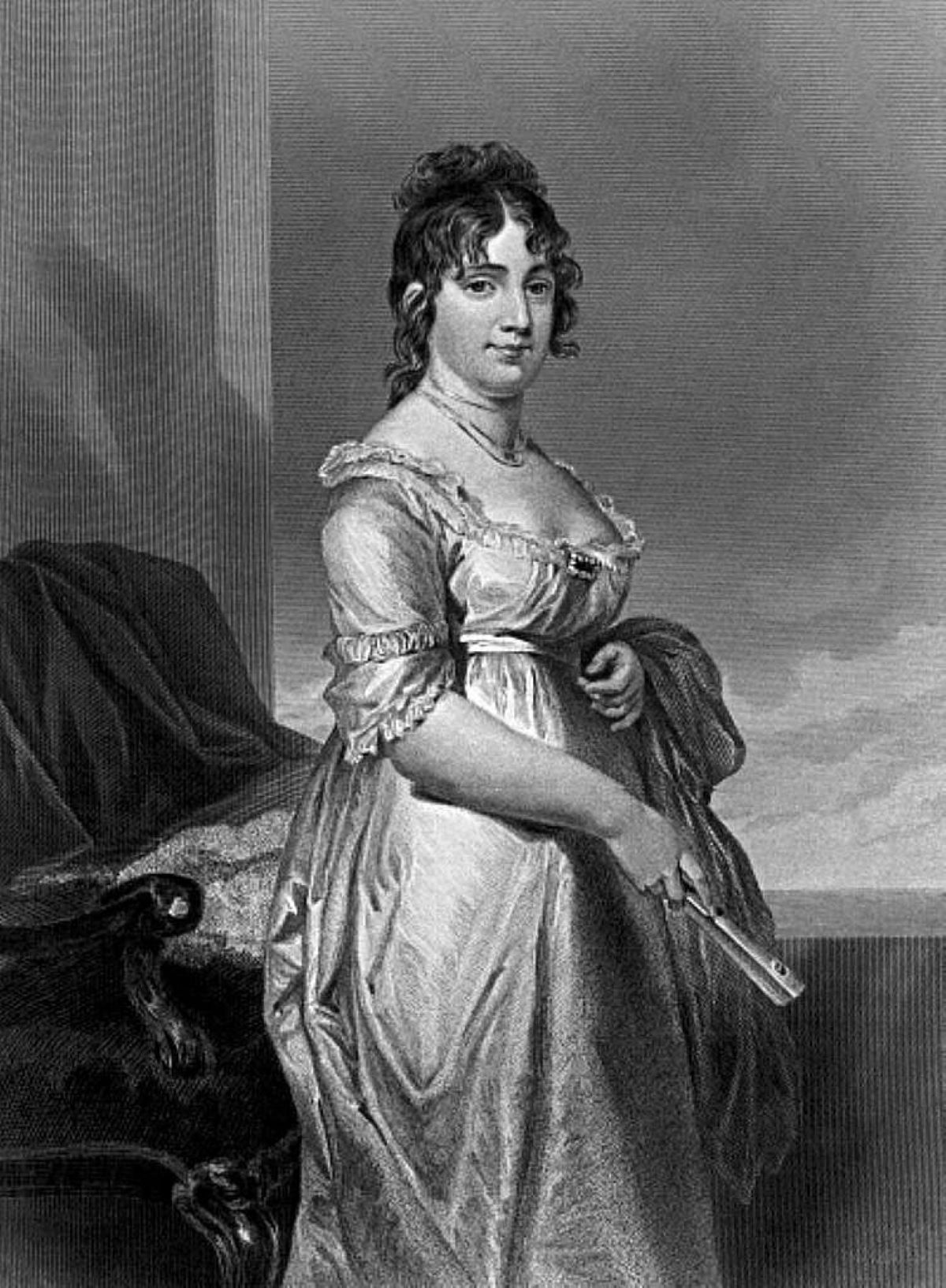
Dolley Madison: Queen of America
One of the animating questions of the women’s movement in America has long been how much or even whether women should use the qualities and skills traditionally associated with their sex or whether they should try to overcome those…

THE READING ROOM

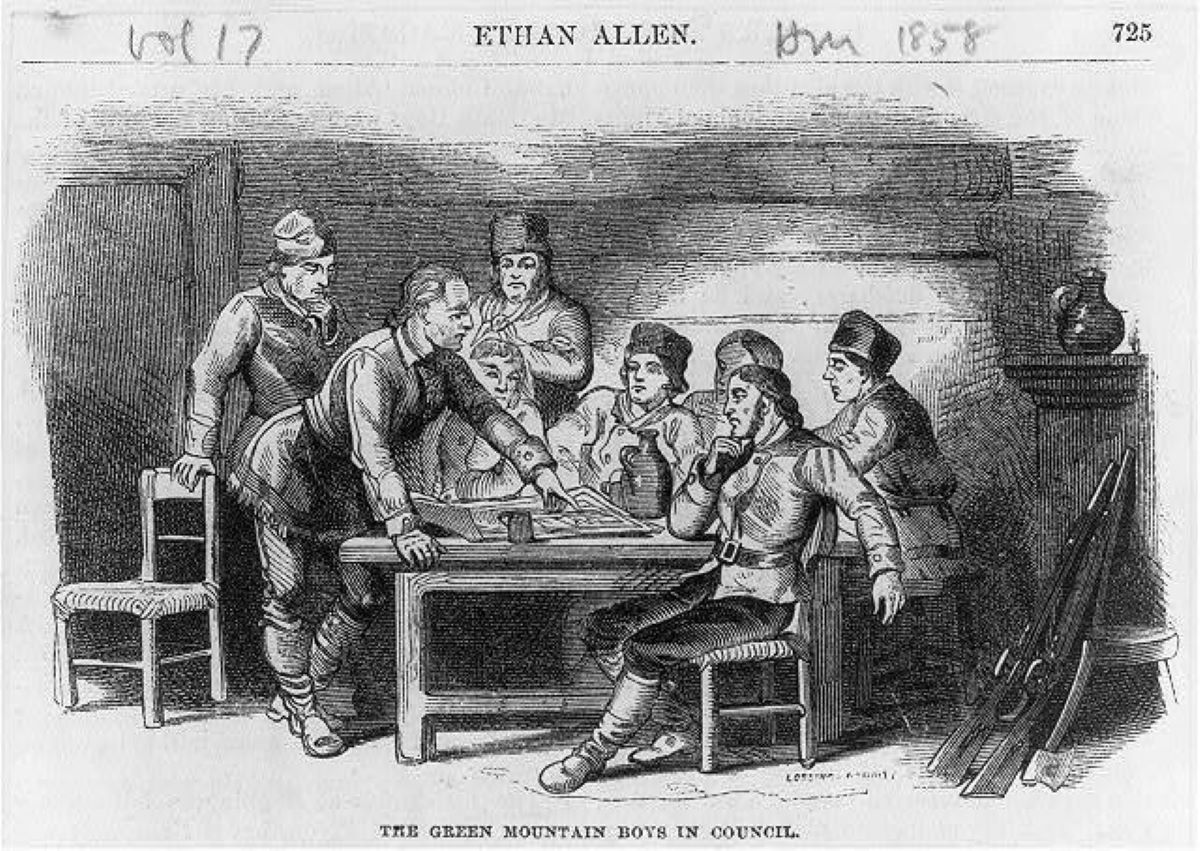
Ethan Allen, Individualism, and Deism
It is extraordinarily telling that Ethan Allen returned at the end of his life to the project of his teens, the manuscript he started with Thomas Young decades earlier. He completed it in 1785 and struggled to find a publisher to…

THE READING ROOM

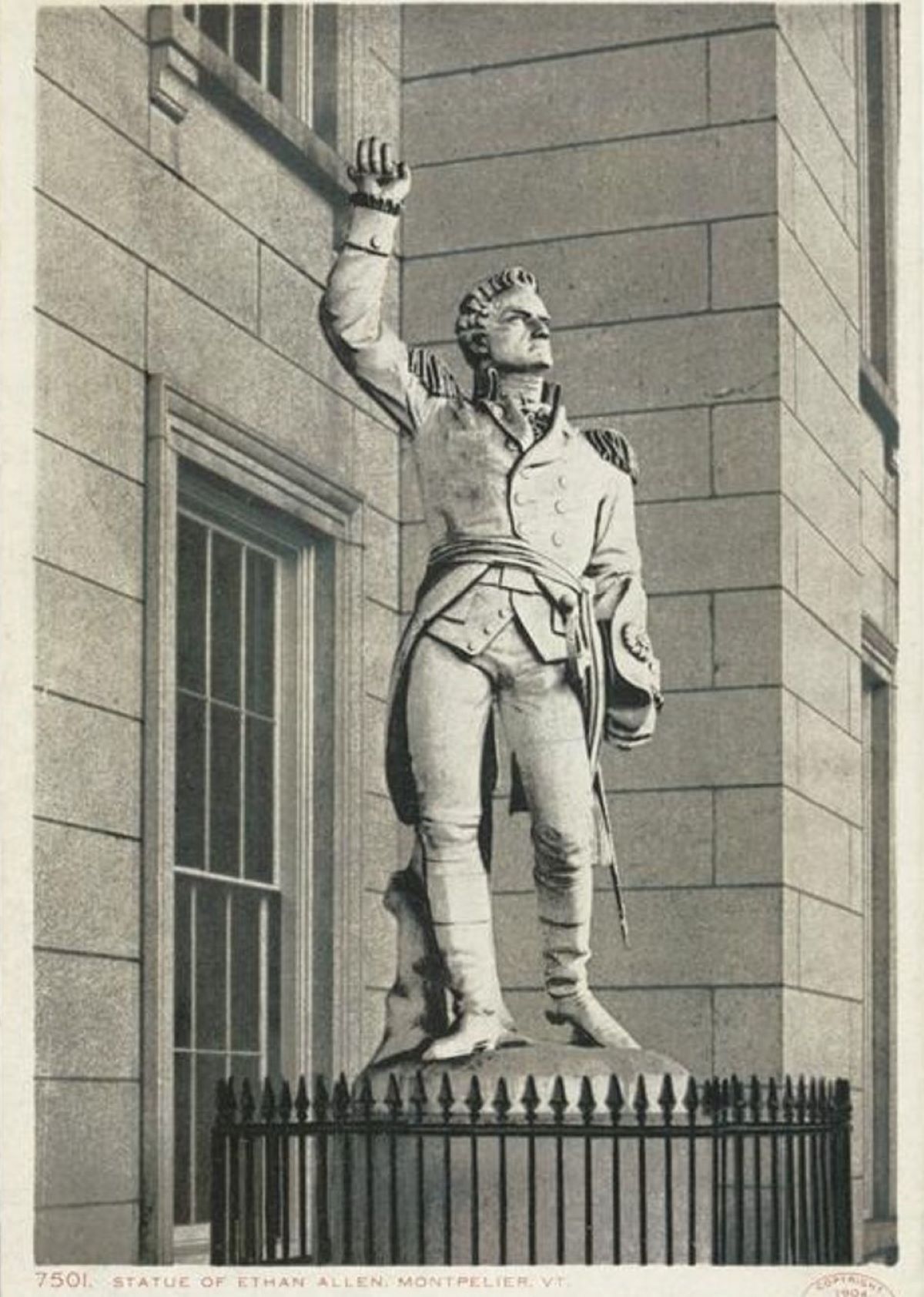
Ethan Allen: Yankee Extraordinaire
In many ways, Ethan Allen is the quintessential Yankee. A farmer, he speculated in land and involved himself in colonial politics regarding land. He plunged into the War of Independence and became its first hero. Captured by the…

THE READING ROOM

Exceptionalism: The Birth of the Idea of America
The term is not politically correct, today, but there should be little doubt that “exceptionalism” applies to the Enlightenment in America. We know that thanks to the Pulitzer Prize–winning history by Harvard University professor…

THE READING ROOM

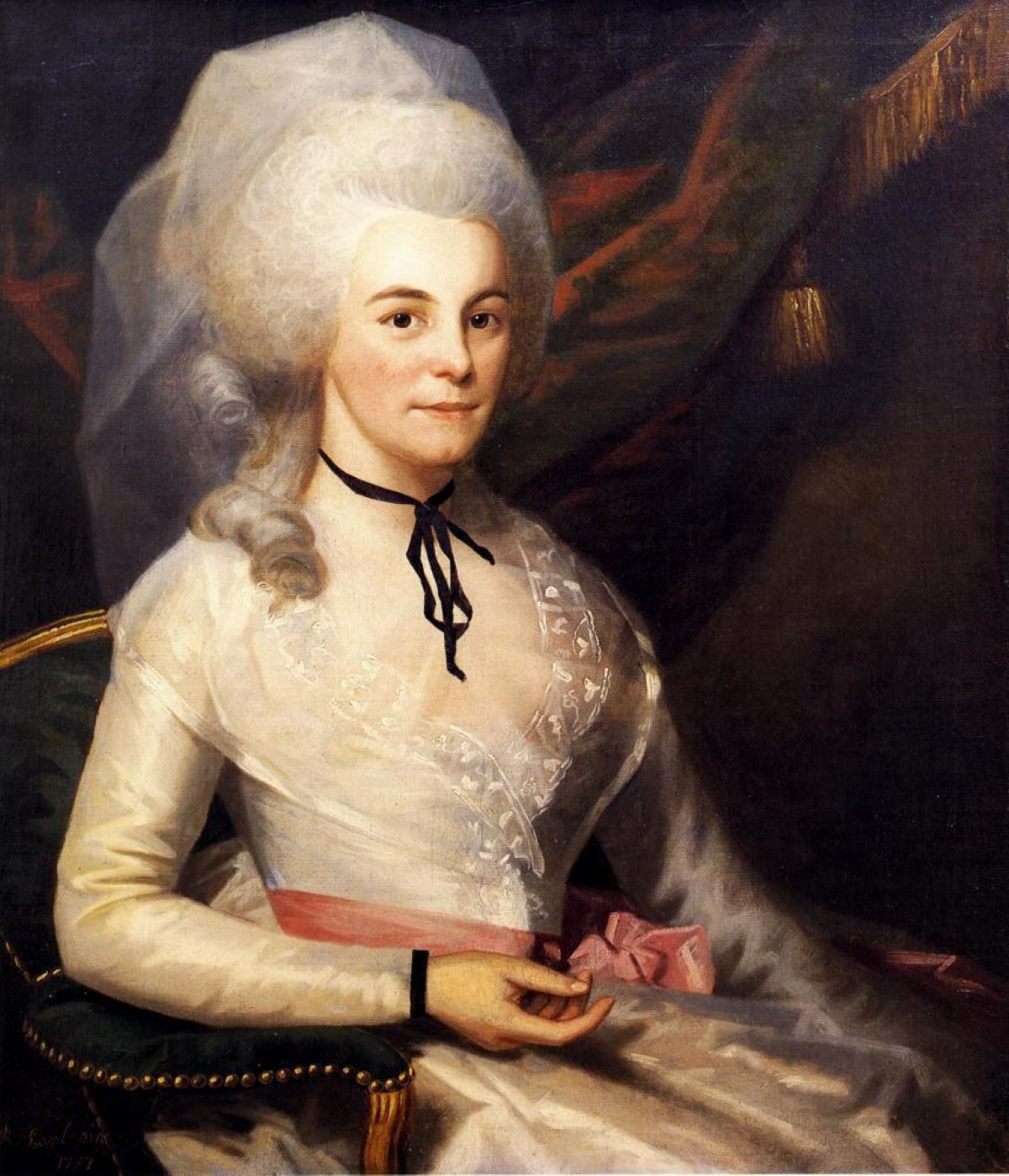
Founding Mother Elizabeth Schuyler Hamilton…Remember Me!
When the wife, mother or sister of a famous man is invoked, the first inclination is to wonder how that woman might have influenced her celebrated male counterpart. It is a reasonable question. The next question is whether that…

THE READING ROOM

“Farmer Refuted”
Hamilton: An American Musical features an epic standoff between young, fiery Hamilton and bold, preachy Samuel Seabury in “Farmer Refuted.” In their musical sparring match, Hamilton “tears the dude apart,” with his defense of the…

THE READING ROOM

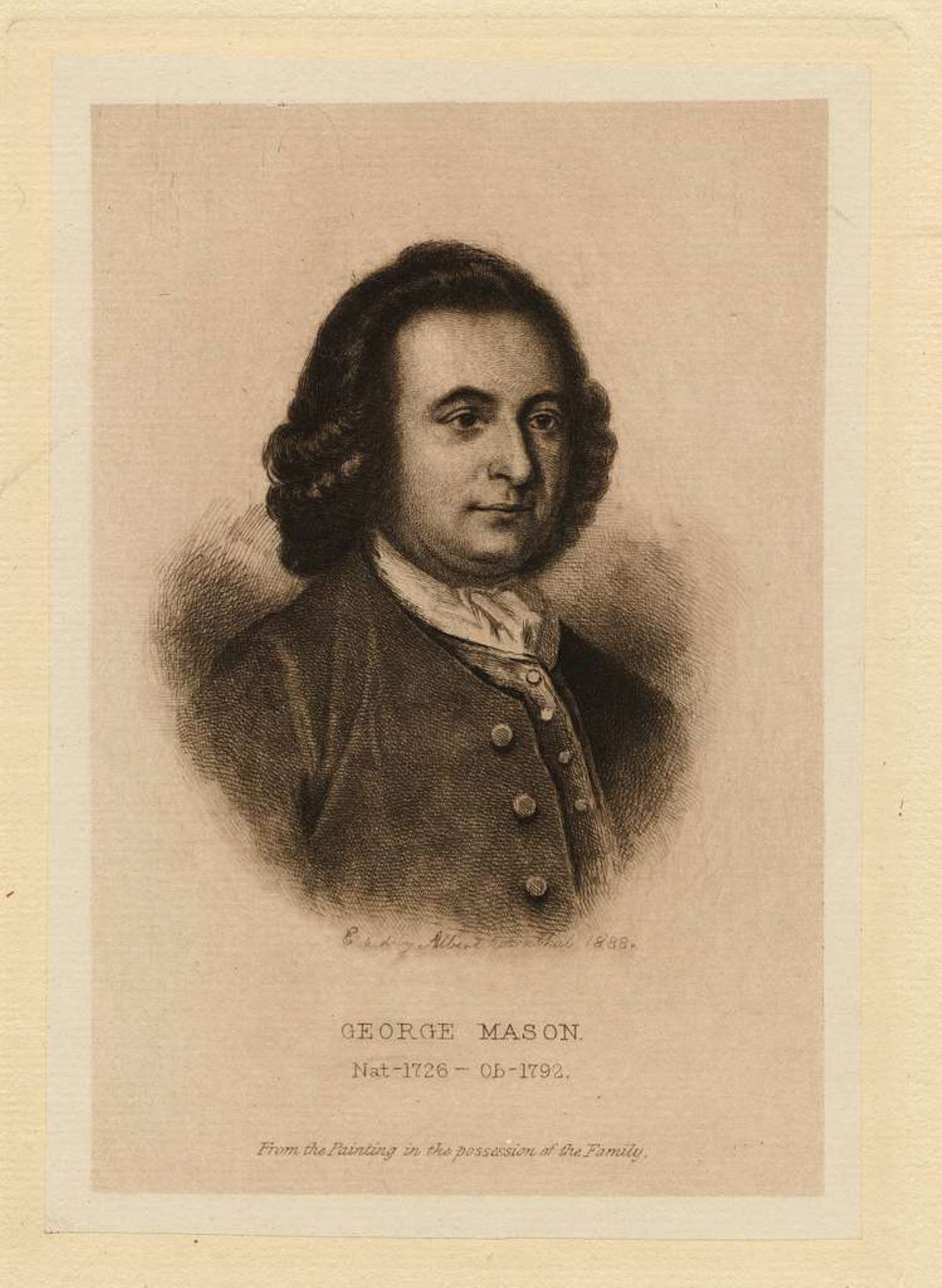
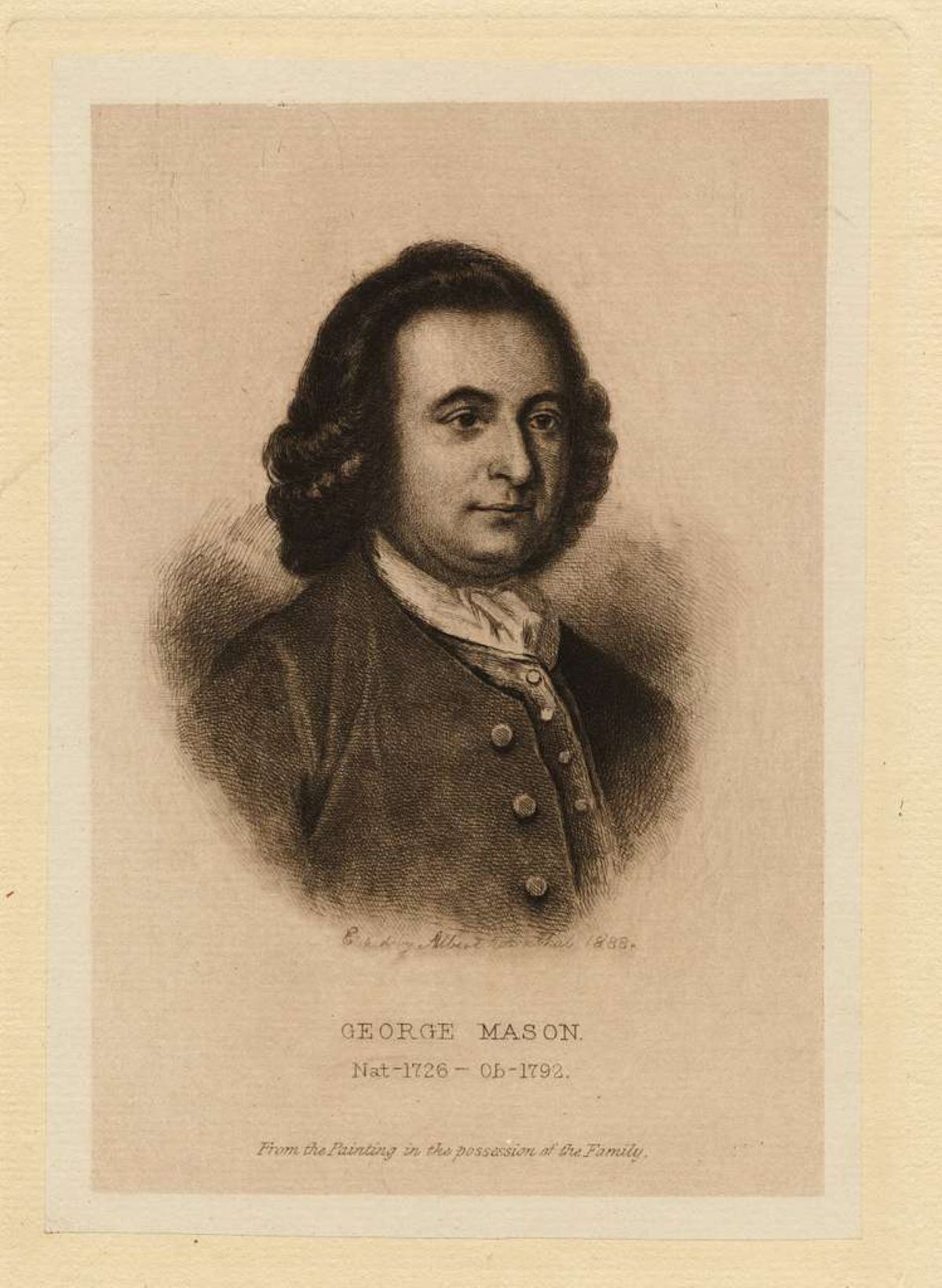
George Mason: Father of Inalienable Rights
George Mason was born on December 11, 1725, in Fairfax County, Virginia. His parents died in a boating accident when he was 10, and he was taken in by John Mercer, an uncle, who was both a lawyer and a voracious reader. In 1736,…

THE READING ROOM

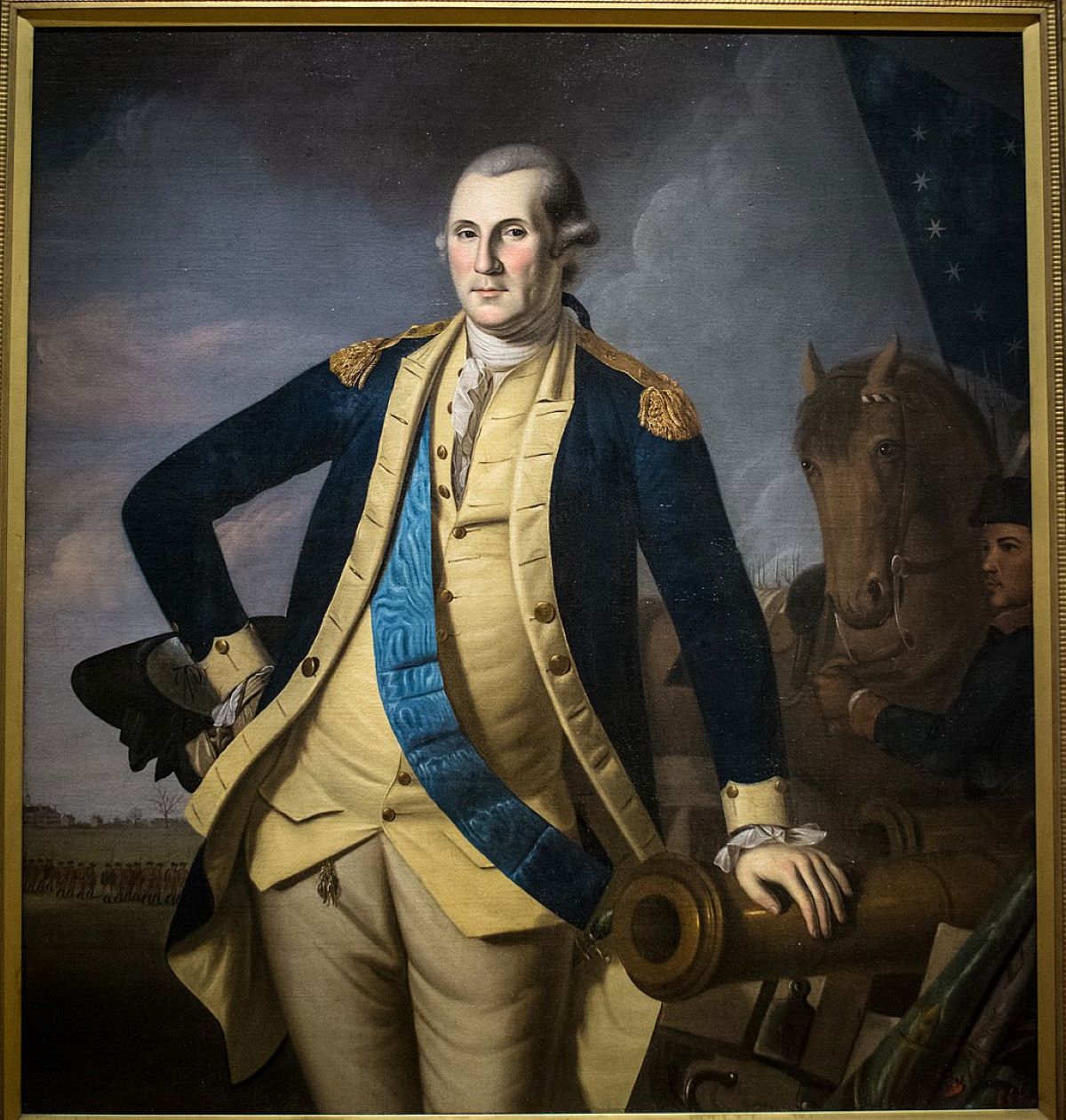
George Washington: America’s Founding Father
George Washington was born in Pope's Creek, Westmoreland County, Virginia, on February 22, 1732. Most of his childhood was spent on Ferry Farm, which he inherited at age 11, along with 10 slaves. At Ferry Farm, Washington informally…

THE READING ROOM

Get Back!…to Madison: More Reasons to Read Madison
From: Hans EicholzDate: June 14, 2022To: G. Patrick LynchCc: OLL
Subject: Get Back!...to Madison…More Reasons to read Madison

THE READING ROOM

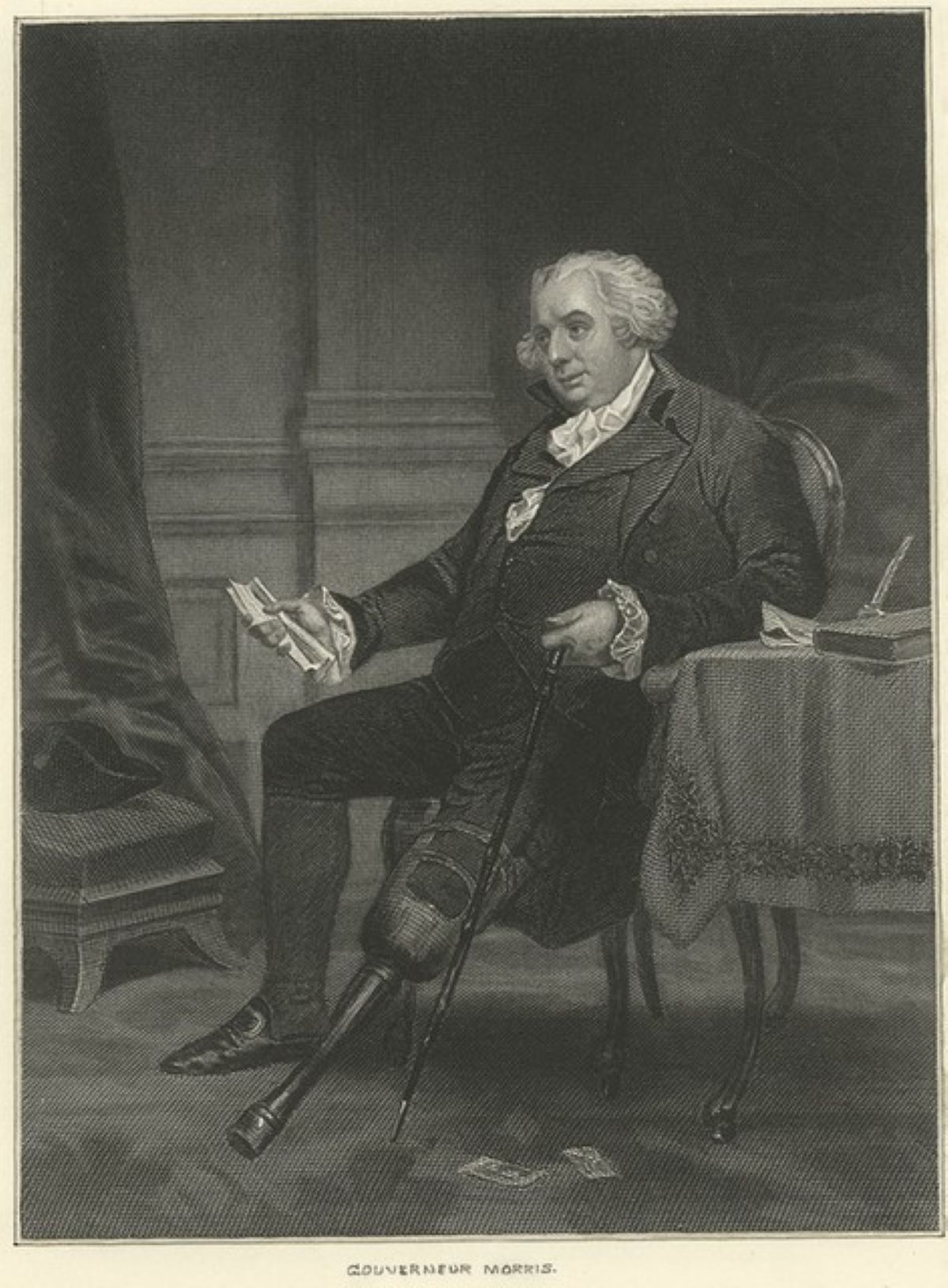
Gouverneur Morris on the Word “Liberty”: An Empty Sound?
Is it enough for a nation to have a constitution purporting to guarantee liberty and justice? Gouverneur Morris would say emphatically no: a consistent theme in his writings is that a constitution must be suited to the people it…

THE READING ROOM

How to Read a Constitution…Hamilton Style
To continue the Beatles analogy, if James Madison was the George Harrison of his day, certainly Alexander Hamilton was a lead vocalist of the caliber of John Lennon, and there are very good reasons why he resonates so well today…

THE READING ROOM

Is Madison’s Federalist Theory Still Relevant Today?
From: Colleen Sheehan
Date: June 16, 2022
To: G. Patrick Lynch, Hans Eicholz
Cc: OLL
Subject: Is Madison’s Federalist Theory Still Relevant Today?

THE READING ROOM

James Monroe: The Anti-Imperialist President and Founding Father
Although James Monroe didn’t sign the Declaration of Independence, he is remembered as a crucial part of American History: the last of the “Founding Father” presidents. Beyond the doctrine named after him, Monroe is also known for…

THE READING ROOM

James Wilson and the New Nation
In 2007, Gary L. Gregg and I asked more than one hundred history, politics, and law professors who was the most important but forgotten of all American founders. There was widespread agreement that this honor, if it can be called an…

THE READING ROOM

Jefferson and the Principle of Natural Equality
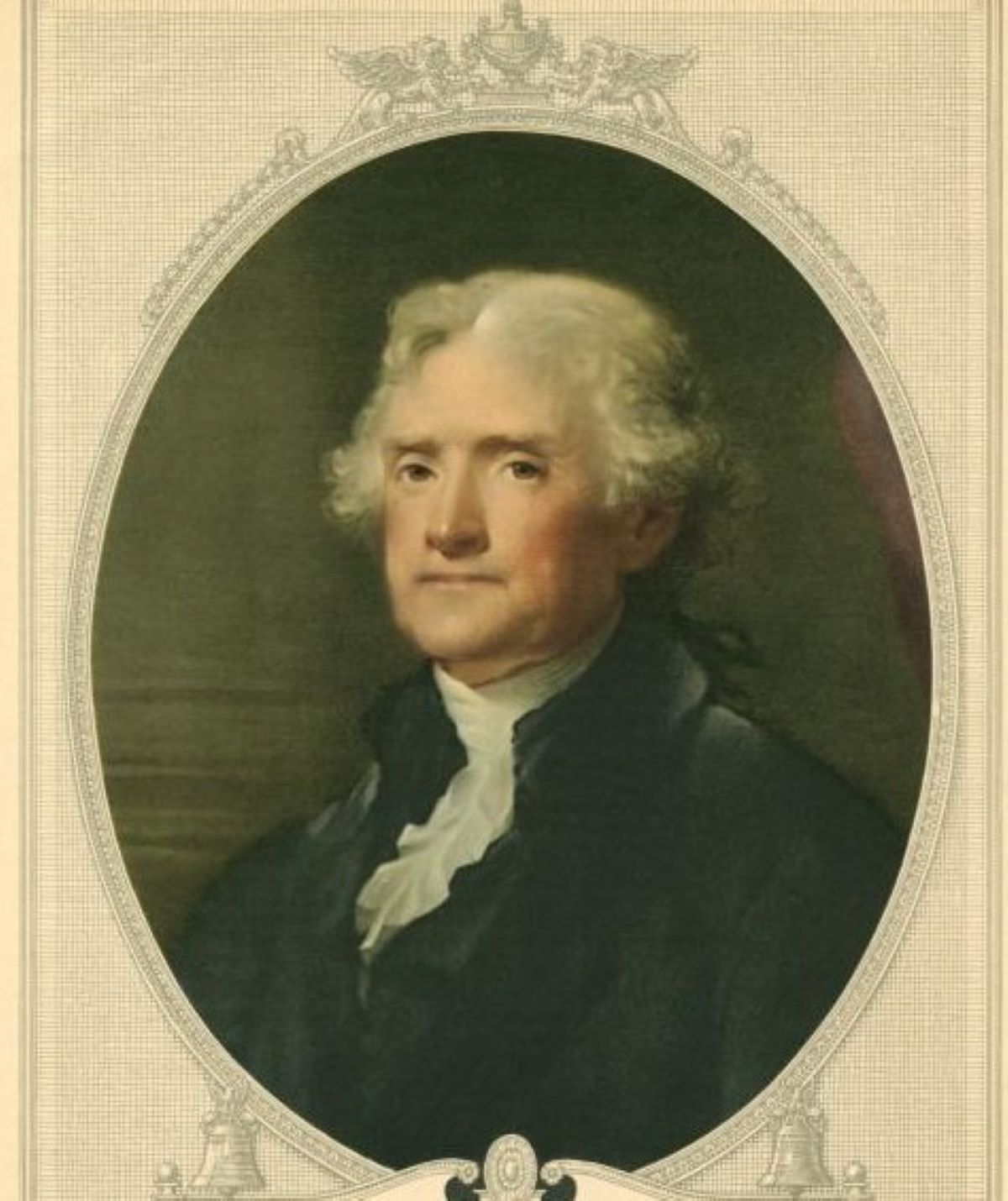
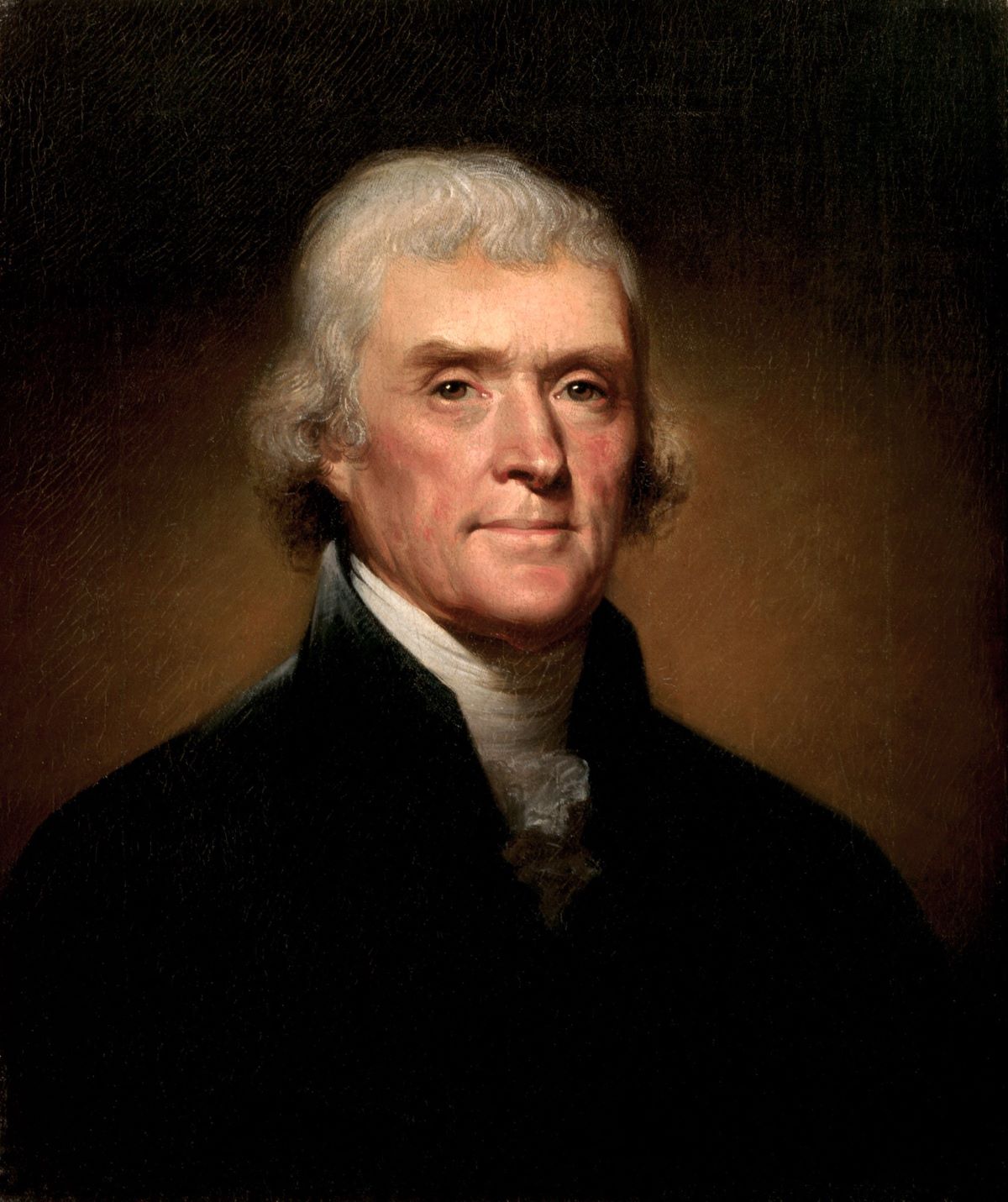
Not long after his debates with Stephen Douglas, Abraham Lincoln was invited by Henry L. Pierce and a group of Boston-area Republicans to a festival honoring Thomas Jefferson’s birthday. Unable to attend, on April 6, 1859, Lincoln…

THE READING ROOM

John Dickinson and the Moderation of Constitutional Balance in The Letters of Fabius
Some might be tempted to remember John Dickinson only as the man who at the last hour refused to support American independence. That would be an error. Among those American founders fallen into relative obscurity, few deserve…

THE READING ROOM

John Dickinson: The “Timid” Founder
Did John Adams described John Dickinson in 1774 as “very modest, delicate, and timid”? Adams, who previously met with Dickinson during the proceedings of the First Continental Congress in Philadelphia, was much more complimentary,…

THE READING ROOM

John Hancock: The First U.S. President
He is the answer to the trick question: Who was the first president of the United States? His role as the initial president of the Continental Congress makes John Hancock, not George Washington, the correct answer. Known perhaps…

THE READING ROOM

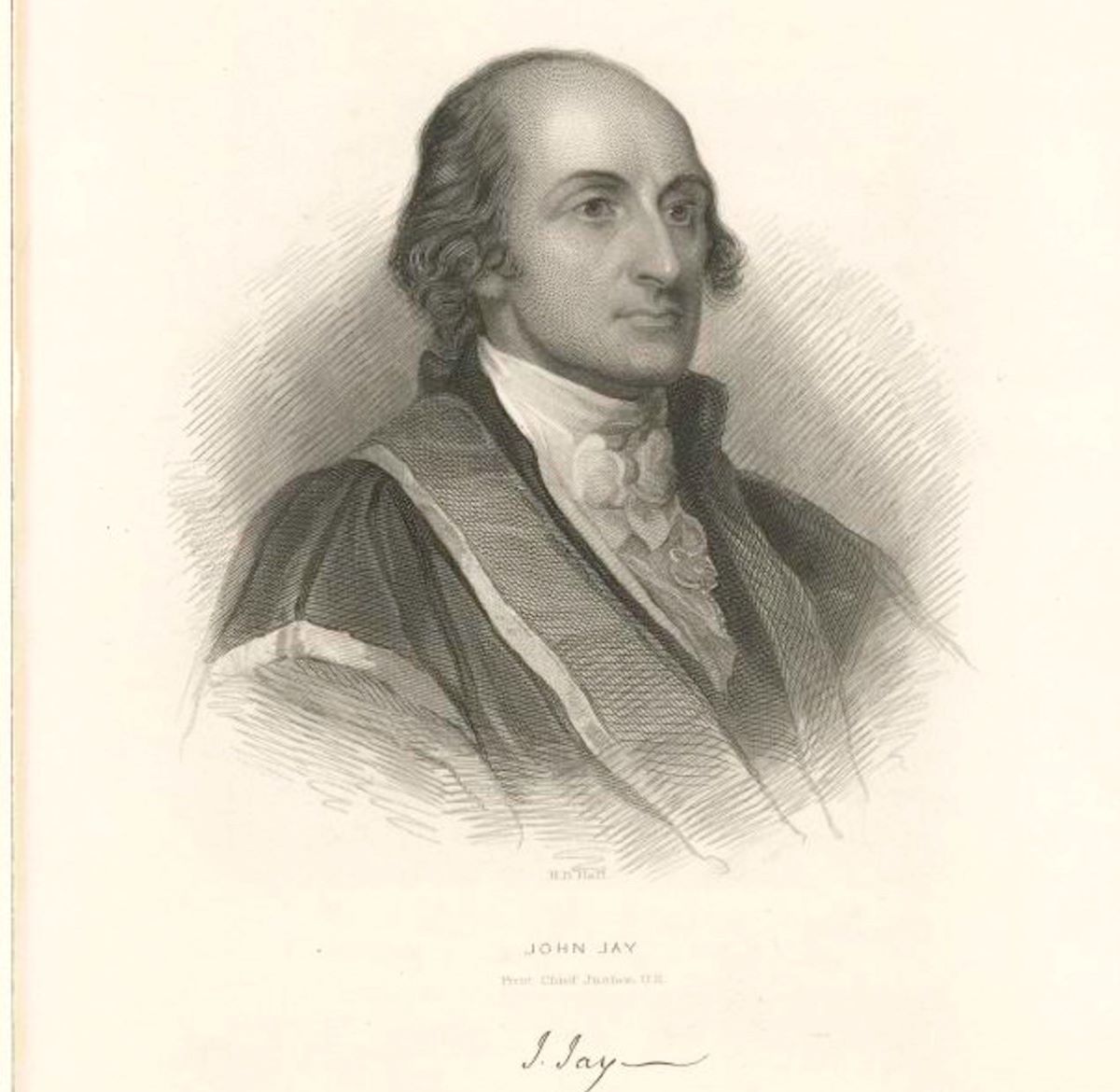
John Jay: Legal and Constitutional Framer
John Jay (1745–1829) was one of the most significant members of the founding generation, but his reputation hasn’t kept pace with that reality. Most Americans, if they wrack their brains, might be able to come up with vague…

THE READING ROOM

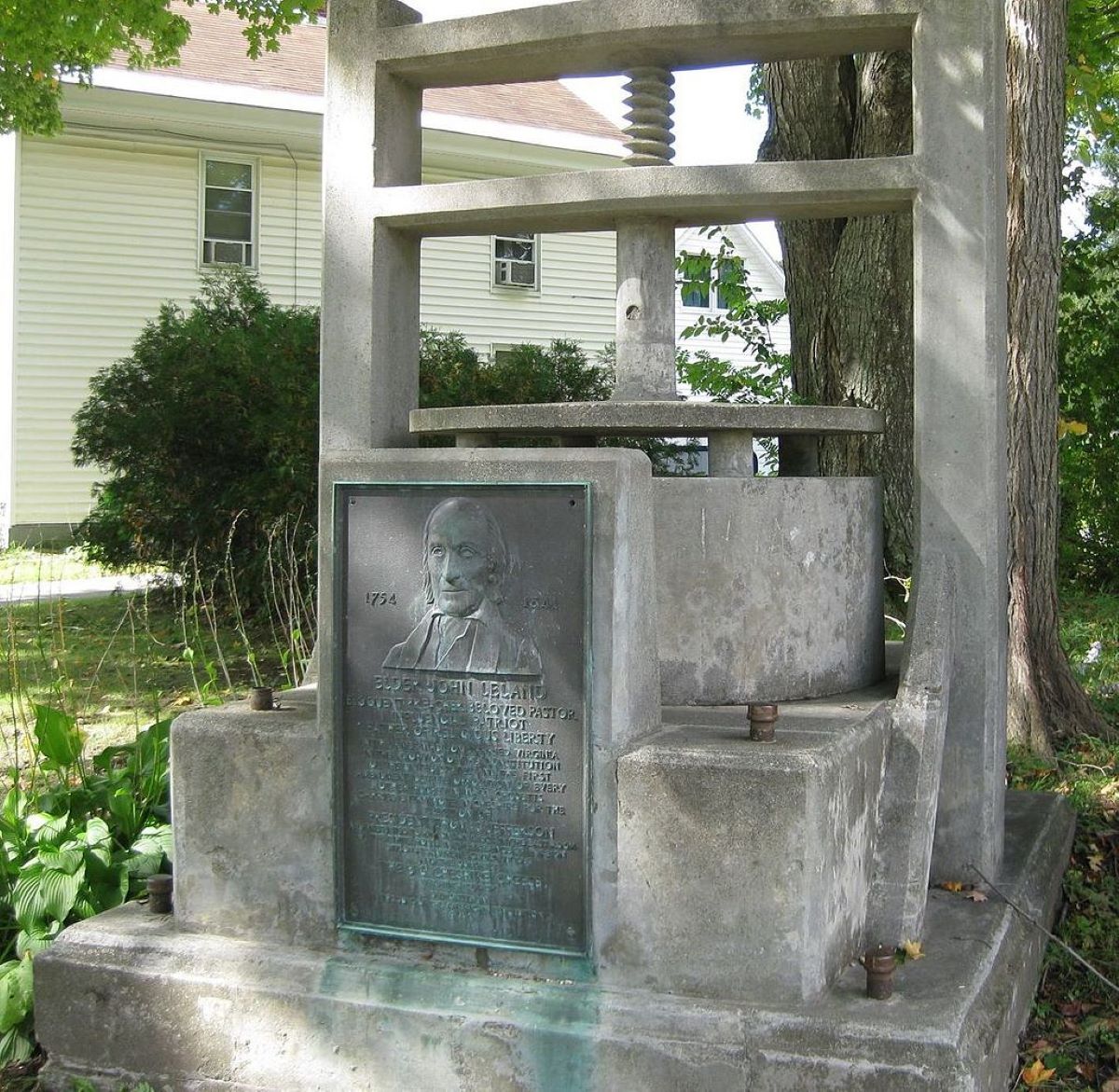
John Leland: Theologian of the First Amendment
Evangelicals today are often accused of supporting political figures who seem to contradict their values and beliefs. But why do such coalitions exist in American politics? To answer that question, Americans should look back not to…

THE READING ROOM

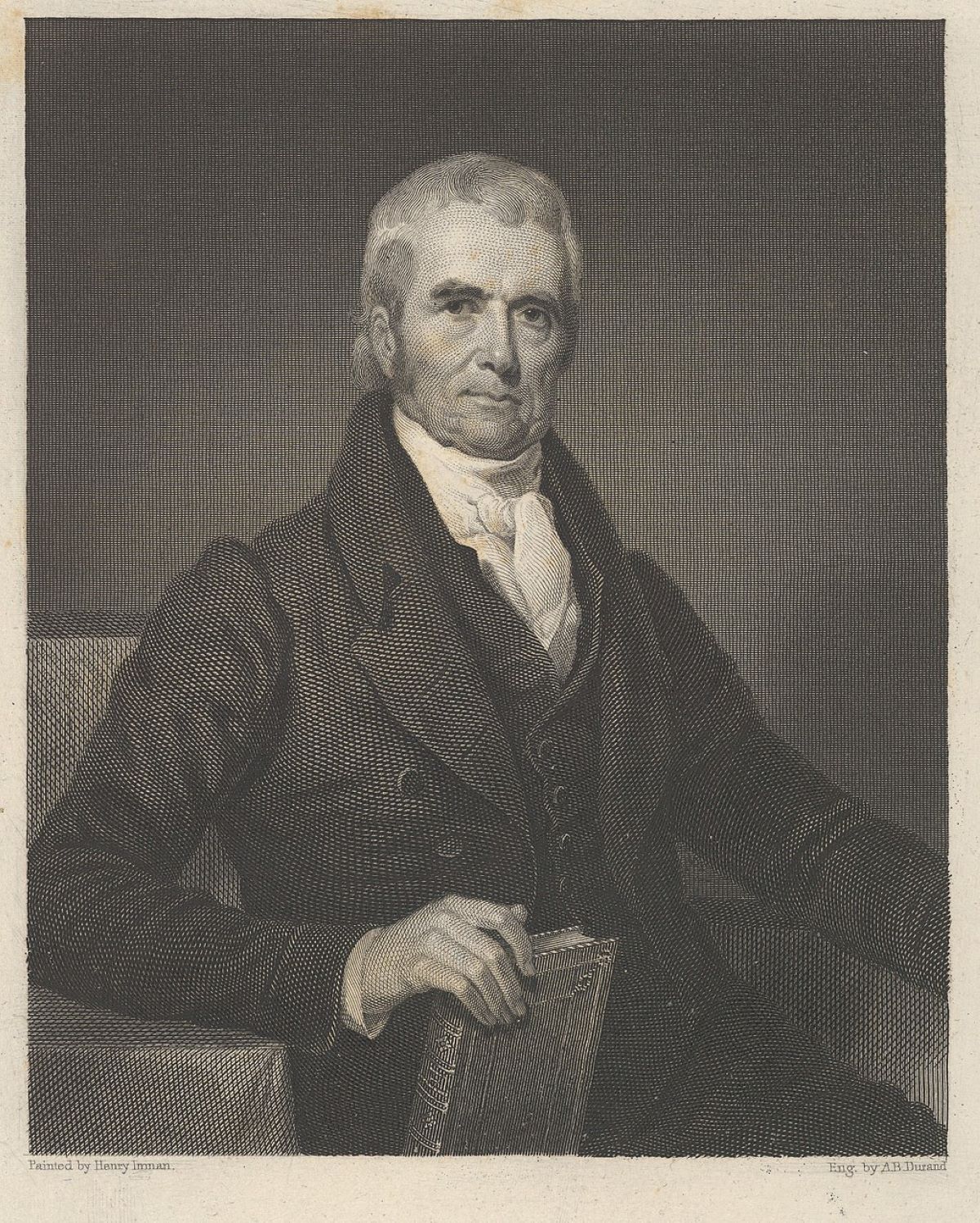
John Marshall, the Great Chief Justice
There is only one judge in American history for whom the epithet “the Great” has been commonly used: John Marshall (1755–1835), the fourth chief justice of the United States. Yet in a strange way, his outsized reputation, built on…

THE READING ROOM

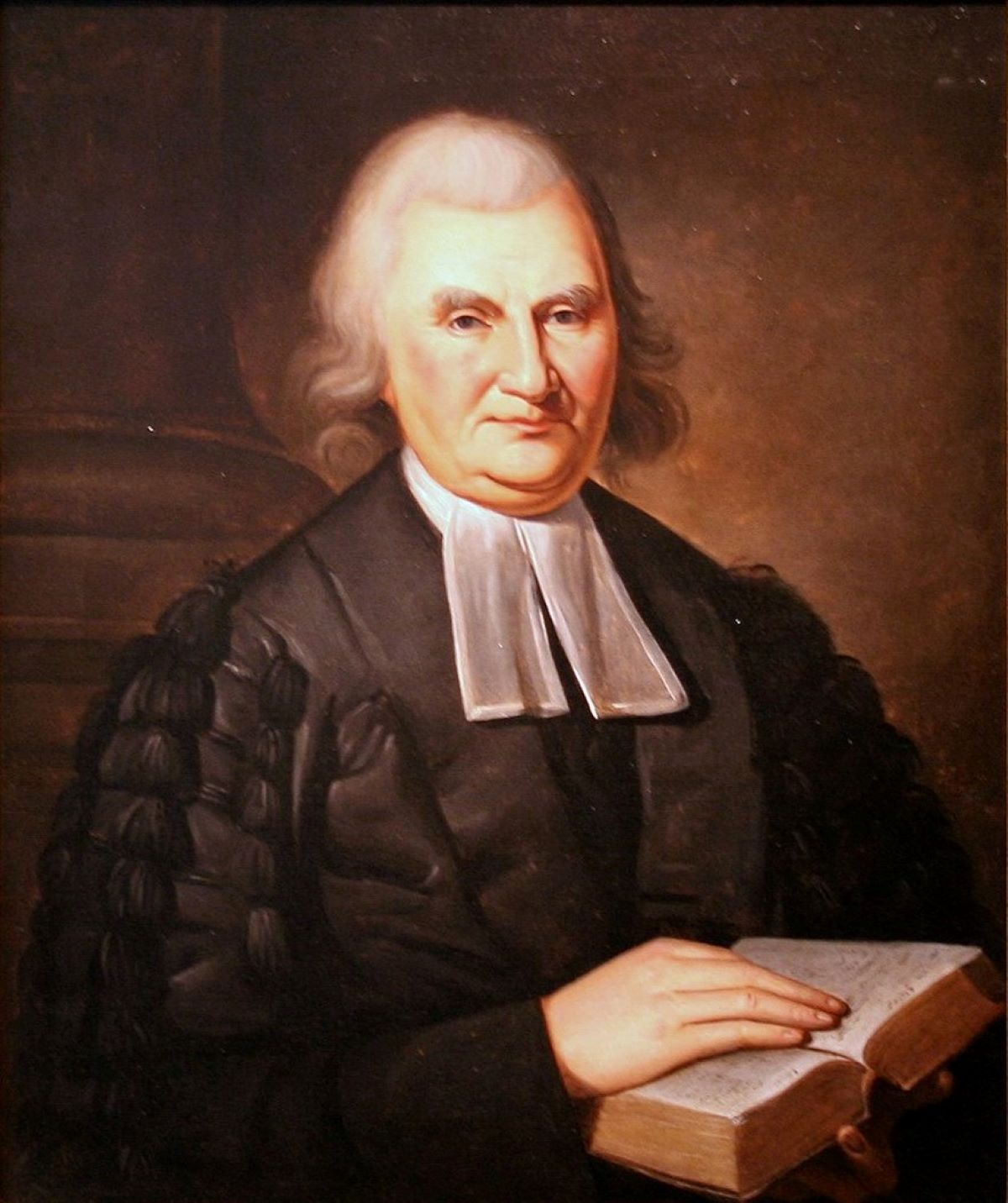
John Witherspoon: A Presbyterian’s Impact on America’s Founding
John Witherspoon was born in Scotland and educated in Edinburgh. He was a leading Presbyterian, a signer of the Declaration of Independence, and a member of the Continental Congress. He came to America in 1768 to become president of…

THE READING ROOM

Judith Sargent Murray: A Woman Between Worlds
In 1792, Mary Wollstonecraft published her famous work The Vindication of the Rights of Woman. To this day, this work is considered one of the origin points of western feminism. While Wollstonecraft enjoys great continuing fame, few…
A Letter to a Member of Parliament, Wherein the Power of the British Legislature, And the Case of the Colonists, Are Briefly and Impartially Considered

A Gentleman in London (author)

Published in 1765, this 32-page political pamphlet was written at a pivotal moment of tension between Britain and its American colonies — the same year the Stamp Act was passed. The work examines the scope of Parliament’s authority…

A Letter to G. G.

L. At Richmond (author)

The essay argues against Parliament’s taxation of America, contending that “subordinate states,” whether Wales or the “palatinates of Chester and Durham” or the colonies, can only be taxed by representatives of their own choosing…

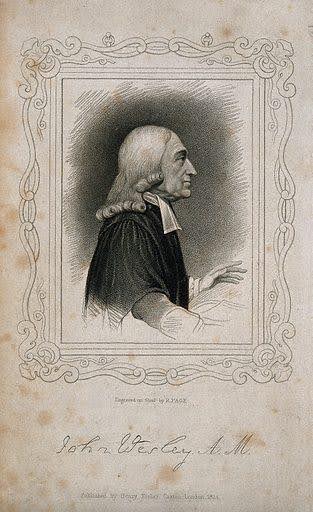
A Letter to the Rev. Mr. John Wesley, Occasioned by His Calm Address to the American Colonies

Americanus (author)

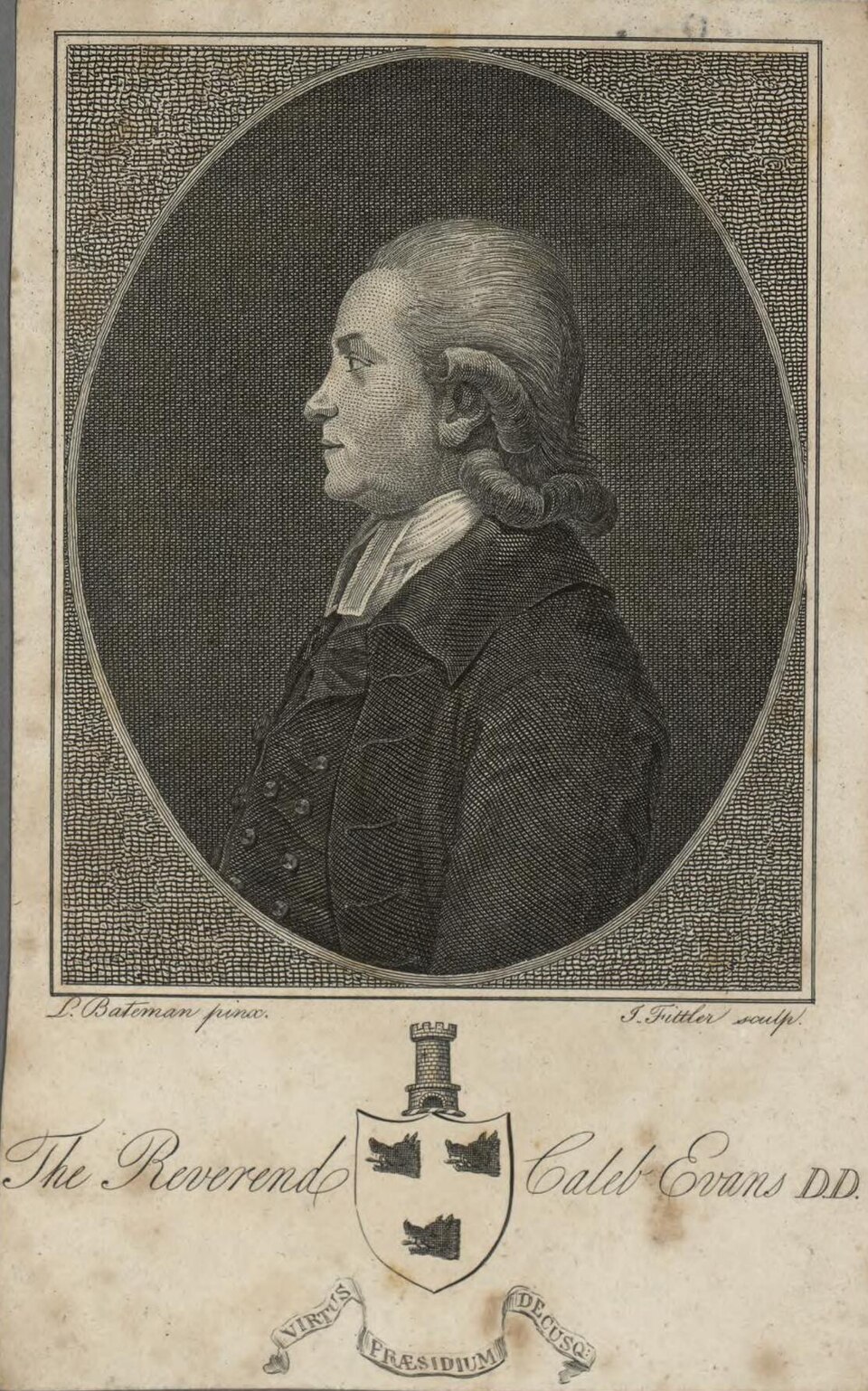
It is widely accepted that the pseudonym Americanus was used here to protect the identity of Caleb Evans, the Welsh Baptist theologian and educator. The pamphlet examines the contested matter of British taxes on the American…

THE READING ROOM

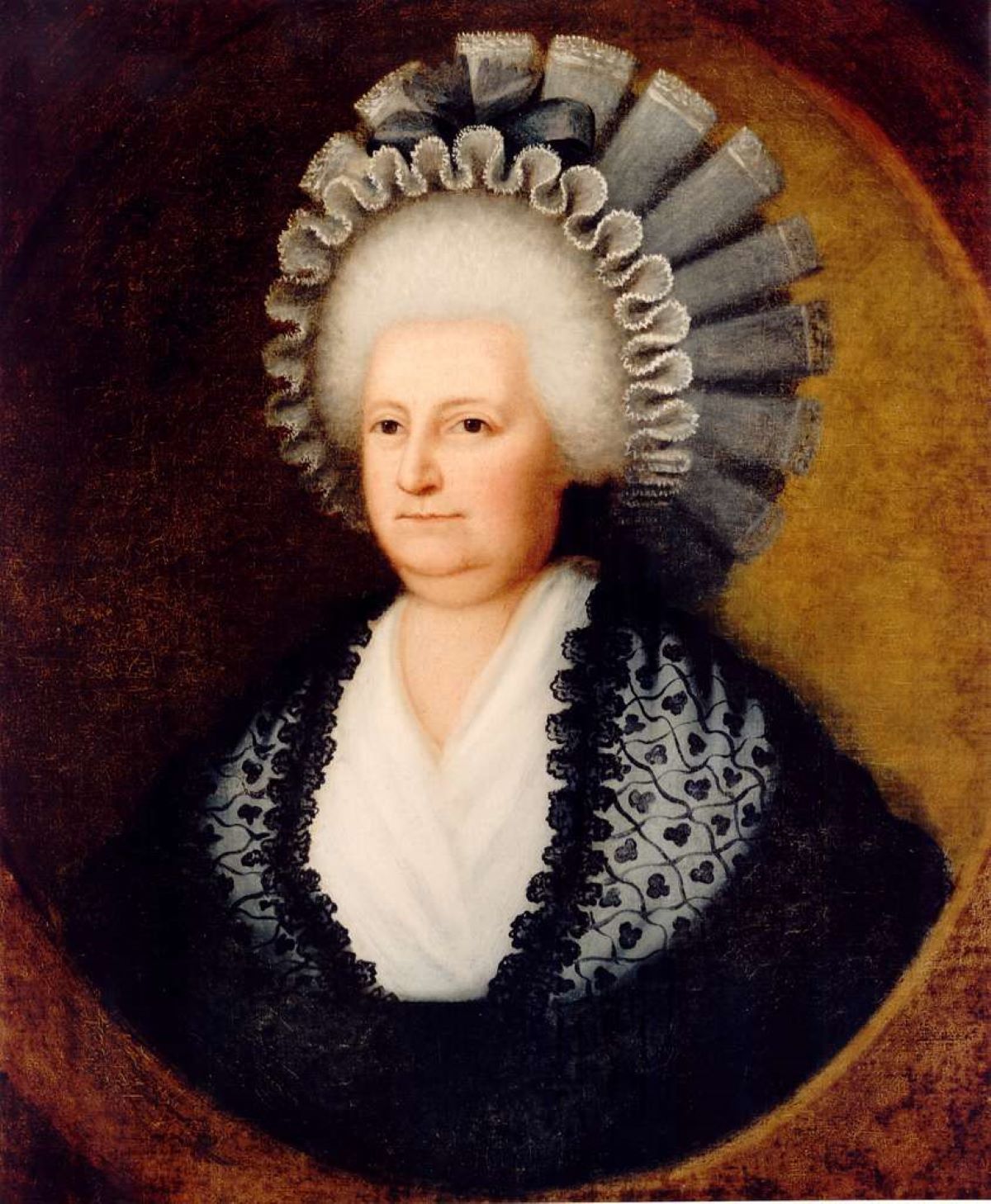
Martha Washington: First in the Heart of the President
At George Washington’s funeral, General Henry Lee said of the great man that he was “first in war, first in peace, and first in the hearts of his countrymen.” These are some of the most famous words spoken regarding Washington,…
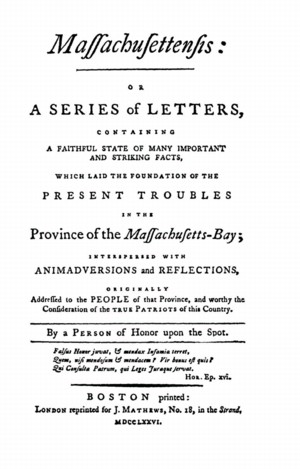
Massachusettensis

Daniel Leonard (author)

A legalistic defense of the Loyalist opposition to the right of the American colonies to seek independence from Britain. This work was the subject of John Adam’s lengthy rebuttal in “Novanglus”.

THE READING ROOM

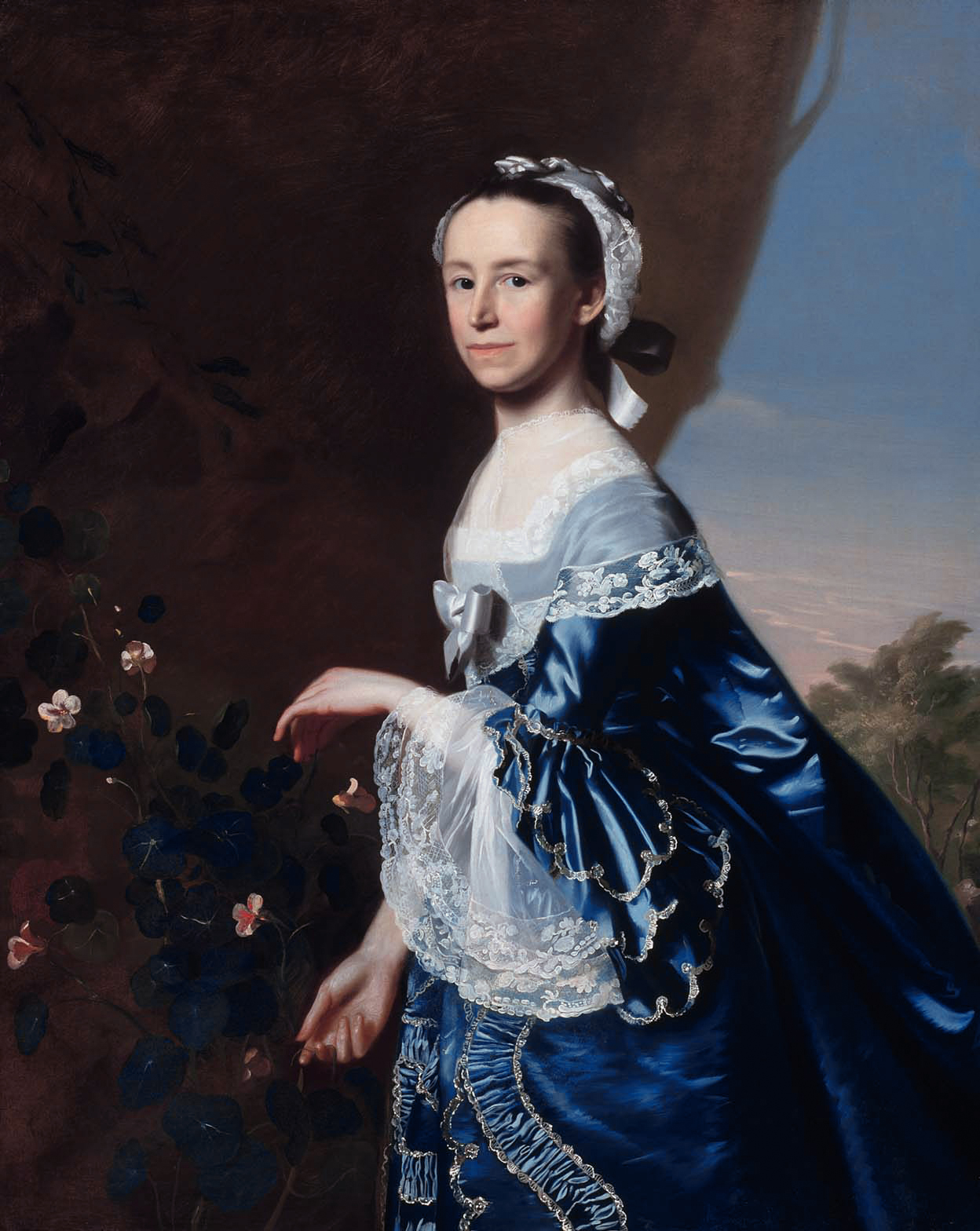
Mind Your Manners: Mercy Otis Warren on the Character of the American People

Why should we care about Mercy Otis Warren’s political writings today? Just because she’s a woman? No, but then again, maybe yes.
Even if we keep sex and gender out of it, Warren was impressive in her own right. At an early age,…

THE READING ROOM

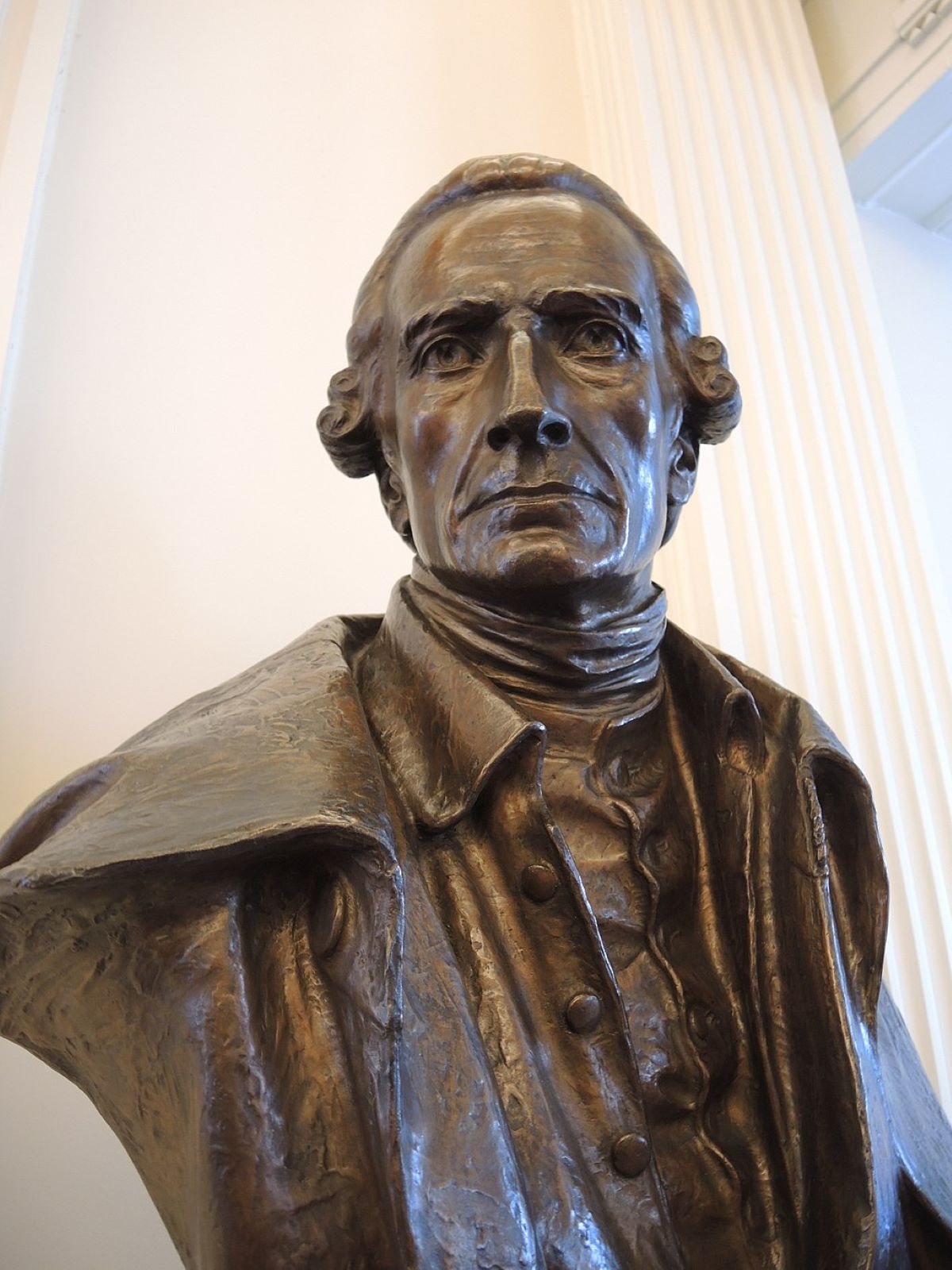
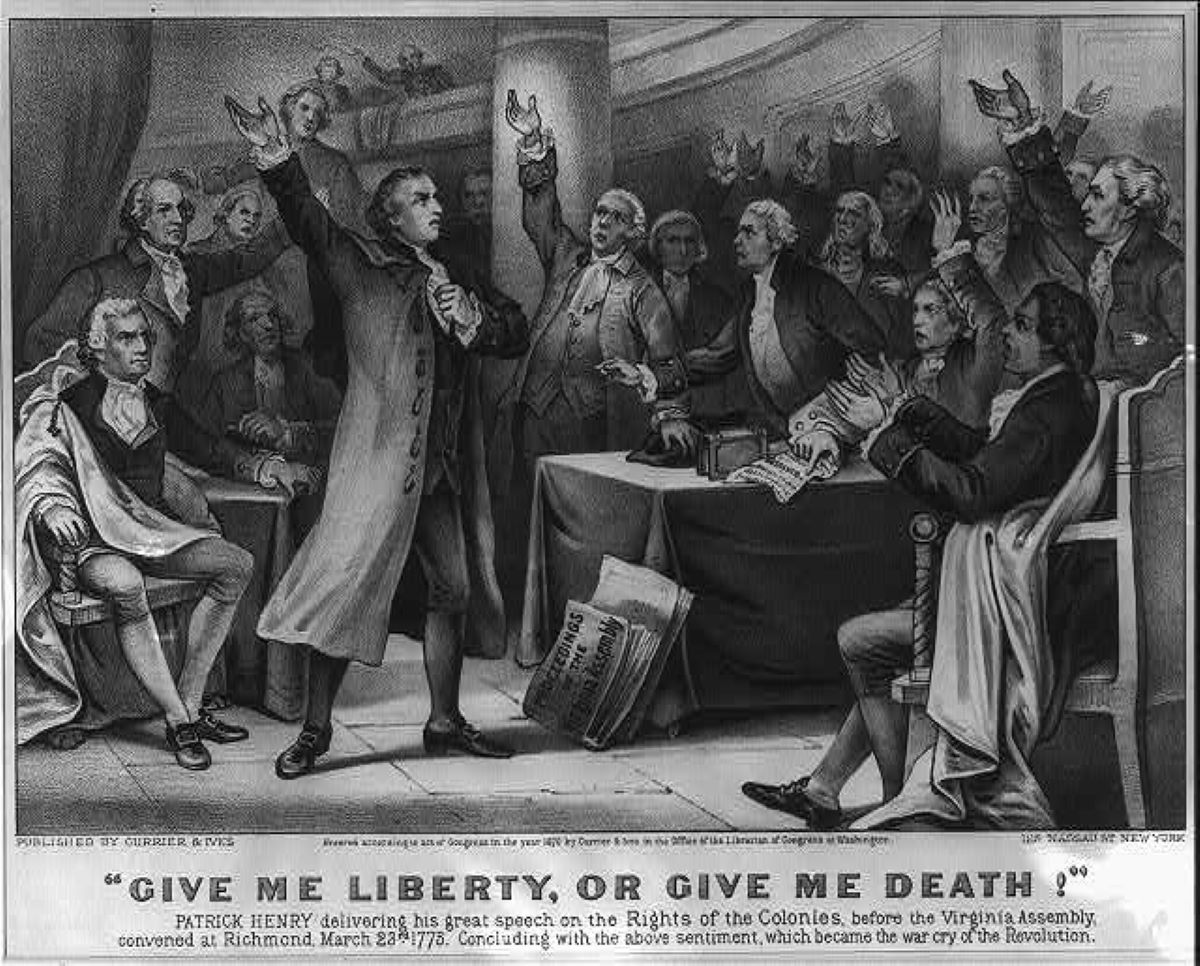
Patrick Henry: America’s Founding Orator
Patrick Henry was born on May 29, 1736, in Hanover County, Virginia. He tried his hand at running a store at 15 but was unsuccessful. In 1754, at age 18, he married Sara Shelton and was given 6 slaves and 300 acres of land as a…
Plain English: A Letter to the King

Anonymous (Sincerus) (author)

This text is among the most entertaining responses to Samuel Johnson and reveals a powerful link between a sense of natural justice on the one hand and pragmatic common sense on the other. Siding with the Americans in their right to…

Revolutionary Writings

John Adams (author)

This volume contains the principal shorter writings in which Adams addresses the prospect of revolution and the form of government proper to the new United States. There are pieces on the nature of the British Constitution and the…

THE READING ROOM

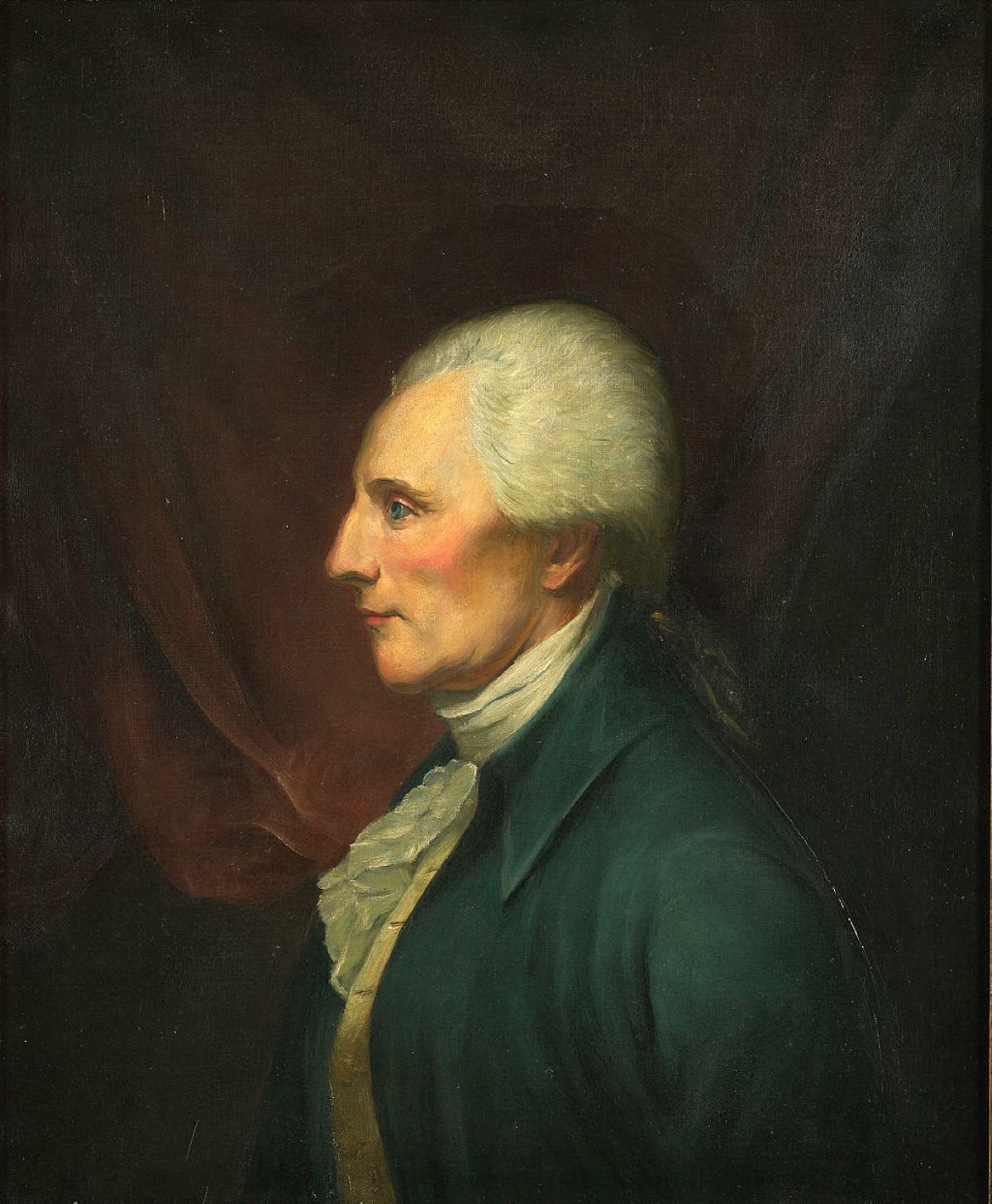
Richard Henry Lee: Founding Revolutionary and Anti-Corruption Advocate
Richard Henry Lee was born at Stratford Hall in Westmoreland, Virginia, on January 20, 1732. At age 16, Lee moved to Yorkshire, England, for his formal education at Wakefield Academy. In 1750, when he was 18, both of Lee’s parents…

THE READING ROOM

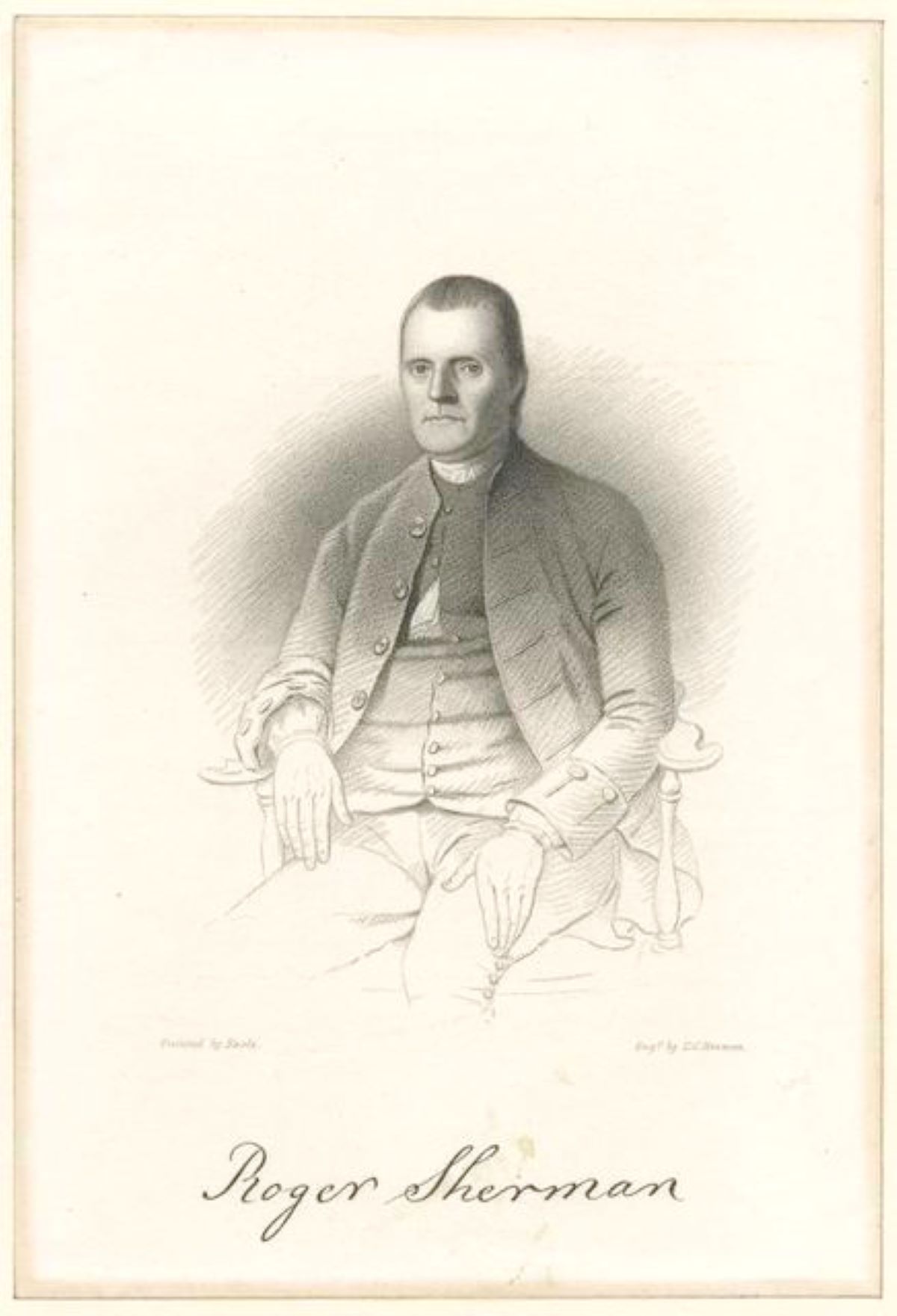
Roger Sherman and the Creation of the American New Republic
In 1777, John Adams described Connecticut’s Roger Sherman as “that old Puritan, as honest as an angel, and as firm in the cause of American Independence as Mt. Atlas.” Late in life, Patrick Henry remarked that Sherman and George…

THE READING ROOM

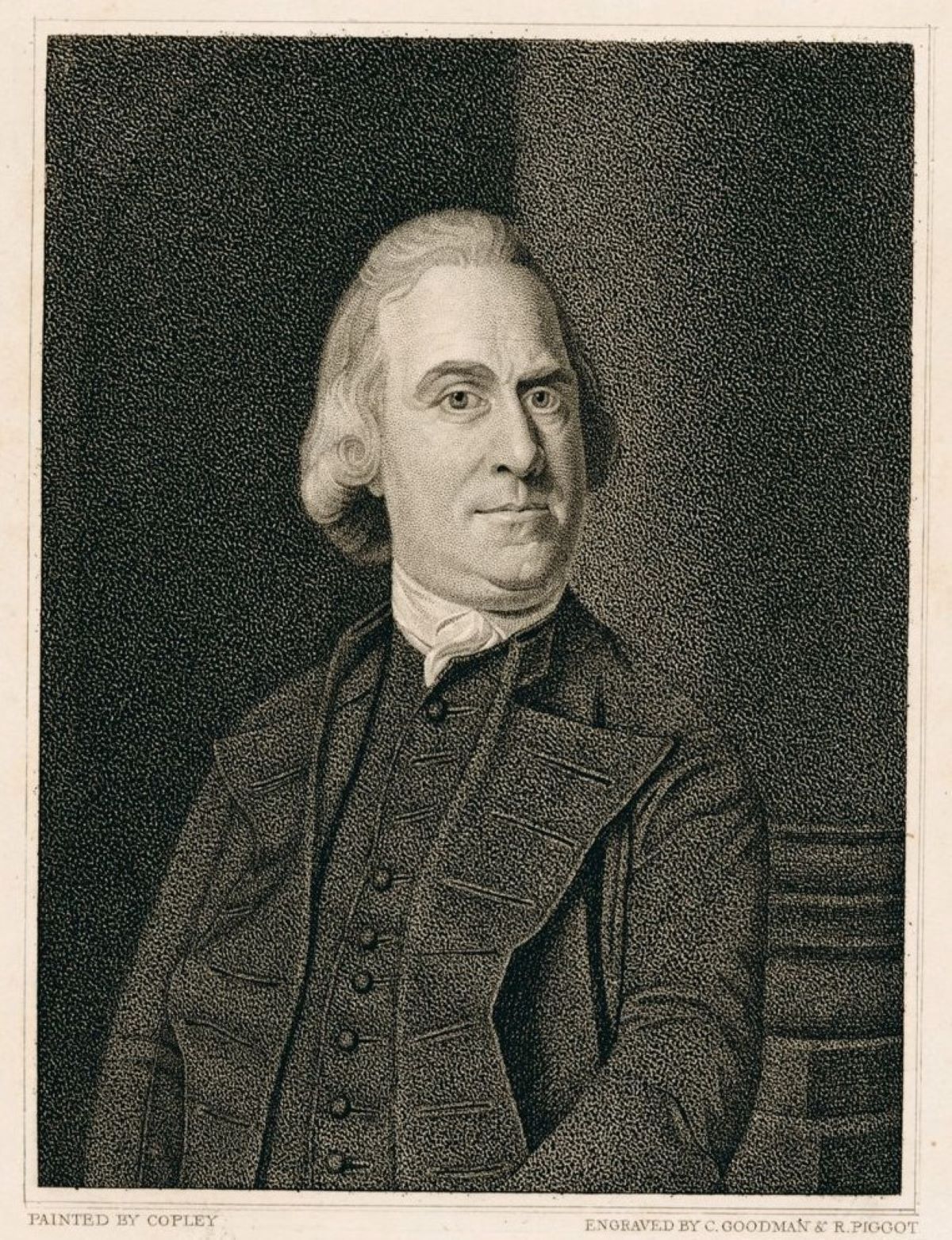
Samuel Adams…Much More Than a Beer
Millions of Americans today are concerned about social justice. Issues ranging from abortion to environmental devastation to racial disparities in income, education, convictions, and imprisonment roil our nation. Similarly, more…
Some Observations; Which May Contribute to Afford a Just Idea of the Nature, Importance, and Settlement, of our New West-India Colonies

William Young (author)

This pamphlet is a part of The Pamphlet Debate on the American Question in Great Britain, 1764-1776: A Digital Collection, edited by Jack P. Greene.

THE READING ROOM

Studying the Founders: A Summary and Downloadable Collection

Over this past Summer, we invited scholars into the Reading Room to share their views on the Founding Fathers and Mothers and why we should read and understand them today. They explored the likes of George Mason, Deborah Sampson,…

THE READING ROOM

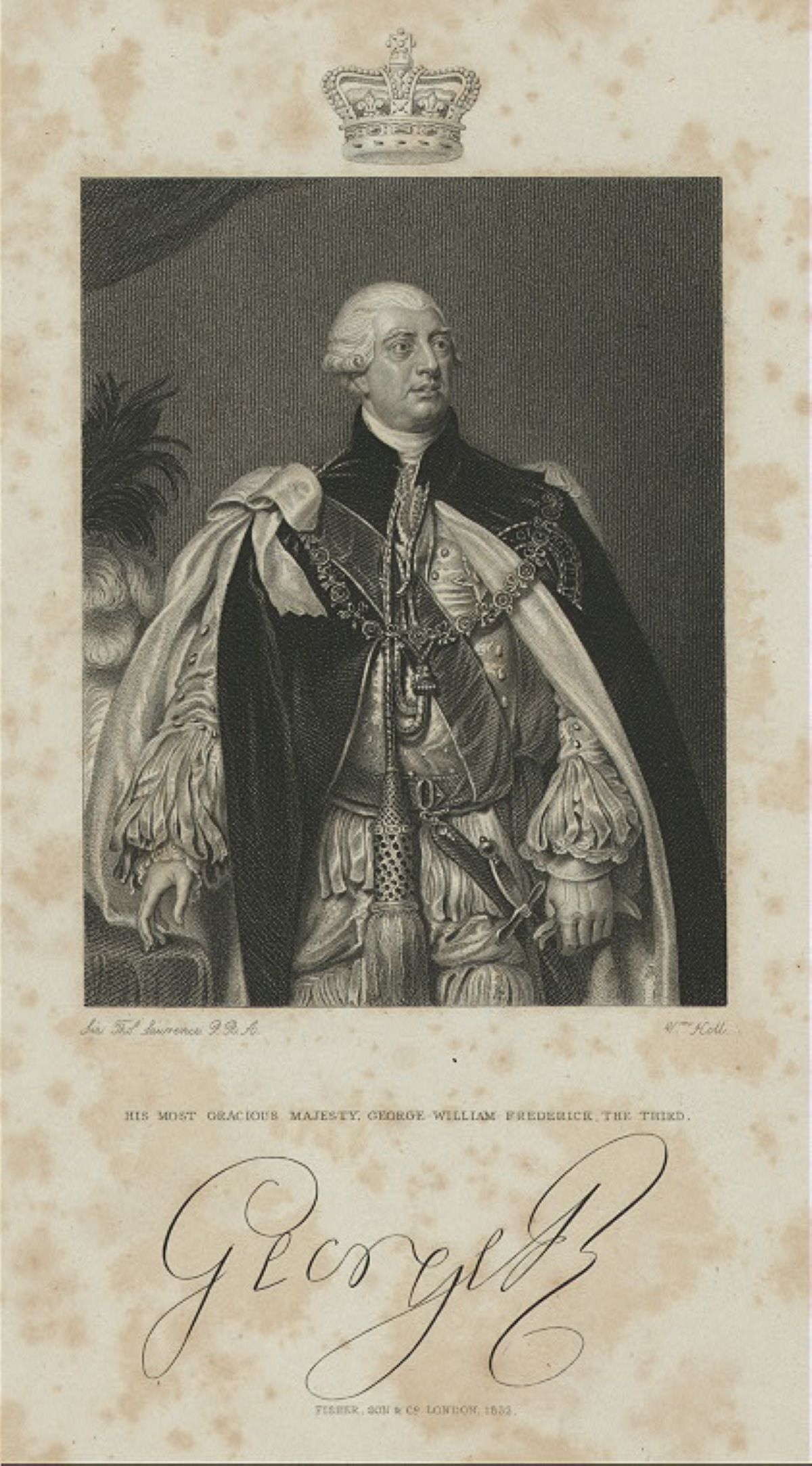
The Last King of America: A Review
When it comes to Enlightenment-era monarchs, we generally think the worst of one in particular, especially when it comes to progress – King George III of England. Too often, we think of him as the king who lost the American…

THE READING ROOM

The Paranoia of Patrick Henry
“Guard with jealous attention the public liberty. Suspect everyone who approaches that jewel.” Those are the words of Patrick Henry to the Virginia Ratifying Convention in 1788.

THE READING ROOM

The Written Legacy of Gouverneur Morris: Constitutional Wisdom We Cannot Afford to Forget
We the People. It is a phrase that shows up everywhere, on the banners of protestors on both sides of an issue, as the name of an expletive-laden song by Kid Rock, in the title of many books, many art exhibitions, and, of course, on…
THE READING ROOM

The “Pamphlet Wars” Climax in the American Revolution and Ratification Debate
You cannot read many biographies of men who engaged the American separation from Britain, declaration of an independent nation, and shaping and winning ratification of the Constitution without encountering—repeatedly—references to…

THE READING ROOM

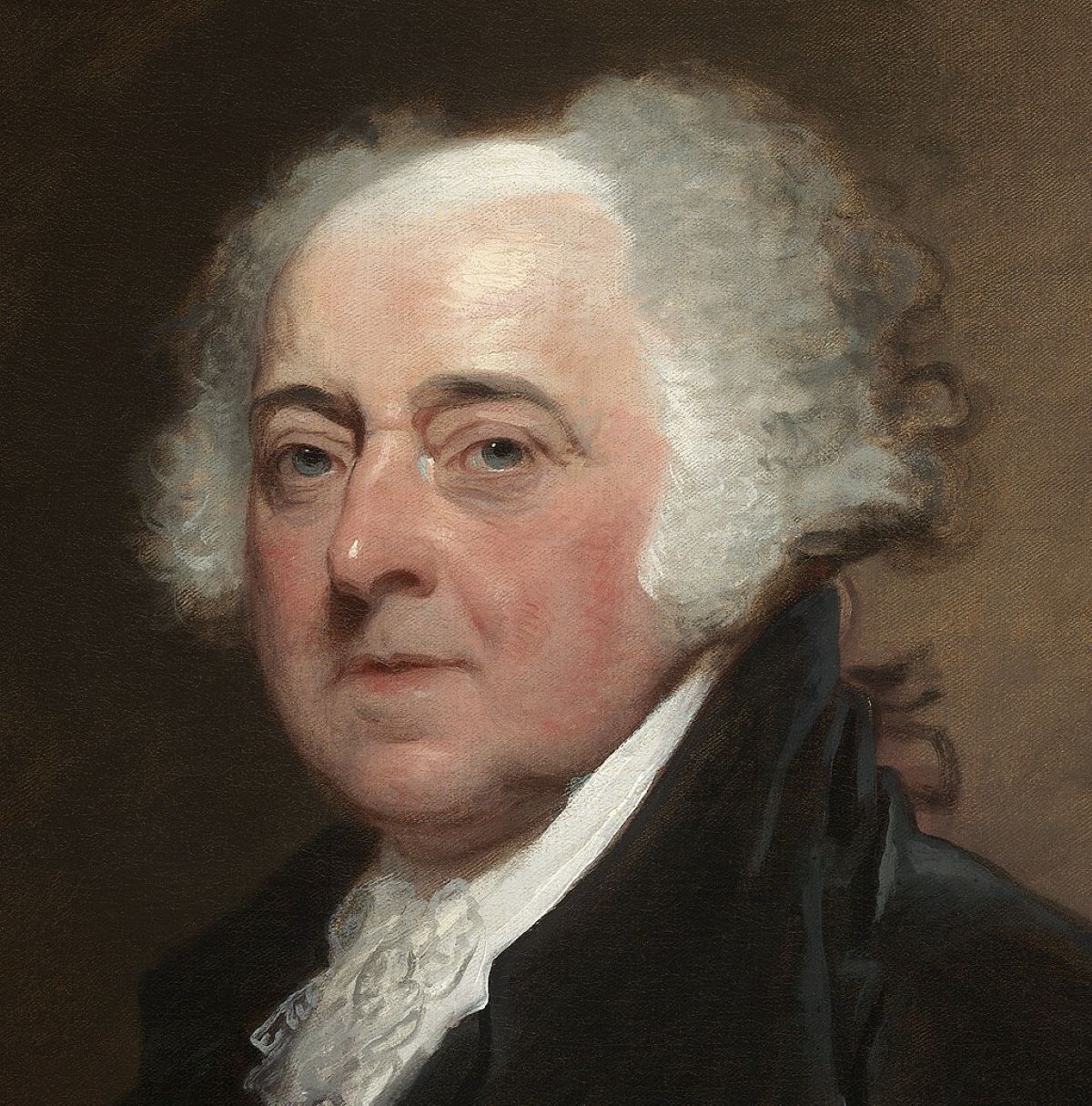
Thinking About Government with John Adams
In philosophy classes, students sometimes wonder why we continue to read long-dead thinkers like Plato or Descartes, and there are two sorts of answers I usually give. One is that, for better or worse, their ideas set the stage for…

THE READING ROOM

Thomas Jefferson’s Last-Minute Flip-Flop on the Future of American Democracy
As Thomas Jefferson neared his death—which came on July 4, 1826, the fiftieth anniversary of the adoption of the Declaration of Independence—he composed some of the most famous and optimistic lines ever to emerge from his pen. He…

THE READING ROOM

Two Reasons to Read Jefferson
We live in a world where attention spans are short and partisan posturing is expected, so why should students bother with reading works by the American Founders, a group of men that did not include philosophers but did include…

THE READING ROOM

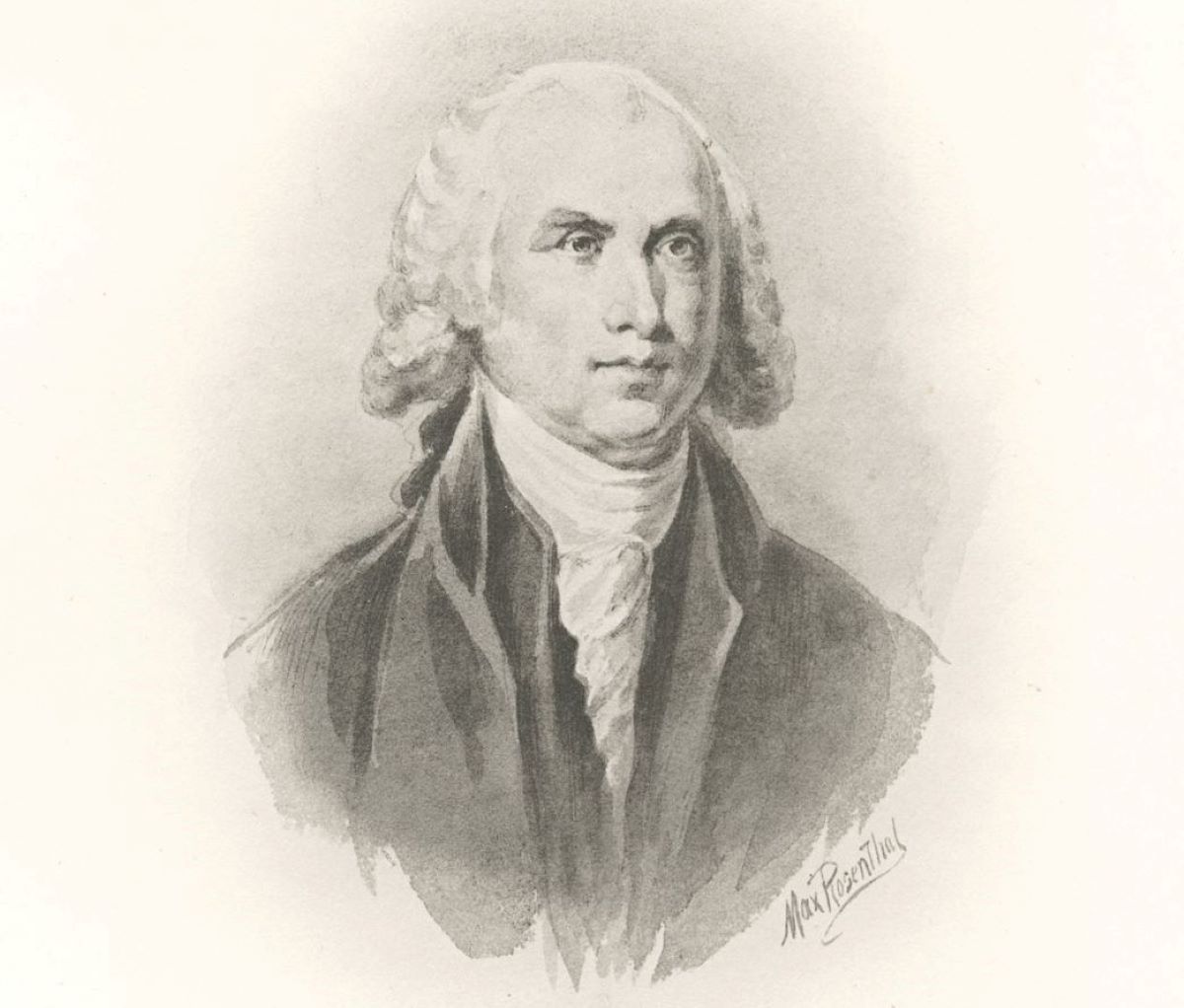
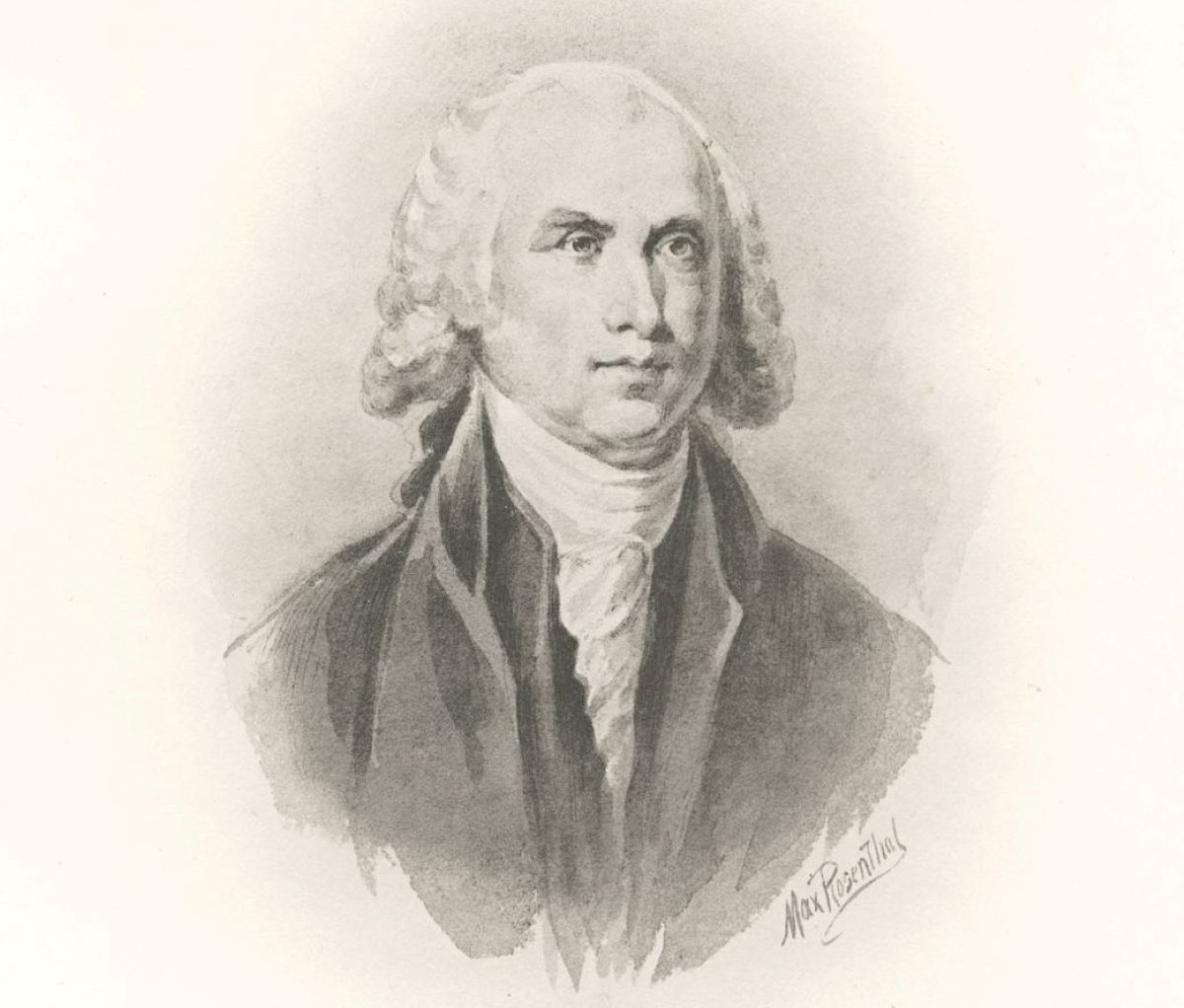
Which Beatle is James Madison?
If we think about the most prominent of the American Founding Fathers as the Beatles, then Jefferson, Washington and Hamilton have gotten most of the attention from folks, much like Paul McCartney, John Lennon and Ringo Starr. They…

THE READING ROOM

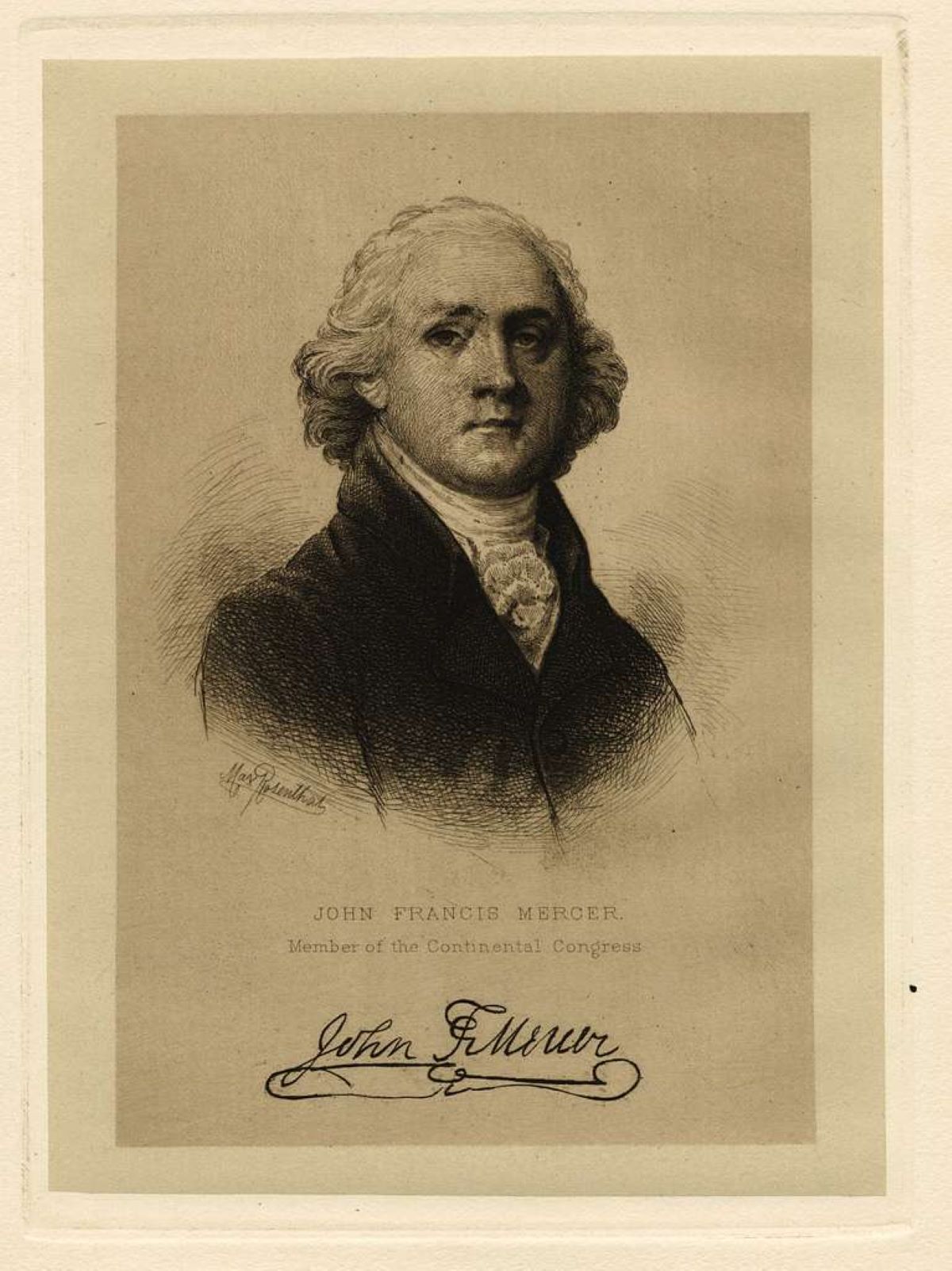
Who are the Real Federalists? Why we should read John Francis Mercer
Who qualifies as a Founder? Who is a Framer? These are questions about which we often assume general agreement, but the reality is otherwise.
“Founders” can sometimes refer to anyone who supported or participated in the American…

THE READING ROOM

Why George Mason Matters
There is an unfortunate tendency among students of the American founding to focus on the accomplishments of a few “famous founders” while ignoring the salient contributions of an expansive fraternity of “forgotten founders.” One…
Loading...

Notes About This Collection

For additional information about the American Founding see the following: