The Social Order
- Jacques Rueff (author)
In The Social Order, Jacques Rueff—one of France’s most distinguished twentieth-century economists—delivers a penetrating analysis of how monetary and fiscal policy shape not only economic outcomes but the very fabric of social life. Originally published at a moment of great monetary upheaval and now available in English for the first time, Rueff’s magnum opus remains highly relevant for understanding today’s persistent inflation, debt crises, and economic disorder.
Show more
At the heart of Rueff’s argument is the link between property rights and monetary integrity: when governments create “false rights” through fiscal recklessness—claims to wealth unsupported by real savings—they distort prices and weaken the rule of law, whereas true rights, grounded in sound money and budgetary discipline, sustain economic order, legal predictability, and social harmony. Drawing on law, psychology, and political theory, Rueff contends that monetary and fiscal disorder is not merely technical but moral and political, as inflation, central planning, and profligacy corrode the institutions of a free society. For readers troubled by contemporary economic imbalances, The Social Order offers both warning and guidance, standing as a landmark defense of economic order and human freedom within the philosophy of money, capital theory, and constitutional political economy.
Related People

Critical Responses
Book
The General Theory of Employment, Interest and MoneyJohn Maynard Keynes
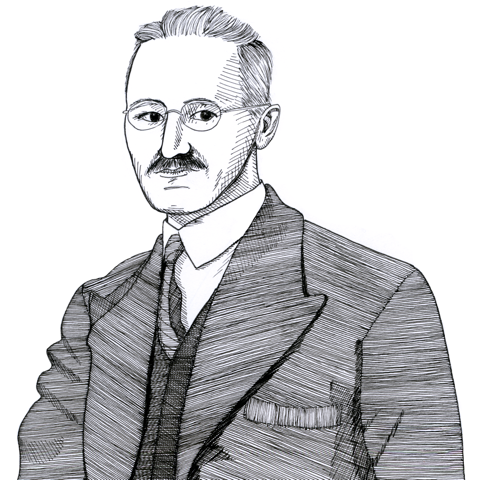
Keynes rejects the argument that economic stability naturally emerges from price adjustments. If Rueff sees sound money as the foundation of order, Keynes sees macroeconomic management as necessary for stability.

Thorstein Veblen
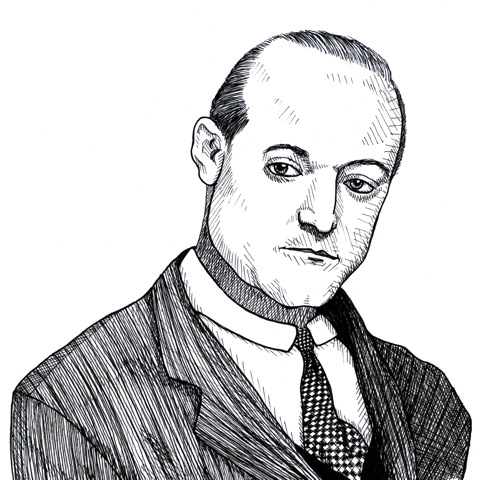
Veblen argues that economic systems are shaped by social norms, status competition, and institutional power. This challenges Rueff’s belief that price signals alone generate social order.
Connected Readings

Book
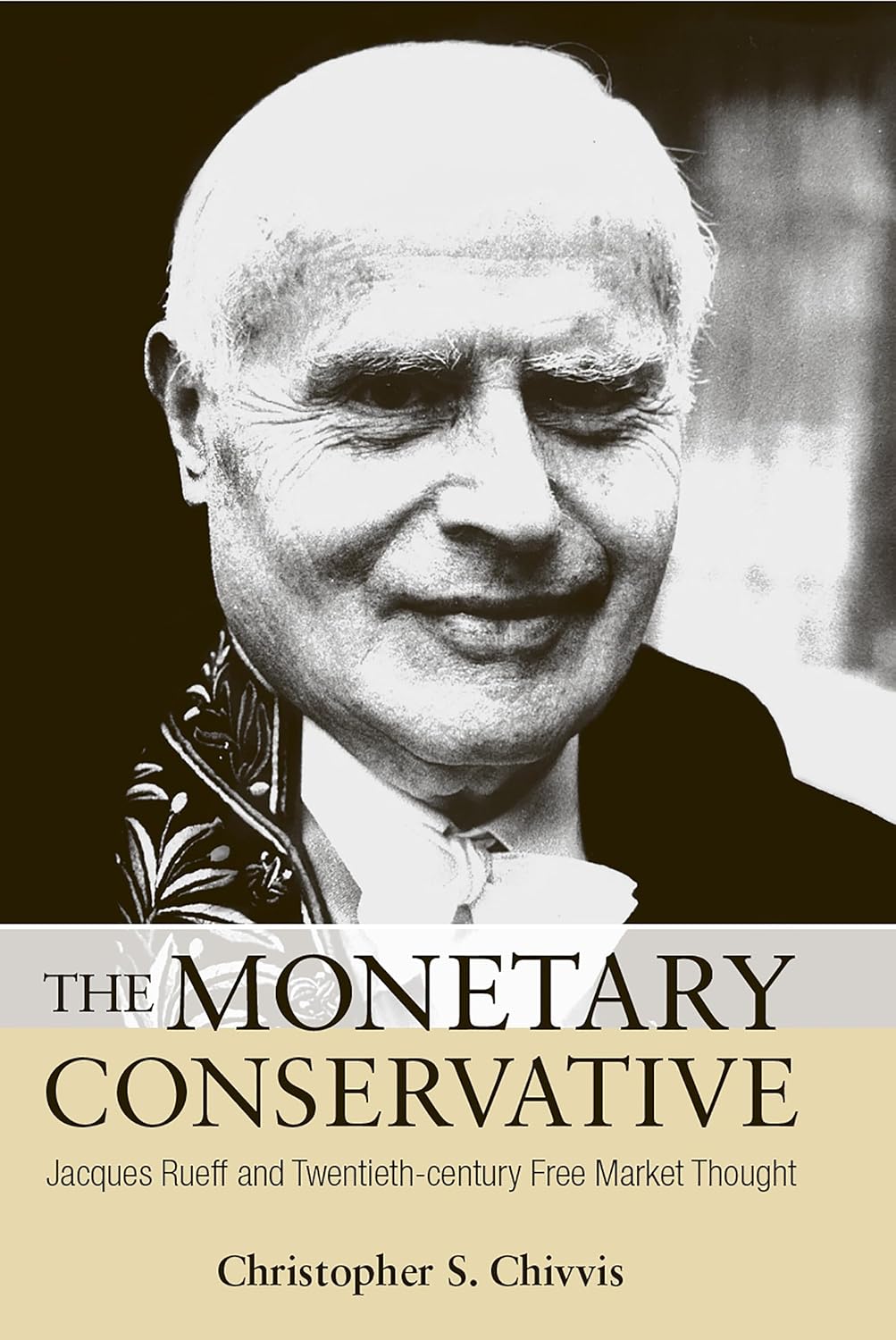
The Monetary Conservative: Jacques Rueff and Twentieth-century Free Market ThoughtChristChristopher S. Chivvas