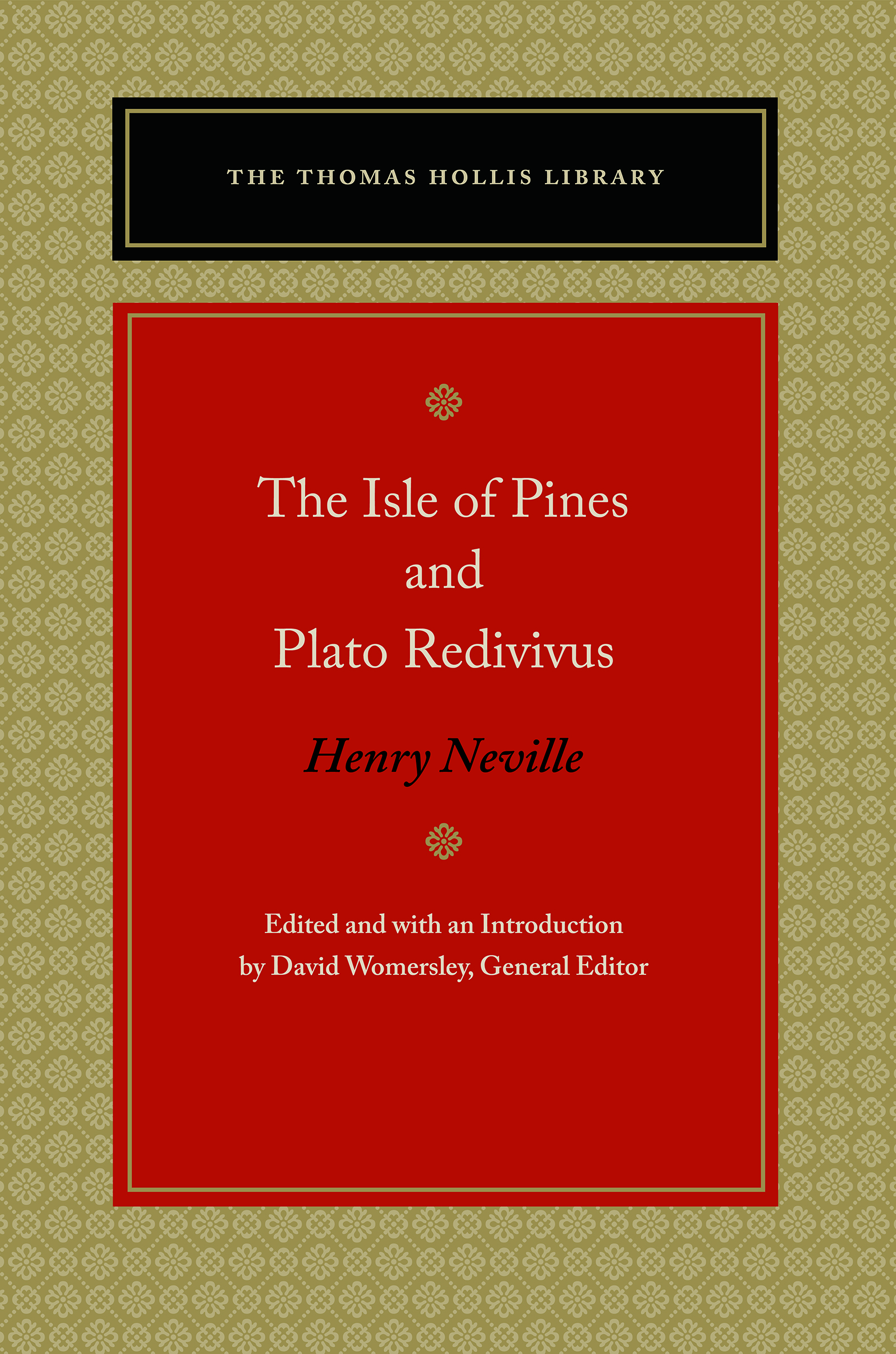
The Isle of Pines and Plato Redivivus
- Henry Neville (author)
In late 1667 or early 1668, after he had returned to England from a second trip to Italy, Neville wrote the first of the two works on which his reputation now rests. The Isle of Pines (1668) is at initial glance a slight, even salacious, shipwreck fantasy in which a fictional Elizabethan castaway, George Pines, and four female co-survivors populate a luxuriant tropical island with a thriving community that eventually numbers almost two thousand. Like Harrington before him, Neville plays with the island trope and flirts with political implication, although it is unclear quite how serious and profound these implications are intended to be.
Show more
Neville pursues similar republican themes more fully and directly in his major work of 1680, Plato Redivivus. Often read as a moderate adaptation of Harringtonian principles to the realities of a monarchical system that was now again entrenched, the treatise is notable for its insistence on kingship as a trust from the people, on the duty of kings to relegate their own interests beneath those of their subjects, and on constitutional sanctions such as annual parliaments as necessary checks on royal power. “Mixed monarchy” and “limited monarchy” are emphatic terms throughout the work. However, Neville’s critique of late Stuart monarchy relies more on the kind of cosmopolitan republicanism to which he had been exposed in his Italian travels than it does on more familiar home-grown concepts such as ancient constitutionalism.
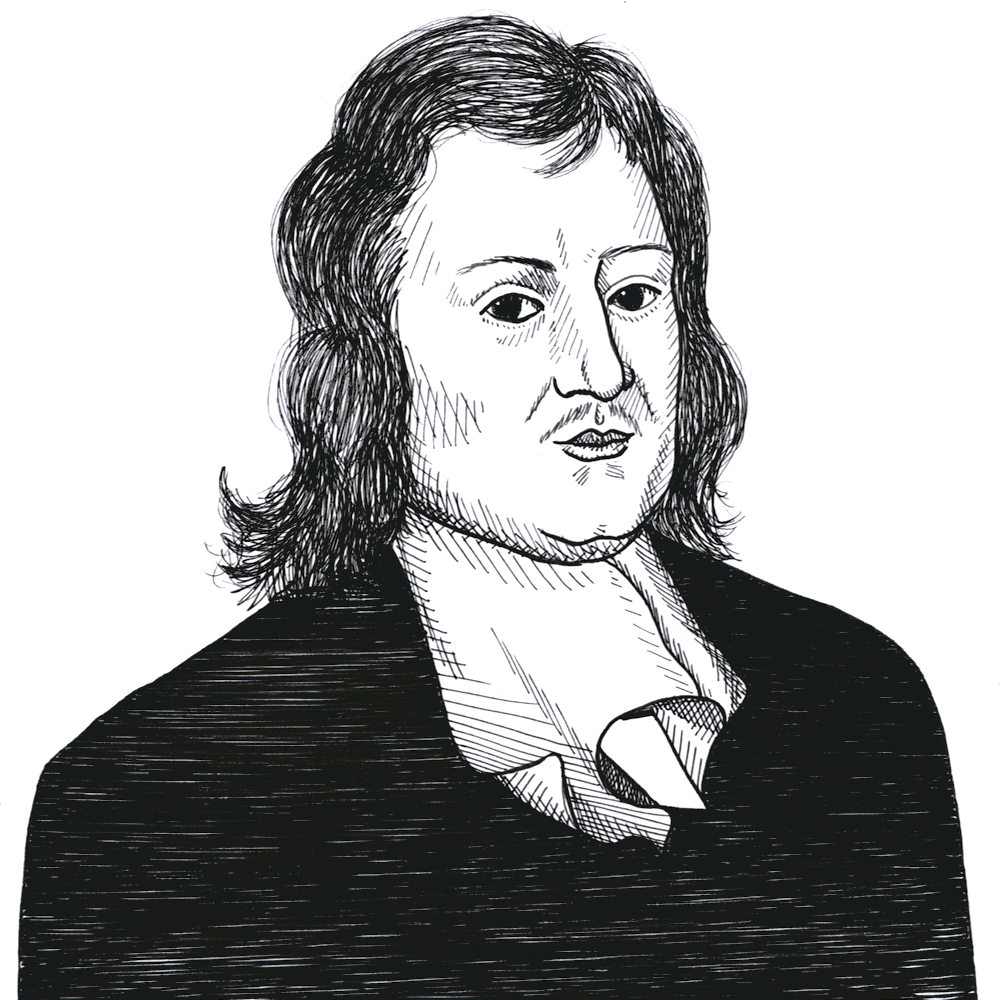
Related People


Critical Responses
Book
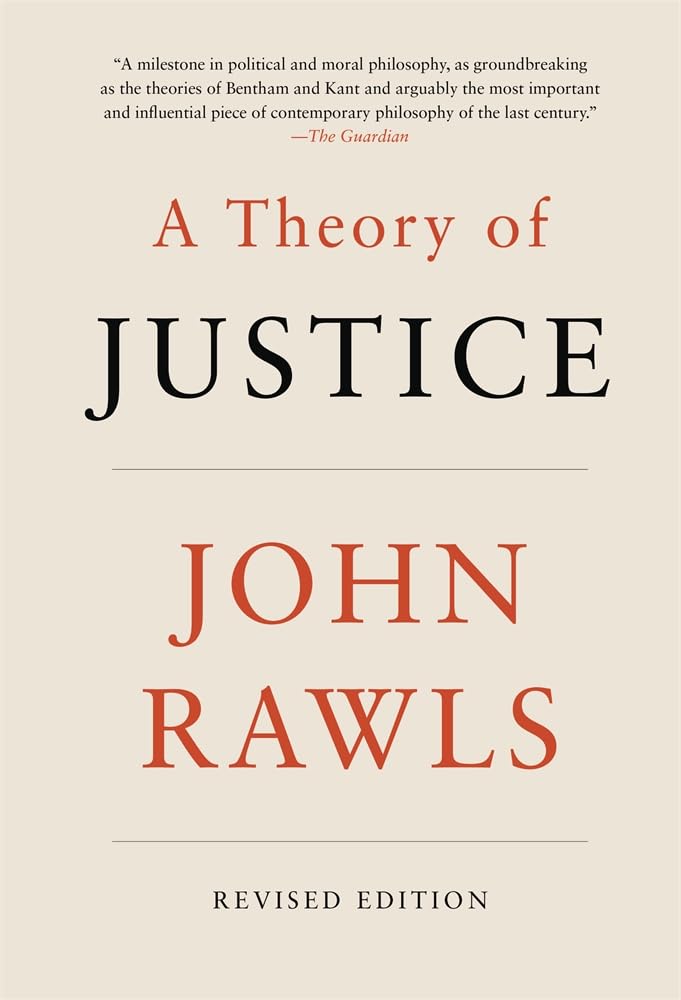
A Theory of JusticeJohn Rawls
John Rawls is critical of the outlook found in The Isle of Pines and Plato Redivivus by rejecting Neville’s deep skepticism toward abstract political design. Where Neville emphasizes historical contingency, moral decay, and the unintended consequences of political schemes, Rawls argues that just…
Connected Readings