Virtual Reading Groups
Would you like to join interesting people and have interesting conversations based on readings from the history of liberty?
Free Participation! | Powered by Zoom
Our Virtual Reading Groups will each focus on a particular topic, and a common set of readings will form the basis for our discussions. Each group is facilitated by a professional moderator and is conducted online powered by Zoom.
Our Timeless Reading Groups are asynchronous and open to all in the Portal platform. Liberty Fund solicits a scholar to lead a discussion of a short story and/or essays that each participant will read and discuss. This format doesn’t require participants to use Zoom or “schedule” a specific time to participate.
Participation is offered at no-cost, and there is no need to be an expert on the topic for discussion! The only requirement is that participants be eager to read and engage in conversation.
Upcoming
George Eliot's Middlemarch
–
Pre-registration is required.
George Eliot’s Middlemarch (1872) is widely regarded as one of the greatest English novels, shaped by her remarkable life and intellectual background. The novel explores the tension between individual freedom, social…
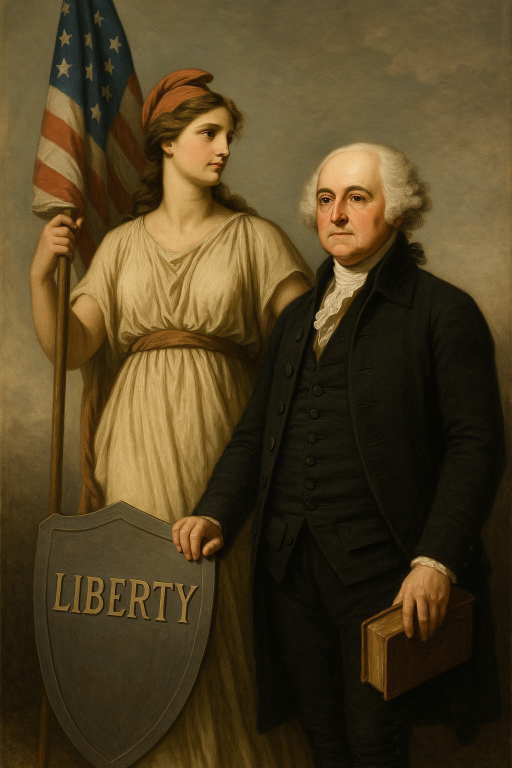
Liberty and the American Statesman: Thomas Jefferson vs. John Adams
–
Pre-registration is required.
This session explores the evolving relationship and ideological divide between John Adams and Thomas Jefferson, who went from collaborators on the Declaration of Independence to political rivals with sharply different views on…
Wealth of Nations: A Six-Part Series - Book Five Part Two
–
Pre-registration is required.
Join us for a six-part monthly virtual reading group series that celebrates the 250th anniversary of Adam Smith’s An Inquiry into the Nature and Causes of the Wealth of Nations!
Each month, Sarah Skwire and Janet Bufton (creators…
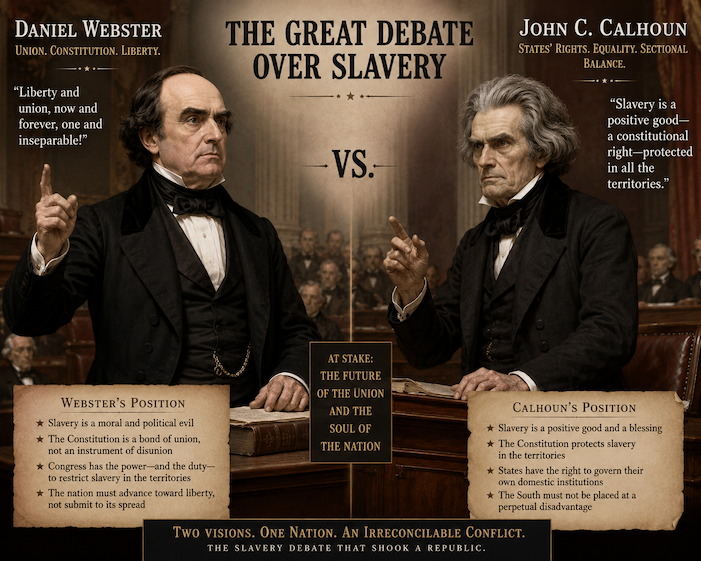
Liberty and the American Statesman: Daniel Webster vs. John Calhoun...the Slavery Debate
–
Pre-registration is required.
In this Liberty and the American Statesman VRG, we will examine the contrasting responses to the sectional crisis presented in John C. Calhoun’s “Speech on the Slavery Question” (March 4, 1850) and Daniel Webster’s “The…
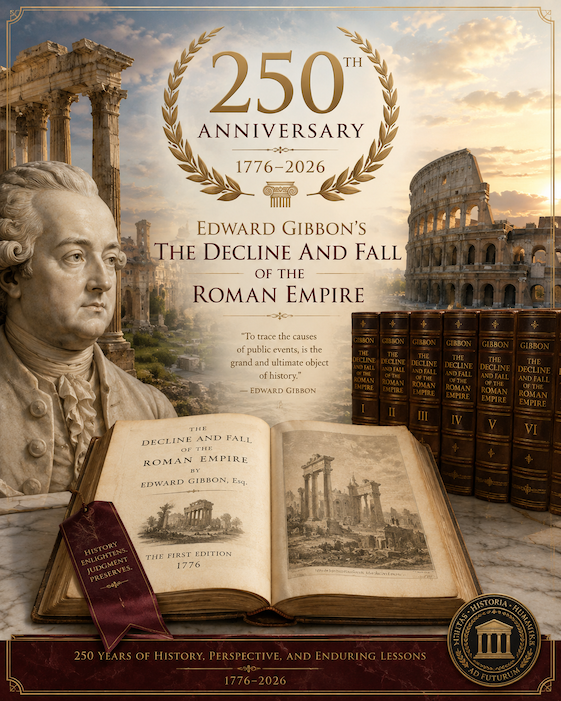
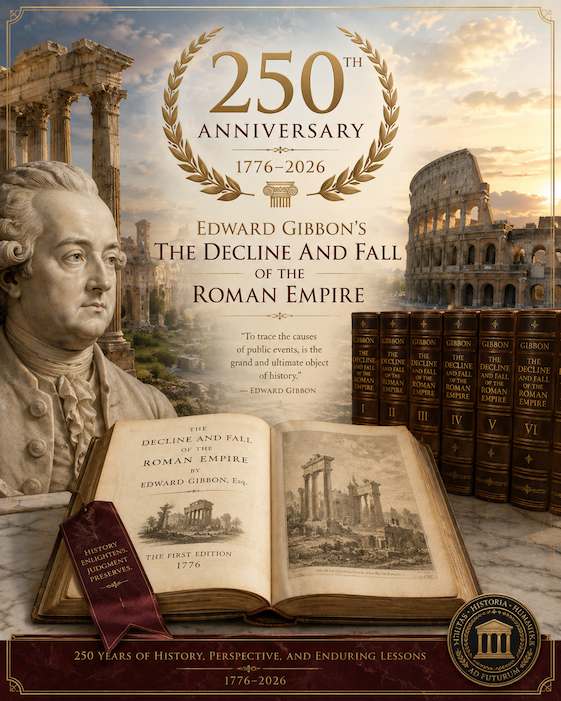
Gibbons' Decline and Fall of the Roman Empire: A Twelve-Part Series - Part One
–
Pre-registration is required.
Join us for a twelve-part monthly virtual reading group series that celebrates the 250th anniversary of Edward Gibbon’s The History of the Decline and Fall of the Roman Empire!
Each month, Peter Mentzel will lead a 90-minute…
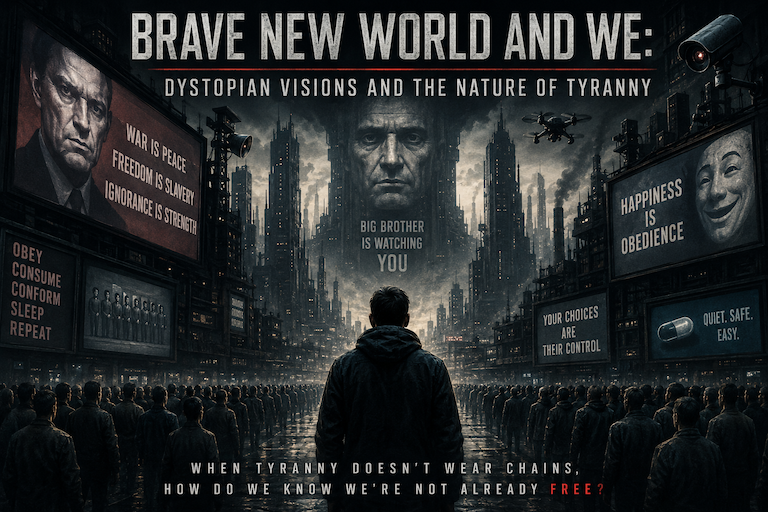
Brave New World and We: Dystopian Visions and the Nature of Tyranny
–
Pre-registration is required.
Yevgeny Zamyatin’s We, first published in English in 1924, is often considered the grandfather of dystopian science fiction and influenced classics such as Orwell’s 1984, Vonnegut’s Player Piano, and Rand’s Anthem. In this…
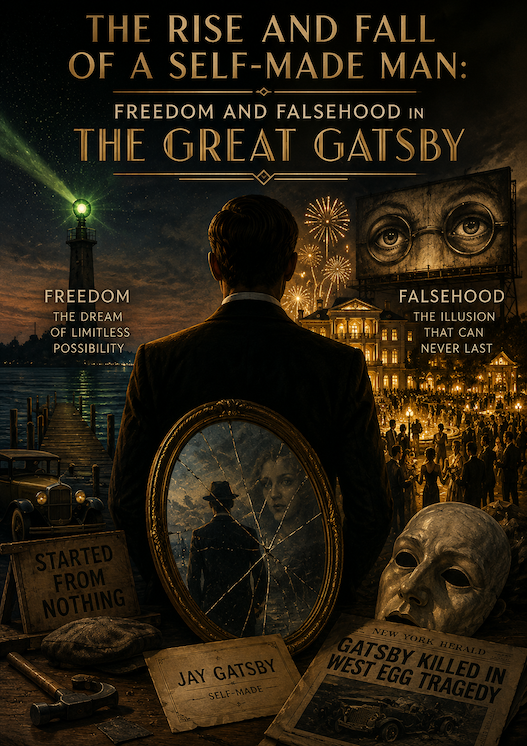
The Rise and Fall of a Self-Made Man: Freedom and Falsehood in The Great Gatsby
–
Pre-registration is required.
The Great Gatsby is one of America’s most-read novels, in large part because of its use in countless high school and college English classes. It offers the story of Jay Gatsby as told by Nick Carraway, his new neighbor. It…
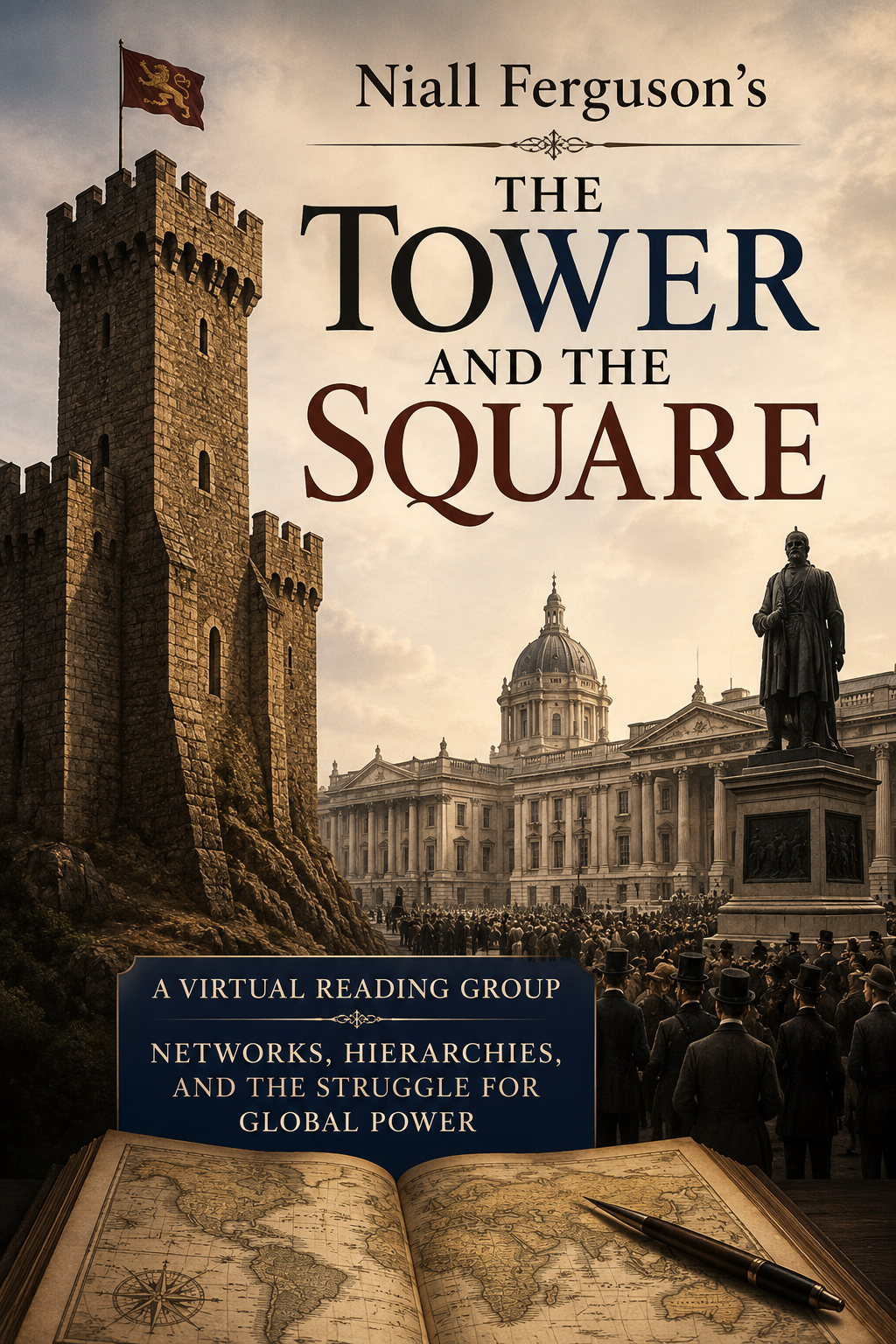
Niall Ferguson's The Square and the Tower
–
Pre-registration is required.
Join Aeon Skoble for a three-session VRG exploring Niall Ferguson’s The Square and the Tower, an ambitious examination of the dynamic relationship between hierarchies and networks throughout history. As participants work through…
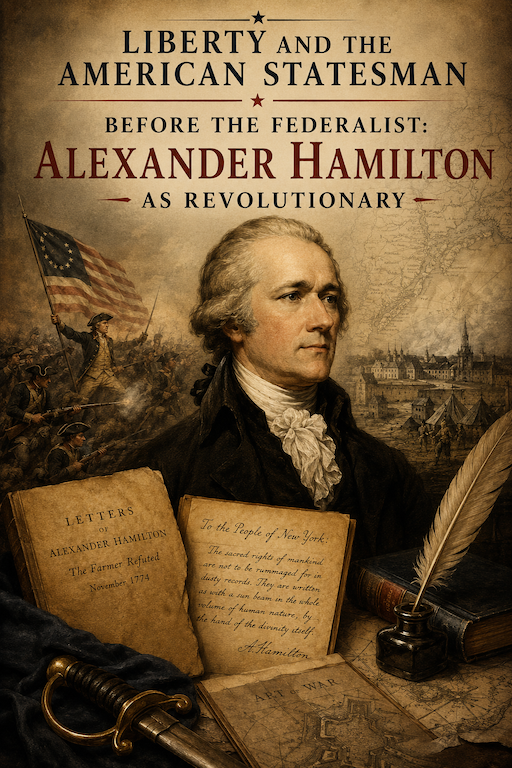
Liberty and the American Statesman: Before The Federalist: Alexander Hamilton as Revolutionary
–
Pre-registration is required.
How did Hamilton become Hamilton? His earliest writing in favor of the American colonial cause evinced all the marks of a limited government Whig seeking redress for imperial overreach and violation of rights. By the end of the…
Gibbon's Decline and Fall of the Roman Empire: A Twelve-Part Series: Part Two
–
Pre-registration is required.
Join us for a twelve-part monthly virtual reading group series that celebrates the 250th anniversary of Edward Gibbon’s The History of the Decline and Fall of the Roman Empire!
Each month, Peter Mentzel will lead a 90-minute…
Past Sessions
Liberty and the American Statesman: John Adams
–
The definition of republican government from the time of the American Revolution through the first years of the nineteenth century, drew from a diverse well of ideas about law, the nature of “The People” and the substance of…
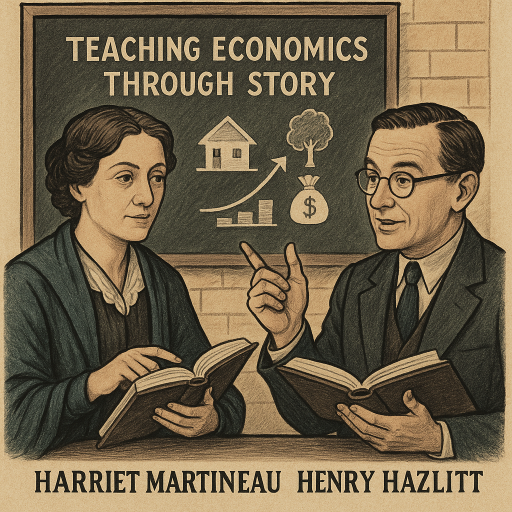
Economics Through Literature: the 19th vs. 20th Century
–
Can you teach economics through story? British sociologist Harriett Martineau pioneered the use of story to teach political economy in the 19th century. American Journalist Henry Hazlitt attempted the same thing in the mid-20th…
Liberty and Tech: Is it Spying if a Machine Does It?
–
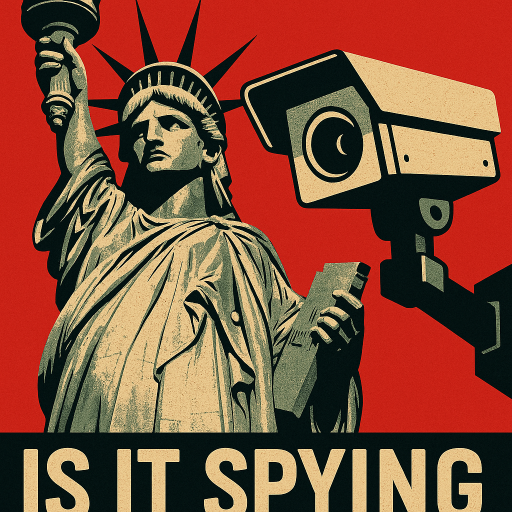
We begin with Bentham’s Letters 1, 2, 5, and 6, explaining his belief that power should be visible and unverifiable, which will lead to the betterment of the individual. The Reveley drawing helps to visualize Bentham’s plans. The…
Human Excellence and the City: Shakespeare and Plutarch on the Roman General Coriolanus
–
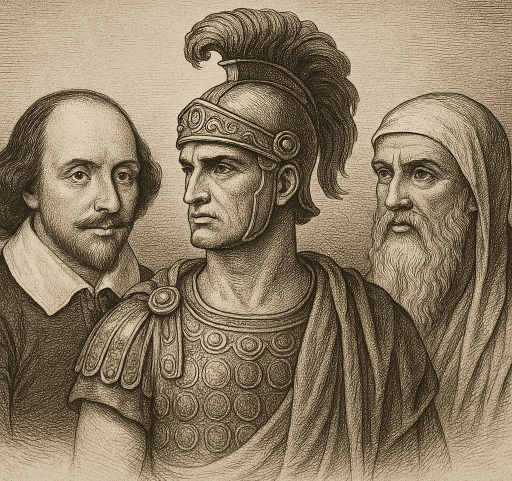
Join us as we explore Coriolanus through the lens of the two most famous accounts of his life. First, we will read Plutarch’s Life of Coriolanus, in which Plutarch tells the story of Coriolanus’s rise to greatness and the story…
Economics Through Literature: the 19th vs. 20th Century: Hazlitt
–
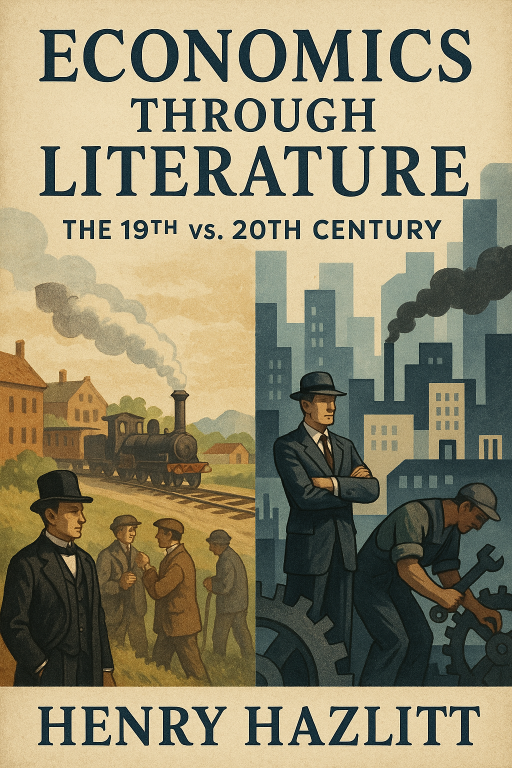
One notable mid-20th-century attempt came from American journalist and economic thinker Henry Hazlitt, who explored this method in his novel Time Will Run Back. In this work, Hazlitt combined dystopian fiction with classical…
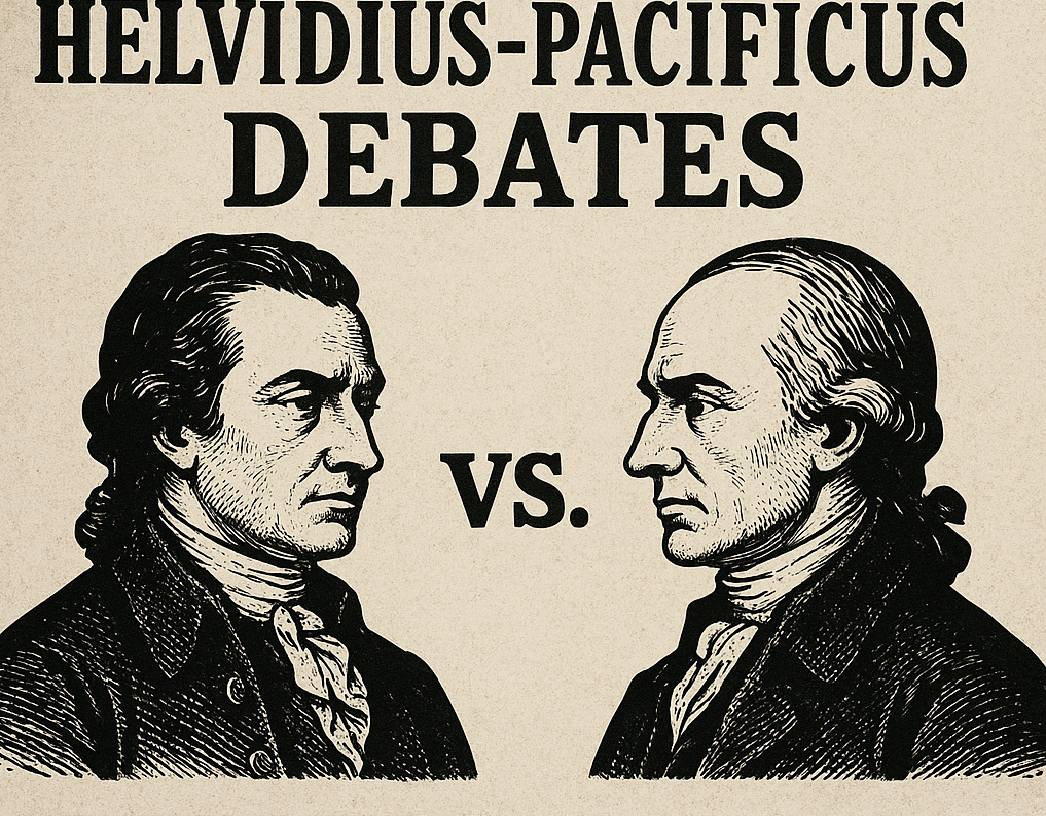
Liberty and the American Statesman: Helvidius-Pacificus Debates
–
Few figures shaped the Constitution more than Alexander Hamilton and James Madison. Once united as Publius in defense of ratification, they later clashed over the scope of executive power—Hamilton (as Pacificus) arguing for…
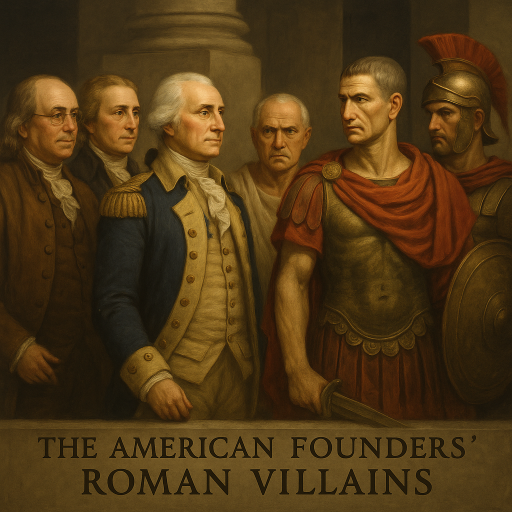
The American Founders' Roman Villains
–
Explore the American founders’ lifelong study of Roman history to assess what their study of Roman villains taught them about the need for vigilance and methods of preventing tyranny. Each of the sessions will focus on a…
Economics Through Literature: the 19th vs. 20th Century: Martineau
–
In her series Illustrations of Political Economy, including the story For Each and For All, Martineau sought to make complex ideas of political economy accessible to general readers by embedding them within narratives featuring…