Virtual Reading Groups
Would you like to join interesting people and have interesting conversations based on readings from the history of liberty?
Free Participation! | Powered by Zoom
Our Virtual Reading Groups will each focus on a particular topic, and a common set of readings will form the basis for our discussions. Each group is facilitated by a professional moderator and is conducted online powered by Zoom.
Our Timeless Reading Groups are asynchronous and open to all in the Portal platform. Liberty Fund solicits a scholar to lead a discussion of a short story and/or essays that each participant will read and discuss. This format doesn’t require participants to use Zoom or “schedule” a specific time to participate.
Participation is offered at no-cost, and there is no need to be an expert on the topic for discussion! The only requirement is that participants be eager to read and engage in conversation.
Upcoming
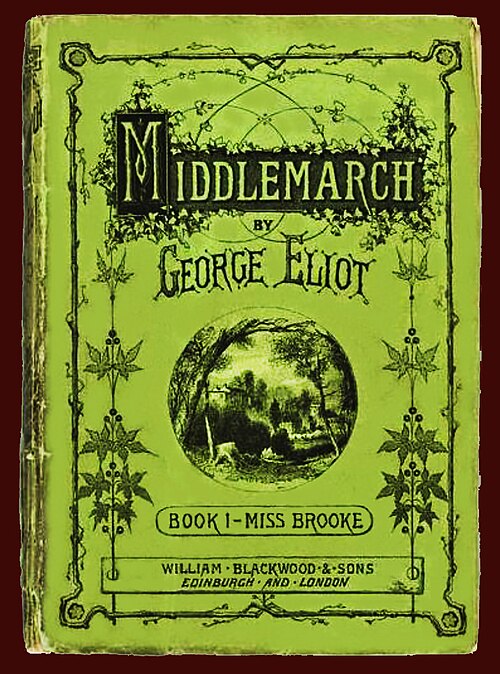
George Eliot's Middlemarch
–
Pre-registration is required.
George Eliot’s Middlemarch (1872) is widely regarded as one of the greatest English novels, shaped by her remarkable life and intellectual background. The novel explores the tension between individual freedom, social…
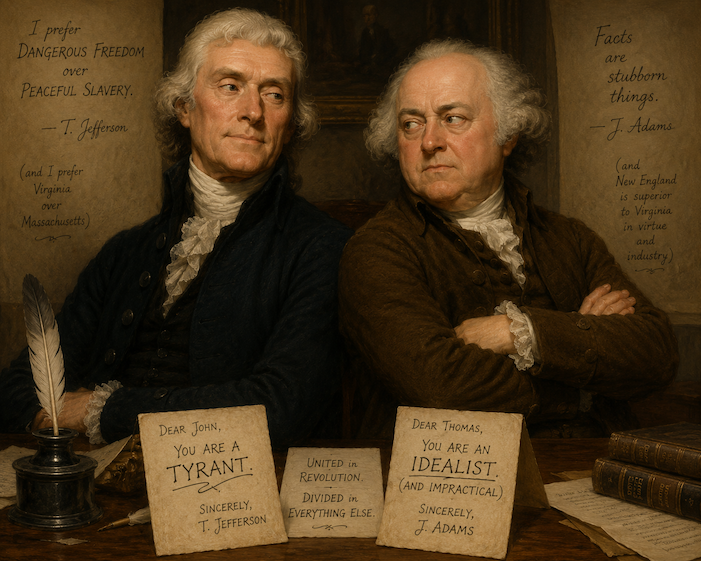
Liberty and the American Statesman: Thomas Jefferson vs. John Adams
–
Pre-registration is required.
This session explores the evolving relationship and ideological divide between John Adams and Thomas Jefferson, who went from collaborators on the Declaration of Independence to political rivals with sharply different views on…
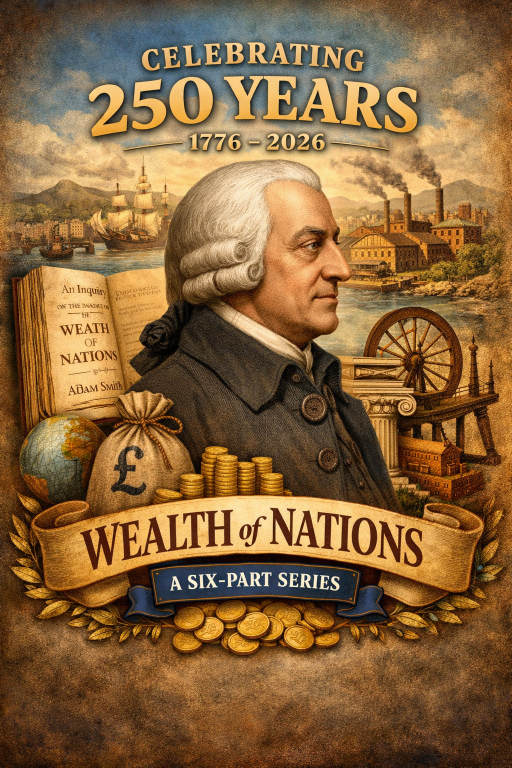
Wealth of Nations: A Six-Part Series - Book Five Part Two
–
Pre-registration is required.
Join us for a six-part monthly virtual reading group series that celebrates the 250th anniversary of Adam Smith’s An Inquiry into the Nature and Causes of the Wealth of Nations!
Each month, Sarah Skwire and Janet Bufton (creators…
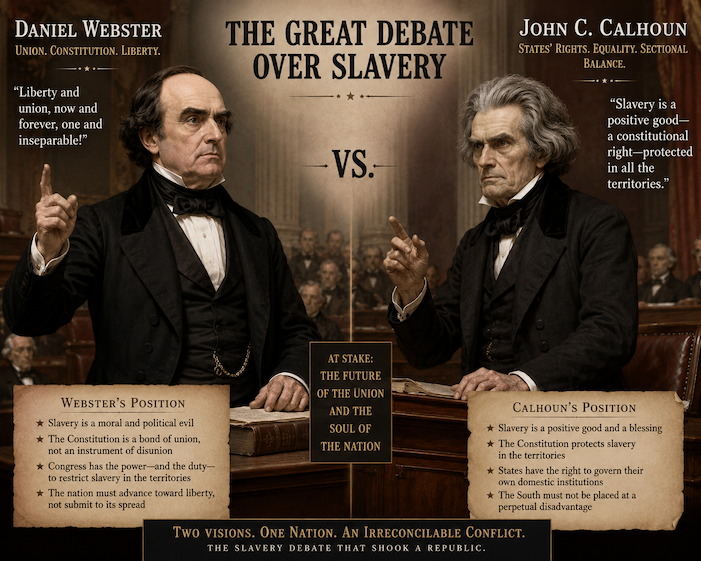
Liberty and the American Statesman: Daniel Webster vs. John Calhoun...the Slavery Debate
–
Pre-registration is required.
In this Liberty and the American Statesman VRG, we will examine the contrasting responses to the sectional crisis presented in John C. Calhoun’s “Speech on the Slavery Question” (March 4, 1850) and Daniel Webster’s “The…
Gibbons' Decline and Fall of the Roman Empire: A Twelve-Part Series - Part One
–
Pre-registration is required.
Join us for a twelve-part monthly virtual reading group series that celebrates the 250th anniversary of Edward Gibbon’s The History of the Decline and Fall of the Roman Empire!
Each month, Peter Mentzel will lead a 90-minute…
Brave New World and We: Dystopian Visions and the Nature of Tyranny
–
Pre-registration is required.
Yevgeny Zamyatin’s We, first published in English in 1924, is often considered the grandfather of dystopian science fiction and influenced classics such as Orwell’s 1984, Vonnegut’s Player Piano, and Rand’s Anthem. In this…
The Rise and Fall of a Self-Made Man: Freedom and Falsehood in The Great Gatsby
–
Pre-registration is required.
The Great Gatsby is one of America’s most-read novels, in large part because of its use in countless high school and college English classes. It offers the story of Jay Gatsby as told by Nick Carraway, his new neighbor. It…
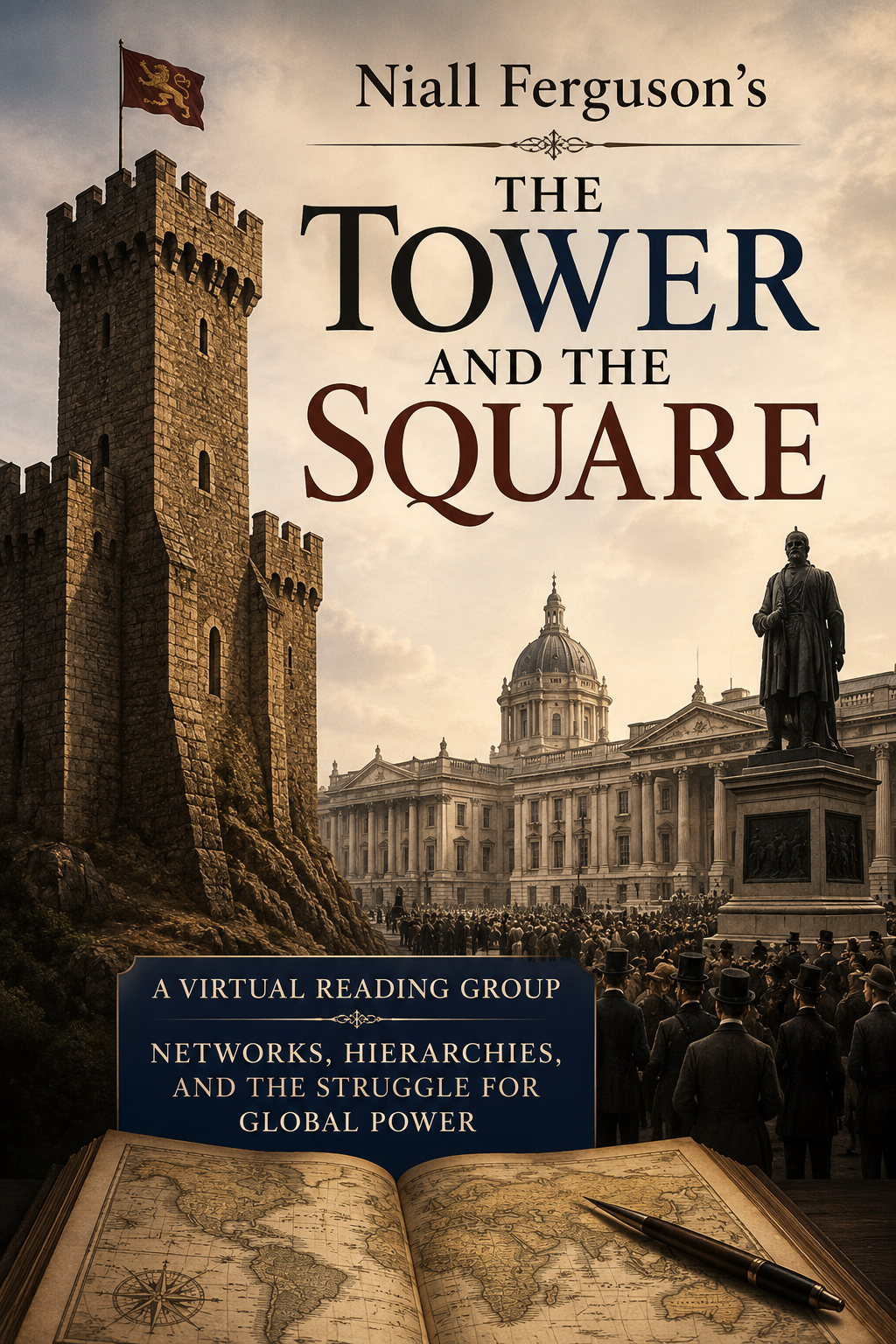
Niall Ferguson's The Square and the Tower
–
Pre-registration is required.
Join Aeon Skoble for a three-session VRG exploring Niall Ferguson’s The Square and the Tower, an ambitious examination of the dynamic relationship between hierarchies and networks throughout history. As participants work through…
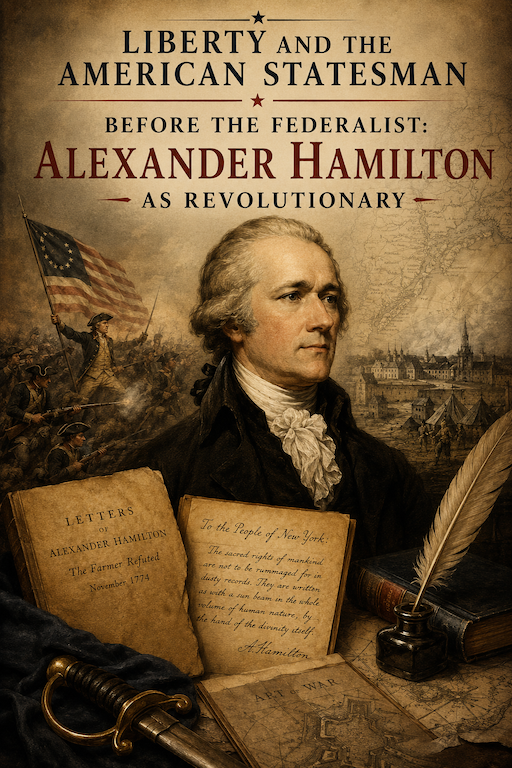
Liberty and the American Statesman: Before The Federalist: Alexander Hamilton as Revolutionary
–
Pre-registration is required.
How did Hamilton become Hamilton? His earliest writing in favor of the American colonial cause evinced all the marks of a limited government Whig seeking redress for imperial overreach and violation of rights. By the end of the…
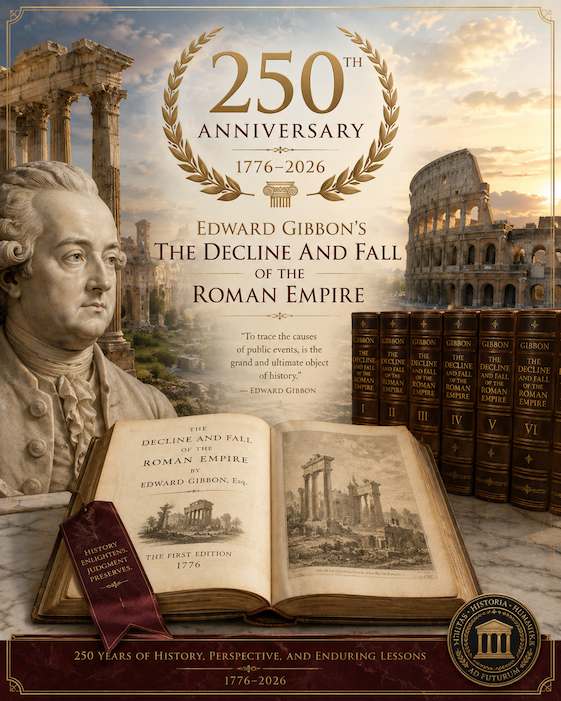
Gibbon's Decline and Fall of the Roman Empire: A Twelve-Part Series: Part Two
–
Pre-registration is required.
Join us for a twelve-part monthly virtual reading group series that celebrates the 250th anniversary of Edward Gibbon’s The History of the Decline and Fall of the Roman Empire!
Each month, Peter Mentzel will lead a 90-minute…
Past Sessions
One Fell Swoop: Reading All of Shakespeare Plays: Pericles
–
Pericles, Prince of Tyre is unique among Shakespeare’s plays, as it imports a famous medieval poet, John Gower, to serve as the narrator and interpreter of the play’s events. Neither a tragedy nor a comedy, but combining elements…
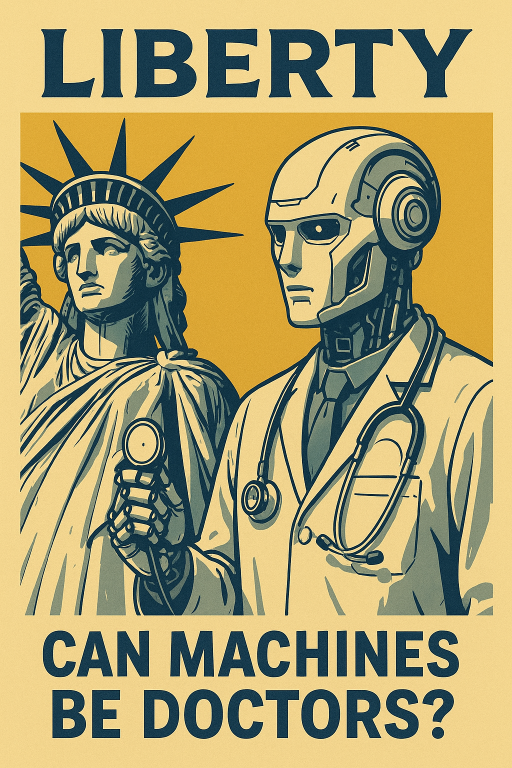
Liberty and Tech: Can Machines be Doctors?
–
We will read a chapter from Joseph Schumpeter’s 1942 book Capitalism, Socialism and Democracy about how technology brings waves of annihilation and then creation, as well as an article from Nature about how this disruption is…
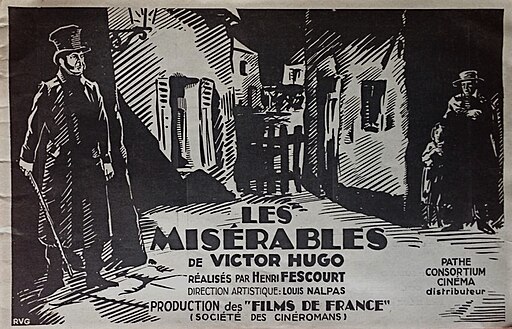
Victor Hugo’s Les Miserables: Revolution, Moral Transformation, and the Human Condition
–
Considered one of the first modern novels, Les Misérables examines society’s role in criminal behavior, charity, and compassion in the face of misery, poverty, and injustice. Along the way, Hugo shares his trademark social…
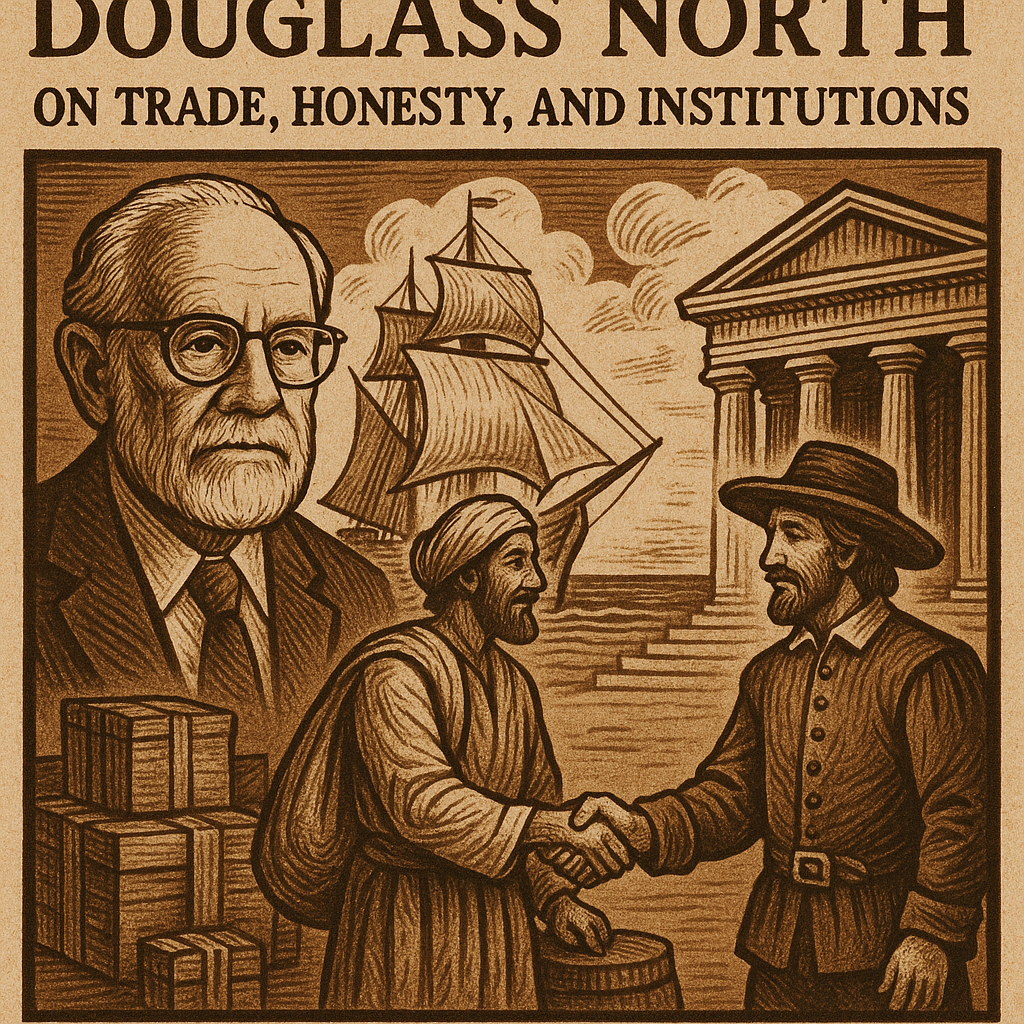
A Timeless Reading Group: Douglass North on Trade, Honesty, and Institutions
–
Today, the role of institutions in facilitating trade worldwide remains as crucial as it was during the medieval period. For example, historical institutions like the Law Merchant and private judges helped revive trade by…
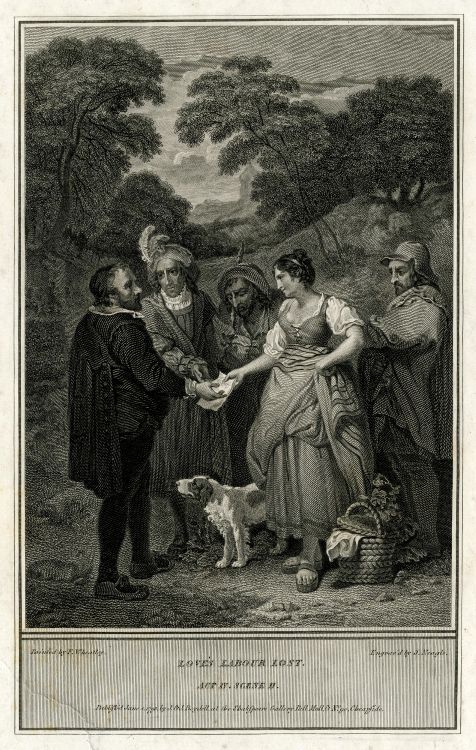
One Fell Swoop: Reading All of Shakespeare Plays: Love's Labour's Lost
–
What is love? (Baby, don’t hurt me.) Shakespeare’s play is an extended, linguistically pyrotechnical exploration of the nature of love and its pleasure, dangers, and distractions. How does the play suggest we balance love and…
The Mirror and the Light and the Tragedy of Politics
–
The final book of Hilary Mantel’s Wolf Hall series winds up in a familiar Tudor place: the block. We left Thomas Cromwell at the height of his powers, his enemies annihilated, his revenge for the ignominious death of his mentor…

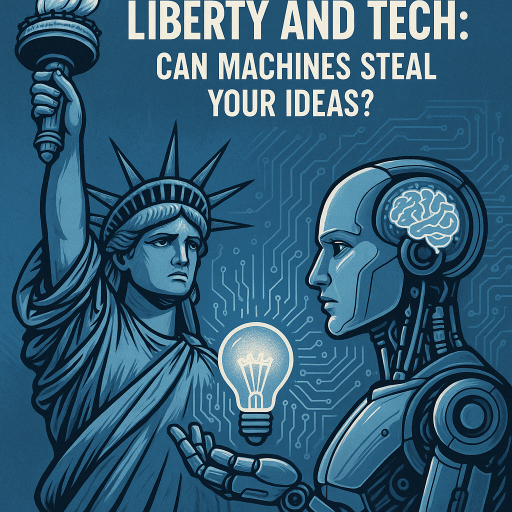
Liberty and Tech: Can Machines Steal Your Ideas?
–
Explore how intellectual property applies to the modern world of AI. The original article defining “intellectual property” by Lysander Spooner (who also founded his own post office because he thought the USPS was…
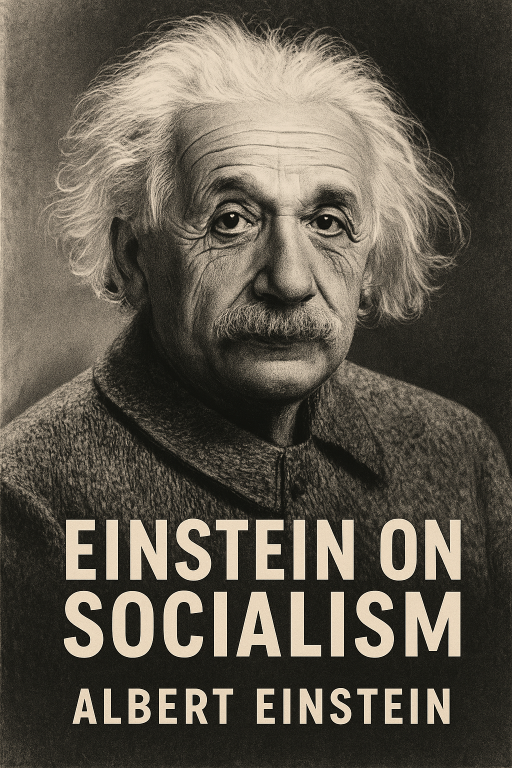
Albert Einstein on Socialism
–
Albert Einstein is often considered one of the greatest geniuses of the modern world for his work in physics. Einstein was also a socialist. He had fled the National Socialist German Workers' Party, and lived in the US during the…