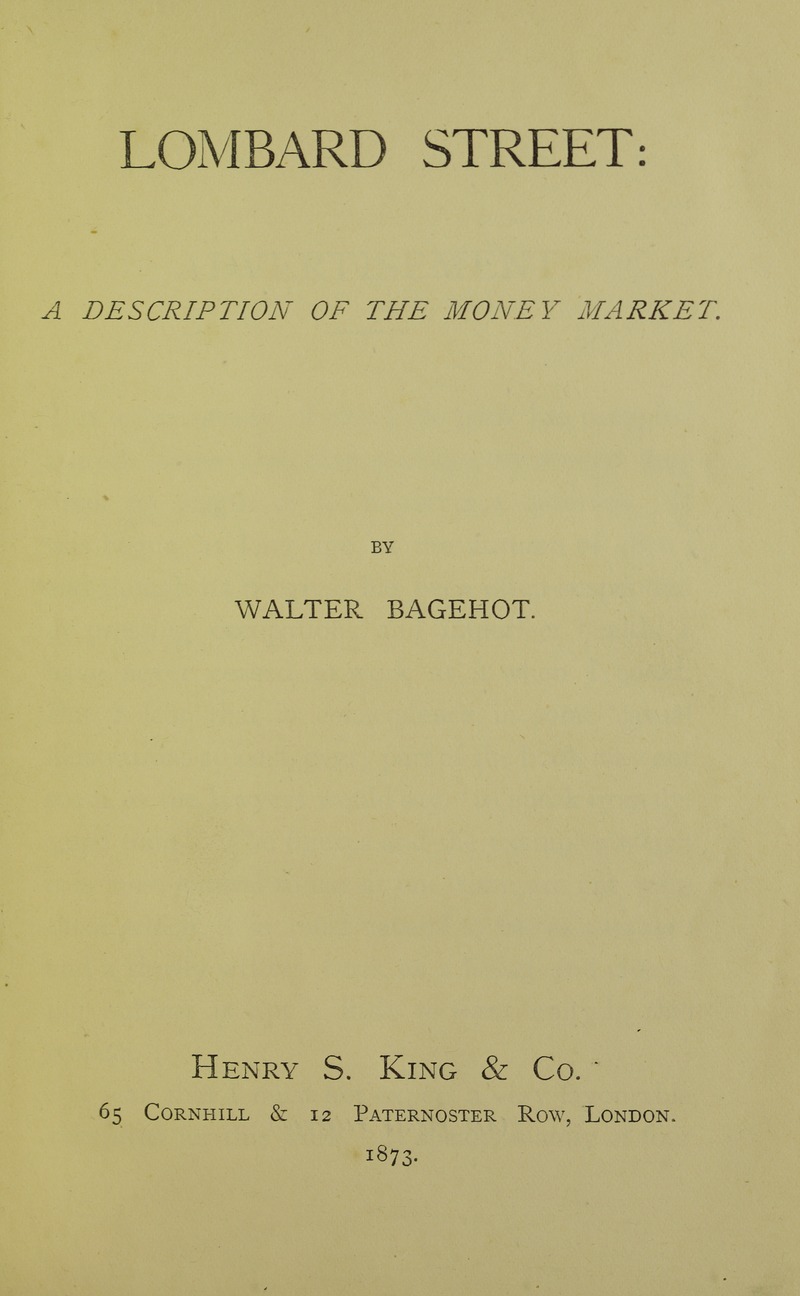
Lombard Street: A Description of the Money Market
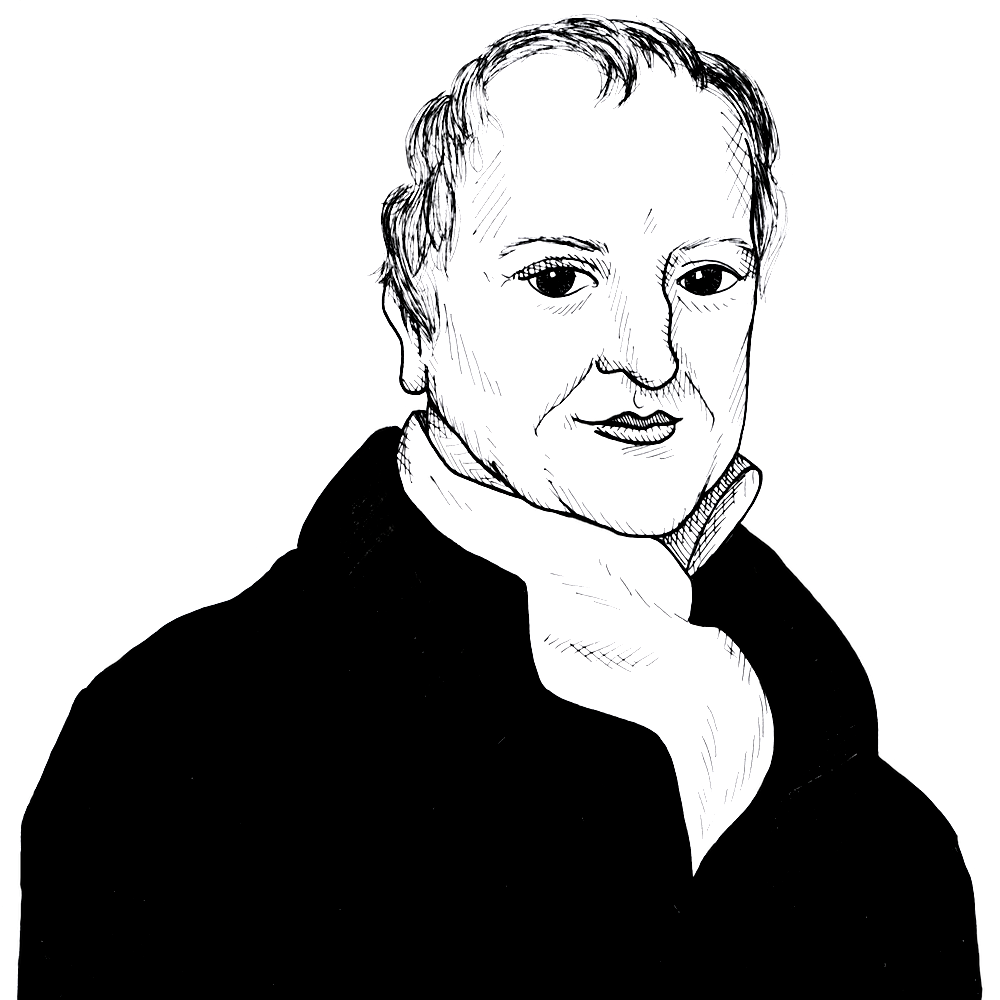
- Walter Bagehot (author)
When Walter Bagehot wrote Lombard Street: A Description of the Money Market, in 1873, he did the unthinkable: In language as fresh and clear today as it was over 100 years ago, he respectfully dissected the Bank of England’s foundations, economic incentives, goals, and functions. In the process, he illuminated in a mere few hundred brilliant pages what distinguishes a Central Bank from a commercial bank, both on a daily basis and during crises such as bank panics and recessions.
Table of Contents
- Back to Top
- THE MONEY MARKET.
- CONTENTS
- Econlib Editor's Notes
- Advertisement
- Prefatory Note to the Eleventh Edition
- Prefatory Note to the Twelfth Edition
- LOMBARD STREET TO-DAY by Hartley Withers
- The Cheque Currency of To-day.
- The Banknote and the Fiduciary Issue.
- The Power of the Outer Banks.
- The Problem Modified.
- LOMBARD STREET.
- Chapter I: Introductory
- Chapter II: A General View of Lombard Street
- I
- II
- Chapter III: How Lombard Street Came to Exist, and Why It Assumed Its Present Form
- I
- II.
- Chapter IV: The Position of the Chancellor of the Exchequer in the Money Market
- Chapter V: The Mode in Which the Value of Money is Settled in Lombard Street
- Chapter VI: Why Lombard Street Is Often Very Dull, and Sometimes Extremely Excited
- Chapter VII: A More Exact Account of the Mode in Which the Bank of England Has Discharged Its Duty of Retaining a Good Bank Reserve
- II.
- Chapter VIII: The Government of the Bank of England
- Chapter IX: The Joint Stock Banks
- Chapter X: The Private Banks
- Chapter XI: The Bill-Brokers
- Chapter XII: The Principles Which Should Regulate the Amount of Banking Reserve to be Kept by the Bank of England
- Chapter XIII: Conclusion
- Appendix I
- Note A. Liabilities and Cash Reserve of the Chief Banking Systems.
- Note B. Extract from Evidence Given by Mr. Alderman Salomons before House of Commons Select Committee in 1858.
- Note C. Statement of Circulation and Deposits of the Bank of Dundee at Intervals of Ten Years between 1764 and 1864.
- Note D. Meeting of the Proprietors of the Bank of England. September 13, 1866. (From 'Economist,' September 22, 1866.)
- Appendix II By E. Johnstone
- Note I
- NOTE II
Related People
Critical Responses
Article
Currency School versus Banking School: an ongoing confrontationCharles Goodhart and Meinhard Jensen
Charles Goodhart and Jensen Meinhard argue in their 2015 article “Currency School versus Banking School: an ongoing confrontation” that the controversy Bagehot supposed “solved” with the arrangements put in place by the Peel’s Act of 1844 are far from over.
Book
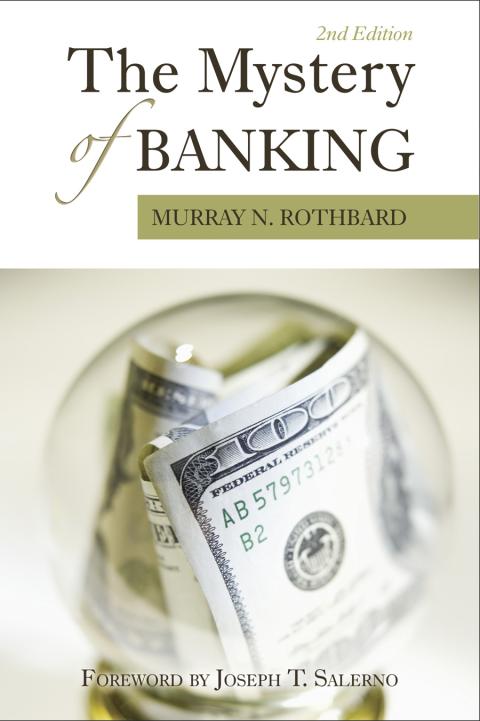
The Mystery of BankingMurray N. Rothbard
Murray Rothbard, in his book “The Mystery of Banking” offers not only a different account of the banking system created in England in 1844, but a different perspective on fractional reserve banking and central banking than the one offered by Walter Bagehot in Lombard Street.
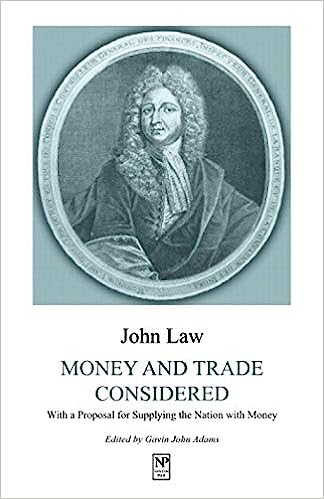
Book
Money and Trade Considered: With a Proposal for Supplying the Nation with MoneyJohn Law
Written to prompt political and economic change in Scotland, Money and Trade Considered introduced the public to John Law’s proposals for establishing new systems of banking and paper money. A pioneering work of staggering originality and clarity, it revealed Law’s formulation of several of the…