Virtual Reading Groups
Would you like to join interesting people and have interesting conversations based on readings from the history of liberty?
Free Participation! | Powered by Zoom
Our Virtual Reading Groups will each focus on a particular topic, and a common set of readings will form the basis for our discussions. Each group is facilitated by a professional moderator and is conducted online powered by Zoom.
Our Timeless Reading Groups are asynchronous and open to all in the Portal platform. Liberty Fund solicits a scholar to lead a discussion of a short story and/or essays that each participant will read and discuss. This format doesn’t require participants to use Zoom or “schedule” a specific time to participate.
Participation is offered at no-cost, and there is no need to be an expert on the topic for discussion! The only requirement is that participants be eager to read and engage in conversation.
Upcoming
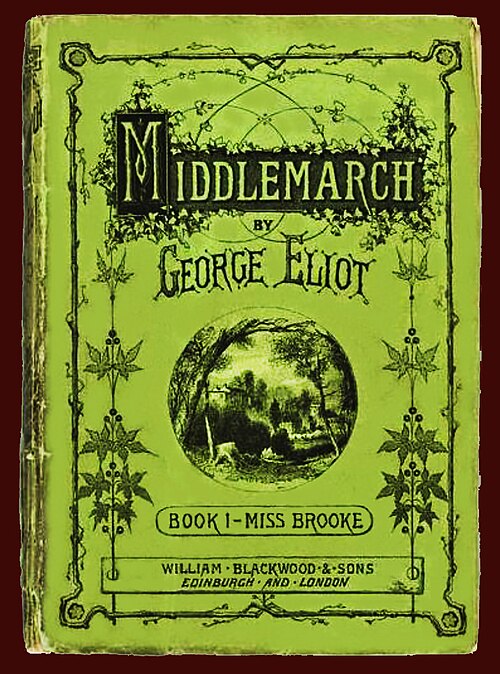
George Eliot's Middlemarch
–
Pre-registration is required.
George Eliot’s Middlemarch (1872) is widely regarded as one of the greatest English novels, shaped by her remarkable life and intellectual background. The novel explores the tension between individual freedom, social…
Liberty and the American Statesman: Thomas Jefferson vs. John Adams
–
Pre-registration is required.
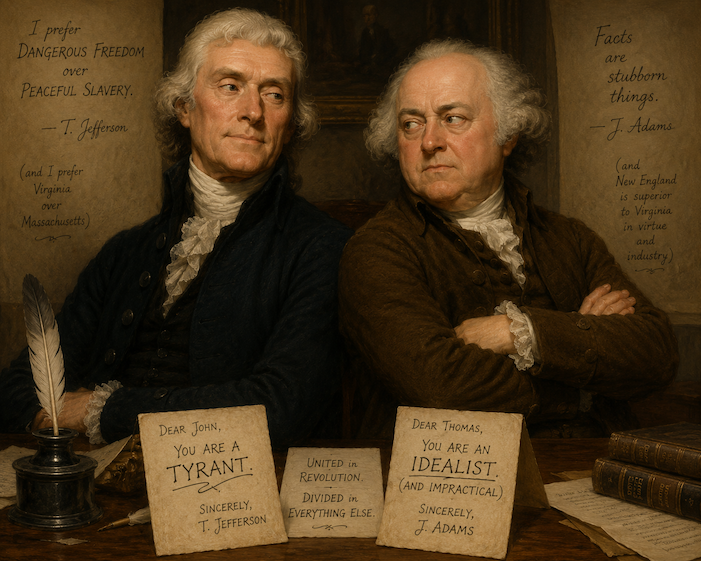
This session explores the evolving relationship and ideological divide between John Adams and Thomas Jefferson, who went from collaborators on the Declaration of Independence to political rivals with sharply different views on…
Wealth of Nations: A Six-Part Series - Book Five Part Two
–
Pre-registration is required.
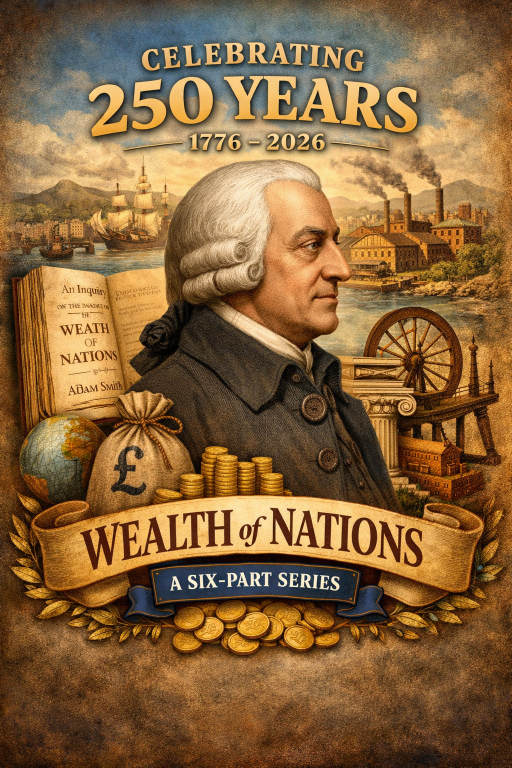
Join us for a six-part monthly virtual reading group series that celebrates the 250th anniversary of Adam Smith’s An Inquiry into the Nature and Causes of the Wealth of Nations!
Each month, Sarah Skwire and Janet Bufton (creators…
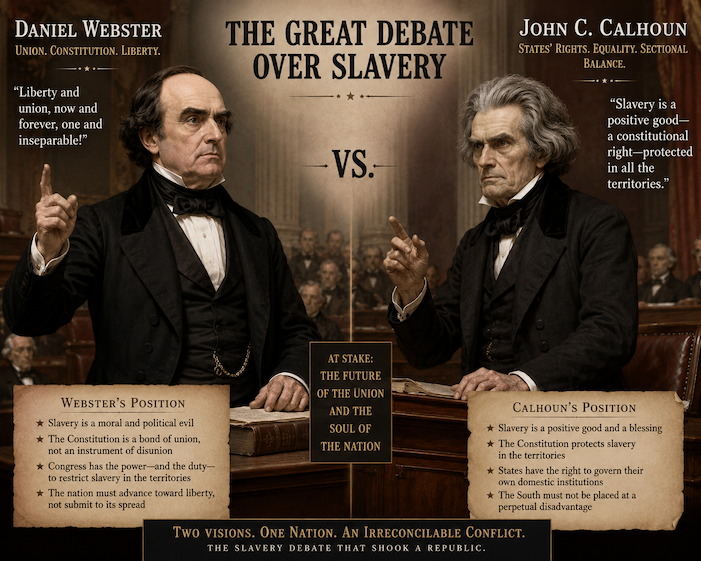
Liberty and the American Statesman: Daniel Webster vs. John Calhoun...the Slavery Debate
–
Pre-registration is required.
In this Liberty and the American Statesman VRG, we will examine the contrasting responses to the sectional crisis presented in John C. Calhoun’s “Speech on the Slavery Question” (March 4, 1850) and Daniel Webster’s “The…
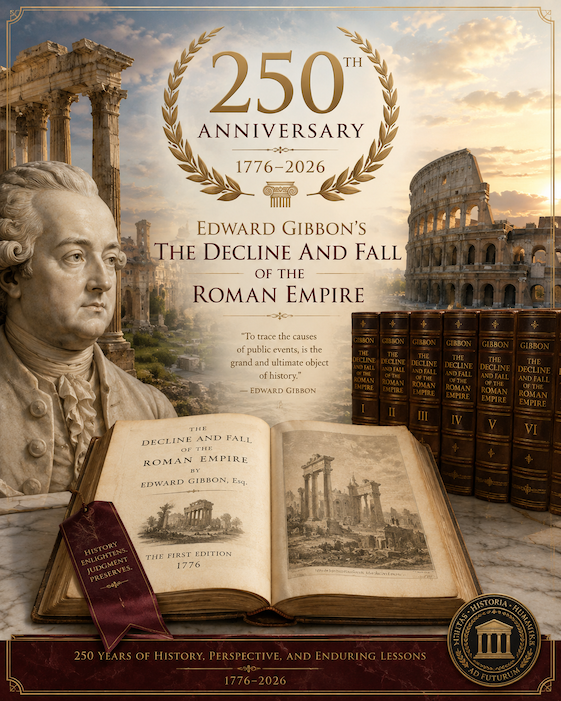
Gibbons' Decline and Fall of the Roman Empire: A Twelve-Part Series - Part One
–
Pre-registration is required.
Join us for a twelve-part monthly virtual reading group series that celebrates the 250th anniversary of Edward Gibbon’s The History of the Decline and Fall of the Roman Empire!
Each month, Peter Mentzel will lead a 90-minute…
Brave New World and We: Dystopian Visions and the Nature of Tyranny
–
Pre-registration is required.
Yevgeny Zamyatin’s We, first published in English in 1924, is often considered the grandfather of dystopian science fiction and influenced classics such as Orwell’s 1984, Vonnegut’s Player Piano, and Rand’s Anthem. In this…
The Rise and Fall of a Self-Made Man: Freedom and Falsehood in The Great Gatsby
–
Pre-registration is required.
The Great Gatsby is one of America’s most-read novels, in large part because of its use in countless high school and college English classes. It offers the story of Jay Gatsby as told by Nick Carraway, his new neighbor. It…
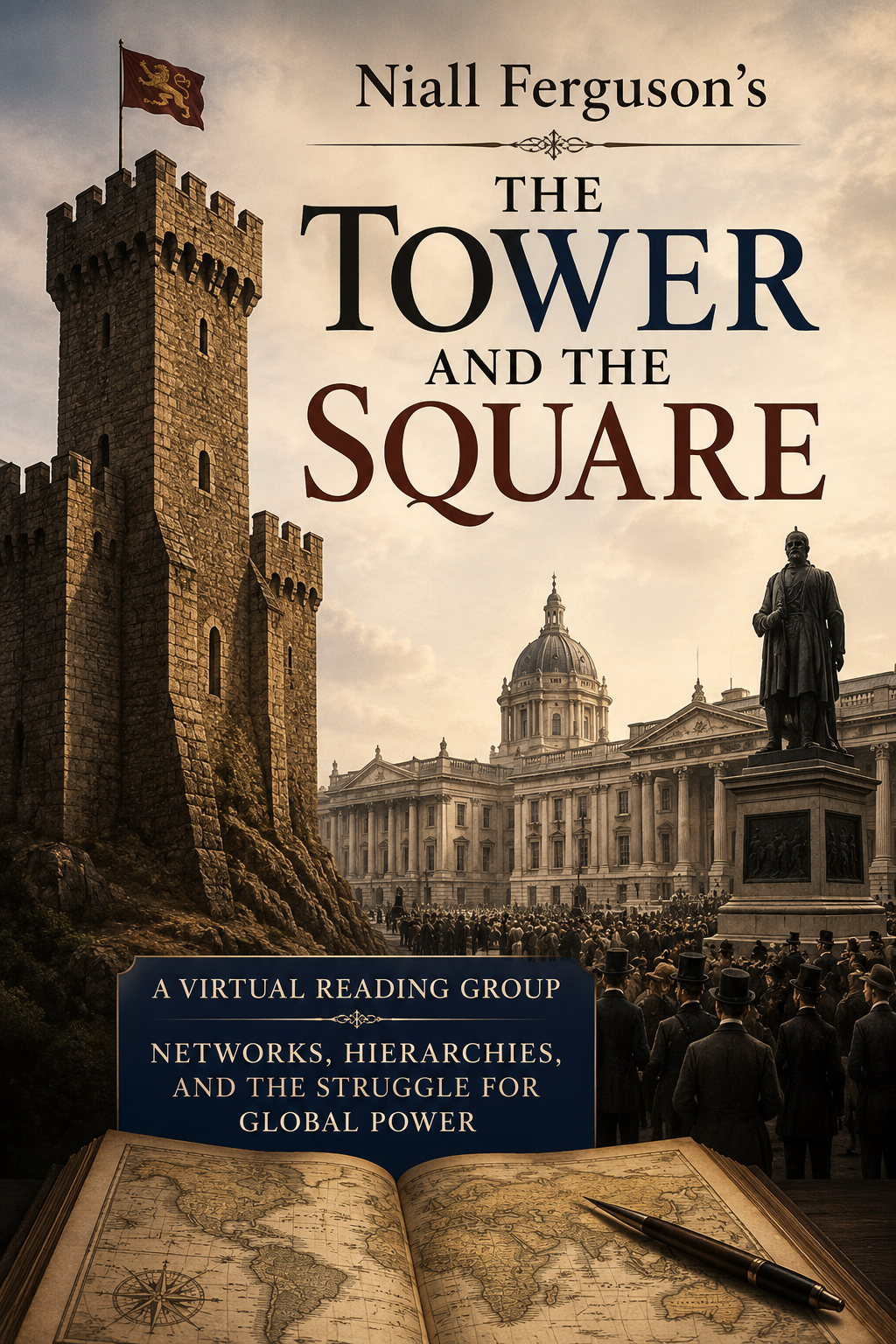
Niall Ferguson's The Square and the Tower
–
Pre-registration is required.
Join Aeon Skoble for a three-session VRG exploring Niall Ferguson’s The Square and the Tower, an ambitious examination of the dynamic relationship between hierarchies and networks throughout history. As participants work through…
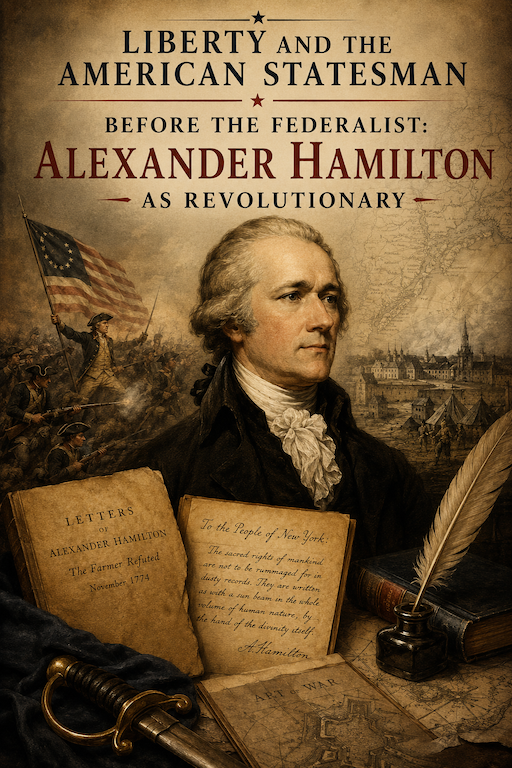
Liberty and the American Statesman: Before The Federalist: Alexander Hamilton as Revolutionary
–
Pre-registration is required.
How did Hamilton become Hamilton? His earliest writing in favor of the American colonial cause evinced all the marks of a limited government Whig seeking redress for imperial overreach and violation of rights. By the end of the…
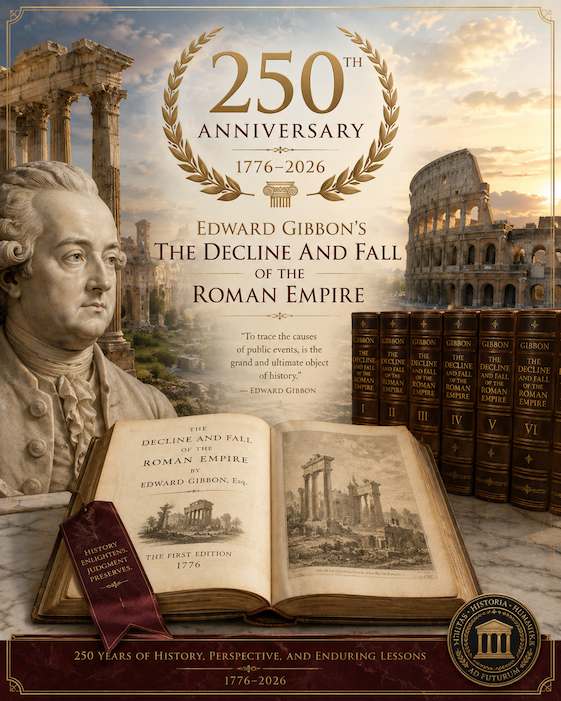
Gibbon's Decline and Fall of the Roman Empire: A Twelve-Part Series: Part Two
–
Pre-registration is required.
Join us for a twelve-part monthly virtual reading group series that celebrates the 250th anniversary of Edward Gibbon’s The History of the Decline and Fall of the Roman Empire!
Each month, Peter Mentzel will lead a 90-minute…
Past Sessions
The Presidents: Jefferson and Understanding the Declaration of Independence
–
Thomas Jefferson wrote that in drafting the Declaration of Independence he meant to give expression to “the American mind.” What does this mean? What does the Declaration tell us about the American mind as it relates to the…

Stefan Zweig’s Chess novella
–
Chess story (Schachnovelle) is Stefan Zweig’s last completed work & his most famous. It has been translated into 60 languages. It has sold many millions of copies. It is taught in schools & in colleges. It has been…

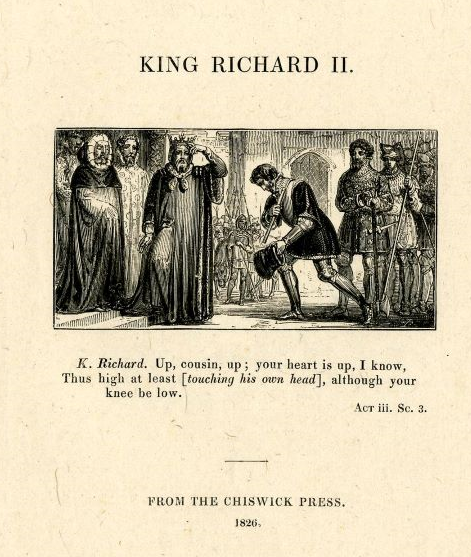
One Fell Swoop: Reading All of Shakespeare's Plays - Richard II
–
Richard II begins Shakespeare’s second tetralogy, which comprises his most famous English history plays. We will consider the play not just as a way of teeing up the Henriad, but on it’s own merits and for its own mission. What…
One Fell Swoop: Reading All of Shakespeare's Plays - Cymbeline
–
Cymbeline has been classified as a tragedy, a romance, and even a comedy, so our first order of business will be to try to understand what kind of a play this is. Lytton Strachey thought the play was evidence that playwriting had…
An Economy of Words: Adam Smith and the Political Philosophy of Language
–
Linguistic diversity, from the Tower of Babel to the present, has drawn many thinkers to speculate over language and its potential impact on political theory and approach to economic principles. Smith is no exception. Adam Smith’…
Buchanan's Moral Science and Moral Order
–
James Buchanan was a foundational scholar in our modern understanding of public choice, bringing the logic of economics to the study of political institutions. Interspersed throughout his voluminous writings on political economy,…

One Fell Swoop: Reading All of Shakespeare's Plays - Hamlet
–
It is, of course, ridiculous to tackle this masterpiece in a 90 minute session. The best we can hope to do is to pull at a few threads in the play by asking questions like: What does Hamlet have to teach us about times when our…
Sympathy and Justice in Jane Austen and Adam Smith
–
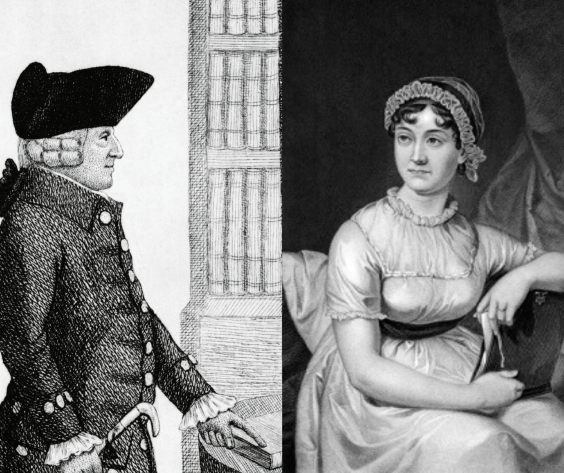
Read Jane Austen’s Pride and Prejudice, Catherine, or The Bower, and Sandition with bright eyes alongside Adam Smith’s The Theory of Moral Sentiments to explore themes of sympathy, duty, propriety, and the rules of justice. How…