EconlibThe LibraryOther Sites |
Front Page Titles (by Subject) CHAP. XLII.: Admission to citizenship; training of the Ephebi. - Constitution of Athens
Return to Title Page for Constitution of AthensThe Online Library of LibertyA project of Liberty Fund, Inc.Search this Title:Also in the Library:
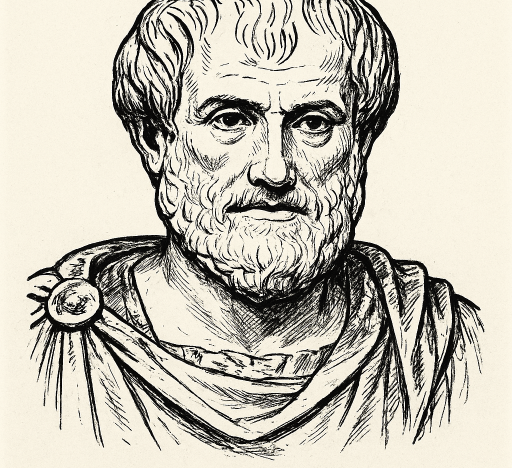
CHAP. XLII.: Admission to citizenship; training of the Ephebi. - Aristotle, Constitution of Athens [320 BC]Edition used:Aristotle’s Constitution of Athens, trans. Thomas J. Dymes (London: Seeley and Co., 1891).
About Liberty Fund:Liberty Fund, Inc. is a private, educational foundation established to encourage the study of the ideal of a society of free and responsible individuals. Copyright information:The text is in the public domain. Fair use statement:This material is put online to further the educational goals of Liberty Fund, Inc. Unless otherwise stated in the Copyright Information section above, this material may be used freely for educational and academic purposes. It may not be used in any way for profit.
CHAP. XLII.Admission to citizenship; training of the Ephebi.The present constitution is as follows: Political rights belong to those whose parents are citizens on both sides. When they are eighteen years old they are enrolled as members of their deme. When a candidate is proposed, the members of the deme decide by vote about him on oath; first, if they consider him to be of the proper legal age; if they decide against it, he returns to the class of children; and secondly, if he is freeborn and his birth according to the laws. Then, if they decide that he is not freeborn, the candidate appeals to the court of justice, and the members of the deme choose of their number five plaintiffs, and if it is decided that he is not rightly enrolled, the state sells him; but if he gains the day, it is compulsory on the deme to enrol him as a member. After this the Council examines the candidates who have been enrolled, and if any is found to be less than eighteen years old, it fines the members of the deme who enrolled him. When they have passed as Ephebi (i.e., arrived at man’s estate), their fathers assemble in their tribes, and on oath select three of their tribesmen above forty years of age, whom they consider to be most worthy and suitable to have charge of the Ephebi, and from them the people votes one of each tribe, selected as their moderator and superintendent in everything from the whole body of Athenians. And, taking charge of the Ephebi, first they make a circuit of the sacred places, then they proceed to Peiræus, and some of the Ephebi garrison Munychia, and the rest the shore. The people votes them also two gymnastic-masters and teachers, who instruct them in the use of arms, shooting, hurling, and working the catapult. It gives for maintenance to the moderators a drachma a day each, and to the Ephebi four obols each. And each moderator, taking the money of his own tribesmen, buys what is necessary for all in common (for they take their meals together by their tribes), and provides for everything else. They pass their first year in this way. The next, at a meeting of the Assembly in the theatre, they display before the people their drill-practice, and receiving a spear and shield from the state, patrol the country and live in garrisons. They act as guards for their two years, wearing cloaks, and have immunity from all public burdens. They are not allowed either to bring or defend an action, to prevent their being connected in any way with business, except in cases of inheritance and of an only daughter and heiress, or where a question of family priesthood arises. On the expiry of the two years they at once rank with the rest. Such, then, are the regulations regarding the enrolment of citizens and the Ephebi. |

Titles (by Subject)