EconlibThe LibraryOther Sites |
Front Page Titles (by Subject) CHAP. XXXIV.: Arginusæ Ægospotami Lysander and establishment of the oligarchy. - Constitution of Athens
Return to Title Page for Constitution of AthensThe Online Library of LibertyA project of Liberty Fund, Inc.Search this Title:Also in the Library:
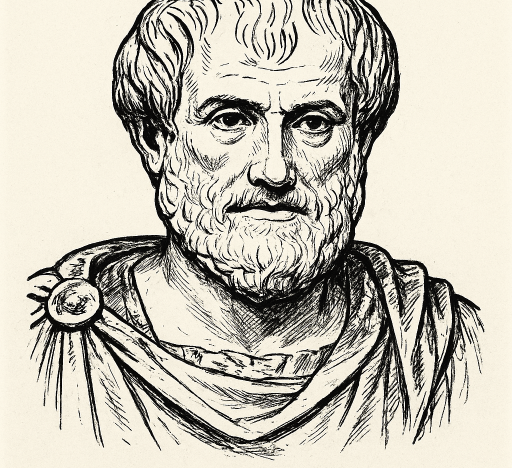
CHAP. XXXIV.: Arginusæ Ægospotami Lysander and establishment of the oligarchy. - Aristotle, Constitution of Athens [320 BC]Edition used:Aristotle’s Constitution of Athens, trans. Thomas J. Dymes (London: Seeley and Co., 1891).
About Liberty Fund:Liberty Fund, Inc. is a private, educational foundation established to encourage the study of the ideal of a society of free and responsible individuals. Copyright information:The text is in the public domain. Fair use statement:This material is put online to further the educational goals of Liberty Fund, Inc. Unless otherwise stated in the Copyright Information section above, this material may be used freely for educational and academic purposes. It may not be used in any way for profit.
CHAP. XXXIV.Arginusæ Ægospotami Lysander and establishment of the oligarchy.However, the people quickly stripped them of their power; for in the seventh year from the overthrow of the four hundred, in the archonship of Kallias of Angele, after the sea-fight at Arginusæ, it happened, in the first place, that the ten victorious generals of the sea-fight were all condemned by one vote, though some of them had not even taken part in the battle, and others were themselves saved on another vessel, for the people had been grossly deluded by those who had worked upon its angry mood. And, secondly, when the Lacedæmonians wished to retire from Dekelea and return home and conclude peace on the terms that each side should retain what they held, some were anxious for it, but the masses would not listen to the proposal, grossly deluded as they were by Kleophon, who prevented peace from being made. He came to the assembly drunk and with his breastplate on, declaring that he would not allow it unless the Lacedæmonians gave up all the cities. And when things did not prosper with them, no long time after they discovered their mistake; for in the following year, in the archonship of Alexias, befell the disastrous seafight at Ægospotami, the result of which was that Lysander made himself master of the government, and established the thirty in the following manner. When they had made peace on the condition that they should live under the form of government which they had inherited from their fathers, on the one hand the popular side was trying to preserve the democracy; while on the other, of the upper classes such as belonged to the political clubs, and the exiles who had returned after the peace, were desirous of an oligarchy, and those who were not members of any club, but otherwise had the character of being inferior to none of their fellow-citizens, were seeking for the form of government inherited from their fathers. Amongst this number were Archinus, Anytus, Kleitophon, Phormisios, and several others, and at the head of them Theramenes was conspicuous. When Lysander attached himself to the oligarchs, the people were terror-stricken and compelled to vote for the oligarchy. Drakontides of Aphidnæ proposed the vote. |

Titles (by Subject)