Econlib

The Library

Other Sites

Front Page arrow Titles (by Subject) arrow 10.: ENGLAND's Great Interest, in the Choice of this New Parliament Dedicated to All Her Free-Holders and Electors (1679) - The Political Writings of William Penn

Return to Title Page for The Political Writings of William Penn

Search this Title:

Also in the Library:

Subject Area: Political Theory
Subject Area: Religion
Debate: Religious Toleration
Order this book from Liberty Fund

10.: ENGLAND’s Great Interest, in the Choice of this New Parliament Dedicated to All Her Free-Holders and Electors (1679) - William Penn, The Political Writings of William Penn [1670]

Edition used:

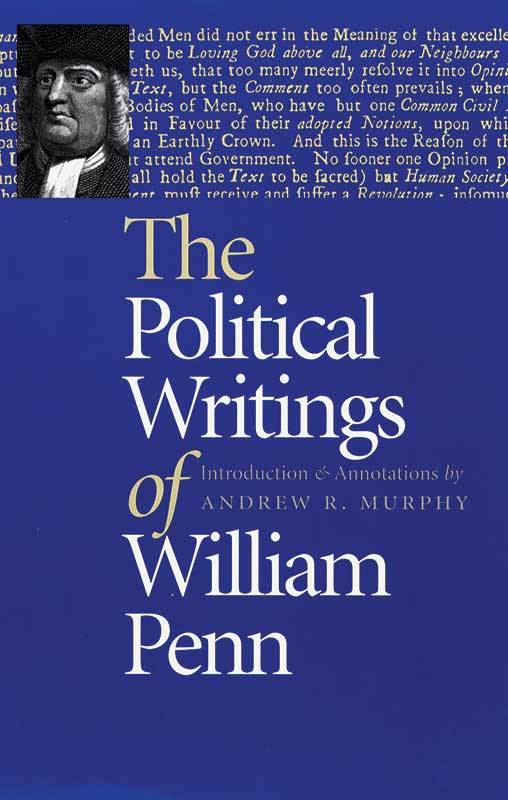
The Political Writings of William Penn, introduction and annotations by Andrew R. Murphy (Indianapolis: Liberty Fund, 2002).

About Liberty Fund:

Liberty Fund, Inc. is a private, educational foundation established to encourage the study of the ideal of a society of free and responsible individuals.


10.

ENGLAND’s Great Interest, in theChoiceof this New ParliamentDedicated to All Her Free-Holders and Electors (1679)

SINCE it hath pleased God and the King, to begin to revive and restore to us our Ancient Right of Frequent Parliaments, it will greatly concern us, as to our present Interest, and therein the Future Happiness of our Posterity, to act at this Time with all the Wisdom, Caution and Integrity we can. For besides, that ’tis our own Business, and that if by a Neglect of this Singular Opportunity, we desert our Selves, and forsake our own Mercies, We must expect to be Left of God, and Good Men too. It may be there has never happened, not only in the Memory of the Living, but in the Records of the Dead, so odd and so strange a Conjuncture as this we are under. It is made up of so many unusual and important Circumstances (all affecting us to the very Heart) that whether we regard the Long Sitting of the Late Parliament, or it’s abrupt and most unexpected Dissolution, or the Prorogation of the last, and it’s surprising Dissolution, or the strong Jealousies of the People, and that Universal Agitation that is now upon the Spirit of the Nation, and the Reasons and Motives thereof (so far as we can reach them) there seems never to have been a Time, wherein this Kingdom ought to show it self more Serious and Diligent in the Business of it’s own Safety.

To be plain with you, All is at Stake: And therefore I must tell you, That the Work of this Parliament is,

First, To pursue the Discovery and Punishment of the Plot: For that has been the Old Snake in the Grass, the Trojan Horse, with an Army in the Belly of it.1

Secondly, To remove, and bring to Justice, those Evil Counsellors, and Corrupt and Arbitrary Ministers of State, that have been so Industrious to give the King Wrong Measures, to turn Things out of their Ancient and Legal Channel of Administration, and Alienate his Affections from his People.

Thirdly, To Detect and Punish the Pensioners of the former Parliament, in the Face of the Kingdom: This Breach of Trust, being Treason against the Fundamental Constitution of our Government.

Fourthly, To secure to us the Execution of our Ancient Laws by New Ones, and, among the rest, such as relate to Frequent Parliaments, the only True Check upon Arbitrary Ministers, and therefore feared, hated, and opposed by them.

Fifthly, That we be secur’d from Popery and Slavery, and that Protestant-Dissenters be eased.

Sixthly, That in Case this be done, the King be released from his Burdensome Debts to the Nation, and eas’d in the Business of his Revenue. And let me be free with you, if you intend to save Poor England, You must take this General Measure, viz. To guide and fix your Choice upon Men, that you have Reason to believe are Well-Affected, Able and Bold, To Serve the Country in these Respects.

The Words of the Writ, (at least, the Import of them) are, To Chuse Wise Men, Fearing God, and Hating Covetousness: And what to do? says the same Writ, To Advise the King of the Weighty Matters of the Kingdom. Let us not then play the Fools or Knaves, to Neglect or Betray the Common Interest of our Country by a base Election: Let neither Fear, Flattery, nor Gain Biass us. We must not make our Publick Choice, the Recompence of Private Favours from our Neighbours; they must excuse us for that: The Weight of the Matter will very well bear it. This is our Inheritance, All depends upon it: Men don’t use to lend their Wives, or give their Children to satisfie Personal Kindnesses; nor must we make a Swop of our Birth-Right, (and that of our Posterity too) for a Mess of Pottage,2a Feast, or a Drinking-Bout; there can be no Proportion here: And therefore none must take it ill, that we use our Freedom about that, which in it’s Constitution, is the Great Bulwark of all our Ancient English Liberties. Truly, our not considering what it is to Chuse a Parliament, and how much All is upon the Hazard in it, may, at last, Lose us Fatally by our own Choice. For I must needs tell you, if we miscarry, it will be our Own Fault; we have no Body else to blame: For such is the Happiness of our Constitution, That we cannot well be destroy’d, but by our selves: And what Man in his Wits, would Sacrifice his Throat to his own Hands?

We, the Commons of England, are a great Part of the Fundamental Government of it; and Three Rights are so peculiar and inherent to us, that if we will not throw them away for Fear or Favour, for Meat and Drink, or those other little present Profits, that Ill Men offer to tempt us with, they cannot be altered or abrogated. And this I was willing to give you a brief Hint of, that you may know, What Sort of Creatures you are, and what your Power is, lest through Ignorance of your own Strength and Authority, you turn Slaves to the Humours of those, that properly and truly are but your Servants, and ought to be used so.

The First of these Three Fundamentals is Property, that is, Right and Title to your own Lives, Liberties and Estates: In this, every Man is a Sort of Little Soveraign to himself: No Man has Power over his Person, to Imprison or hurt it, or over his Estate to Invade or Usurp it: Only your own Transgression of the Laws, (and those of your own making too) lays you open to Loss; which is but the Punishment due to your Offences, and this but in Proportion to the Fault committed. So that the Power of England is a Legal Power, which truly merits the Name of Government. That which is not Legal, is a Tyranny, and not properly a Government. Now the Law is Umpire between King, Lords and Commons, and the Right and Property is One in Kind through all Degrees and Qualities in the Kingdom: Mark that.

The Second Fundamental, that is, your Birthright and Inheritance, is Legislation, or the Power of making Laws; No Law can be made or abrogated in England without you. Before Henry the Third’s Time, your Ancestors, the Freemen of England, met in their own Persons, but their Numbers much increasing, the Vastness of them, and the Confusion that must needs attend them, making such Assemblies not practicable for Business, this Way of Representatives was first pitch’d upon as an Expedient, both to Maintain the Common Right, and to avoid the Confusion of those mighty Numbers. So that now, as well as then, No Law can be made, no Money Levied, nor a Penny Legally Demanded (even to defray the Charges of the Government) without your own Consent: Than which, tell me, what can be Freer, or what more Secure to any People?

Your Third Great Fundamental Right and Priviledge is Executive, and holds Proportion with the other Two, in Order to compleat both your Freedom and Security, and that is, Your Share in the Judicatory Power, in the Execution and Application of those Laws, that you agree to be made. Insomuch as No Man, according to the Ancient Laws of this Realm, can be adjudg’d in Matter of Life, Liberty, or Estate, but it must be by the Judgment of His Peers, that is, Twelve Men of the Neighbourhood, commonly called a JURY; though this hath been infringed by Two Acts, made in the late Long Parliament, One against the Quakers in Particular, and the Other against Dissenters in General, called, An Act against Seditious Conventicles, where Persons are adjudged Offenders, and Punishable without a Jury; which, ’tis hoped, this ensuing Parliament will think fit in their Wisdom to Repeal, though with less Severity, than one of the same Nature (as to punishing Men without Juries) was by Henry the Eighth, who, for Executing of it, Hang’d Empson and Dudley.

Consider with your selves, that there is nothing more your Interest, than for you to understand your Right in the Government, and to be constantly Jealous over it; for your Well-Being depends upon it’s Preservation.

In all Ages there have been Ill Men, and we, to be sure, are not without them now, such as being conscious to themselves of ill Things, and dare not stand a Parliament, would put a Final Dissolution upon the very Constitution it self, to be safe, that so we might never see another.

But this being a Task too hard to compass, their next Expedient is, To make them for their Turn, by Directing and Governing the Elections; and herein they are very Artificial, and too often Successful: Which indeed is worse for us than if we had none. For thus the Constitution of Parliaments may be destroy’d by Parliaments, and we, who by Law are Free, may hereby come to be made Slaves by Law. If then you are Free, and resolve to be so, if you have any Regard to GOD’s Providence, in giving you a Claim to so Excellent a Constitution, if you would not void Your own Rights, nor lay a Foundation of Vassallage to your Unborn Followers, the Poor Posterity of your Loins, for whom God and Nature, and the Constitution of the Government, have made you Trustees, then seriously weigh these following PARTICULARS.

I. In your present Election, Receive no Man’s Gift, or Bribe, to Chuse him; but be assured, That he will be False to you, that basely Tempts you to be False to your Country, your self, and your Children. How can you hope to see GOD with Peace, That turn Mercenaries in a Matter, on which depends the Well-Being of an Whole Kingdom, for present and future Times? Since at a Pinch, One Good Man Gains a Vote, and Saves a Kingdom; And what does any County, or Burgess-Town in England know, but all may depend upon their making a Good Choice? But then to Sell the Providence of GOD, and the Dear-bought Purchase of your Painful Ancestors for a Little Money, (that after you have got it, you know not how little a While you may be suffered to keep it) is the Mark of a Wretched Mind. Truly, such ought not to have the Power of a Freeman, that would so abuse his own, and hazard other Men’s Freedom by it: He deserves to be cast over Board, that would Sink the Vessel, and thereby drown the Company embark’t with him.

Honest Gentlemen will think they give enough for the Choice, that pay their Electors in a constant, painful, and chargeable Attendance; But Such as give Money to be Chosen, would get Money by being Chosen; they design not to serve you, but themselves of you; and then fare you well. As you will answer it to Almighty GOD, I intreat you to shew your Abhorrence of this infamous Practice: It renders the very Constitution contemptible, that any should say, I can be Chosen, if I will spend Money, or give them Drink enough: And this is said not without Reason, Elections, that ought to be Serious Things, and Gravely and Reasonably perform’d, being generally made the Occasions of more Rudeness and Drunkenness, than any of the Wild May-Games in Use among us.

Thus by making Men Law-Breakers, they are it seems, made fit to Chuse Law-Makers, their Choice being the Purchase of Excess. But must we always owe our Parliaments to Rioting and Drunkenness? And must Men be made Uncapable of all Choice, before they chuse their Legislators? I would know of any of you all, if in a Difference about a Private Property, an Horse or a Cow, or any other Thing, you would be as easie, indifferent, and careless in chusing your Arbitrators? Certainly you would not: With what Reason then can you be unconcern’d in the Qualifications of Men, upon whose Fitness and Integrity depends all, you, and your Posterity may enjoy? Which leads me to the other PARTICULARS.

II. Chuse no Man that has been a Reputed Pensioner; ’tis not only against your Interest, but it is disgraceful to you, and the Parliament you chuse. The Representative of a Nation ought to consist of the Most Wise, Sober, and Valiant of the People; not Men of mean Spirits, or Sordid Passions, that would Sell the Interest of the People that chuse them, to advance their own, or be at the Beck of some Great Man, in Hopes of a Lift to a Good Employ: Pray beware of these. You need not be streightned, the Country is Wide, and the Gentry Numerous.

III. By no Means chuse a Man that is an Officer at Court, or whose Employment is Durante bene placito, that is, At Will and Pleasure; nor is this any Reflection upon the King, who being One Part of the Government, should leave the other Free, and without the least Awe or Influence, to bar, or hinder it’s Proceedings. Besides, an Officer is under a Temptation to be Byast, and to say True, An Office in a Parliament-Man, is but a softer and safer Word for a Pension: The Pretence it has above the other, is the Danger of it.

IV. In the next Place, Chuse no Indigent Person, for those may be under a Temptation of abusing their Trust, to gain their own Ends: For such do not Prefer you, which should be the End of their Choice, but Raise themselves by you.

V. Have a Care of Ambitious Men and Non-Residents, such as live about Town, and not with their Estates, who seek Honours and Preferments Above, and little, or never, embetter the Country with their Expences or Hospitality, for they intend themselves, and not the Advantage of the Country.

VI. Chuse No Prodigal or Voluptuous Persons, for besides that they are not Regular enough to be Law-Makers, they are commonly Idle; and though they may wish well to your Interest, yet they will lose it, rather than their Pleasures; they will scarcely give their Attendance, they must not be relied on. So that such Persons are only to be preferred before those, That are Sober to do Mischief: Whose Debauchery is of the Mind: Men of Unjust, Mercenary, and Sinister Principles; who, the Soberer they be to themselves, the Worse they are to you.

VII. Review the Members of the Last Parliaments, and their Inclinations and Votes, as near as you can learn them, and the Conversation of the Gentlemen of your own Country, that were not Members, and take your Measures by both, by that which is your True and Just Interest, at this Critical Time of the Day, and you need not be divided or distracted in your Choice.

VIII. Rather take a Stranger, if recommended by an Unquestionable Hand, than a Neighbour Ill Affected to your Interest. ’Tis not pleasing a Neighbour, because Rich and Powerful, but Saving England, that you are to Eye: Neither Pay, or Return Private Obligations at the Cost of the Nation; let not such Engagements put you upon Dangerous Elections, as you love your Country.

IX. Be sure to have your Eye upon Men of Industry and Improvement. For those that are Ingenious, and Laborious to Propagate the Growth of the Country, will be very tender of weakning or impoverishing it: You may trust such.

X. Let not your Choice be flung upon Men of Fearful Dispositions, that will let Good Sense, Truth, and your Real Interest in any Point sink, rather than displease some one or other Great Man. If you are but Sensible of your Own Real Great Power, you will wisely chuse those, that will, by all Just and Legal Ways, firmly keep, and zealously promote it.

XI. Pray see, that you chuse Sincere Protestants; Men that don’t play the Protestant in Design, and are indeed Disguis’d Papists, ready to pull off their Mask, when Time serves: You will know such by their Laughing at the Plot, Disgracing the Evidence, Admiring the Traytor’s Constancy, that were forc’d to it, or their Religion and Party were gone beyond an Excuse or an Equivocation. The contrary, are Men that thank God for this Discovery, and in their Conversation Zealously direct themselves in an Opposition to the Papal Interest, which indeed is a Combination against Good Sense, Reason and Conscience, and to introduce a blind Obedience without (if not against) Conviction. And that Principle which introduces Implicit Faith and Blind Obedience in Religion, will also introduce Implicit Faith and Blind Obedience in Government. So that it is no more the Law in the one than in the other, but the Will and Power of the Superior, that shall be the Rule and Bond of our Subjection. This is that Fatal Mischief Popery brings with it to Civil Society, and for which such Societies ought to beware of it, and all those that are Friends to it.

XII. Lastly, Among these, be sure to find out, and cast your Favour, upon Men of Large Principles, such as will not Sacrifice their Neighbour’s Property to the Frowardness of their own Party in Religion: Pick out such Men, as will Inviolably Maintain Civil Rights, for all that will Live Soberly and Civily under the Government.

Christ did not Revile those that Reviled Him, much less did He Persecute those that did not Revile Him. He rebuk’d His Disciples, that would have destroyed those that did not follow, and conform to them, saying, Ye know not what Spirit ye are of; I came not to Destroy Men’s Lives, but to Save them. Which made the Apostle to say, That the Weapons of their Warfare were not Carnal, but Spiritual.3 This was the Ancient Protestant Principle, and where Protestants Persecute for Religion, they are False to their own Profession, and Turn Papists even in the worst Sense, against whom their Ancestors did so stoutly exclaim. Read the Book of Martyrs of all Countries in Europe, and you will find I say True: Therefore beware also of that Popery. Consider, that such Partial Men don’t love England, but a Sect; and prefer Imposed Uniformity, before Virtuous and Neighbourly Unity. This is that Disturber of Kingdoms and States, and until the Good Man, and not the Opinionative Man, be the Christian in the Eye of the Government, to be sure, while Force is used to propagate or destroy Faith, and the outward Comforts of the Widow and Fatherless, are made a Forfeit for the Peaceable Exercise of their Consciences to God, He that Sits in Heaven, and Judgeth Righteously, whose Eye pities the Oppressed and Poor of the Earth, will with-hold His Blessings from us.

O lay to Heart, the Grievous Spoils and Ruins that have been made upon your harmless Neighbours, for near these Twenty Years, who have only desired to enjoy their Consciences to God, according to the Best of their Understandings, and to Eat the Bread of Honest Labour, and to have but a Penny for a Penny’s-Worth among you: Whose Ox or Ass have they taken? Whom have they wronged? Or when did any of them offer you Violence? Yet Sixty Pounds have been distrained for Twelve, Two Hundred Pounds for Sixty Pounds. The Flocks been taken out of the Fold, the Herd from the Stall; not a Cow left to give Milk to the Orphan, nor a Bed for the Widow to lie on; whole Barns of Corn swept away, and not a Penny return’d; and thus bitterly prosecuted even by Laws made against Papists. And what is all this for? Unless their Worshipping of God according to their Conscience; for they injure no Man, nor have they offered the least Molestation to the Government.

Truly, I must take Liberty to tell you, If you will not endeavour to redress these Evils in your Choice, I fear God will suffer you to fall into great Calamity by those you hate. You are afraid of Popery, and yet many of you practice it; For why do you fear it, but for it’s Compulsion and Persecution? And will you compel or persecute your selves, or chuse such as do? If you will, pray let me say, You hate the Papists, but not Popery. But God defend you from so doing, and direct you to do, as you would be done by; that chusing such as love England, her People, and their Civil Rights, Foundations may be laid for that Security and Tranquillity, which the Children unborn may have Cause to rise up and bless your Names and Memories for. Take it in good Part, I mean nothing but Justice and Peace to all; and so conclude my self,

Your Honest Monitor and Old England’s True Friend,

Philanglus.

[1. ]For the controversy surrounding the Popish Plot and the Exclusion Crisis of 1678–81, see the introduction.

[2. ]See Genesis 25:29–34.

[3. ]Luke 9:56–57; and 2 Corinthians 10:4.