63: TO JOHN SULLIVAN - George Washington, George Washington: A Collection [1988]
Edition used:
George Washington: A Collection, compiled and edited by W.B. Allen (Indianapolis: Liberty Fund, 1988).
About Liberty Fund:
Liberty Fund, Inc. is a private, educational foundation established to encourage the study of the ideal of a society of free and responsible individuals.
Copyright information:
The copyright to this edition, in both print and electronic forms, is held by Liberty Fund, Inc.
Fair use statement:
This material is put online to further the educational goals of Liberty Fund, Inc. Unless otherwise stated in the Copyright Information section above, this material may be used freely for educational and academic purposes. It may not be used in any way for profit.
- Acknowledgments
- Editor’s Note
- About the Frontispiece
- The Sources of the Text
- Chronology
- George Washington a Collection
- Prologue
- 1: To Richard Henry Lee
- 2: The Rules of Civility and Decent Behavior In Company and Conversation
- Chapter One: the Rules of Bravery and Liberty 1756-1775
- 3: Address to His Command
- 4: To Governor Robert Hunter Morris
- 5: To Francis Dandridge
- 6: To George Mason
- 7: To Thomas Johnson
- 8: To George William Fairfax
- 9: To Bryan Fairfax
- 10: To Bryan Fairfax
- 11: To Bryan Fairfax
- 12: To the President of the Second Continental Congress
- 13: To Mrs. Martha Washington
- 14: General Orders
- 15: To Lieutenant General Thomas Gage
- 16: To the Inhabitants of the Island of Bermuda
- 17: To the Inhabitants of Canada
- Chapter Two: Tyranny: the Scourge of Liberty 1775-1777
- 18: To Joseph Reed
- 19: General Orders
- 20: To Joseph Reed
- 21: To the President of Congress
- 22: To Joseph Reed
- 23: To John Augustine Washington
- 24: General Orders
- 25: General Orders
- 26: To the Officers and Soldiers of the Pennsylvania Associators
- 27: To the President of Congress
- 28: To Lund Washington
- 29: Proclamation
- 30: To an Unidentified Correspondent
- 31: To President James Warren
- 32: To Major General Philip Schuyler
- Chapter Three: the Passions of Men and the Principles of Action 1778-1780
- 33: General Orders
- 34: To John Banister
- 35: To John Augustine Washington
- 36: To Comte D’estaing
- 37: To Gouverneur Morris
- 38: To Henry Laurens
- 39: To Benjamin Harrison
- 40: To the President of Congress
- 41: To Thomas Nelson
- 42: To George Mason
- 43: To James Warren
- 44: To Gouverneur Morris
- 45: Speech to the Delaware Chiefs
- 46: Circular to the States
- 47: To John Jay
- 48: A Conference Between the Chevalier De La Luzerne and General Washington
- 49: To Edmund Pendleton
- 50: To Joseph Jones
- 51: To President Joseph Reed
- 52: To President Joseph Reed
- 53: To Joseph Jones
- 54: Circular to the States
- 55: To the President of Congress
- 56: Circular to the States
- Chapter Four: Trials and Triumph 1780-1781
- 57: To George Mason
- 58: To William Fitzhugh
- 59: To James Duane
- 60: Circular to the New England States
- 61: To Lieutenant Colonel John Laurens
- 62: General Orders
- 63: To John Sullivan
- 64: To John Parke Custis
- 65: To Lund Washington
- 66: To the President of Congress
- 67: General Orders
- Chapter Five: Washington’s Knowledge of Himself and His Army 1782-1783
- 68: To Colonel Lewis Nicola
- 69: To the Secretary At War
- 70: To Joseph Jones
- 71: To Major General Nathanael Greene
- 72: General Orders
- 73: To Governor Benjamin Harrison
- 74: To Alexander Hamilton
- 75: To the President of Congress
- 76: To Joseph Jones
- 77: Speech to the Officers of the Army
- 78: To the President of Congress
- Chapter Six: Washington’s Knowledge of His Countrymen 1783
- 79: To Joseph Jones
- 80: To Major General Nathanael Greene
- 81: To Alexander Hamilton
- 82: To Theodorick Bland
- 83: To Marquis De Lafayette
- 84: General Orders
- 85: To Lieutenant Colonel Tench Tilghman
- 86: Circular to the States
- Chapter Seven: the General Resigns 1783
- 87: To John Augustine Washington
- 88: To Reverend William Gordon
- 89: To James Duane
- 90: Farewell Orders to the Armies of the United States
- 91: To the Ministers, Elders, Deacons, and Members of the Reformed German Congregation of New York
- 92: To the Merchants of Philadelphia
- 93: Address to Congress On Resigning His Commission
- Chapter Eight: the Citizen Stirs 1784-1786
- 94: To Jonathan Trumbull, Jr.
- 95: To Governor Benjamin Harrison
- 96: To Marquis De Lafayette
- 97: To Dr. James Craik
- 98: To Thomas Jefferson
- 99: To James Madison
- 100: To Governor Benjamin Harrison
- 101: To Thomas Johnson
- 102: To Benjamin Harrison
- 103: To the President of Congress
- 104: To William Grayson
- 105: To David Humphreys
- 106: To Marquis De Lafayette
- 107: To Edmund Randolph
- 108: To James Mchenry
- 109: To George Mason
- 110: To James Warren
- 111: To James Madison
- 112: To Henry Lee
- 113: To Robert Morris
- 114: To Marquis De Lafayette
- 115: To the Secretary For Foreign Affairs
- 116: To Marquis De Lafayette
- Chapter Nine: Making a Constitution 1786-1788
- 117: To John Jay
- 118: To Bushrod Washington
- 119: To Henry Lee
- 120: To James Madison
- 121: To Bushrod Washington
- 122: To James Madison
- 123: To James Madison
- 124: To Governor Edmund Randolph
- 125: To Henry Knox
- 126: To David Humphreys
- 127: To Henry Knox
- 128: To Henry Knox
- 129: To the Secretary For Foreign Affairs
- 130: To Governor Edmund Randolph
- 131: To James Madison
- 132: To Henry Knox
- 133: Summary of Letters From Jay, Knox, and Madison *
- 134: To Alexander Hamilton
- 135: To Patrick Henry
- 136: To Alexander Hamilton
- 137: To Bushrod Washington
- 138: To David Stuart
- 139: To James Madison
- 140: To Governor Edmund Randolph
- 141: To James Madison
- 142: To James Madison
- 143: To Marquis De Lafayette
- 144: To James Madison
- 145: To John Armstrong
- 146: To Marquis De Lafayette
- 147: To Marquis De Chastellux
- 148: To Reverend Francis Adrian Vanderkemp
- 149: To Marquis De Lafayette
- 150: To Henry Knox
- 151: To Marquis De Lafayette
- 152: To Benjamin Lincoln
- Chapter Ten: the Drama of Founding 1788-1789
- 153: To the Secretary For Foreign Affairs
- 154: To Jonathan Trumbull
- 155: To Noah Webster, Esq.
- 156: To Benjamin Lincoln
- 157: To Alexander Hamilton
- 158: To Thomas Jefferson
- 159: To Alexander Hamilton
- 160: To Benjamin Lincoln
- 161: To Marquis De Lafayette
- 162: To Benjamin Lincoln
- 163: To Francis Hopkinson
- 164: To George Steptoe Washington
- 165: To James Madison
- 166: To the Mayor, Corporation, and Citizens of Alexandria
- Chapter Eleven: Presidential Addresses 1789-1796
- 167: Fragments of the Discarded First Inaugural Address
- 168: The First Inaugural Speech
- 169: First Annual Message
- 170: Second Annual Message
- 171: Third Annual Message
- 172: Fourth Annual Message
- 173: The Second Inaugural Speech
- 174: Fifth Annual Message
- 175: Sixth Annual Message
- 176: Seventh Annual Message
- 177: Eighth Annual Message
- 178: Farewell Address
- Chapter Twelve: Washington the President 1789-1791
- 179: To James Madison
- 180: To the United Baptist Churches In Virginia
- 181: To the General Assembly of Presbyterian Churches
- 182: To the Annual Meeting of Quakers
- 183: Thanksgiving Proclamation
- 184: Sketch of a Plan of American Finance
- 185: To Catherine Macaulay Graham
- 186: To David Stuart
- 187: To David Stuart
- 188: To the Hebrew Congregations
- 189: To the Roman Catholics In the United States of America
- 190: To the Hebrew Congregation In Newport
- 191: To the Hebrew Congregations of the City of Savannah, Georgia
- 192: To the Chiefs and Counselors of the Seneca Nation
- 193: To Marquis De Lafayette
- 194: To Gouverneur Morris
- 195: To Arthur Young
- Chapter Thirteen: Trials of Division 1792-1796
- 196: To James Madison
- 197: To Marquis De Lafayette
- 198: To the Secretary of the Treasury
- 199: To the Secretary of State
- 200: To the Secretary of the Treasury
- 201: To the Attorney General
- 202: Proclamation
- 203: To the Secretary of State
- 204: Proclamation
- 205: Proclamation of Neutrality
- 206: To Governor Henry Lee
- 207: Proclamation
- 208: Proclamation
- 209: To Governor Henry Lee
- 210: To Burgess Ball
- 211: Proclamation
- 212: To the Secretary of State
- 213: To John Jay
- 214: To the Commissioners of the District of Columbia
- 215: To Thomas Jefferson
- 216: To Alexander Hamilton
- 217: To Alexander Hamilton
- 218: To Alexander Hamilton
- 219: To Gouverneur Morris
- 220: To the House of Representatives
- Chapter Fourteen: a Work Completed 1796-1799
- 221: To Alexander Hamilton
- 222: To the Emperor of Germany
- 223: To Alexander Hamilton
- 224: To Thomas Pinckney
- 225: To Alexander Hamilton
- 226: To Thomas Jefferson
- 227: To Alexander Hamilton
- 228: Talk to the Cherokee Nation
- 229: To Alexander Hamilton
- 230: To Alexander Hamilton
- 231: To Jonathan Trumbull
- 232: To Marquis De Lafayette
- 233: To Patrick Henry
- Epilogue
- 234: To Governor Jonathan Trumbull
- 235: Last Will and Testament
63
TO JOHN SULLIVAN
New Windsor, February 4, 1781
Dear Sir:
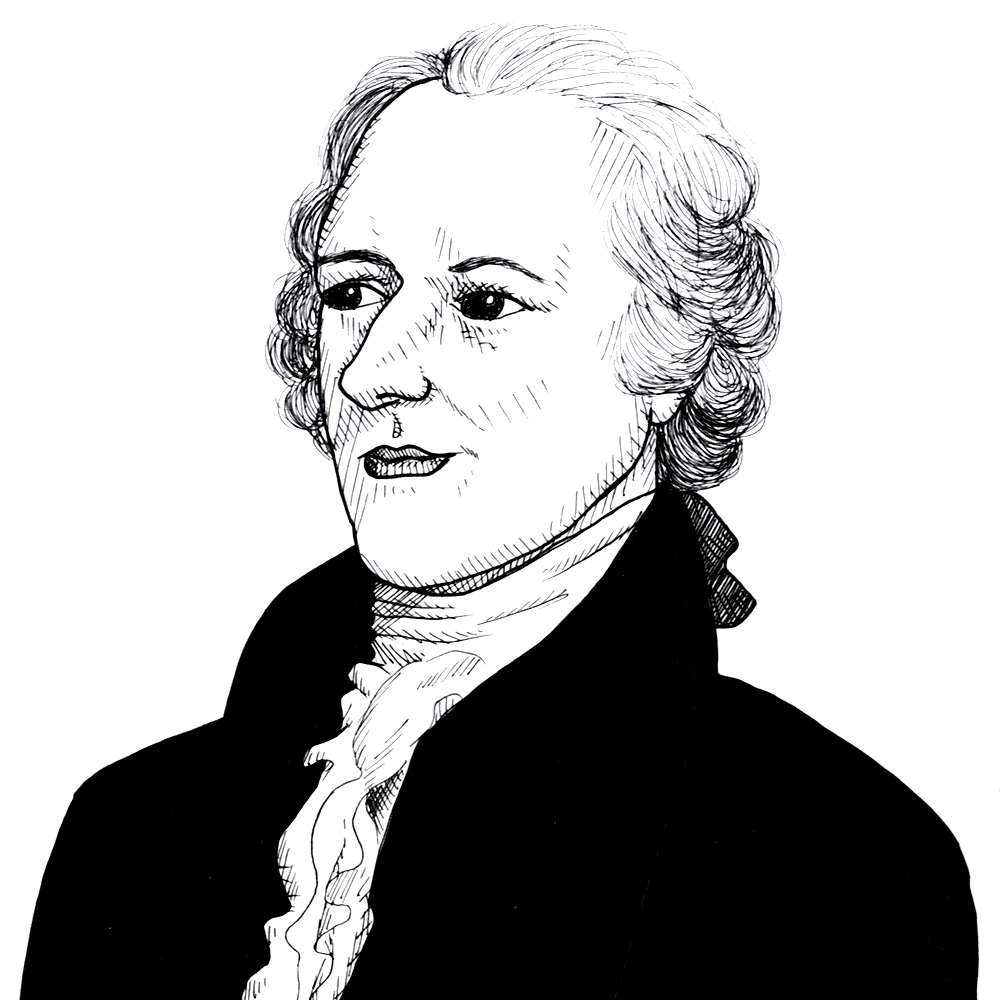
Appointment of Ministers of War, Finance, and Foreign AffairsColo. Armand deliver’d me your favor of the 29th. Ulto. last Evening and I thank you for the sevl. communications contained in it. The measure adopted by Congress of appointing a Minister of War, Finance, and for Foreign Affairs I think a very wise one. To give efficacy to it, proper characters will, no doubt, be chosen to conduct the business of these departments. How far Colo. Hamilton, of whom you ask my opinion as a financier, has turned his thoughts to that particular study I am unable to ansr. because I never entered upon a discussion on this point with him; but this I can venture to advance from a thorough knowledge of him, that there are few men to be found, of his age, who has a more general knowledge than he possesses, and none whose Soul is more firmly engaged in the cause, or who exceeds him in probity and Sterling virtue.
I am clearly in Sentiment with you that our cause only became distressed, and apparently desperate from an imprr. management of it. and that errors once discovered are more than half amended; I have no doubt of our abilities or resources, but we must not slumber nor Sleep; they never will be drawn forth if we do; nor will violent exertions which subside with the occasion answer our purposes. It is a provident foresight; a proper arrangement of business, system and order in the execution that is to be productive of that oeconomy which is to defeat the efforts and hopes of Great Britain. And I am happy, thrice happy on private as well as public acct; to find that these are in train; for it will ease my shoulders of an immense burthen which the deranged and perplexed situation of our Affairs and the distresses of every department of the Army which concentred in the Comr. in chief had placed upon them.
I am not less pleased to hear that, Maryland has acceded to the confederation, and that Virginia has relinquished its claim to the Land West of the Ohio, which for fertility of Soil, pleasantness of clime and other Natu’l advantages is equal to any known tract of Country in the Universe of the same extent, taking the great Lakes for its Northern boundary.
I wish most devoutly a happy completion to your plan of finance (which you say is near finished); and much success to your scheme of borrowing Coined specie, and Plate. but in what manner do you propose to apply the latter? as a fund to redeem its value in Paper, to be emitted; or to coin it? If the latter it will add one more to a thousand other reasons wch. might be offered in proof of the necessity of vesting legislative or dictatorial powers in Congress to make Laws of general utility for the purposes of War &c.Business with the enemy that they might prohibit under the pains, and penalty of death specie and Provisions going into the Enemy for Goods. The Traffic with New York is immense. Individual States will not make it felony, lest (among other reasons) it should not become general, and nothing short of it will ever check, much less stop a practice which at the same time that it serves to drain us of our Provisions and Specie removes the barrier between us and the enemy, corrupt the morals of our people by a lucrative traffic and by degrees weaken the opposition, affords a mean to obtain regular and perfect intelligence of everything among us while even in this respect we benefit nothing from a fear of discovery. Men of all descriptions are now indiscriminately engaging in it, Whig, Tory, Speculator. By its being practiced by those of the latter class, in a mannr. with impunity, Men who, two or three yrs. ago, would have shuddered at the idea of such connexions now pursue it with avidity and reconcile it to themselves (in which their profits plead powerfully) upon a principle of equality, with the Tory, who being actuated by principle, (favourable to us) and knowing that a forfeiture of the Goods to the Informer was all he had to dread and that this was to be eluded by an agreemt. to inform against each other, went into the measure witht. risk.
This is a degression, but the subject is of so serious a nature, and so interesting to our well being as a Nation, that I never expect to see a happy termination of the War; nor great national concerns well conducted in Peace, till there is something more than a recommendatory power in Congress. It is not possible in time of War that business can be conducted well without it. The last words therefore of my letter and the first wish of my heart concur in favor of it. I am etc.