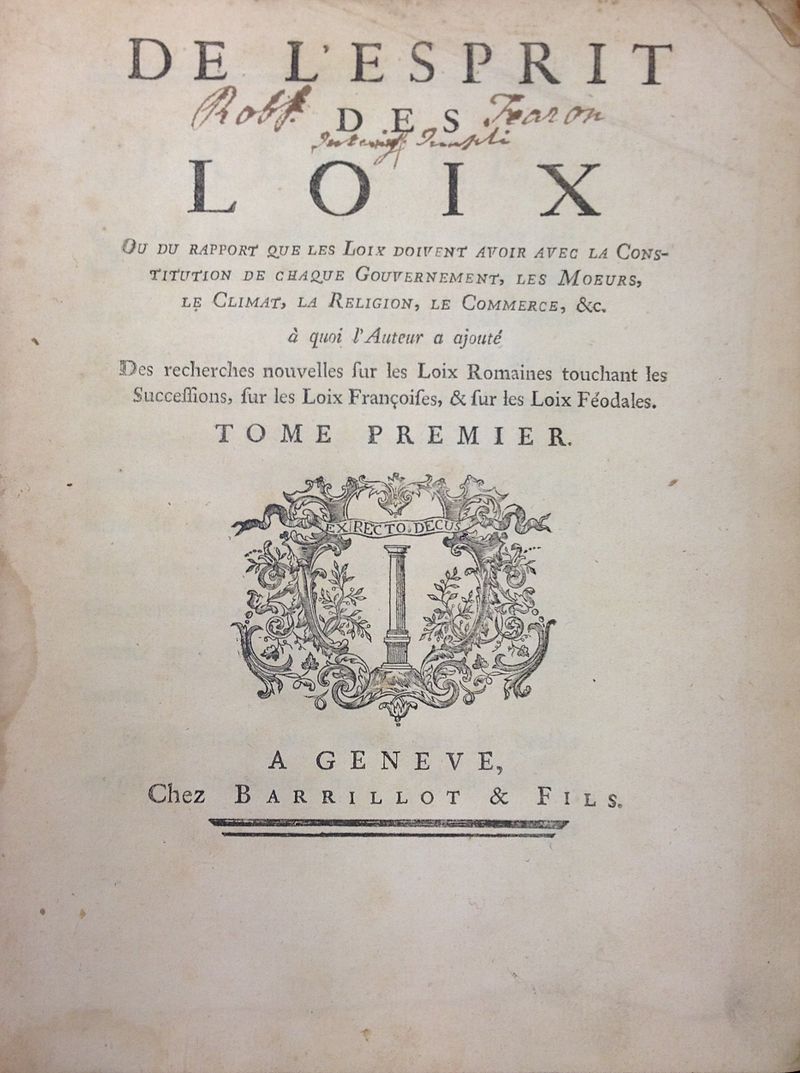
Part of: Complete Works, 4 vols. (1777) Complete Works, vol. 1 The Spirit of Laws
This is volume 1 from the Complete Works. The Spirit of Laws is Montesquieu’s best known work in which he reflects on the influence of climate on society, the separation of political powers, and the need for checks on a powerful executive office.
Related People
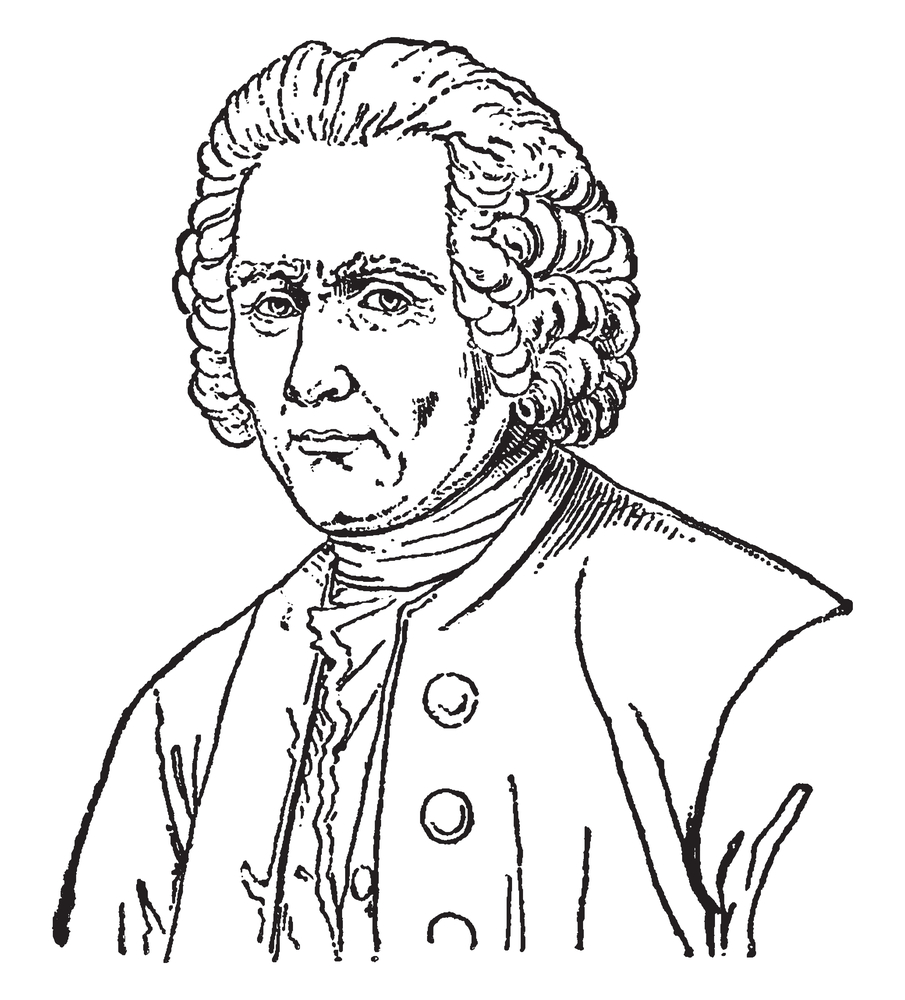
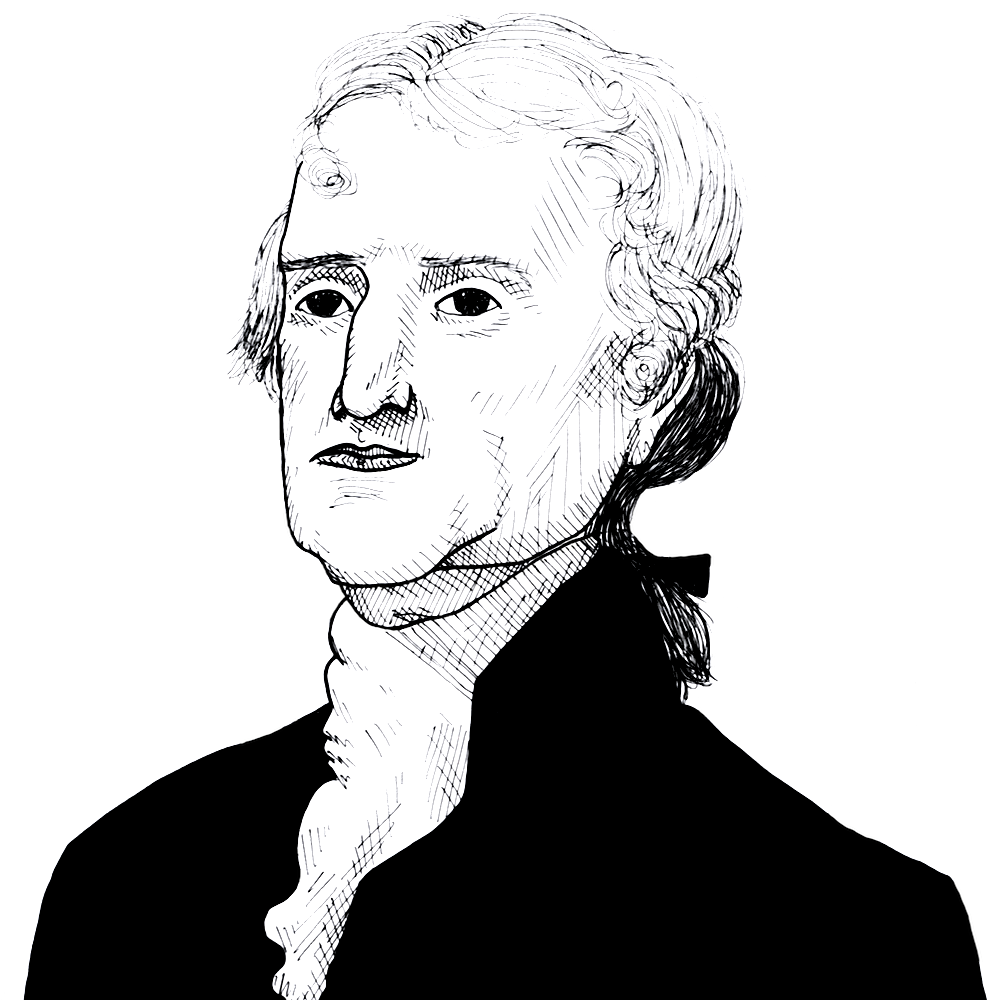
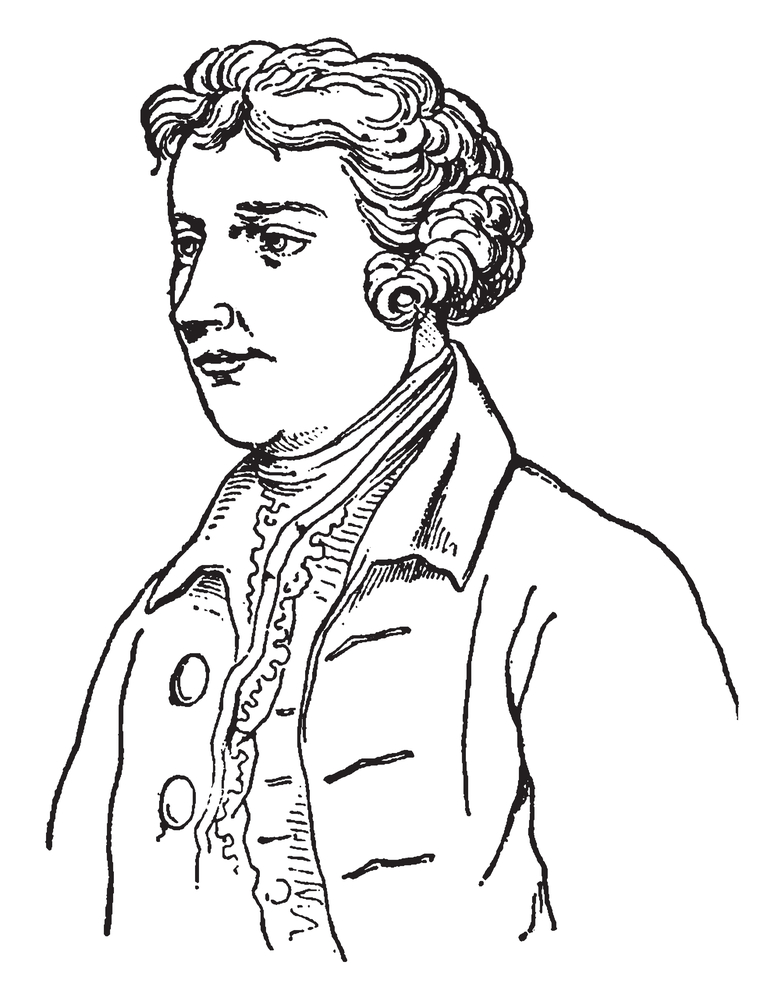
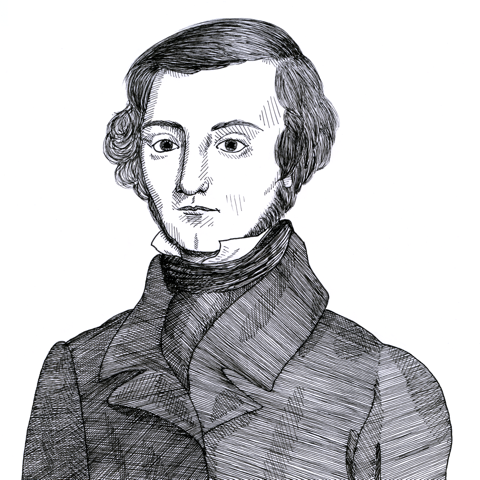
Key Quotes
Politics & Liberty
The political liberty of the subject is a tranquillity of mind arising from the opinion each person has of his safety. In order to have this liberty, it is requisite the government be so constituted as one man need not be afraid of another. When the legislative and executive powers are united in…
Critical Responses
Book
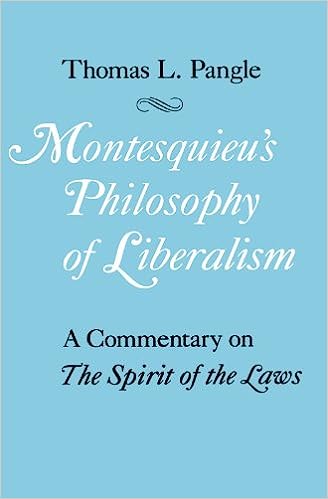
Montesquieu’s Philosophy of LiberalismThomas L. Pangle
This work gives an interpretation of Montesquieu and his importance to the rise of liberalism generally.
Book
Soft Despotism, Democracy’s Drift Montesquieu, Rousseau, Tocqueville, and the Modern ProspectPaul Rahe
This work compares the merits of different theories of democracy beginning with Montequieu especially with regard to liberty and despotism.
Connected Readings