Econlib

The Library

Other Sites

Front Page arrow Titles (by Subject) arrow Checks upon the Judiciary - Liberty, Order, and Justice: An Introduction to the Constitutional Principles of American Government

Return to Title Page for Liberty, Order, and Justice: An Introduction to the Constitutional Principles of American Government

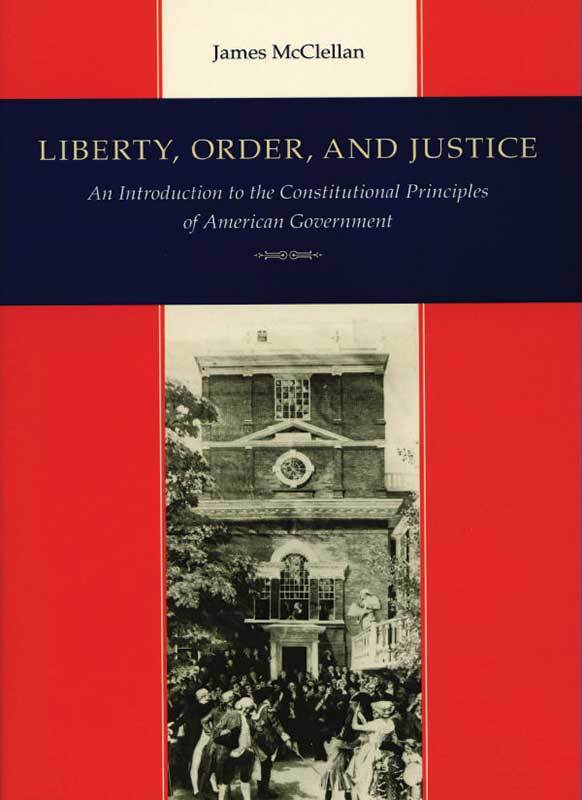
Checks upon the Judiciary - James McClellan, Liberty, Order, and Justice: An Introduction to the Constitutional Principles of American Government [1989]

Edition used:

Liberty, Order, and Justice: An Introduction to the Constitutional Principles of American Government (3rd ed.) (Indianapolis: Liberty Fund, 2000).

About Liberty Fund:

Liberty Fund, Inc. is a private, educational foundation established to encourage the study of the ideal of a society of free and responsible individuals.


Checks upon the Judiciary

Congress has power to impeach and remove Federal judges for adequate cause (Article I, Section 3; Article II, Section 4; Article III, Section 1).

Congress has power to appropriate funds for operation of the judicial branch (Article I, Section 8).

Congress has power to determine the number of judges and the size of Federal courts (Article III, Section 1).

Congress has power to regulate the original jurisdiction of inferior Federal courts and the appellate jurisdiction of all Federal courts (Article III, Sections 1 and 22).

The President has power to appoint Federal judges (Article II, Section 2).

These checks upon the powers of all three major branches of the Federal government, if carried to extremes, might make it difficult to carry on government at all. This the Framers understood. So they checked or balanced the checks-and-balances system itself by adding to the Constitution provisions to protect each branch from interference with its operations by another branch, and to protect the members of each branch from threats and reprisals. Here are the major protective provisions: