Econlib

The Library

Other Sites

Front Page arrow Titles (by Subject) arrow 4.: The Selection of the Dictator - Bureaucracy

Return to Title Page for Bureaucracy

Search this Title:

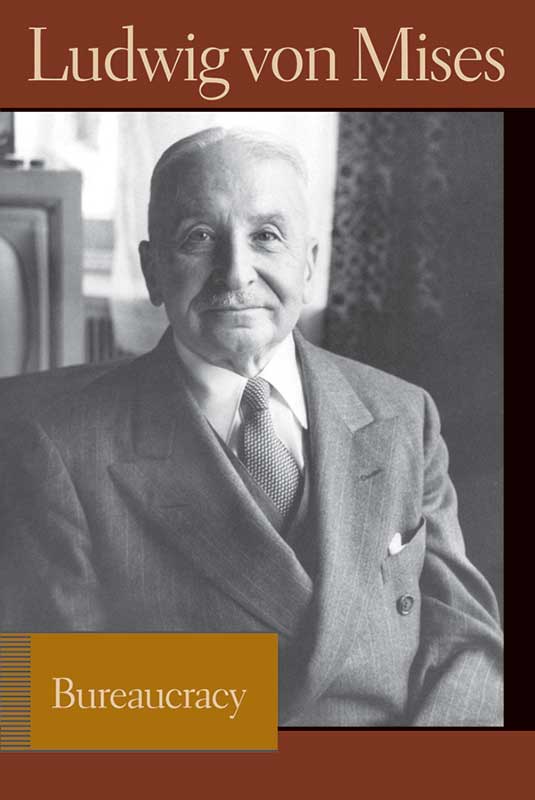
4.: The Selection of the Dictator - Ludwig von Mises, Bureaucracy [1944]

Edition used:

Bureaucracy, edited and with a Foreword by Bettina Bien Greaves (Indianapolis: Liberty Fund, 2007).

About Liberty Fund:

Liberty Fund, Inc. is a private, educational foundation established to encourage the study of the ideal of a society of free and responsible individuals.


4.

The Selection of the Dictator

All champions of salvation through the rule of noble despots blithely assume that there cannot be any doubt about the question of who this lofty ruler or class of rulers should be and that all men will voluntarily yield to the supremacy of this superhuman dictator or aristocracy. They do not realize that many men and groups of men could claim primacy for themselves. If the decision between various candidates is not left to majority vote, no principle of selection remains other than civil war. The alternative to the democratic principle of selection through popular election is the seizure of power by ruthless adventurers.

In the second century after Christ the Roman Empire was ruled according to a sublime elaboration of the Führer principle. The Emperor was the most able and eminent man. He did not bequeath his dignity to a member of his family, but he chose as successor the man whom he considered best fitted for the office. This system gave the Empire a succession of four great monarchs: Trajan, Hadrian, Antoninus Pius, and Marcus Aurelius. But then followed the era of the Praetorians, continuous civil war, anarchy, and rapid decay. The rule of the worst was substituted for the rule of the best. Ambitious generals, supported by mercenaries, seized power and ruled until another adventurer defeated them. Treachery, rebellion, and murder became the selective principle. Historians blame Marcus Aurelius, the last of the good emperors. He was guilty, they say, because he abandoned the practice of his predecessors and, instead of choosing the most suitable man, installed his incompetent son Commodus. However, a system that can be wrecked by the fault of only one man is a bad system, even if the fault were less pardonable and understandable than that of a father overrating the character and capacity of his offspring. The truth is that such a Führer system must necessarily result in permanent civil war as soon as there are several candidates for the supreme office.

All present-day dictators came into office through violence. They later had to defend their supremacy against the aspirations of rivals. Political language has coined a special term to refer to such actions: They are called purges. The successors of these dictators will rise to power through the same methods and will apply the same cruelty and ruthlessness in maintaining it. The ultimate basis of an all-round bureaucratic system is violence. The security that it allegedly gives is the turmoil of endless civil war.