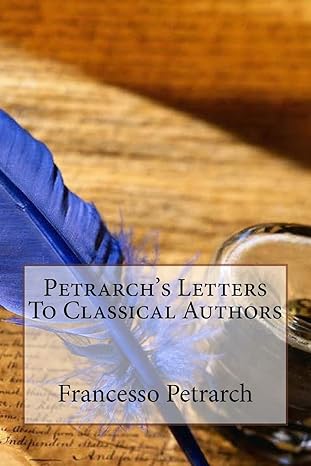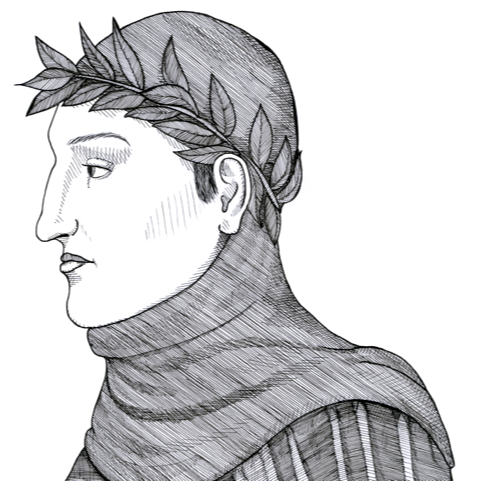
Some Love Songs
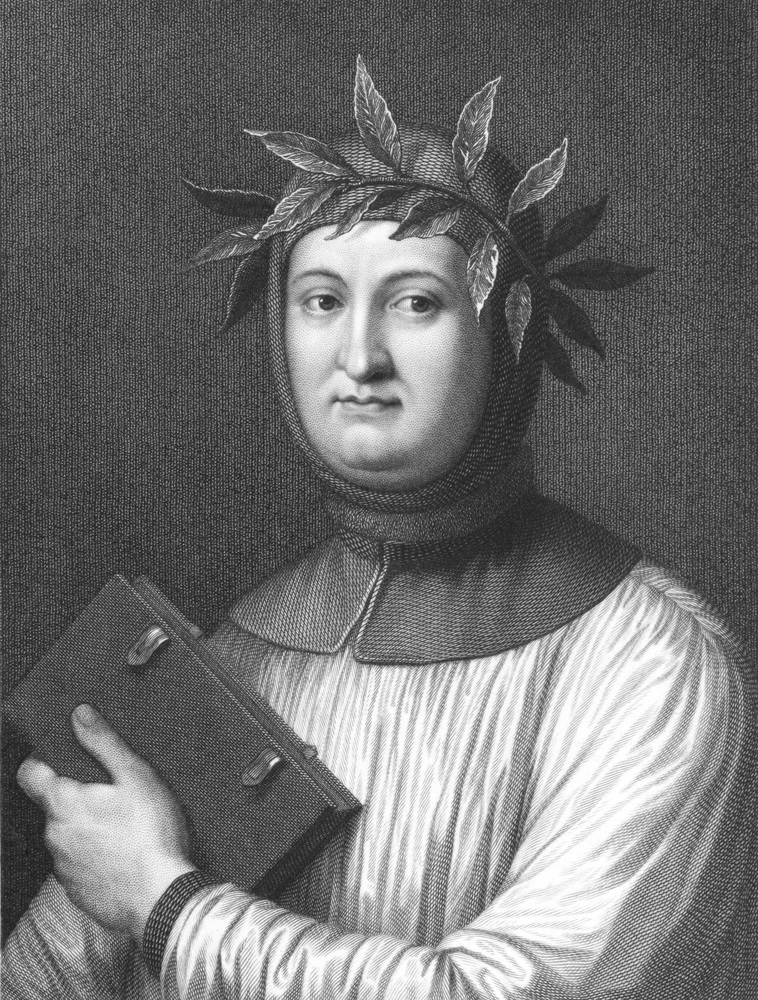
- Francesco Petrarch (author)
- William Dudley Foulke (translator)
Explore the poetic brilliance of Petrarch, the father of Renaissance humanism. “Some Love Songs” offers a selection of his most famous sonnets, capturing the beauty, longing, and complexity of love that inspired centuries of literature and philosophy.
Related People
Key Quotes
Literature & Music
Again with gladsome feet Zephyr returns Mid grass and flowers, his goodly family And Procne chatters, Philomela mourns, While Spring comes forth in all her finery. The meadows laugh; the skies are bright and fair, And Aphrodite wins the smile of Jove, While full of passion is the earth and air And…
War & Peace
Look! rulers proud! The hours are pressing on, And life steals fast away. Behold pale Death above your shoulders stand! Tho’ now ye live, yet think of that last day When the soul, naked, trembling, and alone Shall come unto a dark and doubtful land; O, ere ye press the strand, Soften those furrowed…
Critical Responses
Book
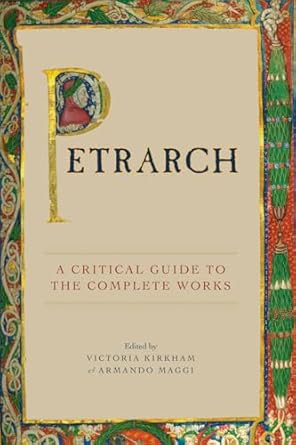
Petrarch: A Critical Guide to the Complete WorksVictoria Kirkham and Armando Maggi (eds.)
A collection of critical essays by top scholars on all of Petrarch’s writings, not just the Canzoniere. Excellent for seeing how his poetry fits into his broader literary and humanistic project.
Connected Readings