EconlibThe LibraryOther Sites |
Front Page Titles (by Subject) 5.: AN Address to Protestants of All Perswasions More Especially the Magistracy and Clergy, for the Promotion of Virtue and Charity (1679) In Two Parts. By W. P. a Protestant. - The Political Writings of William Penn
Return to Title Page for The Political Writings of William PennThe Online Library of LibertyA project of Liberty Fund, Inc.Search this Title:Also in the Library:
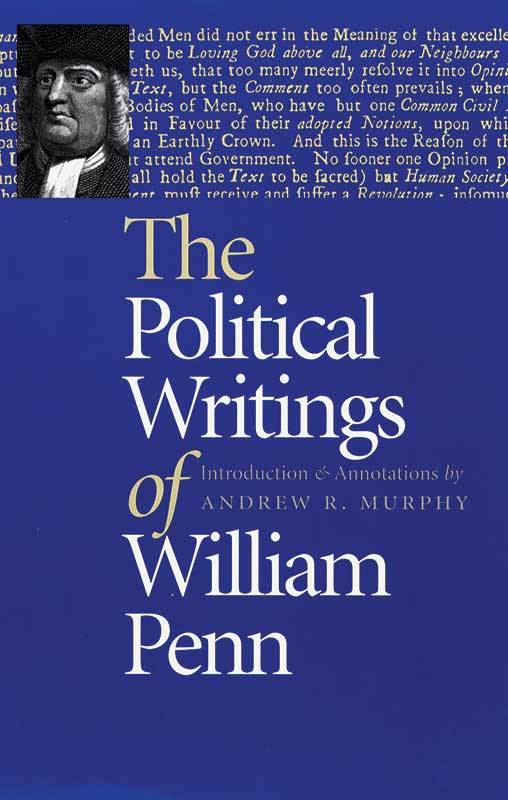
5.: AN Address to Protestants of All Perswasions More Especially the Magistracy and Clergy, for the Promotion of Virtue and Charity (1679) In Two Parts. By W. P. a Protestant. - William Penn, The Political Writings of William Penn [1670]Edition used:The Political Writings of William Penn, introduction and annotations by Andrew R. Murphy (Indianapolis: Liberty Fund, 2002).
About Liberty Fund:Liberty Fund, Inc. is a private, educational foundation established to encourage the study of the ideal of a society of free and responsible individuals. Copyright information:The copyright to this edition, in both print and electronic forms, is held by Liberty Fund, Inc. Fair use statement:This material is put online to further the educational goals of Liberty Fund, Inc. Unless otherwise stated in the Copyright Information section above, this material may be used freely for educational and academic purposes. It may not be used in any way for profit.
5.AN Address to Protestants of All Perswasions More Especially the Magistracy and Clergy, for thePromotion ofVirtueandCharity (1679)
2 Pet. 1. 5, 6, 7, 8, 9. Giving all Diligence, add to your Faith, Virtue; and to Virtue, Knowledge; and to Knowledge, Temperance; and to Temperance, Patience; and to Patience, Godliness; and to Godliness, Brotherly Kindness; and to Brotherly Kindness, Charity. For if these Things be in you, and abound, they make you that ye shall neither be barren nor unfruitful in the Knowledge of our Lord Jesus Christ. But he that lacketh these Things, is blind, and cannot see far off, and hath forgotten that he was purged from his old Sins. the FIRST PART.Sect. 8.An Address to the Civil Magistrate for Redress.HAVING thus ended my Reflections upon the Five Great Crying Sins of the Kingdom,1 and my Reproof of the Actors and Promoters of them; give me Leave to make my Humble and Christian Address to you that are in Authority. And in the First Place, I beseech you to remember, that tho’ ye are as Gods on Earth, yet ye shall dye like Men: That ye are encompass’d with like Passions, and are subject to Sin. Such therefore of you, as may be concerned in any of these Enormities (to what ever Degree of Guilt it be) I beg you in the Name of God to search your selves, and to be just to your own Souls. O! let the Mercies and Providences of God constrain you to Unfeigned Repentance! Turn to the Lord, Love Righteousness, Hate Oppression, and he will turn to you, and love you and bless you. In the next Place, be pleased to consider your Commission, and examine the Extent of your Authority, you will find that God and the Government have impower’d you to punish these Impieties: And it is so far from being a Crime, that it is your Duty. This is not troubling Men for Faith, nor perplexing People for Tenderness of Conscience; for there can be no Pretence of Conscience to be Drunk, to Whore, to be Voluptuous, to Game, Swear, Curse, Blaspheme and Profane; no such Matter. These are Sins against Nature; and against Government, as well as against the Written Laws of God. They lay the Ax to the Root of Human Society, and are the Common Enemies of Mankind. ’Twas to prevent these Enormities, that Government was instituted; and shall Government indulge that which it is instituted to Correct? This were to render Magistracy Useless, and the Bearing of the Sword Vain: There would be then no such Thing in Government as A Terror to Evil-Doers;2 but every one would do that which he thought Right in his own Eyes. God Almighty defend us from this Sort of Anarchy. There are three great Reasons, which enforce my Supplication. The First is, The Preservation of the Government, which by such Improvidence and Debauchery, is like to be greatly weakned, if not destroyed. The Industry, Wealth, Health and Authority of the Nation, are deeply concern’d in the Speedy and exemplary Punishment of these Extravagancies. This is the Voice of Interest, for the Common Good of the whole Society; Rulers and Ruled. But there is an higher Voice, unto which Christian Men ought to have Regard, and that is the Voice of God, who requires us to fear him and obey his Righteous Commandments, at the Peril of making him our Enemy, whom we should make our common Friend and Protector: For upon his Goodness, depends our very Natural and Civil Comforts. So that it is our Interest to be good; and it is none of the least Arguments for Religion, that the Piety and Practice of it is the Peace and Prosperity of Government; and consequently, that Vice the Enemy of Religion, is, at the same Time, the Enemy of Humane Society. What then should be more concern’d for the Preservation of Virtue, than Government; that in it’s abstract and true Sense is not only founded upon Virtue, but without the Preservation of Virtue, it is impossible to maintain the best Constitution that can be made? And however some particular Men may prosper, that are Wicked, and several private good Men miscarry in the Things of this World, in which Sense Things may be said to happen alike to all, to the Righteous as to the Wicked, yet I dare boldly affirm, and challenge any Man to the Truth thereof, that in the many Volumes of the History of all the Ages and Kingdoms of the World, there is not one Instance to be found, where the Hand of God was against a Righteous Nation, or where the Hand of God was not against an Unrighteous Nation first or last? Nor where a just Government perish’t, or an unjust Government long prospered? Kingdoms are rarely as short lived as Men, yet they also have a Time to die: But as Temperance giveth Health to Men, so Virtue gives Time to Kingdoms; and as Vice brings Men betimes to their Grave, so Nations to their Ruin. ’Tis the Reason given by God himself, for the Destruction of the old World. We have that Example before our Eyes; that a whole World has perisht for it’s Sin, it’s Forgetfulness of God and their Duty to him; one Family only excepted. Gen. 6. That is the Reason which God renders for casting out the People of those Countries, that he gave into the Hands of the Children of Israel; they were full of Uncleanness, Adulteries, Fornication, and other Impieties. And though he is Soveraign Lord of the World, and may dispose of the Kingdoms therein, as pleaseth him (for he that gives can take away; and he that builds, can cast down; and Mankind is but a Tenant at Will, to receive or surrender at his Lord’s Good Pleasure) yet he useth not that Prerogative to justifie his Gift of those Countries to the Jews; but at the End of his Prohibition of Unlawful Marriages and Lusts, he charges them in these Words; defile not your selves in any of these Things: for in all these the Nations are defiled, which I cast out before you; And the Land is defiled: therefore do I visit the Iniquity thereof upon it; and the Land it self, vomiteth out her Inhabitants. Ye shall therefore keep my Statutes and Judgments, and shall not commit any of these Abominations, neither any of your own Nation, nor any Stranger, that sojourneth among you; that the Land spue not you out also, when ye defile it, as it spued out the Nations that were before you.3 So Saul’s Disobedience was his Destruction, and his Sin made Way for David’s Title. Saul died (saith the Sacred Story) for his Transgression: This made the Philistines Conquerors; his own Sin beat him and kill’d him.4Saul died for his Transgression; then if he had not sinned, he had lived; he had beaten his Enemies and kept the Kingdom? yes, the Place implies it. This then should deter Men, but Kings especially, who have so much to lose here, and so much to answer for hereafter. But what was Saul’s Sin? It was, First, Not keeping but disobeying the Word of the Lord, both as it came by the Mouth of Samuel, God’s Prophet, and as it spoke the Mind of God to him in his own Conscience (for Moses had said before that the Word of God was nigh, in the Heart, and in God’s Name commanded the Children of Israel to obey and do it.)5 In short, he refused the Counsel of God, and God for his Counsellor: For in the next Place, he betakes himself to one that had a Familiar Spirit for Advice, saith the Story: He enquired not of the Lord, therefore he slew him and turned the Kingdom unto David.6 There are too many People troubled with Familiar Spirits; it were well, if they were less Familiar with them: Had Saul trusted in God, he needed not to have been driven to that Strait. He that was made King by God’s Appointment, and endued with a Good Spirit, so basely to degenerate, as to run to a Witch for Counsel, could not but miscarry. To this Darkness and Extremity Iniquity will bring Men: And truly, a Wo follows all such Persons; answerable to that Expression of God by the Prophet; Wo unto them that take Counsel, and not of me.7 When Saul (saith the Place) was little in his own Eyes, God honour’d him; he made him Head and King of the Tribes of Israel:8 But when Saul grew Proud, God deserted him, and for his Disobedience destroyed him. And what befel the Family of Saul, in some After-Ages befell both Kings and People, and worse: For their Land was invaded, first by the AEgyptians, then by the Chaldeans and Babylonians: Their Temple was rifled, their Treasure taken, and their Kings, Princes, Nobles, Artificers, and Mighty Men of Valour, yea all, save the poorest of the People, were kill’d or carried away Captive, by the King of Babylon. The Reason rendred is this: Because the Kings did that which was Evil in the Sight of God, and stiffned their Necks, and hardned their Hearts from turning unto the Lord God of Israel; and because the Chief of the Priests and of the People transgressed very much after the Abominations of the Heathen.9 And when God sent his Messengers to reprove and warn them, and that out of his Great Compassion, they wickedly mocked his Messengers, despised his Words, and mis-used his Prophets, till his Wrath came upon them, and over-threw them. I will here end my Instances out of Sacred Story; and let us now briefly consider, what the Histories of other Places will tell us; that we may observe some Proportion of Agreement in the Providence of God throughout the World. The first Empire had Nimrod’s Strength, and the Wisdom of the Chaldeans to establish it; and whilst their Prudence and Sobriety lasted, they prospered. No sooner came Voluptuousness, than the Empire decayed; and was at last by the base Effeminacies of Sardanapalus, in whom that Race ended, transfer’d to another Family.10 It was the Policy of an Assyrian King, in Order to subdue the Strength of Babylon, then under good Discipline, not to invade it with Force, but to debauch it. Wherefore he sent in Players, Musicians, Cooks, Harlots, &c. and by those Means introducing Corruption of Manners, there was little more to do, than to take it. Nebuchadnezzar by his Virtue and Industry, seen in the Siege of Tyre, and in many Enterprises, recover’d and enlarg’d the Empire; and it seems his Discipline (those Times considered) was so excellent, that it was praised in Scripture. But when he grew Proud and Foolish, forgetting that Providence that had shown it self so kind to him, he became a Beast, and grased amongst Beasts; till God, whom he had forgotten, had restored him the Heart of a Man and his Throne together.11 He, dying left Evil-Merodach Heir to his Crown, not his Conduct, nor the Heart to consider what God had done by him: In his Time Pride and Luxury encreased, but came not to it’s full Pitch, till the Reign of Belshazzar, who did not only as Nebuchadnezzar, live, but dye a Beast.12 In him we have the exact Example of a Dissolute and Miserable Prince: He thought to fence himself against Heaven and Earth; dissolved in Pleasures, he worshipped no other God; his Story may make us well conclude, that God and Man desert those, that desert themselves, and neglect the Means of their own Preservation. The City was taken before he knew it, and the Sword almost in his Bowels, before he believed it: His Sensuality had wrapt him in such a Desperate Security. But he fell not by the Hand of one like himself; for God who had determined the End, prepared the Means. Cyrus and his Persians were the Men: The People were poor, inhabiting a barren Country; but hardy and of Sober Manners. Cyrus God had endued with Excellent Natural Qualities, cultivated (as Story tells us) by the Care of four of the most temperate, just and Wise Persons of those Times. This was he, whom God honour’d with the Name of his Shepherd, and who was the Executioner of his Vengeance upon the Assyrians. While he reigned, all was well; but after he and his virtuous Companions deceased, their Children fell into the Vices of the Assyrians; and though they reigned from the Indus to the Hellespont, they soon became the Conquest of the Greeks. Never was there a greater Instance given of the Weakness of Pomp and Luxury, than in the Resistance made at Thermopolae, where Three Hundred Virtuous Spartans encounter’d the Vast Army of Xerxes, consisting of no less than Seventeen Hundred Thousand Men. In short, the Defeats of Salamine and Platea, the Expeditions of Xenophon with Cyrus the Younger, almost into Babylon, and the Wars of Agesilaus into Asia, made it evident, that Greece wanted only Union and an Head, to make her self Mistress of that Vast Empire.13 At last comes Alexander of Macedon, with the best Disciplin’d People that was then known: The Dispute was short, where Steel was against Gold, Sobriety against Luxury, and Men against Men that were turn’d Women. Thus, the Persians prepar’d by their own Vices, God deliver’d into the Hands of the Greeks, who as much excelled them in their Virtue, as they were short of their Dominion and Wealth. But this lasted not long; for Alexander, who died young, surviv’d his Virtue and Reputation, by falling into those Vices of the Nations, God had given him Power to trample under Foot; insomuch that he, who was before Generous, became Barbarous and Tyrannical. Egypt, Asia, and Macedon, held up their Heads a while; but not resisting the Torrent of Lewdness, that came upon them, suffer’d themselves to be over-whelm’d with Misery and Confusion. Nor has this Calamity been peculiar to Monarchies; for several Republicks have fallen by the same Mischief. That of Lacedaemon or Sparta, so Severe in her Constitution, and so Remarkable for the Virtue of her People, and that for many Ages, at last growing slack in the Execution of her Laws, and suffering Corruption insensibly to creep into her Manners, she became no more Considerable, but Weak and Contemptible. The same may be said of Athens, the Great School of Learning, and of all the Republicks of Greece, most Famous for her Virtue and Philosophy, when that Word was understood not of Vain Disputing, but of Pious Living: She no sooner fell into Luxury, but Confusion and Revolutions made her as Inconsiderable, as she had been Great. Rome, as she was the Greatest Common-Wealth, so the greatest Example of Gentiles in Virtue and Vice, in Happiness and in Misery: Her Virtue and Greatness are Commemorated by Austin the Father, and the latter made the Effect of the former. God (saith he) gave the Romans the Government of the World, as a Reward for their Virtue.14 Their Manners were so Good, and their Policy so Plain and Just, that nothing could stand before them. And truly, they seem’d to have been employ’d by God to punish the Impious, and to instruct the Barbarous Nations: And so very Jealous was she of the Education of her Youth, that she would not suffer them to converse with the Luxurious Greeks. But Carelessness, with Length of Time, over-coming the Remarkable Sobriety of her Manners, who before seemed invincible, she falls into equal, if not greater Miseries, than those that went before her, though she had not only Warning enough from their Example, but from Hannibal’s Army, and her great Enemy: For one Winter’s Quarter of Hannibal and his Army, in the Luxurious City of Capua, prov’d a greater Overthrow to them, than all the Roman Consuls and Armies had given them. They that had been Victors in so many Battles, turn’d Slaves at last to Dancers, Buffoons, Cooks and Harlots; so as from that Time they never did any Thing suitable to the Reputation gain’d by their former Actions; but fell without much Difficulty into the Roman Hands.15 Nay, not long before, Rome her self encountred one of the greatest Dangers, that ever had befallen her, by the Corruption of her own People, in the same Place, by the like Means: And though this Defection was recover’d by those that remain’d entire in their Manners, yet after the Overthrow of Antiochus, Mithridates, Tigranes, that the Riches and Vices of Asia came with a full Stream upon them, the very Heart of the City became infected; and the Lewd Asiaticks had this Revenge in their own Fall, that they ruin’d, by their Vices, those they were no Ways able to resist by their Force; like the Story of the Dying Centaur.16 Thus Pride, Avarice and Luxury having prepared Rome for Destruction, it soon followed. Virtue now grew intolerable in Rome, where Vice dared not for Ages to show it’s Face. The Worthiest Men were cut off by Proscriptions, Battels or Murders, as if she resolved Ipsam Virtutem exscindere:17 She destroyed her own Citizens, and sent for Strangers to protect her, which ruin’d her. Which proves, that the Kingdom or State, that, under God, doth not subsist by it’s own Strength, Prudence and Virtue, cannot stand: For the Goths, Hunns, and others, despised to serve those, whom they excelled in Power and Virtue, and instead of Guarding, took their Dominion from them. And truly, it might rather be called a Journey, than a Military Expedition, to go and pillage Rome; so weak had her Vices made her. Thus she that was feared by all Nations, became the Prey of all Nations about her. So ended that once Potent and Virtuous Common-Wealth. The Vandals in Africk soon became Effeminate and Lewd, which brought upon themselves speedy Ruin. The Goths set up a Powerful Kingdom in Spain and Part of France, and by the Sobriety of their Manners, it flourished near Four Hundred Years; but it’s End was not unlike the rest. Two corrupt Princes, Vuitza, and Roderic, by their dissolute Example, debauch’d the People, insomuch that Men ran an Hazard to be Virtuous: This made their Destruction easie to those whom God sent against them; which were the Moors, occasion’d by the last of these Kings dishonouring Count Juliano’s Daughter. In the Time of his Calamity, in vain did he expect the Aid of those that had been the Flatterers, and the Companions of his Vices: His Security (the Effect of his Luxury) was his Ruin. For whilst he thought he had no Body to subdue, but his own People, by abusing them, he Cut off his own Arms, and made himself an easie Prey to his Real Enemies: And so he perisht with his Posterity, that had been the Cause of the Mischief, which befel that Great Kingdom. However, so it came to pass, that the Remainder of the Goths mixing with the Ancient Spaniards (to that Day distinct) recovered the Liberty and Reputation of the Kingdom by an Entire Reformation of Manners, and a Virtue in Conversation as Admirable, as the Vices, by which their Fathers had fallen, were Abominable. But the present impoverisht State of Spain can tell us, they have not continued that Virtuous Conduct of their Ancestors; the Increase of their Vices having decayed their Strength, and lessened their People and their Commerce. But why should we overlook our own Country? that, whether we consider the Invasion of the Romans, Saxons, or Normans, it is certain the Neglect of Virtue and Good Discipline, and the present Inhabitants giving themselves up to Ease and Pleasure, was the Cause (if Gildas the Brittain, and Andrew Horn may be credited) of their Overthrow: For as the first bitterly inveighed against the Looseness of the Brittains, threatning them with all those Miseries that afterwards followed; so the last tells us, that the Brittains having forgotten God, and being overwhelm’d with Luxury and Vice, it pleased God to give the Land to a poor People of the Northern Parts of Germany, called Saxons, that were of plain and honest Manners.18 God is unchangeable in the Course of his Providence, as to these Things: The like Causes produce the like Effects, as every Tree doth naturally produce it’s own Fruits. ’Tis true, God is not careless of the World; He feeds the young Ravens, clothes the Lillies, takes Care of Sparrows, and of us, so as not an Hair of our Heads falls to the Ground without his Providence;19 but if Men despise his Law, hate to be Reformed, spend their Time and Estate in Luxury, and persist to work Wickedness, he will visit them in his Wrath, and consume them in his sore Displeasure. To conclude, Wars, Bloodshed, Fires, Plunders, Wastings, Ravishments, Slavery, and the like, are the Miseries that follow Immoralities, the Common Mischiefs of Irreligion, the Neglect of Good Discipline and Government. Nothing weakens Kingdoms like Vice; it does not only displease Heaven, but disable them. All we have said, proves it: But, above all, the Iniquity and Voluptuousness of the Jews, God’s chosen, who from being the most Prudent, Pious and Victorious People, made themselves a Prey to all their Neighbours. Their Vice had prepared them to be the Conquest of the First Pretender; and thus from Freemen they became Slaves. Is God asleep, or does he change? Shall not the same Sins have the like Punishment? At least, shall they not be punisht? Can we believe there is a God, and not believe, that he is the Rewarder, as of the Deeds of Private Men, so of the Works of Government? Ought we to think him Careful of the Lesser, and Careless of the Greater? This were to suppose he minded Sparrows more than Men, and that he took more Notice of private Persons than of States. But let not our Superiors deceive themselves, neither put the Evil Day afar off; they are greatly accountable to God for these Kingdoms. If every poor Soul must account for the Employment of the small Talent he has received from God, can we think, that those High Stewards of God, the Great Governors of the World, that so often account with all others, must never come to a Reckoning themselves? Yes, there is a Final Sessions, a General Assize, and a Great Term once for all, where he will Judge among the Judges, who is Righteous in all his Ways. There Private Men will answer only for themselves, but Rulers for the People, as well as for themselves. The Disparity that is here, will be observed there, and the Greatness of such Persons, as shall be then found Tardy, will be so far from extenuating their Guilt, that it will fling Weight in the Scale against them. Therefore give me Leave, I do beseech you, to be earnest in my humble Address to you; Why should ye not, when none are so much concern’d in the Good Intention of it? Thus much for the First Reason of my Supplication. the SECOND PART.Sect. 1.Five Capital Evils that relate to the Ecclesiastical State of these Kingdoms.HAVING finish’d the First Part of my Address relating to the Immoralities of the Times, and left it with the Civil Magistrate, as, in Conscience, I found my self oblig’d to do, whose peculiar Charge it is, and, I earnestly and humbly desire and pray, that it may be his great Care effectually to rebuke them, I shall betake my self to the Second Part of this Address, that more immediately concerns us as Profess’d Christians and Protestants. But before I begin, I desire to premise, and do with much Sincerity declare, that I intend not the Reproach of any Person or Party: I am weary with seeing so much of it in the World: It gains nothing, that is worth keeping; but often hardens, what ’tis our Duty to endeavour to soften and win. But if, without Offence, I may speak the Truth, that which, to the best of my Understanding, tends to the present Settlement and future Felicity of my poor Country, I shall, by God’s Help, deliver my self with the Modesty, Plainness and Integrity, that becomes a Christian, a Protestant, and an Englishman. Those Capital Sins and Errors that relate to the Ecclesiastical State or Church-Capacity of these Kingdoms, and which are so inconsistent with Christian Religion and Purest Protestancy, and that, above all, displease Almighty God, are, First, Making Opinions Articles of Faith, at least giving them the Reputation of Faith, and making them the Bond of Christian Society. Secondly, Mistaking the Nature of True Faith, and taking that for Faith which is not Gospel-Faith. Thirdly, Debasing the true Value of Morality under Pretence of Higher Things, mistaking much of the End of Christ’s Coming. Fourthly, Preferring Human Authority above Reason and Truth. Fifthly, Propagating Faith by Force, and Imposing Religion by Worldly Compulsion. These I take to be the Church-Evils, that have too much and too long prevail’d even in these Parts of the Reformed World: And though the Roman Church hath chiefly transcended other Societies in these Errors, and may, in a Sense, be said to be the Mother of them, She, from whom they took Birth, by whom they were brought forth and have been propagated in Christendom, yet there hath not been that Integrity to the Nature of Christianity, and First Reason of Reformation from the Papacy in our own Country, as had been and is our Duty to conserve. Sect. 2.Of Opinions passing for Faith.FIRST, That Opinions pass for Faith, and are made Articles of Faith, and are enjoyn’d to be embrac’d as the Bond of Communion. That this is so, let us take the most impartial View we can, and we shall find it to be true, both of the National and many other Select Societies. That I may be understood in the Signification of the Word Opinions, I explain it thus: “Opinions are all those Propositions or Conclusions made by Men Doctrines of Faith and Articles of Communion, which either are not Expresly laid down in Scripture, or not so evidently Deduceable from Scripture, as to leave no Occasion of Doubt of the Truth of them in their Minds who sincerely and reverently believe the Text: Or, lastly, such as have no new or Credible Revelation to vouch them.” That this is our Case, let the several Confessions of Faith published by almost every Party in England be perused, and you will find such Propositions translated into Doctrines of Faith and Articles of Communion, as are, first, not only not express’d in Scripture, but, perhaps not well deduceable from Scripture: And if one Party may be but believ’d against another, we can want no Evidence to prove what we say. And, in the next Place, such as are, though not express’d, yet it may be, deduceable as to the Matter of them, are either carried so high, spun so fine, or so disguised by barbarous School-Terms, that they are rather a Bone of Contention, than a Bond of Concord to Religious Societies. Yet this has been the Unhappiness even of this Kingdom after all the Light of Reformation, which God hath graciously sent amongst us, Men are to be received or rejected for denying or owning of such Propositions. Wilt thou be a Presbyterian? Embrace and keep the Covenant, subscribe the Westminster-Confession and Directory: And so on to the End of every Society, that grounds Communion upon Conformity to such Propositions and Articles of Faith. What a Stir have we had in England about the Word Ἐπίσκοπος He that says it signifies an Higher Office than Πρεσβύτερος shall have no Part or Fellowship with us: On t’other Hand, they that will debase Episcopos to Presbuteros,20 and turn Levellers or Degraders of Episcopal Dignity, shall be excommunicated, silenc’d, punish’t. Is not this plain Fact? can any deny it, that love Truth more than a Party? The Fire kindled by this Contention, hath warm’d the Hands of Violence: It had been well, if Men had entertained Equal Zeal against Impiety, and been but half as much Enemies to Sin, as they have been against one another on such Accounts. If we look a little back, we shall find, that the Debate of Free-Will and unconditional Reprobation filled this Kingdom with Uncharitableness and Division. In the Arch-Episcopacy of Abbot (reputed in himself a good Man) whosoever held, that Christ so died for all Men, that all Men might be saved, (if they would accept the Means) and that none were absolutely decreed to Eternal Reprobation, was reputed an Heretick, and Excommunicated as an Enemy to the Free-Grace of God, which, it seems, at that Time of Day, lay in being narrow. In the Reign of Arch-Bishop Laud the Tide turned: And those that held an absolute Election, and Reprobation, without Regard had to the Good or Evil Actions of Men, and asserted, that Christ only died for the Elect, and not for all, must be discountenanced, displaced and pointed at as Men out of Fashion, though at the same Time Conscientious, Sober and (at worst) mistaken; and to be pitied rather than persecuted; and informed, not destroyed. This Controversie begat the Synod of Dort: He that reads the Epistles of that Judicious Man J. Hales of Eaton Colledge, upon the Matter and Conduct of that Assembly, will find Cause of being sad at Heart; too many of them talking of Religion without the Spirit of it.21Men, perhaps, learned in Books, but few of the Sticklers gave any great Testimony of their Proficiency in that Science, which is first pure, then peaceable, gentle, and easie to be entreated.22 This Flame kindled between Arminius and Episcopius, &c. for the Remonstrants, and Gomarus, Sibrandus, &c. for the Predestinarians, distracted Holland not a little, and had an ill Influence upon the Affairs of England, at least so far, as concerned the Church. But the mournfullest Part of that History is the ill Usage, Martinius Crocius, the Bishop of Landaff, and others had; who, though they were acknowledg’d to be sound in the Faith of those Things, which generally followed the Judgment of Calvin, as to the main Points controverted, yet if at any Time they appeared moderate in their Behaviour, gentle in their Words, and for Accomodation in some particulars, with the Remonstrants or Free-Willers; Gomarus and his Followers, not observing the Gravity due to the Assembly, the Rules of Debate, and least of all the Meekness of Christian Communion, fell foul of their Brethren, reproached their Tenderness, and began to fix Treachery upon their sober Endeavours of Accommodation; as if they intended to execute as well as maintain their Reprobation, and blow up their Friends rather than not destroy their Adversaries. But if we will rise higher in our Enquiry, and view the Mischiefs of earlier Times, flowing from this Practice, the Fourth and Fifth Centuries after Christ will furnish us with Instances enough. We cannot possibly forget the heavy Life some Men made about the Observation of Easter-Day, as if their Eternal Happiness had been in Jeopardy: For so far were they degenerated from the Love and Meekness of Christianity, that about keeping of a Day, which perhaps was no Part, but to be sure, no Essential Part of the Christian Religion, they fell to Pieces; reproach’t, revil’d, hated, and Persecuted one another. A Day was more to them than Christ, who was the Lord and End of Days; and Victory over Brethren, sweeter than the Peace and Concord of the Church, the great Command of Jesus, whom they called Lord.23 But the remarkable and tragical Story of Alexander Bishop of Alexandria and Arius his Priest, in their known Debate about the Nature and Existence of the Son of God, with the lamentable Consequence thereof, (as all Writers upon that Subject have related) witnesseth to the Truth of what I say. The Bishop’s Curiosity, and the Strictness of Arius; the Presumption of the one to expound beyond the Evidence and Simplicity of the Text, and the captious Humour of the other, that would not bate the Bishop any Thing for his Age, or Rank he held in the Church, but Logically exacted the utmost Farthing of the Reckoning from his old Pastor, first began the Fray: Which as it became the Perplexity of Church and State some Ages, so it raged to Blood; and those that had been persecuted like Sheep by the Heathen not long before, turned Wolves against each other, and made Sport for the Infidels, doing their Work to their own Destruction. Nay, so much more Christian was Themistius the Philosopher, that he in his Oration, called CONSUL, commended the Emperour Jovianus for his Moderation, and advised him to give that Liberty of Conscience, which profest Christians, refused to allow each other; who seemed to think, they never did God better Service, than in Sacrificing one another for Religion, even as soon as ever they had escaped the Heathen’s Shambles.24 Did we duly reflect upon the unnatural Heats, Divisions and Excommunications among them, the many Councils that were called, the strong and tedious Debates held, the Translations of Sees, the Anathemas, the Banishments, Wars, Sackings, Fires and Blood-shed that followed this unnatural Division, that sprang from so nice a Controversie, one would verily believe no less, than that Religion it self had been in utmost Hazard; that Judaism or Paganism were over-running Christianity; and not, that all this Stir had been made about an Iota. For the whole Question was, whether Homousia, or Homoiousia should be received for Faith? In which the Difference is but the single Letter, I: Certainly, we must do Violence to our Understanding, if we can think that these Men were Followers of that Jesus that loved his Enemies and gave his Blood for the World, who hated their Brethren and shed one another’s Blood for Opinions: The Heathen Philosophers, never were so barbarous to one another, but maintained a better Understanding and Behaviour in their Differences. But how easily might all these Confusions have been prevented; if their Faith about Christ had been delivered in the Words of Scripture; since all Sides pretend to believe the Text? And why should any Man presume to be wiser, or plainer in Matters of Faith, than the Holy Ghost? ’Tis strange, that God and Christ should be wanting to express or discover their own Mind; or that the Words used by the Holy Ghost, should have that Shortness, Ambiguity or Obliquity in them, that our frail Capacities should be needed to make them more easie, proper and intelligible. But that we should scarcely deliver any one Article of Faith in Scripture-Terms, and yet make such Acts the Rule and Bond of Christian Communion, is, in my Judgment, an Offence hainous against God and Holy Scripture, and very injurious to Christian Charity and Fellowship. Who can express any Man’s Mind so fully, as himself? And shall we allow that Liberty to our selves, and refuse it to God? The Scriptures came not in old Time (said the Apostle Peter) by the Will of Man; but holy Men of God spake, as they were moved by the Holy Ghost.25 Who can speak better, or express the Mind of the Holy Ghost plainer, than the Holy Ghost? The Scripture is the great Record of Truth, That which all these Parties in Controversie agree to be the declared Mind and Will of God, and they unanimously say, it ought to be believed, and profest as such. If this be true, in what Language can we so safely and properly declare our Belief of those Truths, as in the very Language of the Scripture? And I cannot see how those Persons can be excused in the Day of Gods Judgment, who make Men Heterodox or Heretical, for refusing to subscribe their Articles of Faith that are not in Scripture-Terms, who in the same Time offer to declare their Belief of God, Christ, Spirit, Man’s Lapse or Fall, Repentance, Sanctification, Justification, Salvation, Resurrection, and Eternal Recompence in the Language of Holy Scripture? I must say, it is preposterous and a Contradiction, that those who desire to deliver their Faith of Truth, in the Language of Truth, shall not be reputed true Believers, nor their Faith admitted. This were to say, that therefore their Faith is not to be received, because it is declared in the Language of that very Truth, which is the Object of that Faith, for which it ought to be received, and which is, on all Hands, concluded to be our Duty to believe. It seems then we must not express our Belief of God in his Words, but our own; nor is the Scripture a Creed plain or proper enough to declare a true Believer, or an Orthodox Christian, without our Glosses. Are not Things come to a sad pass, that to refuse any other Terms than those the Holy Ghost has given us, and which are confest to be the Rule or Form of sound Words, is to expose a Man to the Censure of being unsound in the Faith and unfit for Christian-Communion? Will nothing do but Man’s Comment instead of God’s Text? His Consequences and Conclusions in the Room of Sacred Revelation? I cannot see how any Man can be obliged to receive, or believe revealed Truths in any other Language, than that of the Revelation it self; especially if those that vary the Expression, have not the same Spirit to lead them in doing so, or that it appears not to me that they have the Guidance of that Holy Spirit. If the Holy Ghost had left Doubts in Scripture, which is yet irreverent to believe, I see not how Men can resolve them; it is the Work of that Spirit. And since Men are so apt to err, Doubts are better left in Scripture, than made or left by us. But it is to cross that Order of Prudence and Wisdom among Men, who chuse to conform their Expressions to the Thing they believe. If an honest Man hath related a Story to me, of something he hath seen, and I am to declare my Faith about it, if I believe the Fact, I will chuse to deliver it in the Terms of the Relator, as being nearest to the Truth. Suppose a Father dying, makes his Last Will and Testament, and, as he thinks, so plain, that there can be no Mistake made by the Executors, but what is wilful: If they, instead of proving this Will, and acting according to the Plainness of it, turn Commentators, make more Difficulties than they find, and perplex the whole Matter, to the Children and Legatees, and send them to the Law for Right; will we not esteem such Executors ill Men, and justifie those Persons concern’d in their Refusal of their Paraphrase? God hath at sundry Times and in diverse Manners, by his Prophets, his Beloved Son and his Apostles, delivered to the World a Declaration of his blessed Will;26 but some have claim’d and taken to themselves the Keeping, Explanation and Use of it, so as those that chuse to be concluded by the Letter and Text of Christ’s Testament in it’s most important Points, expose themselves to great Prejudice for so doing; for they are Excommunicated from all other Share in it, than the Punishment of the Breakers of it, which is part of their Anathema, who, of all others, are most guilty of adding or diminishing, by undertaking to determine, for others as well as themselves, the Mind and Intention of the holy Ghost in it. But if it be True, as True it is, that few have writ of the Divine Authority of Scripture, who do not affirm that the very Penmen of it were not only inspired by the Holy Ghost, but so extraordinarily acted by him, as that they were wholly asleep to their own Will, Desires or Affections, like People taken out of themselves, and purely Passive, as Clay in the Hand of the Potter, to the Revelation, Will, and Motion of the Spirit;27 and for this End, that nothing deliver’d by them, might have the least Possibility of Mistake, Error, or Imperfection, but be a Compleat Declaration of the Will of God to Men; I cannot see which Way such Men can excuse themselves from Great Presumption, that will, notwithstanding, have the Wording of Creeds of Communion, and reject that Declaration of Faith as insufficient, which is deliver’d in the very Terms of the Holy Ghost; and deny those Persons to be Members of Christ’s Church, that in Conscience refuse to subscribe any other Draught than that the Lord has given them. Two Things oppose themselves to this Practice: The Glory of God, and the Honour of the Scripture; in that it naturally draws People from the Regard due to God and the Scripture, and begets too much Respect for Men and their Tradition. This was the Difficulty Christ met with, and complained of in his Time; they had set up so many Rabbies to learn them Religion, that the Lord of the True Religion could hardly find Place amongst them. And what did they do? They taught for Doctrines the Traditions of Men:28 They gave their own and their Predecessors Apprehensions, Constructions, and Paraphrases upon Scripture, for the Mind and Will of God, the Rule of the People’s Faith. They were near at this Pass in the Church of Corinth, when they cryed out, I am for Paul, I am for Apollos, and I am for Cephas, though they had not the same Temptation.29 And that which followed then, ever will follow in the like Case, and that is Distraction; which is the contrary to the Second Thing that opposeth it self to this Practice, and that is the Concord of Christians. For the Sake of Peace consider it: Lo here and Lo there always followed; one of this Mind, and another of that: As many Sects as Great Men to make and Head them. This was the Case of the Jews; and yet I do not hear, that they devoured one another about their Opinions and Commentaries upon Scripture; but the Christians have done both; Divided and Persecuted too. First, they have divided, and that mostly upon the Score of Opinions about Religion. They have not been contented with the Expressions of the Holy Ghost; they liked their own better. And when they were set up in the Room of Scripture, and in the Name of Scripture, Submission was required upon Pain of Worldly Punishments. This dissatisfied Curiosity, this Unwarrantable, what shall I say? This Wanton Search has cost Christendom dear, and poor England dearest of any Part of it. I design not to grate upon any, or to revive old Stories, or search old Wounds, or give the least Just Occasion of Displeasure to those that are in present Power; yet I must needs say, that Opinion on one Side or t’other, has been the Cause of much of that Discord, Animosity and Confusion that have troubled this Kingdom. And it seems to have been the great Stratagem of Satan, to prevent the spreading of the Glorious Gospel of Salvation in the World, by taking Men off from the Serious Pursuit of Piety and Charity, Humility, and Holy Living, Peace, and Concord: And, under Pretence of more raised Apprehensions, and sublime Knowledge of Religion, to put them upon introducing Curious and Doubtful Questions, that have given Occasion, first for Contention, and That, for Persecution. This was no more uncondemned, than unforeseen of the Apostle Paul, who exhorted his beloved Son Timothy, 1 Tim. 6. 3, 4, 5. To avoid those that doted about Questions, those Men that would be thought Skilful, Inquisitive Searchers after Truth, such as love to exercise their Faculties, and improve their Talents; but let us hear his Judgment, Of which (says he) cometh Strife, Railing, Surmises, perverse Disputings of Men of Corrupt Minds. And the Truth is, none else love such Disputings: They, who seek a Daily Victory over the World, the Flesh and the Devil, and press fervently after Fellowship with God, and that Consolation that ensues such an Employment of their Time, have very little to lose upon Contention about Words. I could wish I were able to say, that Vain Controversie were not our Case! But this is not all, the Apostle does expressly tell Timothy, That if any Man consent not to Wholsom Words, even the Words of our Lord Jesus Christ, and the Doctrine that is according to Godliness, he is Proud, knowing nothing, but doting about Questions, &c.30 They were such as used Philosophy, and Vain Deceit, as he writes to the Colossians, Col. ii. 8. Beware, says he, lest any Man spoil you through Philosophy and Vain Deceit, that is, drawn them away from the Simplicity of the Gospel, and the Wholsome Words of Christ, after the Traditions of Men, after the Rudiments of the World, and not after Christ. He used no Humane Wisdom, yet he spake Wisdom, but it was in a Mystery, tho’ to the humble Disciples of Jesus nothing was plainer; but it was a Mystery to the Wise Men of this World.31 And truly, they that are not unacquainted with the more degenerate Ages of the Greek Philosophers, how Philosophy, once taken for the Love of Virtue and Self-Denial, which they esteem’d Truest Wisdom, and was begun by Men of ordinary Rank, but great Example of Life, became little else, than an Art of Wrangling upon a Multitude of idle Questions, and so they entertain’d the Apostle Paul at Athens,32 may very well guess which Way Apostacy entred among Christians; especially, when we consider, that in the third and fourth Centuries, the Heathen-Philosophers had the Education of Christian Youth, and that no Man had any Reputation among the Christian Doctors, who were not well initiated in the Philosophy, Rhetorick, and Poetry of the Gentiles. Which made for Impurity of Language, and laid a Foundation for great Feuds in the Church: Christ and his Doctrine must be prov’d by Aristotle and his Philosophy. Yes, Aristotle must explain Scripture, and by Degrees methodize the loose Parts of it, and reduce them to Formal Propositions and Axioms; and by the Help of such Philosophers, the poor Fisher-Men were taught to speak Metaphysically, and grew Polite in the Sense of Athens, who, to say True, were neither Guilty of using nor understanding it. But as the first Rules of Philosophy were few and plain, and consisted in Virtuous Living, so the Christian Religion was deliver’d with much Brevity, yet much Plainness; suited to the Capacity of the Young, the Ignorant, and the Poor; to inform their Understandings, subdue their Affections, and convert their Souls to God, as well as Persons of more Age, Knowledge, and Ability. And truly, when we consider the Smallness of the Writings of the Evangelists, the Shortness of Christ’s Sermons, the Fewness of the Epistles writ by the Apostles, and the many and great Volumes of Commentators and Criticks since, we may justly say, The Text is almost lost in the Comment, and Truth hid, rather than revealed in those Heaps of Fallible Apprehensions. Where by the Way, let me say, That the Voluminousness of the Books is no small Token of the Unclearness of the Writers; for the more evident and better digested any Matter is, the more easie and short it will be in expressing. But after the Christians had declin’d the Simplicity of their own Religion, and grew Curious and Wanton, loving God above All, their Neighbours as themselves, and keeping the Plain Commandments of Christ, that relate to Good Life, became but Ordinary and Homely Things: Their Easiness rendred them Contemptible: They gave but little Pleasure to Speculative Minds; they had nothing in them above Ordinary Capacities; and it seemed hard, that Men of Inquisitive and Rais’d Spirits, should sit down with the Lesson of Rusticks and Peasants: Philosophers did not do so; and they would be like other Nations. ’Twas not enough now to know There was a GOD, and that He was but One, Just and Good, the Observer of their Actions, and the Rewarder of their Deeds, and that therefore they should serve him; but they must be distinctly inform’d of his Nature, and all his Attributes, his Purposes and his Decrees, and the Suitableness of them all to the Line and Plummet of their Understanding: So that God was to be, what their Conclusions would allow him to be; that yet knew not themselves. Nor did it satisfie that there was a Christ, that this Christ was the Son of God, that God so loved Mankind, as beholding them in a Way of Destruction, he sent his Son to proclaim Pardon upon True Repentance, and offer’d a General Reconciliation to as many as received and embrac’d his Testimony; and that to that End He laid down his Life a Ransom, Rose and Ascended, and gave his Good Spirit to lead his Followers after his Example, in the Way of Truth and Holiness: But they must search into the Secret of this Relation, how, and after what Manner he is the Son of God? His Nature, Power and Person must be discuss’d: They will be satisfied in this, before they can find in their Hearts to believe in him. Next, Whether he be the Cause, or the Effect of God’s Love? What was that Price he paid, and Ransom he gave? And how he died for us? If Properly and Strictly, or Tropically and Elegantly, to satisfie the Justice of God? And whether God could, or could not have Saved Man another Way? If this Mercy were offer’d to all, or but some? And whether Acceptance and Repentance be with the Consent of the Creature, or by an irresistible Grace? What Body he Rose and Ascended with? And what Bodies we shall have in the Resurrection, in Nature, Stature, and Proportion? Lastly, What this Spirit is, that comes from Christ? If it comes from God also? Whether it be God, or an Inferior Minister? How it Exists? If a Person, in what Relation, Degree, or Dignity it stands to the Father and Son? With Abundance more of this Unreasonable Strain, flowing from the Curious, Ungovern’d, and Restless Minds of Men. No Man would be used by his Servant as they treat God. He must wait our Leisure, before we will believe, receive, and obey him: His Message is obscure, we don’t understand it; he must gratifie our Curiosity; we desire to be better satisfied with it before we believe or deliver it; it comes not presently up to Men’s Understandings; ’tis too obscurely exprest; we will explain it, and deliver it with more Caution, Clearness and Success, than it is delivered to us. Thus God’s Revelation hath been scan’d, and his Precepts examin’d, before Licens’d by his Creature: Man would be Wiser than God; more wary then the Holy Ghost. Our Lord, it should seem, understood not what Kind of Creature Man was; he wanted his Wisdom to admonish him of the Danger; or haply he thought not upon that Corruption, which should befall Mankind in these Latter Ages of the World, which might require the Abilities of Men to supply the Wants and Defects left by the Holy Ghost, in the Wording of the Scripture.—I wrong not this Practice; I render it not more Odious than it is: It is an inexcusable Piece of Presumption, that which debases the External Testimony of God, and draws Men off from that which is Eternal too. It introduces the Traditions of Men, in the Room of God’s Records, and setteth up their Judgment and Results for the Rule of Christian Faith, and Canons of Christ’s Church. This is one of those Things, that made Rome so hateful, and her Yoke intolerable to our Predecessors: Pretended Deductions from Scripture, put in the Room of Scripture, with a Superfedeas to all Dissent upon never so Just a Ground of Dissatisfaction. I beseech you Protestants, by the Mercies of GOD, and Love of JESUS CHRIST, ratified to you in his Most Precious Blood, Flee Rome at Home; Look to the Enemies of your own House! Have a Care of this Presumption; carry it not too high; lay not Stress, where God has laid none, neither use His Royal Stamp to Authorize your Apprehensions in the Name of his Institutions. I do not say, that Men are never to express their Minds upon any Place of Scripture to Edification: There is a Christian Liberty not to be denied; but never to lay down Articles of Faith, which ever ought to be in the Very Language of Holy Writ, to avoid Temptation and Strife. You see, how the contrary Method hath been the Great Make-Bate in all Ages, and the Imposition of such Opinion, the Privilege of Hypocrites, but the Snare of many Honest Minds; to be sure the sad Occasion of Feuds and miserable Divisions. It was plainly seen, that by the many Disputes that rose from hence, Men’s Wits were confounded with their Matters, Truth was lost, and Brotherhood was destroyed. Thus the Devil acted the Part both of Opponent and Defendant, and managed the Passions of both Parties to his End, which was Discord. And but too many were ready to perswade themselves, from the Miscarriages on both Sides, That nothing Certain could be concluded about Religion; for it so fell out, that whilst Men were perpetually wrangling and brawling about some one Opinion of Religion, the most important Points of Faith and Life were little regarded, Unity broken, Amity destroyed, and those Wounds made, that were never closed but with the Extinction of one Party: Not a Good Samaritan being to be found to heal and close them.33 Now it was that a Godly Man was distinguish’d from an Ungodly by this, let his Life have been almost what it would, that he seem’d to maintain the Opinions in Vogue, and to abhor the Doctrine, which, in some One or Two Points, might be reputed Heretical, or Schismatical. O that we could but see how many, and how Great Defeats Satan hath given to the Work of God in the Hearts of Men! What Desolations he hath made by this one Evil, Controversie; begot of Opinion, and used for it; and how few have contended for the Faith, as it was once deliver’d to the Saints!34 He must be a Man of Brass, that could refrain from Weeping at these Calamities. And truly I must desire to take Leave sometimes to bewail this Broken Condition of Christendom, and to bestow my Tears in Secret upon these Common Ruins: And I beseech God Almighty, with a Soul sensibly touch’t with the Mischiefs that naturally flow from this Practice, to awaken you to a most speedy and serious Consideration of your present Standing, and Amendment of your Miscarriage in this and all other Points that may concern your Good, and his Glory. Put away Wrath! Away with Clamours! Away with Arrogance and Impatience! Let that Holy Spirit of God, which we in common profess to be the Christian’s Guide, have the ordering of our Understandings in Spiritual Things, lest Ignorance should mistake, Interest wrest, or Prejudice pervert the Sense of God’s Book. For as too many are Ignorant of the Divine Truth through their own Concupiscence, and Vile Affections, that carry them away to the Desire of other Things, and therefore easily mistake about Nice or Obscure Matters; so there are not a few, who come to search the Scriptures with Pre-possess’d Minds, that are sorry to meet with a Contradiction to their own Judgment, instead of being glad to find the Truth, and who use their Wits to rack out another Sense than that which is Genuine; which Sort of Men use the Scripture for it’s Authority, and not it’s Sense, or Truth. All this While, the Head is set at Work, not the Heart, and that which Christ most insisted upon, is least concerned in this Sort of Faith and Christianity; and that is, Keeping His Commandments.35 For ’tis Opinion, not Obedience; Notion, and not Regeneration, that such Men pursue. This Kind of Religion leaveth them as bad as it finds them, and worse; for they have something more to be proud of. Here is a Creed indeed, but of what? The Conclusions of Men, and what to do? To prove they believe in Christ, who, it seems, never made them. It had been happy for the World, that there had been no other Creeds, than what He and His Apostles gave and left. And it is not the least Argument against their being needful to Christian Communion, that Christ and His Apostles did not think so, who were not wanting to declare the Whole Counsel of God to the Church. To conclude: If you desire Peace, love Truth, seek Piety, and hate Hypocrisie, lay by all those Things called Articles of Faith, and Canons of the Church, that are not to be found in express Terms in Scripture, or so plainly Authorized by Scripture, as may, with Ease, be discerned by every Honest and Conscientious Person. And in the Room of those numerous and disputed Opinions, made the Bond of External Communion, let some Plain, General and Necessary Truths be laid down in Scripture Terms, and let them be few; which leads me to the next Point, and that is FAITH, which is generally mistaken in the very Nature of it. Sect. 3.OfFaith,and Mistakes about it.THE Second Mischief that is amongst us, is the Misunderstanding of the Nature of FAITH; whence it comes to pass, that Men take that for Faith, which is not; and sit down in a Security pernicious to their Eternal Happiness. I shall briefly say something of what is not Faith, before I speak of that, which appears to me to be Truly and Scripturally such. The Faith of our Lord Jesus Christ is not only not believing Men’s Opinions and Determinations from the Sacred Text, of which I have so freely deliver’d my self, but it is not meerly the Belief even of the Things contain’d in Scripture, to be True: For this the Devils and Hypocrites do, and yet are very Bad Believers: They refuse not the Authority of Scripture: The Devil made Use of it to Christ himself; but he would have the explaining and applying of it:36 And since he could not hinder the Divine Inspiration, if he may but be allow’d the Exposition, he hopes to secure his Kingdom. Since then the Verity and Authority of both History and Doctrine may be believ’d by the Devil and Hypocrites, that are false to their own Faith and Knowledge, we cannot without great Injustice to the Faith of our Lord Jesus Christ, which is the Faith of all His Followers, allow, That a meer Belief of the Verity and Authority of the History and Doctrine of Scripture, is that True and Precious Faith, which was the Saint’s Victory over the World. Faith then, in the Sense of the Holy Ghost, is by the Holy Ghost thus defined: viz. The Evidence of Things not seen and the Substance of Things hoped for.37 This is General and runs through all Ages; being received of all Sorts of Christians as a true Definition of Faith: But with leave, I shall express it thus: True Faith in God is entirely believing and trusting in God, confiding in his Goodness, resigning up to his Will, obeying his Commands, and relying upon his Conduct and Mercies, respecting this Life and that which is to come. For a Man cannot be said to believe in God, that believes not what he says and requires: And no Man can be said to do that, who does not obey it, and conform to it; for that is believing in God, to do as he says. This is in Scripture called the Gift of God;38 and well it may, for it is Supernatural: It crosses the Pride, Confidence and Lust of Man: It grows out of the Seed of Love, sown by God in the Heart, at least it works by Love:39 And this distinguishes it from the Faith of Ill Men and Devils, that though they do believe, they don’t Love God above all, but something else instead of God, and are full of Pride, Anger, Cruelty and all Manner of Wickedness. But this Faith that works by Love, that Divine Love which God plants in the Heart, it draws and inclines Man, and gives him Power to forsake all that displeaseth God: And every such Believer becomes an Enoch, Translated, that is, Changed from the Fashion of this World, the Earthly Image, the Corrupt Nature; and is renewed in the Likeness of the Son of God, and walks with God.40The Just shall live by Faith:41 They have in all Ages liv’d by this Faith; that is, been sustain’d, supported, preserved: The Devil within nor the World without could never conquer them. They walked not by Sight, but by Faith, and had Regard to the Eternal Recompence: No Visible Things prevailed with them to depart from the Invisible God, to quench their Love, or slacken their Obedience to him; the great Testimony of their Faith in Him. This Holy Faith excludes no Age of the World; the Just Men, the Cornelius’s in every Generation have had some Degree of it: It was more especially the Faith of the simpler Ages of the World, such as those in which the Patriarchs lived, who having not an outward Law, became a Law to themselves, and did the Things contained in the Law; for they believed in God, and, through Faith, obtained a good Report.42 But because that it hath pleased God, in order to Man’s Recovery from that grievous Lapse Disobedience hath cast him into, at sundry Times and in divers Manners to appear to the Sons of Men, first by his Prophets, and last of all by his Son;43 and that these several Manifestations have had something peculiar to them, and very remarkable in them, so that they claim a Place in our Creed; It will not be amiss, that we briefly consider them. The first was that of the Prophets, in which Moses preceded, by whom the Law came to the Jews, but Grace and Truth to mankind by Jesus Christ.44 The first brought Condemnation, the last Salvation; the one Judgment, the other Mercy; which was glad Tidings indeed. The one did fore-run the other, as in Order of Time, so in Nature of Dispensation: The Law was the Gospel begun, the Gospel was the Law fulfilled or finisht: They cannot be parted. The Decalogue or Ten Commandments were little more than what had been known and practised before; for it seem’d but an Epitome and Transcript of the Law writ in Man’s Heart by the Finger of God: This is confest on all Hands and in all Ages since, as the Writings of ancient Gentiles as well as Jews and Christians tell us. This therefore must needs be a Part of our Creed; for it relates to that Righteousness which is Indispensible and Immutable: The other Part of their Constitution that was peculiar to their Politick, Typical and Mutable State, the Gospel is either unconcerned in it, or else ended it by the bringing in of a better Hope and a more enduring Substance. But Grace and Truth came by Jesus Christ:45Grace is opposed to the Condemnation of the Law, and Truth to Shadows. This is the most excellent Dispensation; it is ours, and it becomes us to weigh well our Interest in it. Take it in other Words of the Holy Ghost. God, who at sundry Times and in divers Manners spake in Times past unto the Fathers by the Prophets, hath in these last Days spoken to us by his Son. God so loved the World, that (after all the World’s Provocations by Omissions and Commissions) he gave his only begotten Son into the World, that the World through him might be saved.46 And here Two Things present themselves to our Consideration: First, the Person, who he was? What his Authority? Secondly, his Message, his Doctrine, what he taught? Which though never so reasonable in it self, depended very much, in it’s Entertainment among the People, upon the Truth of his Mission and Authority, that he was no Impostor, but came from God, and was the promised Messiah. This was done two Ways; by Revelation and by Miracles. By Revelation, to such as were as well prepared and inclined, as honest Peter, the Woman of Samaria, and those that were mov’d to believe him from the Authority in which he spake, so unlike that of the Formal Scribes.47 By Miracles, to those that being blinded by Ignorance or Prejudice, needed to have their Senses struck with such Supernatural Evidences, from many of whom this Witness came, that he was the Messiah, the Christ and Son of God. In fine, all was done within the Compass of that People, among whom he daily conversed, that was needful to prove he was from God, and had God’s Message to declare to the World. In so much that when some of his Disciples were not so firm in their Belief of his Authority, as he deserved at their Hands, he calls his own Works to prove his Commission and convict them of Incredulity: If ye will not believe, that the Father is in me, that he doth these Works by me; believe me for the very Works sake, Thus he argueth with the Jews: Say ye of him the Father hath sanctified and sent into the World, thou Blasphemest; because I said, I am the Son of God? If I do not the Works of my Father, believe me not (this is reasonable; he that shall Judge the World, offers to be tryed himself; he goes on) But if I do, though ye believe not me, believe the Works, that ye may know and believe, that the Father is in me.48 And he laid the Sin of the Jews upon this Foot, viz. That they rejected him, after he had made Proof of his Divine Mission by such extraordinary Works, As no Men among them all could do: which, to give them their Due, they do not deny, but shamefully pervert and foolishly abuse, by attributing them to the Power of the Devil. To which Malice and Slander he returned this inconfutable Answer; A Kingdom divided against it self cannot stand: What! cast out Devils by the Prince of Devils? ’Tis a Contradiction, and very Madness it self.49 I have nothing to do now with Atheists, or those that call themselves Theists; but such as own themselves Christians; and shall therefore keep to my Task, namely; What of the Christian Dispensation is so Peculiar and Important, as to challenge of Right the Name of Creed or Faith? I say then, That the Belief of Jesus of Nazareth to be the Promised Messiah, the Son and Christ of God, come and sent from God to restore and save Mankind, is the first and was then the only requisite Article of Faith, without any large Confessions, or an Heap of Principles or Opinions resolv’d upon after Curious and Tedious Debates by Councils and Synods: And this may be proved both by Example and Doctrine. It is evident from Example, as in the Case of Peter, who for having believed in his Heart and confess’d with his Mouth, That Jesus was the Christ and Son of God, obtained that Signal Blessing, Mat. 16. This made Nathaniel a Disciple; Rabbi, said he, Thou art the Son of God, thou art the King of Israel. It was the like Confession, that made Amends for Thomas’s Incredulity, when he was sensibly assured of the Resurrection of Jesus, My Lord and my God! This was also the Substance of Martha’s Confession of Faith to Jesus, when he said to her, I am the Resurrection and the Life; he that believeth in me shall never die: believest thou this? She answer’d, Yea Lord, I believe, that thou art the Christ the Son of God, which should come into the World? She answered him not as to that Particular of the Resurrection, but in General, That he was the Christ, the Messiah, that was to come into the World, and that sufficed. ’Twas a Confession not unlike to this, that the Blind Man made, to whom Christ gave Sight, when Jesus said to him, Dost thou believe on the Son of God? Lord, said he, I do believe; and he worshipped him. What shall we say of the Centurion, preferred by Christ himself before any in Israel, though a Gentile? Or of the Faith of the Woman and Inhabitants of Samaria, that he was the Messiah? Or of that Importunate Woman that cry’d to Jesus, To cast a Devil out of her possest Daughter, and would not be put off, to whom Christ said, O Woman, great is thy Faith, be it unto thee even as thou wilt? To which let me add the Faith of the People, that brought the Man sick of the Palsy to Christ, who uncover’d the Roof to let him down to be toucht; the Faith of Jairus the Ruler; and of that Good Woman, who pressed through the Crowd to touch the Hem of Christ’s Garment, to whom Jesus said, Be of good Comfort, Daughter, thy Faith has made thee whole: Also the Two Blind Men, that followed him out of the Ruler’s House, crying, Thou Son of David, have Mercy on us; who, when Jesus had said, Believe ye that I am able to do this? Answer’d, Yea, Lord; upon which he touch’d their Eyes and said, According to your Faith be it unto you: Also the Blind Man near Jericho; The Leprous Samaritan that Christ cleansed; and that notable Passage of the Woman that kissed his Feet and anointed his Head; to whom he pronounced this happy Sentence; Thy Faith hath saved thee, go in Peace.50 I will conclude this with that famous Instance of the Thief upon the Cross, who neither knew nor had Time to make a large Confession like the Creeds of these Days: but it seems he said enough; Lord, remember me when thou comest into thy Kingdom. And Jesus said unto him, Verily, I say unto thee, to Day shalt thou be with me in Paradise.51 By which it is easy to learn that t’was the Heart, not the Mouth; the Sincerity, not the Words, that made the Confession Valid. Nor was this only, in the Days of Christ, the Effect of his Gracious Dispensation or peculiar Indulgence, for after-times afford us the like Instances. This was the main Bent of Peter’s Sermon; and when the Three Thousand believed that he whom the Jews had crucified, was both Lord and Christ, and repented of their Sins, and gladly received his Word, they are said to have been in a State of Salvation. Thus Cornelius and his Houshold and Kindred, so soon as Peter declared Jesus to be the Messiah, and that they had believed, the Holy Ghost fell upon them; and they were received into the Christian Communion. But the Story of the Eunuch is very pat to our Purpose: As he rid in his Chariot, he was reading these Words out of the Prophet Isaiah, viz. That he was led as a Sheep to the Slaughter, and like a Lamb dumb before the Shearers, so opened he not his Mouth. In his Humiliation his Judgment was taken away; and who shall declare his Generation? for his Life is taken from the Earth. Philip join’d to him and ask’d him, If he understood what he read? He desir’d Philip to interpret the Mind of the Prophet, whether he spoke of himself or another? Philip upon the Place preached to him Jesus: The Eunuch was so well perswaded by the Apostle, that coming to a Water, he said, What doth hinder me to be Baptized? Philip answered him, If thou believest with all thine Heart, thou may’st: To this the Eunuch reply’d, I believe that Jesus Christ is the Son of God. Upon which he was baptized; and ’tis said, He went away Rejoycing; which indeed he might well do, that felt the Comfort of his Faith, the Remission of his Sin and the Joys of the Holy Ghost, which always follow true Faith in Christ.52 I will conclude these Examples with a Passage in the Acts, of Paul at Thessalonica; ’tis this: Paul, as his Manner was, went in unto them, and three Sabbath-days reasoned with them out of the Scriptures; opening and alledging that Christ must needs have suffered and risen again from the Dead; and that this Jesus (said he) whom I preach unto you, is Christ. And some of them believed and consorted with Paul and Silas, and of the devout Greeks a great Multitude, and of the Chief Women not a few.53 Thus we may plainly see, that they were baptiz’d into the Faith of Jesus, and not into Numerous Opinions; and that this one Confession, from true Faith in the Heart, was the Ground and Principle of their Church-Fellowship. Then God’s Church was at Peace; she thrive; there were then no Snares of Words made to catch Men of Conscience with. Then not many Words, but much Integrity; now much Talk, and little Truth: Many Articles, but O ye of little Faith! Nor was this only the Judgment and Practice of that Time out of Condescension to Weakness, and Charity to Ignorance; for both Christ Jesus himself and his Apostles (those blessed Messengers of Holy Truth) have doctrinally laid it down, as the Great Test to Christians; that which should distinguish them from Infidels, and justly intitle them to his Discipleship, and Christian Communion one with another. Let us read a little farther: Then said they to Jesus, what shall we do, that we might work the Works of God? Jesus answered and said to them, This is the Work of God, that ye Believe on him, whom God hath sent. Verily, Verily, I say unto you, he that believeth on me, hath Everlasting Life. And upon another Occasion, to the Jews, he said, For if ye believe not, that I am he, ye shall die in your Sins. It must follow then, that if they did believe him to be the Messiah, the Anointed of God to Salvation, they should be saved. Most plain is that Answer of the Apostle to the Goaler, when he came trembling to them and said, Sirs, What must I do to be saved? Believe (said they) on the Lord Jesus Christ, and thou shalt be saved. The Apostle Paul confirms this in his Epistle to the Romans, when he says, If thou shalt confess with thy Mouth the Lord Jesus, and shalt believe in thine Heart, that God hath raised him from the Dead, thou shalt be saved. For with the Heart Man believeth unto Righteousness, and with the Mouth Confession is made unto Salvation: For the Scripture saith, Whosoever believeth on him, shall not be ashamed. For there is no Difference between the Jew and the Greek; for the same Lord over all is rich unto all, that call upon him. For whosoever shall call upon the Name of the Lord, shall be saved.54 This was the Word of Faith which they preached; and he testify’d, that it was nigh in the Heart, as Moses had done before him.55 And, saith the Apostle John, on this Occasion, Who is a Lyar, but he that denieth, that Jesus is the Christ?—Hereby know ye the Spirit of God; every Spirit that confesseth (or every one that in Heart or Spirit confesseth) that Jesus Christ is come in the Flesh, is of God. Again, says he, Whosoever shall confess, that Jesus is the Son of God, God dwelleth in him, and he in God: Yet once more he affirms, Whosoever believeth that Jesus is the Christ, is born of God.56 But this is more than an Historical Belief, a true Sound and hearty Perswasion: A Faith that influenceth the whole Man into a suitable Conformity to the Nature, Example and Doctrine of the object of that Faith. I will conclude these Doctrinal Testimonies out of Scripture, with a conclusive Passage the Apostle John useth towards the End of his Evangelical History of Jesus Christ: And many other Signs truly did Jesus in the Presence of his Disciples, which are not written in this Book; but these are written that ye might believe that Jesus is the Christ, the Son of God, and that believing ye might have Life in his Name.57 In which Place two Things are remarkable; First, That whatever Things are written of Jesus, are written to this End, that we might believe that Jesus is the Christ. Secondly, That those that sincerely believe, shall through him obtain Eternal Life. Certainly then, if this be true, their Incharity and Presumption must be great who have taken other Measures, and set another Rule of Christianity, than Jesus and his Apostles gave. This sincere Confession contented Christ and his Apostles; but it will not satisfy those that yet pretend to believe them: It was enough then for a Miracle and Salvation too, but it goes for little or nothing now. A Man may sincerely believe this, and be stigmatiz’d for a Schismatick, an Heretick, an Excommunicate: but I may say, as Christ did to the Jews in another Case, From the Beginning it was not so.58 But here I expect to be assaulted with this Objection: If this be all that is necessary to be believ’d to Salvation, Of what Use is the rest of Scripture? I Answer, Of Great Use, as the Apostle himself teaches us; All Scripture is given by Inspiration of God, and is profitable for Doctrine, for Reproof, for Correction, for Instruction in Righteousness, that the Man of God may be perfect, throughly furnish’d unto all good Works.59 It concerns the whole Life and Conversation of a Man; but every Passage in it is not therefore fit to be such an Article of Faith, as upon which Christian-Communion ought or ought not to be maintained. For though it be all equally true, it is not all equally important: There is a great Difference between the Truth and Weight of a Thing. For Example: It is as true that Christ suffered under Pontius Pilate, as that he suffered; and that he was pierced, as that he died; and that he did eat after his Resurrection, as that he rose from the Dead at all; but no Person of common Understanding will conclude an equal Weight or Concernment in these Things, because they are equally true: The Death of Christ was of much greater Value than the Manner of it; his Resurrection, than any Circumstance of his Appearance after he was risen. The Question is not whether all the Truths contain’d in Scripture are not to be believ’d; but whether those Truths are equally Important? And whether the Belief with the Heart and Confession with the Mouth that Jesus is the Christ and Son of God,60be not as sufficient now to entitle a Man to Communion here and Salvation hereafter, as in those Times? against which nothing can be, of Weight, objected. If it be said, that this Contradicts the Judgment and Practice of many great and good Men. I Answer, I can’t help that. If they have been tempted, out of their own Curiosity or the Corruption of Times, to depart from the Ancient Paths, the Foot-steps of purest Antiquity and best Examples, let their Pretences have been what they will, it was Presumption: And it was Just with God, that Error and Confusion should be the Consequence of those Adventures; nor has it ever fail’d to follow them. Lastly, if it be alledg’d, That this will take in all Parties, yea, that Schismaticks and Hereticks will creep in under this General Confession, since few of them will refuse to make it. I do say, ’Twould be an Happy Day. What Man, loves God and Christ, seeks Peace and Concord, that would not rejoyce if all our Animosities and Vexations about Matters of Religion were buried in this one Confession of Jesus, the great Author and Lord of the Christian Religion, so often lost in pretending to contest for it? View the Parties on Foot in Christendom among those called Protestants, observe their Differences well, and how they are generally maintain’d, and you will tell me that they are rent and divided about their own Comments, Consequences and Conclusions: Not the Text, but the Meaning; and that too, which perhaps is not in it self essential to Salvation, as the Dispute betwixt the Lutherans and Calvinists, the Arminians and Predestinarians, and the like. Is it not lamentable to think that those who pretend to be Christians, and Reformed ones also, should divide with the Winds and fight, as pro Aris & Focis,61 for such Things, as either are not expresly to be found in Scripture, or if there, yet never appointed or intended by Christ or his Apostles for Articles of Communion. Should they then erect their Communion on another Bottom, or break it for deviating from any other Doctrines than what they in so many Words have deliver’d to us for Necessary? If we consider the Matter well, I fear it will be found that the Occasion of Disturbance in the Church of Christ hath in most Ages been found to lie on the Side of those who have had the greatest Sway in it. Very pertinent to our present Purpose is that Passage of J. Hales of Eaton in his Tract concerning Schism:62 It hath, saith he, been the Common Disease of Christians from the Beginning, not to content themselves with that Measure of Faith, which God and Scriptures have expresly afforded us; but out of a Vain Desire to know more than is Revealed, they have attempted to discuss Things, of which we can have no Light neither from Reason nor Revelation. Neither have they rested here, but upon Pretence of Church-Authority, which is NONE, or Tradition, which for the most Part is but FIGMENT, they have peremptorily concluded and confidently imposed upon others a Necessity of Entertaining Conclusions of that Nature; and to strengthen themselves have broken out into Divisions and Factions, opposing Man to Man, Synod to Synod, till the Peace of the Church vanished without all Possibility of Recall. Hence arose those Ancient and many Separations amongst Christians, Arianism, Eutychianism, Nestorianism, Photinianism, Sabellianism; and many more both Ancient and in our Time. And as he hath told us one great Occasion of the Disease, so he offers what follows for the Cure: And were Liturgies (says he) and Publick Forms of Service so framed, as that they admitted not of particular and private Fancies, but contained only such Things, as in which all Christians do agree, Schisms on Opinion were utterly vanished: Whereas to load our Publick Forms with the Private Fancies upon which we differ, is the most soveraign Way to perpetuate Schism unto the World’s End.—Remove from them, whatsoever is scandalous to any Party, and leave nothing, but what all agree on; and the Event shall be that the Publick Service and Honour of God shall no ways suffer. For to charge Churches and Liturgies with Things unnecessary, was the First Beginning of all Superstition—If the spiritual Guides and Fathers of the Church would be a little sparing of incumbring Churches with Superfluities, and not over-rigid, either in reviving obsolete Customs, or imposing New, there were far less Danger of Schism or Superstition—Mean while wheresoever false or suspected Opinions are made a Piece of the Church Liturgy, he that separates is not a Schismatick: For it is alike Unlawful to make Profession of known or suspected Falshoods, as to put in Practice Unlawful or Suspected Actions. He farther tells us in his Sermon of Dealing with Erring Christians, That it is the Unity of the Spirit in the Bond of Peace, and not the Identity (or Oneness) of Conceit, which the Holy Ghost requires at the Hands of Christians— A better Way my Conceit cannot reach unto, than that we should be willing to think, that these Things, which with some Shew of Probability we deduce from Scripture, are at the best but our Opinions. For this Peremptory Manner of setting down our Conclusions under this high Commanding Form of Necessary Truths, is generally one of the greatest Causes, which keeps the Churches this Day so far asunder; when as a Gracious Receiving of each other by mutual Forbearance, in this kind, might peradventure, in Time, bring them nearer together.63 Thus much of this Great Man concerning Schism, the Cause and Cure of it? And for the Notion of Hereticks he will help us altogether as well: For though they are generally taken for such who err in Judgment about Doctrines and Articles of Faith, yet if this Man may have any Credit, and perhaps none of his Profession has deserv’d more, he tells us, that “Heresie is an Act of the Will, not of Reason, and is indeed a Lye, not a Mistake: else (says he) how could that known Speech of Austin go for true, Errare possum, Haereticus esse nolo: I may err, but I am unwilling to be an Heretick.” And indeed this is no other than what Holy Scripture teacheth; A Man that is an Heretick, after the first and second Admonition, reject; knowing, that he that is such, is subverted and sinneth; being Condemned of Himself.64 Which is as much as to say, that no Body is an Heretick, but he that gives the Lye to his own Conscience and is Self-condemned: Which is not the Case of Men meerly mistaken, or who only err in Judgment. And therefore the Term of Hereticks is as Untruly as Uncharitably flung upon those that conscientiously dissent, either in Point of Discipline or Doctrine, from any Society of Christians; and it is not hard to observe that those who have most merited that Character, have most liberally bestow’d it. But to show you that neither true Schismatick, who is One that unnecessarily and unwarrantably separates from that Part of the Visible Church of which he was once a Member, nor true Heretick who is a Wilful Subverter of True or an Introducer of false Doctrines, a Self-condemned Person, can ever shelter himself under this Common Confession of Christianity, sincerely made: Let us consider, that who-ever so declares Jesus to be the Messiah and Anointed Saviour of God to Men, must be supposed to believe all that of him, with Respect to which he is so called. Now that for which he is so denominated, is that which God sent him to do: The Reason and End of his coming he could best tell, who hath told us thus; I am come, that ye may have Life, and that ye may have it more abundantly.65 The World was dead in Trespasses and Sins, the Guilt and Defilement of Transgression had kill’d the Soul as to Spiritual Life and Motion; and from under this powerful Death he came to redeem the Soul unto Life: In short, to restore Man from that fearful Degeneracy his Disobedience to God had reduced him unto. The Way he took to accomplish this Blessed Work was First, To preach Repentance and the Approach of the Kingdom of God, which is his Rule and Authority in the Hearts of Men, and that brings to the Second Thing to be believed, namely.—— What he Taught?First, His Doctrine led Men to Repentance: Repent, for the Kingdom of God is at Hand.66 No Man could receive the Kingdom of God, whilst he lived under the Kingdom and Power of Satan: so that to Repent is not only to bring their Deeds to the Light, which Christ exhorteth Men to; but to forsake that upon Examination, which appears to be Evil. Wherefore I conclude, that such as have not been acquainted with this Holy Repentance, do not sincerely believe, neither can rightly confess Jesus to be the Christ the Son of God, the Saviour of the World. Therefore saith the Apostle, Let him that nameth the Name of the Lord, depart from Iniquity;67 plainly implying that those do rather Prophane than Confess the Name of the Lord, who do not Depart from their Iniquities. And, saith the Apostle in another Place, No Man can call Jesus Lord, but by the Holy Ghost,68 Which opens to us the Nature of the True Confession we ought to make, and which, being truly made in a Scripture Sense, makes us Christians in a right Christian Acception; to wit, That the True Confession of Jesus to be both Lord and Christ, is from such a Belief in the Heart as is accompany’d with the embracing and practising of his Holy Doctrine: such a Faith is the Work of the Holy Ghost, and those that do not so Confess him or call upon him, that is, by Virtue of the overshadowing of this Divine Spirit and Power, are not truly Christians, true Worshippers, or Believers and Disciples of our Lord Jesus. Furthermore, they that receive Christ receive his Kingdom, his Power and Authority in their Souls; whereby the strong Man that kept the House becomes bound, and his Goods spoil’d by this stronger Man, the Lord’s Christ; who is come from Heaven to dwell in us and be the Hope of our Glory; for so he was preached to the Gentiles. This Kingdom, the Apostle tells us, stands in Righteousness, Peace and Joy in the Holy Ghost; and Christ tells us, where it is to be set up? The Kingdom of God is within you, saith the King himself; and where should the King be, but in his own Kingdom?69 They are blessed that feel him to Rule, and that live under the Swaying of his Righteous Scepter: for when this Righteous One Rules the Earth, the Sons of Men rejoyce. So that no Man can truly Confess and rightly believe Jesus to be the Christ and Son of God, who does not receive him to be his King to rule his Heart and Affections. For can a Man be said to believe in one that he will not receive? but To as many as received Christ of old, gave he Power to become the Sons of God; which were born, not of Blood, nor of the Will of the Flesh, nor of the Will of Man, but of God.70 What is this Will of God? Paul answers the Question: The Will of God is your Sanctification;71 for this Christ came into the World. So that those that believe and receive Christ, he is made to them Righteousness, Sanctification and Redemption;72 that is, he has saved them from their Sins, both Guilt and Defilement, and sanctified them from their Corruptions: They live now by the Grace of God, that teaches them to be of a Sober, Righteous, Godlike Life. Ye shall know them by their Fruits, saith Christ of the Pharisees;73 so shall Men know them, that sincerely believe and confess Christ, by their sanctified Manners and blameless Conversations. And Wo from the true and just God to them that make other Distinctions! for God has made no other; there will be but Goats and Sheep at the Last Day;74 Holy and Unholy; Just and Unjust. Therefore let that be our Distinction, which ever was and will be God’s Distinction; for all other Measures are the Effects of the Passions and Presumptions of Men. But because it may be expected, that I should fix upon some few General Heads of Christian Doctrine from the Mouth of Christ and his Apostles, as requisite to Christian Communion, I should proceed to mention what Christ eminently taught. He that reads his Sermon upon the Mount will find in the Entrance, how many States and Conditions Christ Blessed; The Poor in Spirit, The Mourners, The Meek, They that hunger after Righteousness; The Merciful, The Pure in Heart, and the Peace-makers; which indeed comprehend the whole of Christianity.75 By Mourners we understand true Penitents, Men of Unfeigned Repentance; which leads them not only to confess but forsake their Sins. This Godly Sorrow Strips Men of all false Rests and Comforts, makes them Poor in Spirit, Empty of themselves, wanting the Comfort of the Light, Life and Power of Jesus to support and sustain them; yet as they stedfastly walk in that Measure they have, the Atonement of the Blood is felt, and it cleanseth them from all Unrighteousness, which makes them Pure in Heart. And in this Condition no Food will serve their Turn but Righteousness; after this they Hunger and Thirst more than for the Bread that perisheth. They are full of Meekness and Mercy, Making Peace and Promoting Concord where-ever they come: For being themselves reconciled to God, they endeavour to reconcile all Men unto God and one unto another: Submitting all Worldly Considerations to this incomparable Peace, that passeth all human Understanding. In short, let us bring it Home to our Consciences, and deal faithfully with our selves. Do we know this Holy Mourning? This Godly Sorrow? Are we Poor in Spirit indeed? Not Self-conceited but Humble, Meek and Lowly in Heart, like him that bid us do so? Do we Hunger after the Kingdom of God and Righteousness of it? And are our Hearts purified by the Precious Faith of the Son of God that is a working, cleansing and conquering Faith? In fine, Are we Merciful? Tender Hearted? Lovers of Peace more than Lovers of our selves? Persecuted, rather than Persecutors? Such as receive Stripes for Christ’s Sake, and not those that beat our Fellow-Servants? No Man has True Faith in Christ Jesus, that is not acquainted with these Blessed Qualifications. This is Christ’s Doctrine; and to believe in him, is to obey it, and be like him. The great Intention of this Sermon,76 is to press People to a more Excellent Righteousness than that of the Scribes and Pharisees. For, saith Jesus to the Multitude, Except your Righteousness shall exceed the Righteousness of the Scribes and Pharisees, ye shall in no Case enter into the Kingdom of Heaven. (1.) He taught, not only that Killing, but Anger without a very Just Cause, is Unlawful to his Disciples, his Followers. (2.) He prefers Concord above Devotion; Mercy before Sacrifice: He that will not use his utmost Endeavour to be reconciled to his Brother, shall find no Place for his Prayers with him that can only make them Effectual. And every Man is this Brother. (3.) He not only forbids Adultery, which the Law forbids, but Lust. The Ax of his Doctrine is laid to the Root of the Tree; it reaches to the First Seeds of Things, to the innermost and most hidden Conceptions of the Mind because he has brought his Light near, and searches the innermost Parts of the Belly with his Divine Candle. (4.) From keeping and performing Legal Vows, to Not Swearing at all: And indeed, what Use can there be of any Swearing, where Men’s Yea is Yea, and their Nay, Nay. There their Speech, their Answers, on all Occasions, should be, at the most, but Yea, Yea; or Nay, Nay. (5.) He taught not to resist Evil, but to suffer Loss, rather than enter into Contention: His Divine Wisdom did fore-see how much easier it would be to overcome the Violent Passions of Men by Patience, than Controversie. And he that justly considers the Unruliness of some Men’s Dispositions, their Heats and Prejudices, will find, that it is not always a Real Injury, or Loss, but some Passion, Revenge, or base Interest, that puts them upon Clamours, and Suits of Law. (6.) He taught us the highest Complacency and Charity: If any Man compel thee to go a Mile, go with him Twain. Be of an easie and ready Mind to Do Good; to all Friendly Offices be easily perswaded; and therein rather exceed, than fall short of any one’s Entreaty, or Necessity. (7.) He taught as Great Liberality and Bounty, To give to him that asks, and from him that would borrow, not to turn away. In short, to be Stewards of our External Substance for the Good of Mankind, according to our respective Abilities; not grudging, knowing whose it is, nor disbelieving, as knowing him who is both Able and Bountiful. (8.) He advances the Doctrine of Loving Friends, to the Degree of Loving Enemies. Ye have heard, said Jesus, that it hath been said, Thou shalt love thy Neighbour, and shalt hate thine Enemy; but I say unto you, Love your Enemies, bless them that Curse you, do Good to them that hate you, and pray for them that despitefully use you, and persecute you. Surely then, where no Anger dwells, no Revenge can grow; and if we must Love Enemies, there is no Man left to be hated. This is the Doctrine of that Jesus that laid down his Life for all; and this is the End for which he preached it, That (says he) ye may be the Children of your Father which is in Heaven; for he maketh his Sun to Rise on the Evil and the Good, and sendeth Rain on the Just and on the Unjust. It is as much as if Christ had said, No Man can be like God, who does not Love his Enemies, and cannot Do Good to All. Consequently, He that does Love Enemies, and is ready to Do Good unto All, he is like God the Father that is in Heaven, who is Love. (9.) Christ teaches us to avoid Ostentation in our Charity: Take Heed that ye do not your Alms before Men, to be seen of them. (10.) He teaches us the Duty of Prayer, and what: Not in the Corners of the Street, nor in the Synagogues to be seen of Men; but in the Closet, in the Secret of the Heart, betwixt God and the Soul. O Heavenly Precepts! He knew our Natures, our Weakness, and how to meet with it, and mend it. A Blessed Physician indeed! Let us receive Him, for He is sure, and He is Free. (11.) He forbids Hoarding, and Laying up of Money in Bank; but presses Our Treasuring up Wealth in Heaven; and the Reason is this, That the One is Corruptible, and the other is Incorruptible. (12.) He teaches Dependence upon the Providence of God; calling the Distrustful, O ye of Little Faith. Which of you (says he) by taking Thought, can add One Cubit to his Stature? Therefore take no Thought, saying, What shall we Eat, or what shall we Drink, or wherewith shall we be Clothed? For after all these Things the Gentiles seek; for your Heavenly Father knoweth, that you have Need of all these Things. But seek ye first the Kingdom of God and His Righteousness, and all these Things shall be added to you. (13.) He sets up a Discrimination or Distinction between False and True Prophets; those that are his Disciples, from Counterfeits. Ye shall know them, said Christ, by their Fruits: Do Men gather Grapes of Thorns, or Figs of Thistles? Even so every Good Tree bringeth forth Good Fruit, but a Corrupt Tree bringeth forth Evil Fruit. A Good Tree cannot bring forth Evil Fruit, neither can a Corrupt Tree bring forth Good Fruit: Wherefore by their Fruits ye shall know them. This was the Distinction given by Christ to His Followers; the Tree was not accounted a Good Tree by the Leaves, but the Fruits; not by a meer Opinion, but Holy Living. The Faith in that Day, was an Entire Resignation and Dependence upon God, and not a Subscription to Verbal Propositions and Articles, though never so True: That was the Work of After-times, more Corrupt and Superstitious Ages, that laid more Stress upon Consent, ay, the very Show of it, than Holiness, without which no Man shall ever see the Lord. But— (14.) Lastly, Christ preaches the General Judgment. Many will say to me in that Day, [What Day? the Last Day, or Day of Account, and Final Reckoning with Mankind:] Lord, Lord, have we not Prophesied in thy Name, and in thy Name Cast out Devils, and done many Wonderful Works? And then will I profess unto them, I never knew you, Depart from me, ye that work Iniquity. Not every one that saith, Lord, Lord, shall enter into the Kingdom of Heaven; but he that doth the Will of my Father which is in Heaven. Therefore whosoever heareth these Sayings of mine, and doth them, I will liken him unto a Wise Man, which built his House upon a Rock, and the Rain descended, and the Floods came, and the Winds blew, and beat upon that House, and it fell not, for it was builded upon a Rock. And every one that heareth these Sayings of mine, and doth them not, shall be likened unto a foolish Man, which built his House upon the Sand: And the Rain descended, and the Floods came, and the Winds blew, and beat upon that House, and it fell, and great was the Fall of it. And it came to pass, when Jesus had ended these Sayings, the People were astonished at his Doctrine; for he taught them as one having Authority, and not as the Scribes. By all which it is most plain, that as Christ is the Rock, on which True Christians build, so none can be said truly to build upon this Rock, but those that keep his Sayings, that do his Commandments, that obey his Doctrine. Wherefore that Faith of Jesus to be the Son and Christ of God, must be such a Faith, as does the Will of the Heavenly Father, and keepeth these Sayings of Christ. There are Two Places, in which Christ seems to sum up his blessed Doctrine: One is this, Therefore all Things, whatsoever ye would that Men should do to you, do ye even so to them; for this is the Law and the Prophets; Which (by the Way) Christ came not to destroy, but to fulfil. But the other Passage seems to be more full, the first relating only to our Dealings with Men; this Second Passage comprehending our Duty both to God and Men, viz. Thou shalt Love the Lord thy God with all thy Heart and with all thy Soul, and with all thy Mind; this is the first and great Commandment: and the second is like unto it, Thou shalt love thy Neighbour as thy self. On these two Commandments hang all the Law and the Prophets.77 This is the Sum and Perfection of the Christian Religion, the great Commandment of Christ, and the certain Token of Discipleship, A new Commandment (said Christ) I give unto you, that ye Love one another; as I have loved you, that ye also love one another: By this shall all Men know, that ye are my Disciples, if ye have love one to another. Again Christ speaks to his Disciples; If ye keep my Commandments, ye shall abide in my Love, even as I have kept my Father’s Commandments, and abide in his Love: And this is my Commandment, that ye Love one another as I have loved you. Yea, once more: Ye are my Friends, if ye do, whatsoever I command you, that you Love one another. He that hath my Commandments and keepeth them, he it is that loveth me, and he that loveth me, shall be loved of my Father, and I will love him and will manifest my self to him: but he that loveth me not, keepeth not my Sayings.78 So that only those are Friends and Disciples of Christ Jesus that do his Sayings and keep his Commandments; and the Great Commandment of all is Love; for upon this one Commandment do all the rest depend. And indeed the Reason is very obvious, since he that loves God above all, will leave all for God: Not one of his Commandments shall be slighted: And he that loves his Neighbour will much more love the Houshold of Faith.79 Well may such be True Christians, when their Faith in Christ works by Love, by the Power of this Divine Power: He that dwells in this Love, dwells in God, (if John say True) for he is Love.80And in this he recommended his Love unto us, that he sent his Only Begotten Son,—that whosoever believeth in him, should not perish, but have Everlasting Life. Also herein did Christ manifest his Love, in laying down his Life for us. This is my Commandment, said Christ, that ye Love one another, as I have loved you; and greater Love hath no Man than this, that a Man lay down his Life for his Friends; ye are my Friends, if ye do whatsoever I command you. Indeed he gave his Life for the World, and offered up One Common Sacrifice for Mankind: And by this One Offering up of himself, once for all, he hath for ever perfected, that is, Quitted and discharged, and taken into Favour, them that are sanctified; who have received the Spirit of Grace and Sanctification in their Hearts; for such as resist it, receive not the Benefit of that Sacrifice, but Damnation to themselves.81 This Holy Offering up of Himself by the Eternal Spirit, is a great Part of His Messiahship; for therein he hath both confirmed His Blessed Message of Remission of Sins, and Life Everlasting, to as many as truly believe in His Name, and hath given Himself a Propitiation for all that have sinned, and thereby come short of the Glory of God: Insomuch that God is said by the Apostle Paul, to be Just, and the Justifier of him which believeth in Jesus, whom God hath set forth to be a Propitiation, through Faith in his Blood, to declare his Righteousness for the Remission of Sins that are past, through the Forbearance of God.82 Unto which I shall join His Mediatorship or Advocacy, link’d together both by the Apostle of the Gentiles, and the Beloved Disciple John: The first in these Words; For there is One God, and One Mediator between God and Men, the Man Christ Jesus, who gave himself a Ransom for all, to be Testified in due Time. The Apostle John expresseth it thus: My little Children, these Things write I unto you, that you Sin not; and if any Man sinneth, we have an Advocate with the Father, Jesus Christ the Righteous; he is the Propitiation for our Sins, and not for ours only, but also for the Sins of the whole World.83 So that to be brief, the Christian Creed, so far as it is Declaratory, lies eminently in a Confession of these Particulars: Of the Divine Authority of the New, as well of the Old Testament Writings, and particularly of these Great, General, and Obvious Truths therein expressed, to wit, Of God, and Christ, his Miracles, Doctrine, Death, Resurrection, Advocateship or Mediation, the Gift of his Light, Spirit or Grace: Of Faith, and Repentance from Dead Works unto Remission of Sins, keeping his Commandments, and lastly, Of Eternal Recompence.—Less, once, than all this, would have done; and it does not shew the Age more Christian, but more Curious, indeed more Infidel, to be sure more Captious and Froward, That there is this Stir made about External Creeds of Communion: For Distrust of Brethren, and Incredulity among Christians, are no small Signs of their Decay of Faith towards God: From the Beginning it was not so. But it may be here objected, How shall we know that such a Declaration of Faith is Sincere? I answer, By recurring to that Evidence which God shall give us.84 They that can Try Spirits under the Most Sheep-like-Clothing, have the most immediate and certain Proof, and such an One there is by the Savour and Relish the Spirit of God gives, to them that have it, of the Spirits of Men: But let it suffice, that Christ hath told us, By their Fruits ye shall know them. If any Man, says Christ, will come after me, let him take up his Cross and follow me: And in another Place he tells us thus: My Sheep hear my Voice, and I know them, and they follow me; that is, they are led by my Spirit, they live my Life, they obey my Doctrine, they are of my own Nature. And the Apostle Peter assures us, That True Faith purifies the Heart, and no Impurity can flow from a Pure Heart.85 You may know this Faith by that Way, by which Abraham’s Faith was known to be True, to wit, Obedience. He believed God, that is, He obeyed God; he submitted to the Will of God, and relied upon his Goodness: As if he had said, and he said it doubtless to himself, He that gave me my Son by a Miracle, can work another to save him: To God all Things are possible.86 It is called by the Apostle Paul, The Spirit of Faith; something more near and inward, than any External Articles and Declaration of Faith: That from whence all True Confessions and Good Works came; which made the Apostle Paul thus to say, We give Thanks to God always for you all, making Mention of you in our Prayers, remembring without ceasing, your Work of Faith.87 ’Twas this true Faith, that brings forth Works of Righteousness, by which Abel offered to God, Enoch was translated, Noah was saved. It is said of him, that he became the Heir of the Righteousness which is by Faith. By this Faith Abraham left his own Country, and obeyed the Voice of God. By Faith Moses was preserved from his Childhood; and when he came to Years, refused to be called the Son of Pharaoh’s Daughter; By Faith he forsook AEgypt, and passed the Red Sea. By Faith the Walls of Jericho fell down, and Rahab was saved. By Faith Gideon, Barak, Sampson, Jephtha, David, Samuel, and the Prophets, subdued Kingdoms, wrought Righteousness, obtained Promises, stopped the Mouths of Lyons, quenched the Violence of Fire, escaped the Edge of the Sword, with much more, too large to be utter’d here.88 This is that Faith, which the Apostle James magnifies against all false Faiths: Faith (says he) if it has not Works, is dead. A Man may say, Thou hast Faith, and I have Works; shew me thy Faith without thy Works, and I will shew thee my Faith by my Works. And as if he had fore-seen the Pother made by the Men of Creeds and Articles, he speaks on this wise; Thou believest that there is one God, thou dost well; the Devils also believe and tremble. But wilt thou know, O vain Man, that Faith without Works, is dead? Was not Abraham our Father, justified by Works, when he had offered Isaac his Son upon the Altar? Seest thou how Faith wrought with his Works? and by Works was Faith made perfect.—And he was called the Friend of God.89 Very notable and informing is that Expression of his, The Devils also believe and tremble; and as if he had said, the Devil believes as well as you, and trembles too, which is more. This shows there is a Faith that is not the true Faith, and that not with Relation to the Matters believed, but the Spirit of the Mind in believing; For the Devils believe the Truth, literally, but their Faith works not by Love, no more than their Knowledge by Obedience, and therefore it does them no Good, and is not the true Faith. O that Christendom would lay this very one Thing to Heart! But I must proceed. The Exhortation of the Apostle Peter is a farther and plain Discrimination of true Faith; And besides this, giving all Diligence, add to your Faith Virtue, and to Virtue Knowledge, and to Knowledge Temperance, and to Temperance Patience, and to Patience Godliness, and to Godliness Brotherly Kindness, and to Brotherly Kindness Charity. For if these Things be in you and abound, they make you that ye shall neither be barren nor unfruitful, in the Knowledge of our Lord Jesus Christ. But he that lacketh these Things is blind, and cannot see far off, and hath forgotten that he was purged from his old Sins:90 As if he had said, they have forgot where they begun, that think they can be Christians without a Life of Holiness. I will seal up these Scripture-Testimonies of Faith, with that Account which is given us by the Apostle John, For whatsoever is born of God, overcometh the World: And this is the Victory, that overcometh the World, even our Faith. Who is he that overcometh the World, but he that believeth that Jesus is the Son of God?91 So that the Belief in the Son of God, must have this Evidence to prove it a true Belief in God’s Account, that by it Men are born of God and overcome the World: Wherefore their Faith is false whom the World overcomes: I am not of this World, saith Christ Jesus;92 neither can that Faith be, that is rightly called the Faith of the Son of God. There are three Passages left us upon Record by this Beloved Disciple of Jesus of great Weight and Importance to us: When he had discoursed of the Propitiation and Advocateship of Christ, he does immediately add; And hereby do we know, that we know him, if we keep his Commandments. He that saith, I know him, and keepeth not his Commandments, is a Lyar and the Truth is not in him. But whoso keepeth his Word, in him verily is the Love of God perfected: Hereby know we, that we are in him.93He that saith, he abideth in him, ought himself also so to walk, even as he walked. The Second Passage very pertinent to this Matter, is in the next Chapter; My little Children, let us not love in Word, neither in Tongue, but in Deed and in Truth. And hereby we know that we are of the Truth, and shall assure our Hearts before him: For if our Heart condemn us, God is greater than our Heart, and knoweth all Things. Beloved; if our Heart condemn us not, then have we Confidence towards God: And whatsoever we ask, we receive of him, because we keep his Commandments, and do those Things that are pleasing in his Sight. And this is his Commandment, that we should believe on the Name of his Son Jesus Christ, and love one another, as he gave us Commandment.94 The Third and last Passage, which I shall mention on this Account, is in his fourth Chapter of the same Epistle, viz. And we have seen and do testifie, that the Father sent the Son, to be the Saviour of the World. Whosoever shall confess that Jesus is the Son of God, God dwelleth in him, and he in God. And we have known and believed the Love God hath to us. God is Love; and he that dwelleth in Love, dwelleth in God, and God in him. Herein our Love is made perfect, that we may have Boldness in the Day of Judgment, because, as he is, so are we in this World.95 So that keeping God’s Word, and Commandments, and our Consciences from accusing us, and our being like to Christ in this World, is our loving of God as we ought to love him. These are the Holy Fruits of all those that love God, and believe in Christ, that are the Family of the Faithful, regenerated and redeemed from the Earth: Where-ever two or three of them, are met together, Christ is in the Midst of them; they neither ask nor hope in Vain.96 With this Character let us take a View of all Persons and Societies of Christians throughout the World, not forgetting our selves: Let us hereby try their Faith and Religion, and our own; if it be of God the Father, it is Pure and Undefiled; it leads them that have it, to Visit the Fatherless and Widows in their Affliction, and to keep themselves Unspotted from the World.97 Is this our Case? O that it were so! If it be objected, Which Way shall we obtain this like Precious Faith? I answer, You must take diligent Heed to the Light and Grace that come by Jesus; that Candle of the Lord which he has set up in our Souls: We must bring our Deeds to this Light, and see if they be wrought in God or no?98For this gives us to discern betwixt the Precious and the Vile; the one gives Joy, the other brings a Load of Guilt upon the Soul. Do we not know, That we do the Things we ought not; and that we leave undone the Things we ought to do. This, alas! will be our Judgment one Day, the Last, the Terrible Day: For therefore Men are Condemnable, because they know. Those, therefore, that would obtain this Precious Faith, that overcomes the World, must embrace the Grace of our Lord Jesus Christ, by which this Faith is begotten; and they, who believe not in this Grace, nor receive it in the Love of it, nor give themselves up to be taught and led by it, can never be said truly to believe in him, from whom it comes, any more than the Jews may be said, To believe in God, when they rejected Him that came from God, His Beloved Son. He that denies the Measure, can never own or receive the Fulness. John bears Record, that he was full of Grace and Truth, and that of his Fulness they received, and Grace for Grace: For the Law was given by Moses, but Grace and Truth came by Jesus Christ:99 So that ’tis utterly impossible for a Man, to believe in Christ, and not to be taught and led by the Grace that comes from him, and by him. ’Tis a common Saying of People in these Days, We are not under the Law, but under Grace; who are in Truth under Sin and the Law of Death, and Subjects to the Prince of the Power of the Air; who reigns in the Hearts of the Children of Disobedience; and their Lives show it: No, those are under Grace, that live the holy Life of Grace. For the Grace of God, that bringeth Salvation, saith the Apostle Paul, hath appeared unto all Men, teaching us, that denying Ungodliness and the Worldly Lusts, we should live Soberly, Righteously, and Godly in this present World:100 These are the People that believe in Christ, unto the Saving of the Soul. This is that blessed Light which shines in the Hearts of those that believe, and gives the Knowledge of the Glory of God in the Face of Jesus Christ. The Ancients walkt in it, and found Eternal Life by it. I am the Light of the World, said Christ, he that follows me, shall not walk in Darkness, but have the Light of Life.101 The Saints armed themselves with it, against the Fiery Darts of Satan, and by the Virtue and Power that is in it, were enabled to overcome Temptation. And this will be the Condemnation of Disobedient Men, that they see, but shut their Eyes; they know the Light, but rebel against it. Christ, by his holy Light in the Conscience, shews Men their Danger, warns them of it, before it comes upon them: No Man on Earth can plead either Ignorance or Surprise. ’Tis true, the Candle of the Wicked is often put out;102 But that implies, It is often lighted, and that Men Sin against Conviction, against Sight and Knowledge: It is wilful, and that’s dangerous. No Faith in Disobedience will do; no Faith without Holy Fruits, Holy Works, will save. Men must be born again if ever they will enter into the Kingdom of God: there is no Fellowship between Christ and Belial: People must part with their Vile Affections and Inordinate Desires, or they are no Company for Christ;103 they have no Share in him. What Part can Pride have in Humility, Wrath in Meekness, Lust in Self-denial, Revenge in Forgiveness? To pretend to believe in Christ, and not to be like him, is a Contradiction. This is the Message (said the Beloved Disciple) which we have heard of him, and declare unto you, that God is Light; and in him is no Darkness at all: If we say, that we have Fellowship with him, and walk in Darkness, we Lye and do not the Truth. The Truth is, all such Faith and Profession are a Lye, and that in the Right Hand, a Cheat upon a Man’s self. But, says he, if we walk in the Light as God is in the Light, we have Fellowship one with another, and the Blood of Jesus Christ his Son cleanseth us from all Sin. If we say, that we have no Sin, [to be cleansed from] we deceive our selves, and the Truth is not in us: But if we confess our Sins, he is Faithful and Just to forgive us our Sins, and to cleanse us from all Unrighteousness.104 To conclude, Christ Jesus, the Son of God and Saviour of the World, is Holy, Harmless, and Undefiled, and so must his Followers be: He is no Head of a Corrupt Body, nor Master of Rebellious Servants: He that has not the Wedding Garment, must be cast out:105 The Branch, that brings not forth Fruit, will be cut off. But those that truly believe in his Name, walk in his Light, and are taught by his Grace to renounce the Lusts of the Eye, the Lusts of the Flesh, and Pride of Life; the unjust Profits, Pleasures and Pomps of the World, and chuse to follow him in his own Holy Way of Resignation and Re-generation, the same is his Brother, his Sister and his Mother. And whatever Losses they may here sustain for his Name’s Sake, they have the Promise of an Hundred Fold in this Life and the Inheritance of that which is Eternal.106 And I do fervently beseech Almighty God, the Giver of all Saving Faith, mercifully to vouchsafe, more and more, to beget a Serious Inquiry in us, What that Faith is which we have? Who is the Author of it? And what Fruits it hath brought forth? That so we may not profane the Name of God by a Vain Profession of it, nor abuse our selves unto Eternal Perdition; But that we may endeavour, by God’s Assistance, to approve our selves such Believers as sincerely fear God, love Righteousness, and hate every Evil Way, as becomes the Redeemed of God by the Precious Blood of his Son. Since therefore we are not our own, but the Lord’s, who hath bought us with that Great Price,107 let us glorifie him in our Bodies, in our Souls, and in our Spirits, which are his: Then shall we be Children of Abraham, indeed, Heirs of the Promises, Partakers of that Resurrection and Life, that Immortality and Glory, which God the Righteous Judge will, one Day, plentifully distribute to them that abide in this precious Faith unto the End. This naturally brings me to my third Head, and an Unhappiness we have long labour’d under. Sect. 4.Of Debasing the true Value of Morality under Pretence of Higher Things; and mistaking, in great Measure, the very End of Christ’s Coming.BY MORALITY I understand Virtuous Living, Purity of Manners; that Justice, Temperance, Truth, Charity, and Blamelesness in Conversation, out of Conscience and Duty to God and Man, which may well Denominate the Man that lives that Life, a Man Just, Virtuous, and Pious: In short, one that does unto all Men, as he would have all Men do unto him;108 this is my Mortal Man. It is notorious how small an Estimate two Sorts of People have put upon him, the Profane and the Professors, the Publicans and the Pharisees: The first despise him as too Squeamish, Nice and Formal; they deride his Regularity, and make a Jest of his Preciseness. And thinking No Man can be good, because they are Naught, and that all must needs fall by those Temptations they will not resist, they construe Sobriety to be a Trick to decoy Mankind, and put a Cheat upon the World. If they hear any one say, Such a Man is a Sober and Just Person, they have learned, by themselves, to call him Knave; that he has a Design upon some Body, by being Just in little Things, to cheat in Things of more Moment. This Man is very Unfashionable among Men of Immoral Principles; for his very Looks and Life carry a Reproof with them upon Vicious Men; who, as if Virtue were their Common Enemy, are in Combination against the Lovers and Entertainers of her: The Reason is, because such true Virtuoso will neither do the Ill Things they would have them, nor flatter them in the Ill they do; and therefore where Ill Men have the Power, Good Men are sure to be made the Common Enemy. But the Reproaches that Men of Morality receive at the Hands of Lewd Men, are more their Honour than their Suffering: That which is most of all Anxious, is, that Morality is denied to be Christianity, that Virtue has any Claim to Grace, and that those who glory to be called Christians, can be so Partial and Cruel as to renounce a meer Just Man their Society, and send him packing among the Heathen for Damnation. And pray what’s the Matter? Why! though this Person be a sober Liver, yet he is but a General Believer; his Faith is at large. ’Tis true, he believes in God, but I hear little of his Faith in Christ. Very well: Does he not therefore believe in Christ? or must he therefore be without the Pale of Salvation? Is it possible that a Man can truly believe in God and be damned? But as he that believes in Christ, believes in God, so he that believes in God, believes in Christ: For he that believes on him, that raised up Jesus from the Dead, his Faith shall be imputed to him for Righteousness, and says Christ himself; He that believeth my Word, and believeth on him that sent me, hath Everlasting Life:109 Has he that believes in God no Interest in this Expression? But more particular is that Place of the Apostle to the Hebrews, viz. For he that cometh to God must believe that he is, and that he is a Diligent Rewarder of them that seek him.110 Now if those who so believe can come to God, the Moral Man’s Condition is not Dangerous even in the strictest Sense of the Word; not only such as have a General Faith of Christianity, and never adher’d to any particular Party, a Sense, we shall anon consider, but even those who never heard the History of Christ, nor had a distinct Knowledge of him, as we profess him. For it seems a most unreasonable Thing, that Faith in God and keeping his Commandments should be no Part of the Christian Religion: But if a Part it be, as upon serious Reflection who dare deny it, then those before and since Christ’s Time, who never had the External Law nor History, and have done the Things contained in the Law, their Consciences not accusing nor Hearts Condemning, but excusing them before God, are in some Degree concern’d in the Character of a true Christian. For Christ himself preach’d and kept his Father’s Commandments, and came to fulfil and not to destroy the Law; and that not only in his own Person, but that the Righteousness of the Law might be also fulfilled in us.111 Let us but soberly consider What Christ is, and we shall the better know whether Moral Men are to be reckon’d Christians. What is Christ but Meekness, Justice, Mercy, Patience, Charity and Virtue in Perfection? Can we then deny a meek Man to be a Christian; a Just, a Merciful, a Patient, a Charitable and a Virtuous Man to be like Christ? By me Kings Reign and Princes decree Justice, saith Wisdom, yea, the Wisdom that is from above; so may I say here, By Christ Men are Meek, Just, Merciful, Patient, Charitable and Virtuous;112 and Christians ought to be distinguished by their Likeness to Christ and not their Notions of Christ; by his Holy Qualifications rather than their own Lofty Professions and Invented Formalities. What shall we say then of that Extravagancy which those Men are guilty of who upon hearing a sober Man commended, that is not of any great Visible Profession, will take upon them to cast him off with this Sentence; Tush, he is but a Moral Man; he knows nothing of Saving Grace: he may be damn’d for all his Morality. Nay, some have gone so far as to say and preach, if not print, That there are Thousands of Moral Men in Hell. But ’tis worth our while to consider that he that sins is not saved by Grace in that State, and that the Virtuous Man is the Gracious Man; For ’tis the Nature and End of true Grace, to make Men so. Unanswerable is that Passage of the Apostle, to the Romans, Therefore if the Uncircumcision keep the Righteousness of the Law, shall not his Uncircumcision be counted for Circumcision? and shall not Uncircumcision, which is by Nature, if it fulfil the Law, judge thee, who by the Letter and Circumcision dost transgress the Law? For he is not a Jew, who is one outwardly, neither is that Circumcision, which is outward in the Flesh; but he is a Jew, which is one inwardly, and Circumcision is that of the Heart, in the Spirit, and not in the Letter, whose Praise is not of Men, but of God.113 So that he who keeps the Law of God, and abstains from the Impurity of the World, is the good Man, the Just Liver; he is the Apostle’s true Jew and Circumcision. Wherefore it is not ill express’d by that extraordinary Man J. Hales of Eaton: The Moral Man, says he, is a Christian by the surer Side: As if he had said, Speculations may fail, Notions be mistaken, Forms wither, but Truth and Righteousness will stand the Test; and the Man that loves them will not be moved. He tells us, That the Fathers had that Opinion of the Sincerity of the Life of some Heathens, that they believ’d God had in Store for such even his Saving Grace, and that he would make them Possessors of his Everlasting Kingdom. And measuring your Satisfaction by the Pleasure I took in reading what the Author both quotes and comments upon this Subject, I will venture to transcribe him at large, whose Authority ought to go as far as his Reason, and he claims no more, nor indeed does any reasonable Man, since God himself seems to submit to that Method of overcoming us, to wit, Conviction, viz.114 † Let it not trouble you (saith he) that I entitle them to some Part of our Christian Faith, and therefore without Scruple to be receiv’d as Weak, and not to be cast forth as Dead. Salvianus disputing what Faith is; Quid est igitur Credulitas vel Fides? (saith he) Opinor fideliter hominem Christo credere, id est, Fidelem Deo esse, hoc est, Fideliter Dei mandata servare, What might this Faith be? (saith he) I suppose, it is nothing else, but Faithfully to believe Christ; and this is to be Faithful unto God; which is nothing else, but Faithfully to keep the Commandments of God.115 Not therefore only a bare Belief, but the Fidelity and Trustiness of God’s Servants, faithfully accomplishing the Will of our Master, is required as a Part of our Christian Faith. Now, all those good Things which Moral Men by the Light of Nature* do, are a Part of God’s Will written in their Hearts: wherefore so far as they were Conscientious in performing them (if Salvianus his Reason be good;) so far have they Title and Interest in our Faith. And therefore Regulus, that Famous Roman, when he endured infinite Torments, rather than he would break his Oath, may thus far be counted a Martyr and Witness for the Truth.116 For the Crown of Martyrdom sits not only on the Heads of those, who have lost their Lives, rather than they would cease to profess the Name of Christ; but on the Head of every one that suffers for the Testimony of a Good Conscience and for Righteousness Sake. And here I cannot pass by one very General and Gross Mistake of our Age. For in our Discourses concerning the Notes of a Christian Man, by what Signs we may know a Man to be one of the Visible Company of Christ, we have so tied our selves to this outward Profession, that if we know no other Virtue in a Man, but that he hath con’d his Creed by Heart, let his Life be never so profane, we think it Argument enough for us to account him within the Pale and Circuit of the Church. On the contrary Side, let his Life be never so upright, if either he be little seen in, or peradventure quite ignorant of the Mystery of Christ, we esteem of him but as dead. And those, who conceive well of those Moral good Things, as of some Tokens giving Hope of Life, we account but as a Kind of Manichees, who thought the very Earth had Life in it. I must confess that I have not yet made that Proficiency in the Schools of our Age, as that I could see, why the Second Table and the Acts of it are not as properly the Parts of Religion and Christianity, as the Acts and Observations of the First? If I mistake, then it is St. James that hath abus’d me; for he describing Religion by its proper Acts, tells us, that Pure Religion and undefiled before God and the Father, is, to visit the Fatherless and the Widows in their Affliction, and to keep himself unspotted of the World.117 So that the Thing which is an especial refined Dialect of the New Christian Language signifies nothing but Morality and Civility, that in the Language of the Holy Ghost imports True Religion. Thus far J. Hales. He hath said so well on this Account, that there is little Need I should say any more; yet let me add thus much: Did Men mind the Language of the Holy Ghost more than their own Conceits, they would not stile those meer Moral Men in a Way of Disgrace, who are not of their Perswasion; it would suffice, that those that Fear God and work Righteousness in all Nations are accepted of him; That Christ himself hath said, He that doth the Will of my Father which is in Heaven, shall enter into the Kingdom of Heaven; and of them that work Iniquity, Depart from me, I know you not.118 My Friends, Let us not deceive our selves, God will not be mocked; Such as we sow, we shall certainly reap. The Tree is known by it’s Fruits, and will be judg’d according to it’s Fruits. The Wages of Sin is Death: Men will find it so; and every Man shall receive his Reward suitable to his Work.119 For People to talk of Special Grace, and yet be carried away by Common Temptations: To let Pride, Vanity, Covetousness, Revenge, &c. predominate, it is Provoking to God: But to conceit that the Righteous God will indulge his People in that Latitude, which he condemns in other Men, is abominable. ’Tis Sanctification, that makes the Saint; and Self-denial that constitutes the Christian; and not filling our Heads and elevating our Fancies by applying those Promises to our selves, which as yet we have no Interest in, though we may think they belong to no Body else: This Spiritual Flattery of our selves is most pernicious. I cannot but say, with the Apostle, ’Tis neither Circumcision nor Uncircumcision, Jew nor Gentile (this not t’other Thing) but the New Creature, created after Christ Jesus in Holiness: for without Holiness no Man shall ever see the Lord.120 And what is Holiness, but abstaining from Wickedness? And what’s that but keeping the Law of God? Great Peace have they that love thy Law, said David, that had known the Trouble of breaking it: Therefore it is that Grace and Truth are come by Jesus Christ, to help us to fulfil the Law, not to excuse our Disobedience to the Law: And what before we were unable, this gives us Force to do.121 So that Christianity is not an Indulgence of People under Weakness and Disobedience, but the Compleating and Perfection of that Righteousness which without him was but short and Imperfect, through the all-sufficient Grace and Power that came by Jesus Christ. Give me Leave, I beseech you, for I have a Godly Jealousie upon me; I fear, lest the very End of Christ’s Coming is mistaken; and of how dreadful a Consequence such a Mistake would be, you cannot possibly be ignorant, that believe there is No Salvation in any other Name. Let us hear the Testimony of Scripture: They are the Words of Christ himself, I must preach the Kingdom of God for therefore am I sent. Now, what is this Kingdom of God, but God’s Government? And where is this Kingdom and Government to be set up, but in Man? So Christ tells us, Behold the Kingdom of God is within you. So that the Reason of his being sent, is, that the Kingdom and Government of the Devil may be destroyed, the strong Man that kept the House, the Heart, be dispossessed, and the Kingdom and Government of God in the Soul, erected and established. We are taught to pray for it, as little as we make of it. Thy Kingdom come, thy Will be done.122 Would to God People would but consider what they Pray for! For they are scandaliz’d at the Thing they ask, and both neglect and revile the Substance of their own Prayers: Thy Kingdom come, and thy Will be done; but believe neither. It was the Office God designed his Son to. The Thief (says Christ) does not come but to kill, to steal, and to destroy; that is to steal away the Heart from God, and to kill and destroy all good Desires and Inclinations in the Soul: For the Devil is the Thief and Destroyer: But I am come (says Christ) that ye might have Life, and that ye might have it more abundantly.123 Again, O Death, I will be thy Death! as if he had said, I will kill that which kills the Soul: I will breath the Breath of Life into it again; and, by my Spirit and Grace, I will beget Holy Motions, and kindle Heavenly Desires in it after God, after the Kingdom of God, and the Righteousness thereof: This is the Newness of Life:124 And I will not only restore that Life the Soul has lost, but I will increase it: I will add to it, that it may have Life more abundantly; more Power and Strength to resist Evil, and embrace and delight in that which is Good. Indeed he was Anointed of God for this Purpose; and is therefore called the Restorer of Paths, the Repairer of Breaches, and the Builder up of Waste Places; that is, he is ordained of God for the Recovery of Man from his Fallen and Disobedient State, This is the Reason of his Name: Thou shalt call his Name JESUS, said the Angel, for he shall save his People from their Sins:125 Not from Wrath only, but from Sin, which is the Cause of Wrath. That is, of Bad Men, he will make them really Good Men; and of Sinful and Unholy, he will make them Holy and Righteous Men, such as truly believe in him. This is the Burden of John’s Testimony: There is One, says he, that cometh after me, is mightier than I, He shall Baptize you with the Holy Ghost and with Fire; whose Fan is in his Hand, and he will throughly Purge his Floor. And seeing Jesus coming to him, said, Behold the Lamb of God, which taketh away the Sins of the World!126 I know the Use that too many make of these Scriptures, as if they were an Hebraism, borrow’d from the Old Sacrifices, which may be said, To take away Sin by taking away the Guilt, and not that the Natures of Men are Restored and Perfected. And indeed, this is that Sense which I dread above all others, because it perverts the End of Christ’s Coming, and lodges Men in a Security pernicious to their own Souls. For though it is most true, that Remission of Sin was, and is preached in his Name and Blood, and that Sin, in a Sense, may be said to be taken away, when the Guilt of the Sin is removed by Remission; yet this is only of Sin past, that upon Repentance is forgiven:127 But this is not the Whole, Full and Evangelical Sense, as Christ’s own Words do plainly import. For, says he, the Son of Man is come to save that which was Lost. And upon another Occasion he expresseth himself to the same Purpose, and almost in the same Words, For the Son of Man is come to seek and to save that which was Lost.128 Now, who is this that is Lost, but Man? And in what Sense can Man be said to be Lost, but by Sin and Disobedience? That it was which cast him out of the Presence and Garden of God, and put him in a Condition of Eternal Misery. If Christ then came to Save Lost Man, he must be understood to Save him from that which puts him into a Lost Condition, and that is Sin; for The Wages of Sin is Death, and the Servant of Sin is a Son of Perdition.129 Christ has determin’d this Point beyond all Exception, in his Discourse with the Jews, (John 8. 31, 32, 33, 34.) Then said Jesus to those Jews, which believed on him, if ye continue in my Word, then are ye my Disciples indeed; and ye shall know the Truth, and the Truth shall make you Free. What Freedom was this? Certainly from Sin; suitable to that Passage in his Prayer: Sanctify them through thy Truth, thy Word is Truth.130 But some Jews present, proud of their Privileges, apprehended not the Liberty Christ spoke of, and therefore answer’d him thus: We are Abraham’s Seed, and were never in Bondage to any Man; how sayst thou, Ye shall be made Free? Jesus answered them, Verily, verily, I say unto you, whosoever committeth Sin, is the Servant of Sin. In which Place it is very remarkable, that Men are only to be distinguished by their Works; that no Claims, Privileges, Successions, or Descents are available, but he that commits Sin, is the Servant of Sin.131 So that Christ’s Free Man is he that is freed from Sin: This is his Follower and Disciple. And as Christ oppos’d the Works of the Jews, who unjustly sought to kill him, to their Pretensions they made to be Abraham’s Seed; so must we oppose the Actions of ill Men to their better Professions: We must faithfully tell them, He that commits Sin, is the Servant of Sin; from which Servitude Christ came to Save his People, and is therefore rightly called, The Saviour and the Redeemer. This Doctrine is closely followed by the Apostle Paul in his sixth Chapter to the Romans. Therefore we are buried with him by Baptism into Death, that like as Christ was raised up from the Dead by the Glory of the Father, even so we also should walk in Newness of Life—Knowing this, that our Old Man is crucified with him, that the Body of Sin might be destroyed, that henceforth we should not serve Sin—Likewise reckon ye also your selves to be Dead indeed unto Sin, but alive unto God through Jesus Christ our Lord. As if he had said, The End of Christ’s coming, is to turn People from their Sins; and that those who persist in their Disobedience, resist the Benefits that come by him. Let not Sin therefore reign in your Mortal Body, that ye should obey it in the Lusts thereof. Neither yield ye your Members as Instruments of Unrighteousness unto Sin; but yield your selves unto God, as those that are Alive from the Dead, and your Members as Instruments of Righteousness unto God—Know ye not, that to whom ye yield your selves Servants to obey, his Servants ye are to whom ye obey; whether of Sin unto Death, or of Obedience unto Righteousness?—For when ye were the Servants of Sin, ye were free from Righteousness. What Fruit had ye then in those Things, whereof ye are now ashamed? For the End of those Things is Death. But now being made Free from Sin, and become Servants to God, ye have your Fruit unto Holiness, and the End Everlasting Life. For the Wages of Sin is Death, but the Gift of God is Eternal Life, through Jesus Christ our Lord. To conclude, nothing can be more apparent, than that Freedom from Actual Sinning, and giving Newness of Life to the Souls of Men, was the Great Reason of Christ’s Coming, and the End for which he hath given us out of his Fulness of Grace and Truth, Grace for Grace; and that to be under Grace, and not under the Law, is not to have Liberty to do that now, which ought not to have been done before, or to be excused from former moral Obligations, as the Ranters interpret it;132 but to be freed from the Condemnation of the Law, First, through Remission of the Sins that are past upon Faith and Repentance, and next, by freeing us of that Weakness by which we were disabled from keeping God’s Just Law, and fulfilling the Righteousness of it, in receiving and obeying the Light and Grace that comes by Jesus Christ. Very pertinent is that Passage of the Apostle Paul to Titus, to our present Purpose, for it seems to comprehend the End of Christ’s Coming, and the Faith and Duty of his People; which our Great Selden, after all his Painful Readings, and Curious Inquisitions, said, but a little before his Death, Was the Most Weighty Passage of the whole Bible to him, as the Bible was the Best of Books in the World, viz. For the Grace of God, that bringeth Salvation, hath appeared to all Men, teaching us, that denying Ungodliness, and Worldly Lusts, we should live Soberly, Righteously, and Godly in this present World; looking for that Blessed Hope, and the Glorious Appearing of the Great God, and our Saviour Jesus Christ, who gave himself for us, that he might redeem us from all Iniquity, and purify unto himself a peculiar People, Zealous of Good Works.133 In which comprehensive Passage, we find the End of Christ’s Coming to be Our Redemption from all Iniquity, both to blot out our Sins that are past, and to purify our Hearts from the Sin that remains. We have the Means that works and brings this Salvation into our Souls, which is the Grace; and the Way, by which this Grace doth accomplish it, is by Teaching us to deny Ungodliness and Worldly Lusts, and to live Soberly, Righteously, and Godly in this present World. Which has this great Encouragement joyned to it, that those who so live, have only Right to look for that Blessed Hope and the Glorious Appearing of the Great God, and our Saviour Jesus Christ. I will add the Testimony of his Beloved Disciple John, who has defined to us the End of Christ’s Coming, thus: Whosoever committeth Sin, Transgresseth also the Law; and ye know, that he was manifested to take away our Sins. And to shew that this is understood, not only of the Guilt of Sins past, but of the Nature and present Power of Sin in Man, observe what follows; Whosoever abideth in him (Christ) Sinneth not. As if this Apostle had foreseen the present Mischief Christianity labours under both on the Side of Evil Men, and of but too many mistaken Professors. He adds, Little Children, let no Man deceive you; he that doth Righteousness is Righteous, even as he is Righteous; he that committeth Sin is of the Devil, for the Devil sinneth from the Beginning. (Now comes his most express Passage to the Matter in Hand) For this Purpose the Son of God was manifested, that he might destroy the Works of the Devil: Which is more than the Remission of Sins that are past; here is the Destruction of the Power and Kingdom of Satan. They that know not this, know not Christ as he should be known, not savingly. For as we, so our Lord is known by his Fruits, by the Works which he works in us: Therefore it is said, That his own Works praise him. And said Christ, If I had not done among them the Works which no other Man did, &c.134 So that he referred to his Works to prove his Nature and Mission. He therefore that lives in Sin denies Christ, by denying the End of his Coming. The Fool did not say with his Mouth, but in his Heart, There is no God;135 yet but too many now a-days, plead with their Tongues and Pens for Sin Term of Life, by endeavouring to shew the Impossibility of over-coming Sin. But what saith this Apostle farther of the Business? Whosoever is born of God, doth not commit Sin: In this the Children of God are manifest, and the Children of the Devil, whosoever doth not Righteousness, is not of God; neither he that loveth not his Brother. But if you walk in the Light, as God is in the Light, we have Fellowship one with another, and the Blood of Jesus Christ his Son, cleanseth us from all Sin. He that saith he abideth in Christ, ought himself also so to walk, even as Christ walked. A little lower in the same Chapter he says, I have written unto you, Young Men, because ye are strong, and the Word of God abideth in you, and ye have overcome the Wicked One.136 I will add one Scripture-Testimony more in the present Case, and it is this: Herein (saith John) is our Love made perfect, that we may have Boldness in the Day of Judgment, because as he is, so are we in this World.137 Behold now the true End of Christ’s Coming! viz. To save from Sin and to purge us from all Iniquity; that he might present us to God without Spot or Blemish.138 Let us not then flatter our selves, for we shall be the Losers: Neither let us make that impossible through our Infidelity, which a Grain of Sincere Faith can make not only Possible but Easie. What has been, may be again; nay, in this Case must be. Did the First Christians overcome the Wicked one? so must the Last Christians too. Were those Ages led by the Holy Spirit, and taught by the Grace of God to live God-like, or like God in the World? so must we of these latter Ages too, if we will be blessed for ever; that, having put off the old Man, the Devil and his Works, we may put on Christ the new and heavenly Man, the second Adam, with his Holy Life and Works; so shall the Fruits of his Spirit shine through us, which are Love, Joy, Peace, Long-suffering, Patience, Gentleness, Faith, Meekness, Temperance; for they that are Christ’s have Crucified the Flesh, with the Affections and Lusts:139 They hear his Voice that leads them out of the Concupiscences of this Vile World, and they follow him, and he gives unto them Eternal Life, and a Stranger they will not follow.140 The World, the Flesh and the Devil make up this Stranger, and those that are carried away by this Stranger are in an Unreconciled State to God, and, so dying, must inevitably perish. Well, then will we be true Christians? Have we Faith? then let us take the Advice of that good Man Peter; Let us add to our Faith Virtue, and to Virtue Knowledge, and to Knowledge Temperance, and to Temperance Patience, and to Patience Godliness, and to Godliness Brotherly-Kindness, and to Brotherly-Kindness Charity: For says he, if these Things be in you and abound, they make you, that ye shall neither be barren nor unfruitful in the Knowledge of our Lord Jesus Christ. But he that lacketh these Things is blind, and cannot see far off, and hath forgotten that he was purged from his old Sins. Wherefore the rather, Brethren, give Diligence, to make your Calling and Election sure; for if ye do these Things, ye shall never fall. For so an Entrance shall be ministred unto you abundantly into the Everlasting Kingdom of our Lord and Saviour Jesus Christ.141 Thus much, O ye Protestants! That profess a Reformation, and value your selves upon it, Of the true Reformed Doctrine of Godliness, a virtuous and good Life, without which your Profession will be the Aggravation of your Guilt. For know this once for all, that a true Reformation lies in the Spirit of Reformation, reforming the Minds and Manners of such as profess it. God Almighty open your Eyes and affect your Hearts with this great Truth. Sect. 5.The Fourth great Ecclesiastical Evil, is Preferring Humane Authority above Reason and Truth.THIS and the next Evil, which is the last now to be considered, to wit, Propagation of Faith by Force, Religion by Arms, are the Two Legs upon which the false Church hath in all Ages stood. Under this Degeneracy we find the Jewish Church at Christ’s coming, and he complains of it, Ye teach for Doctrines the Traditions of Men, ye seek to kill me, a Man that has told you the Truth:142 But I challenge the whole Account of Time, and Records of the World, which are come to the Hands of this Age, to tell me When, Where, and by whom, these Principles have been received, improved and used, in any Sort of Proportion or Comparison, with the Practice of that Church, which has long prided her self in the Name of Catholick and Christian. And yet I could wish nothing of these Two Ill Principles had found any Place amongst Us, that call our selves Protestants; though to the great Men of her Communion, in divers Countries of Europe, is chiefly owing most of that Ignorance, Superstition, Idolatry, Persecution and Blood-shed that have been among Christians, since the Christian Profession hath grown to any Power in the World. I shall consider them severally, respecting us, and in their due Order, with as much Brevity as well I can. That Humane Authority hath been preferred above Reason and Truth, that is, That the Apprehensions, Interpretations, Conclusions and Injunctions of Men have been reputed the great Necessaries or Essentials to Salvation and Christian Communion, insomuch as a sober and reasonable Dissent hath been too often over-rul’d, not by Weight of Argument or Evidence of Truth, but by the Power and Numbers of Men in Ecclesiastical Office and Dignity, is, and speak Modestly, in a large Degree true among us. The First Church-Evil reprehended in this Discourse may begin the Proof, and give the first Witness upon this Part of the Charge, viz. That Opinions have been made Articles of Faith; that is, The Constructions and Conclusions of Men from Sacred Writ, and not the Text it self, have been enjoyn’d and impos’d as Essential to Eternal Salvation, and External Christian Communion. Insomuch as no Reason, Scripture or purest Antiquity hath been suffered to prevail against such Determinations, and too often not enough to excuse those that have pleaded for a Conscientious Dissent from them; the Authors of them either resting upon the Authority of their own Judgments, or conforming themselves to the Example of Ages less pure and clear. I Conscientiously refuse to name Parties, because I am tender of giving the least Offence; but upon a Just Observance of those Revolutions of Protestancy that have been amongst us, we may see, with what Stiffness, not to say Obstinacy, several Models of Religion and Draughts of Creeds have been contended for. I would beseech every Party, in Christ’s Name, to look into it self; for I don’t, because such are best able (if they will be Impartial and put no Cheat upon themselves) to make the Application of what I say. However, I will name those Points, about which the Authority of Man, as it seems to me, has been so positive. Of God, as to his Prescience and Predetermination: Of Christ, as to his Natures and Personality, and the Extent of his Death and Intercession: Of Free-Will and Grace: Of Faith and Works: Of Perseverance and Falling away: Of the Nature and Power of the Church: And Lastly, of the Dignity and Power of the Clergy. And if Men please but to lay their Hands upon their Hearts, and cast their Eyes upon the Scriptures; if they will but use the Light that God has afforded them, and bring such Debates and Results to the Test of that Light and the Sound Form of Words, the Holy Ghost hath used and preserv’d amongst us, I need not take the Employment upon me of pointing to Humane Authority among the several Parties of Protestants, as to these Points, since nothing will be clearer. For it is about the Meaning of this, and the Intention of that Place of Scripture, the Contest hath been and still is; and how to maintain and propagate those Conceits: So that the falling out is in the Wood of our own Opinions, and there the Contention is kindled, that consumes all about our Ears. A most unwarrantable Curiosity and Nicety, for the most Part, that hath more Influence upon our Passions, than our Practice, which is usually the worse in Point of Charity, and not the better for them in any Thing. O that we would but be impartial, and see our own Over-plus to the Scriptures, and retrench that redundancy, or keep it modestly! for ’tis an horrid Thing that we Protestants should assume a Power of ranging our human Apprehensions with the Sacred Text, and injoining our Imaginations for Indispensible Articles of Faith and Christian Communion. But the next Proof of the Prevalency of Humane Authority amongst us Protestants, is The great Power and Sway of the Clergy, and the People’s Reliance upon them for the Knowledge of Religion, and the Way of Life and Salvation. This is such plain Fact, that every Parish more or less proves it. Is not Prophecy, once the Church’s, now engrost by them and wholly in their Hands? Who dare publickly Preach or Pray, that is not of that Class or Order? Have not they only the Keys in keeping? May any body else pretend to the Power of Absolution or Excommunication? Much less to constitute Ministers? Are not all Church Rites and Privileges in their Custody? Don’t they make it their proper Inheritance? Nay, so much larger is their Empire than Caesar’s, that only they begin with Births and end with Burials: Men must pay them for Coming in and Going out of the World. To pay for dying is hard! Thus their Profits run from the Womb to the Grave, and that which is the Loss of others, is their Gain, and a Part of their Revenue. Both Lives and Deaths do bring Grist to their Mill, and Toll to their Exchequer, for they have an Estate in us for our Lives, and an Heriot at our Deaths. ’Tis of this great Order and Sept of Men only, that all Synods and Convocations are, of modern Ages, compounded; and what they determin, is called the Canons or Decrees of the Church; though, Alas! She is only to Obey, what they of the Gown Ordain; giving us thereby to understand, that they want the Authority of her Name, where they deny her to have a Part, or to be present. But they have not only been the usual Starters of new Opinions, and the great Creed-Makers among Christians, but the Sway they have long had with the People, makes them so considerable an Interest in the Eyes of the Civil Magistrate, that he often finds it not for his Safety to disoblige them. Upon this it is, we see them so Successful in their Solicitations of Publick Authority to give its Sanction to their Opinions and Forms; and not only recommend them (which goes certainly a great Way with the People) but impose their Reception, and that on severe Penalties: Insomuch, that either Men must offer up their Understandings to their Fears, and dissemble Conviction to be safe, or else perish: There is no Medium. Something of this lies near us: God Almighty open our Eyes to see both the Truth and Mischief of this Thing. But what shall I say of that implicit Reverence the People have for the Clergy, and Dependence upon them about Religion and Salvation; as if they were the only Trustees of Truth, and high Treasurers of Divine Knowledge to the Laity: And we daily see, that the blind Opinion they have of their Office (as that which is peculiar to that Order, and not common to Christians, be their Gifts as they will) disposes them to rely entirely upon their Performances. The Minister is Chooser and Taster and every Thing for them: They seem to have deliver’d up their Spiritual Selves, and made over the Business of Religion, the Rights of their Souls to their Pastor; and that scarcely with any Limitation of Truth too: And as if he were, or could be their Guarantee, in t’other World, they become very insolicitous of any further search here. So that if we would examine the respective Parishes of Protestant as well as Popish Countries, we shall find, and it is come to that sad pass, that very few have any other Religion than the Tradition of their Priest. They have given up their Judgment to him, and seem greatly at their Ease, that they have discharged themselves of the Trouble of Working out their own Salvation and Proving all Things, that they might hold fast that which is good.143 And in the Room of that Care bequeath’d the Charge of those Affairs to a standing Pensioner for that Purpose. Thus the Clergy are become a sort of Mediators betwixt Christ and us, that as we must go to God by Christ, so must we come to Christ by them: They must be, it seems, like the High Priest under the Law, who only enter’d into the Holy of Holies; whose Lips preserved Knowledge; and by them we must understand the Divine Oracle.144 As if the Mysteries of Salvation were not to be intrusted with the Vulgar; or that it were a kind of Prophanation to expose them to their View, and the only way to make them cheap and contemptible to suffer every Christian to have the keeping of them; though they belong to every Christian. But this Language, thanks be to God, is that of Humane Authority that would magnify the Mysteries of Salvation by the Ignorance of those that should know them, as if the Gospel-Dispensation were not that of full Age, but Infancy or Minority. ’Tis true, the State of People under the Law and the Levitical Priesthood is called a State of Bondage, Childhood and Minority, and the Law therefore is term’d a School-master to bring us to Christ; but it is as true, that the State of Christianity is reputed the Age of Grace, Freedom, Manhood and Inheritance by the same Apostle:145 And that we should have external Guardians of our Faith and Religion upon us after we are come to Years of Discretion, that might be very allowable under the feeble State of our Minority, is not to obtain greater Freedom, but to make our Case worse. For it is more tolerable to be used as Children when we are Children, and know nothing above that Condition, than when riper Years have brought us to the Understanding and Resentment of Men. But it is almost as unpardonable as it is unsufferable, to make that Infancy the Perfection of the Christian-Religion, as if there were nothing beyond wearing a Bib and being fed, carried and govern’d as Nurses please; that is, as the Priest will. It is a Knowing and Reasonable, and not a blind Obedience, that commends a Man: Children should be ruled, because they have not so ripe an Understanding or Choice; but because ’tis not so with Men, Reason ought to conduct them in their Duty, that the Service they perform to God, may be such as the Apostle calls a Reasonable one;146 The Will is no longer Will if not Free, nor Conscience to be reputed Conscience, where it is compelled. The Gospel is not the Time of Ceremonial Works, but of Faith, therefore not coercive, because out of our own Power; it is the Gift of God. But though this be very unhappy, that so excellent a Reformation, founded upon the freest Principles of Inquiry, common to all that had Souls to save, should so miserably degenerate into Formality and Ignorance, Implicit Faith and blind Obedience; yet that Part of our History is most lamentable to me, where we find the Noble Bereans, the diligent Inquirers, People that desire to prove all Things, that they may hold fast that which is good;147 such as would see with their own Eyes, and that dare not transfer the Right of Examination of Points that so nearly concern their Immortal Souls to any mortal Man; but who desire to make their Faith and Religion, the Faith and Religion of their Conscience and Judgment, that on which they dare depend and rest their Eternal Happiness in the Day of Judgment: That these, I say, should instead of being cherisht, be therefore exposed to the Displeasure of the Clergy, the Scorn of the Rude Multitude, and the Prosecution of the civil Magistrate, has some thing in it, I confess, is harsh and anxious to remember, and I only do it for this Purpose, that it may put us in mind of our great Declension from Primitive Protestancy, and how much Humane Authority has crept into the Affairs of Religion since that Time of the Day, when we made it a prime Article of our Protestant Creed to reject and renounce it. And that you may yet see your selves short of your own Pretences, if not contrary to your express Principles, and how much you have narrow’d your selves from the use of your First Principle; let us suppose a Turk is convinced, that Christ is that, which he believed Mahomet to be, the Greatest of all Prophets, That Mahomet was an Impostor, That Jesus is the only Saviour and Mediator; but being Catechistically taught the Two Natures in one Person, the Hypostatical Union, in fine, the Athanasian Creed and other Articles of Faith, or Rites of your Church, not so clearly express’d in Scripture, nor easily apprehended or assented to, will not this poor Creature be looked upon either as Infidel or Heretick, and renounced all share in Christ and Christian Fellowship, because his Weakness or Understanding will not allow him to come up to the full Inventory of Articles believed and imposed by you? Certainly you must either be partial, and give him that Liberty you deny to Persons of equal Tenderness, or else you must, after your present Streightness, conclude him Infidel or Heretick, tho’ he believe one God, Christ to be the only Mediator, the Gift of the Spirit, the Necessity of Holiness, Communion and Charity. But I would beseech you that we may consider if this bears any Proportion with the Wisdom and Love of God, in sending Christ into the World to save you and me? The Apostle became all unto all, to win some;148 but this is becoming all unto none, to force all: he thereby recommends the utmost Condescension that can be lawful; but this Use of Humane Authority seems to make it unlawful to condescend: As if Faith per Force were better than Love; and Conformity, however it be come at, than Christian Condescension: The blessed Apostle had his Eye to the Good Intention and Sober Life of the Weak; and used an holy Sort of Guile to catch them: He seems as if he dissembled the Knowledge of those averse Opinions which they held, or the Necessity of their embracing those Doctrines, which as yet they might not believe. He fell not to debate and canvass Points in Difference between them, which, instead of Union, would have enflam’d the Difference and rais’d Contention: No, no, he became all unto all, that is, he stooped to all Capacities, and humbled himself to those Degrees of Knowledge that Men had, and valued that which was good in all; and with this Sweetness he practised upon them to their farther Proficiency in the School of Christ. These Allurements were all his Injunctions? Nay, in this Case he makes it an Injunction to use no other: Let us therefore (says he) as many as be perfect, be thus minded; and if in any Thing ye be otherwise minded, God shall reveal even this unto you.149 Which is to say, you shall not be imposed upon, stigmatiz’d or excommunicated for Want of full Satisfaction, or because you do not consent before Conviction; for God shall reveal it to you; you shall see and know what you do, and to God you shall owe your Knowledge and Conformity, and not to Human Authority and Imposition: Your Faith shall not be implicit, nor your Obedience blind, the Reason of your Hope shall be in you. Pray let us compare this with the Language of our own Times, where because People cannot come up to the Prescriptions of Men, but plead the Liberty of Dissent, though with never so much Sobriety and true Tenderness of Conscience, they are upbraided after this Manner: Are you wiser than your Superiors? Were our Fore-fathers out of the Way? Did no body know the Truth ’till you came? Are you abler than all our Ministers and Bishops, and your Mother the Church? Cannot it content you to believe as she believes? Is not this Pride and Presumption in you, a Design to make and head Sects and Parties? with the like Entertainment. Now this is that which you your selves, at least in the Persons of your Ancestors, have stiled Popery; yea, Popery in the Abstract; to wit, Implicit Faith and Blind Obedience: If so, then say I, let us also have a Case of Popery in Protestant Guise, for that Popery is likely to do us most Injury that is least suspected. I beg you, by the Love of God and Truth, and as you would lay a sure Foundation of Peace here, and eternal Comfort to your own Souls, that you would consider the Tendency of upbraiding and violently over-ruling the Dissent of Conscientious and Peaceable People: For if you will rob me once of the Liberty of my Choice, the Use of my Understanding, the Distinction of my Judgment, no Religion comes amiss; indeed it leads to no Religion. It was the Saying of the Old King to the then Prince of Wales and our present King; Make the Religion of your Education the Religion of your Judgment:150 which to me is of the Nature of an Appeal from his Education to his Judgment about the Truth of his Religion that he was Educated in: And that Religion which is too tender to be examined is unsound: Prove all Things, and hold fast that which is good, lies as an Impeachment against Imposition, deliver’d upon Record by the Apostle Paul in the Name of the Holy Ghost. ’Twas the same Apostle that commended the Bereans of Old, for that they diligently searched the Scriptures, whether those Things, deliver’d by the Apostles concerning the Messiah, were true.151 Nay Christ himself, to whom all Power was given in Heaven and in Earth, submitted himself to the Test: He did not require them to believe him, because he would be believ’d; he refers them to the Witness that God bore to him: If I bear Witness of my self, my Witness is not true. He also sends them to the Scriptures; and pleads the Truth of his Authority from that of his Doctrine and Miracles: If I had not done among them the Works which none other Man did. And finally challenges them to convince him but of one Sin: Which of you convinceth me of Sin? and if I say the Truth, why do ye not believe me?152 He offers to Reason the Matter, and submit himself to the Judgment of Truth, and well he might, who was Truth it self. But an Imposing Church bears Witness of her self, and will be both Party and Judge: She requires Assent without Evidence, and Faith without Proof, therefore false: Christian Religion ought to be carried on only by that Way, by which it was introduced, which was Perswasion; If any Man will be my Disciple, let him take up his Cross and follow me:153 And this is the Glory of it, that it does not destroy, but fairly conquer the Understanding. I am not unacquainted with the Pretences of Romanists to Abnegation, to a Mortified and Self-denying Life, and I do freely acknowledge, that the Author of the German Theology, Taulerus, Thomas a Kempis, and other Mysticks in that Communion, have written Excellent Practical Things, but there is scarcely any Thing of this Violent Popery in those Tracts:154 On the contrary, the very Nature and Tendency of them is Diametrically Opposite to the compulsory Spirit and Constitution of that Church, and all others that practise Imposition in Religion, whatever name they walk under. And as it is one great Mark of the false Church to pervert the right End of True Doctrine, so hath she excelled in the Abuse of that Excellent Word Self-denyal: For she hath translated it from Life to Understanding, from Morals to Faith; Subjugare intellectum in Obsequium fidei, to subject the Understanding to the Obedience of Faith, is the perpetual Burden of their Song, and Conclusion of their Conferences. But what is this Faith? That which conquers the World and purifies the Heart? By no Means: But ’tis to believe that the Church of Rome is the True Church, and the Pope Christ’s Vicar, and the Visible Head of that Church. Thus that Self-denyal which relates to our Wills and Affections in a corrupt State, they apply to the Use of our Understanding about Religion, as if it were the same Thing to deny that which we understand and know to be the Will of God that we should deny, (which is the Christian Self-denyal) and to deny that very Knowledge and Understanding which is God’s Gift and our Honour. Whereas Religion and Reason are so consistent, that Religion can neither be understood nor maintain’d without Reason: For if this must be laid aside, I am so far from being infallibly assured of my Salvation, that I am not capable of any Measure or Distinction of Good from Evil, Truth from Falshood. Why? I have no Understanding, or at least, not the Use of any. All the Disadvantage the Protestant is under in this, is that of his greater Modesty, and that he submits his Belief to be tried, which the other refuses, under the Pretence of unaccountable Infallibility; to that Authority Reason Demurs; right Reason I mean; the Reason of the first Nine Verses of the First of John. For so Tertullian, and some other Ancients as well as Modern Criticks, gives us the Word Logos; and the Divine Reason is One in all; that Lamp of God which lights our Candle and enlightens our Darkness, and is the Measure and Test of our Knowledge. So that whereas some People excuse their Embracing of that Religion by urging the Certainty that is in it, I do say, ’Tis but a Presumption. For a Man can never be certain of that, about which he has not the Liberty of Examining, Understanding or Judging: Confident (I confess) he may be; but that’s quite another Thing than being certain. Yet I must never deny, but that every Christian ought to believe as the Church believes, provided the Church be true; but the Question is, Which is that true Church? And when that is answer’d, as a Man may Unlawfully Execute a Lawful Sentence, so he may falsly believe as the True Church believes: For if I believe what she believes, only because she believes it, and not because I am convinced in my Understanding and Conscience of the Truth of what she believes, my Faith is false, though hers be true: I say, it is not true to me, I have no Evidence of it. What is this Church, or Congregation rather (as worthy Tindal every where translates it)155but a Company of People agreed together in the sincere Profession and Obedience of the Gospel of Christ. Now look what Inducement they severally had to believe and embrace the Gospel and unite into Fellowship, that we must have to join with them: For as they made not one another an infallible Authority to one another, upon which they first embraced the Gospel, neither are we to ground our Belief thereof upon their Authority jointly; but as they had a Rule to believe and commune, so must we have the same Rule to embrace their Communion. So that the Church cannot properly be the Rule of my Faith, who have the same Faith, and Object for my Faith, that she has. I argue thus, I must believe as the Church believes, that is, I must have the same Faith the Church has; then I must have the same Rule, because the Church can be no more the Rule of that Faith, than she can be that Faith of which some would make her the Rule. If then the Church has Faith, and that Faith have a Rule, and that she can no more be the Rule of her own Faith, than she can be that Faith it self, it follows she cannot be the Rule of the Faith of her Members, because those Members have the same Faith, and make up this Church. For that which is the Rule of the Congregation’s Faith in general, must reasonably be the Rule of every Member’s Faith that makes up that Congregation, and consequently of every Member that may hereafter adhere to it. So that to talk of believing as the Church believes, to flourish upon that Self-denyal and Humility, which takes all upon Trust, and revile those with the bitterest Invectives that are modestly scrupulous and act the Bereans for their Souls (who think that Easiness of Nature and Condescention may be better used, and in this Occasion is ill placed and dangerous) is to put the Knife to the Throat of Protestancy; and, what in them lies, to sacrifice it to implicit Faith and blind Obedience. For it cannot be denied but that the great Foundation of our Protestant Religion is the Divine Authority of the Scriptures from without us, and the Testimony and Illumination of the Holy Spirit within us. Upon this Foot the first Reformers stood, and made and maintain’d their Separation from Rome, and freely offered up their innocent Lives in Confirmation. With good Cause therefore it is the general Consent of all sound Protestant Writers, That neither Traditions, Councils, nor Canons of any visible Church, much less the Edicts of any Civil Sessions or Jurisdiction, but the Scriptures only, interpreted by the Holy Spirit in us, give the final Determination in Matters of Religion, and that only in the Conscience of every Christian to himself. Which Protestation made by the first publick Reformers against the Imperial Edicts of Charles the Fifth, imposing Church Traditions without Scripture Authority, gave first Beginning to the Name of Protestant, and with that Name hath ever been receiv’d this Doctrine, which prefers the Divine Authority of the Scripture and Spirit to that of the Church and her Traditions. And if the Church is not sufficient to be implicitly believed, as we hold it is not, what can there else be named of more Force with us, but the Divine Illumination in the Conscience, or Conscience in the best Sense of the Word; than which, God only is greater? But if any Man shall pretend that the Scripture judges, according to his Conceptions or Conscience, for other Men, and that they must take their Religious Measures by the Line of his Direction; such a Person makes himself greater than either Church, Scripture or Conscience. And, pray, let us consider if in any Thing the Pope is by our Protestant Divinity so justly resembled to Antichrist, as in assuming Infallibility over Conscience and Scripture, to determine as he thinks fit; and so in effect to give the Law to God, Scripture, Magistrates and Conscience. To this Protestants have, without Scruple, apply’d that to the Thessalonians, Sitting in the Temple of God, exalting himself above all that is called God.156 To check this Exorbitancy; the Apostle Paul demands, Who art thou that judgest another’s Servant? to his own Lord he stands or falls?157 Which showeth with great Evidence, that Christians of all Sizes, great and small, are but Brethren, and consequently, all Superiority, Lordship and Imposition are excluded: But if there be a Difference, ’tis in this, that, as Christ taught, he that is greatest is to be Servant to the rest:158 But what is more opposite to a Servant than a Lord, and to Service than Injunction and Imposition, and that on Penalties too: Here it is that Christ is Lord and Lawgiver, who is only King of this inward Kingdom of the Soul. And it is to be noted that the Apostle did not write this to a private Brother; or in some special Case, but to the Church, as a General and standing Truth, and therefore now as Authentick and proper as then. And if this be true, I cannot see how any, or even the most Part of the Church, that are still but Brethren to the rest, of one voluntary Communion and Profession, can with any Shew of Reason impose upon them; and escape the Reproof of this Scripture: For all Societies are to govern themselves, according to their Institution, and first Principles of Union. Where there is Violence upon this Part, Tyranny and not Order is introduced. Now since Perswasion and Conviction began all true Christian Societies, they must uphold themselves upon the same free Bottom, or they turn Antichristian. I beseech you here, let us examine our selves faithfully, and I am perswaded that something of this will yet appear among some of us, who shew great Reverence to that free Name. But to make good their unreasonable Conceit of Church-Authority, they object Christ’s Words; go tell the Church,159 that is, say they, The Church is the Rule and Guide of Faith; whatever the Church agrees upon, and requireth your Assent to and Faith in, that you must necessarily believe and submit to. But though, as before, it is confest, in a Sense, we must believe as the true Church believes, yet not because she so believes; but for the same Reasons that she her self did and does so believe; in that none can truly believe as she believes; but must do so upon the same Principles and Motives, for which they believed, that first made up that Christian Church. To talk of being the Rule and Guide in Point of Faith, is to contradict Scripture, and justle Christ out of his Office, which is peculiar to him. He is given to his Church an Head, that is, a Councellor, a Ruler, a Judge, and is called a Lawgiver, and says the Apostle, if any Man have not the Spirit of Christ, he is none of his; and the Children of God are led by the Spirit of God.160And he was Wisdom and Righteousness to the Church Apostolick, and is so to his own Church all the World over. Besides ’tis absurd that the Church can be the Rule and Guide of Faith, for as such, she must be her own Rule and Guide, the Faith of the Members being that of the Church, which cannot be. But what then can be the Meaning of Christ’s Words, Go tell the Church? Very well. I answer, ’tis not about Faith, but Injury, that Christ speaks; and the Place explains it self, which is this: Moreover, if thy Brother shall trespass against thee, go and tell him his Fault, between thee and him alone. Here is Wrong, not Religion; Injustice, not Faith or Conscience concerned; as some would have it, to maintain their Church-Power. If he shall hear thee, thou hast gained thy Brother, but if he will not hear thee, then take with thee one or two more, that in the Mouth of two or three Witnesses, every Word may be established; and if he shall neglect to hear them, tell it unto the Church; but if he neglect to hear the Church, let him be unto thee as an Heathen Man and a Publican. Verily I say unto you, whatsoever ye shall bind on Earth, shall be bound in Heaven, and whatsoever ye shall loose on Earth, shall be loosed in Heaven, &c. The Matter and Manner of which Passage deliver’d by Christ, shews that he intended not to set up Church Power about Faith and Worship, unto which all must bow, even without, if not against Conviction. The Words Trespass and Fault, prove abundantly, that he meant private and personal Injuries, and that not only from the common and undeniable Signification and Use of the Words Trespass and Fault, but from the Way Christ directs and commands for Accommodation, viz. That the Person wronged, speaks to him that commits an Injury alone, if that will not do, that he take one or two with him; but no Man can think that if it related to Faith and Worship, I ought to receive the Judgment of one, or two, or three, for a sufficient Rule. This has not been the Practice, at least not the Principle of the most degenerated Church since the primitive Times; for most, if not all, agree, that nothing lower than the Church can determine about Matters of Faith and even many with Reason cannot go so far; I mean as to Injunction and Imposition. Yet Christ seems to fix a Blame upon him, that complies not with the Person he has offended, and more if he refuse to give Satisfaction, after one or two have also entreated him; but therefore it cannot relate to Matters of Faith and Scruples of Conscience, but Personal and Private Injuries. Which is yet clearer from this Part of Christ’s Saying, viz. That in the Mouth of two or three Witnesses every Word may be established: Which implies a Tryal and Judicial Proceeding, as is customary in civil Cases, about personal and private Trespasses; for it were not so proper to speak of Witnesses on any other Account. This is interpreted, beyond Exception, by the Apostle to the Corinthians, where he reproves and forbids them to go to Law one with another before Unbelievers; arguing thus, Do you not know that the Saints shall judge the World; and if the World shall be judged by you, are ye unworthy to judge the smallest Matters?161 This shews the meaning of Church Authority in those Days, and is a natural Exposition upon Christ’s Words, in Case of Trespass and Refractoriness, tell the Church. And ’tis yet the Practice of all Sober, just and quiet People, rather to refer their Controversies to approv’d Men, than to tear one another to Pieces at Law. But it is worth our Notice, that as any Decision upon an Arbitration, obliges only the Parties to set down content with that award, be it loss or gain, which the Arbitrators think equal, as the next best Way to accomodate Differences, and not that such award should alter their first Thoughts and Opinions they had of their Right, or force them to declare they are of the Arbitrators Mind; so is it most unreasonable, where the Church is only an Arbitrator about personal Trespasses, or Umpire at most, from thence to imagine a Power to determine and impose Faith, and that upon severe Penalties, as well of this World unto which Christ’s Church has no Relation, as of the other World. I say, this very Thing, well weighed, breaks all their Fallacies to Pieces, and decides the Business beyond all Contradiction, between those that stand upon the Spirit within and the Scripture without, on the one Hand, and such as meerly rest upon the Traditions of Men and Authority of the Church, on the other Hand. For, if in an Arbitration, I am not bound to be of the Arbitrators Mind, though for Peace Sake I submit to their Award, and that the Church Power, in this Place controverted, relates only to external and personal Trespasses, Injuries or Injustices, as the Place it self plainly proves, there can be no Sense, Reason or Modesty in the Earth, on the Part of those High Church Men, from hence to wring and extort the Power of defining, resolving and imposing upon all People, under temporal and eternal Punishment, Articles of Faith and Bonds of Christian Communion. I conclude this of the Church, with saying, that ’tis not Identity of Opinion, but Justice, not Religious Uniformity, but Personal Satisfaction that concerns the Text, and therefore Reason, sober Conscience and good Sense may at any Time lawfully insist upon their Claim, to be heard in all their Scruples or Exceptions, without Disrespect to that excellent Doctrine when rightly understood, go tell the Church. To this, let me add something about this great Word Church. Some Men think they are sure enough, if they can but get within the Pale of the Church, that have not yet considered what it is. The Word Church signifies any Assembly, so the Greeks used it: And it is by worthy Tindal every where translated Congregation. It has a two fold Sense in Scripture. The first and most excellent Sense is that, in which she is called the Body and Bride of Christ. In this Respect she takes in all Generations, and is made up of the Regenerated, be they in Heaven or on Earth, thus Ephes. 1. 22, Ch. 5. 23. to 33. Col. 1: 16, 17, 18. Heb. 12. 22, 23. Rev. 21. 2. Chap. 22. 17. Here Christ only can be Head: This Church is washed from all Sin; not a Spot nor a Wrinkle left: Ill Men have nothing to do with this Church, within whose Pale is only Salvation; nor is this universal and truly Catholick Church capable of being convened to be told of Wrongs or Trespasses. The other Use of that Word in Scripture is always referred to particular Assemblies and Places, that is the Church, which by Christ’s Doctrine, is to be told of Personal Injuries, and whose Determination, for Peace Sake, is to be adher’d and submitted to: They must of Necessity be the adjacent or most contiguous Company of Christian Believers, those to whom the Persons in Difference are by external Society and Communion related: And that such private and distinct Assemblies are called the Church, is apparent from the Acts and Writings of the Apostles: The Church of Jerusalem, Antioch, Corinth, Ephesus, Smyrna, Pergamos, Thyatira, Sardis, Philadelphia, Laodicea, Rome, Galatia, Thessalonica, Crete, &c. Peruse these Places, Acts 5. 11. and 9. 31. and 11. 22. 26. and 14. 23, 27. Rom. 15. 5. 1 Cor. 1. 2. and 4. 17. and 14. 4. Rev. 2. and 3 Chap. By which it plainly appears that the universal and visible Church; so much bragg’d of, for the Rule and Judge of Faith, &c. is an upstart Thing, and like mean Families, or ill got Goods, it uses false Heraldry to give it a Title. For the Apostolick Times, to which all others must vail, and by whom they must be tried, knew no such Conceit: And the Truth is, it was first started, when the Pride of one Man made him ambitious, and his Power able to bid for Headship, Empire and Soveraignty: It was then needful to his being Universal Head, that he should first have an Universal Body. But suppose such a Church there were, ’tis utterly impossible that such a Church could be called together in any one Place; or at any one Time, to be told, or to determine of any Thing: So that yielding the Thing by them desired, ’tis useless and impracticable to the Ends for which they desire it. But alas! who knows not, that loves not to be blind, that the Church among them is the Priesthood? The few cunning Men govern the Majority, and intitle their Conceits the Canons of Christ’s Church, to give them Entrance and Acceptance: And then Humane Power and Force, the Policy and Weapons of this World, must be employed to back their Decrees. And all this comes from the Ignorance and Idleness of the People, that give the Pride and Industry of the Clergy an Opportunity to effect their Designs upon them. For so mean Spirited are the People, as to take all upon Trust for their Souls, that would not trust or take from an Arch-Bishop a brass Shilling or a slit Groat. ’Tis prodigious to think what Veneration the Priesthood have raised to themselves, by their usurpt Commission of Apostleship, their pretended Successions, and their Clink Clank of extraordinary Ordination. A Priest, a God on Earth, a Man that has the Keys of Heaven and Hell; do as he says or be damn’d! What Power like to this? The Ignorance of the People, of their Title and Pretences, hath prepared them to deliver up themselves into their Hands, like a crafty Usurer, that hedges in the Estate on which he has a Mortgage; and thus they make themselves over in Fee to the Clergy, and become their proper Patrimony, instead of being their Care, and they the true Ministers or Servants of the People: So that believing as the Church believes, is neither more nor less than rooking Men of their Understandings, or doing as ill Gamesters are wont to do, get by using false Dice. Come, come, it’s believing as the Priesthood believes, which has made Way for the Offence, wise and good Men have taken against the Clergy in every Age. And did the People examine their Bottom, the Ground of their Religion and Faith, it would not be in the Power of their Leaders to cause them to err. An implicit Veneration to the Clergy begun the Misery. What, doubt my Minister, arraign his Doctrine, put him to the Proof! by no Means: But the Consequence of not doing it, has been the Introduction of much false Doctrine, Superstition and Formality, which gave just Occasion for Schism; for the Word has no Hurt in it’s self, and implies only a Separation; which may as well be right as wrong. But that I may not be taxed with Partiality, or upbraided with Singularity, there are two Men, whose Worth, Good Sense, and true Learning, I will at any Time engage against an entire Convocation of another Judgment, viz. Jacobus Acontius and John Hales of Eaton, that are of the same Mind, who, though they have not writ much, have writ well and much to the Purpose. I will begin with Jacobus Acontius at large, and do heartily beseech my Readers to be more than ordinarily intent in reading what I cite of him; their Care and Patience will be requited by his Christian and very acute Sense.162 It remains that we speak of such Causes of the not perceiving that a Change of Doctrine is introduced, as consist in the Persons that are taught. Now they are chiefly two, Carelesness and Ignorance. Carelesness for the most Part ariseth hence, In that the People trust too much to their Pastors; and perswade themselves, that they will not slip into any Error, and that therefore they have small Need to have an Eye over them, but that they are bound rather to embrace whatsoever they shall hold forth, without any curious Examination. Hereunto may be added many other Businesses, whereunto Men addict themselves: For that Saying is of large Extent, Where Men’s Treasure is, there is their Heart, and that other, No Man can serve two Masters.163 Now, how it may come to pass that after a People hath once had a great Knowledge of Divine Truths, the said Knowledge may as it were vanish away, besides that Cause which hath been even now alledged, we shall in another Place make Discovery of some other Reasons. We shall for the present add only this one, that the People themselves are in a perpetual Kind of Mutation, some daily dying and departing, others succeeding and growing up in their Stead. Whence it comes to pass, That since the Change which is made in every Age is small, either the People cannot perceive it, or if they do observe it, yet they esteem it not of such Moment, as to think fit to move any Difference thereabout. This Thing also is of very great Force to keep the People from taking Notice of a Change in Doctrine, when Men shall perswade themselves, that they are not able to judge of Matters of Religion, as though It is, It is not, and other Words used in Scripture, do not signify the same which they do in common discourse; or as if nothing could be understood without some great Knowledge in the Tongues, and Arts or Sciences, and as if the Power of the Spirit were of no Efficacy without these Helps. Whereby it cometh to pass, that whilst they think they understand not even those Things which in some Sort they do understand, being expressed in most clear and evident Words, they do at length arrive to that Blockishness, that they cannot understand them indeed; so that, though they have before their Eyes a Sentence of Scripture so clear, that nothing can be more evident, yet if they to whose Authority they in all Things subject themselves, shall say any Thing Point blank opposite thereunto, they will give Credit unto them, and imagine themselves not to see that which they see as clear as the Light. And by these Means verily it comes to pass, that when the Doctrine of Religion is corrupted, the Mutation is not discover’d. Furthermore, when the Doctrine is once begun to be changed, it must needs be, that out of one Error another should spring and propagate infinitely; and God, for Just Reasons of his own, blinding them, Men bring upon themselves so great Darkness, and slip into such foul Errors, that if God of his Mercy open a Man’s Eyes, and let him see those Errors he lives in, he can scarcely believe himself, or be perswaded that he was ever envelop’d with such blind Errors. Which thing is as true, and as well to be seen in Men of greatest Learning and Experience. If thou shalt thoroughly peruse the Writings of some of the School-men (as they call them) thou shalt in some Places meet with so much Acuteness, as will make thee admire: Thou shalt see them oftentimes cleave a fine Thread into many Parts, and accurately Anatomise a Flea, and a little after fall so foully, and avouch such Absurdities, that thou can’st not sufficiently stand amazed; wherefore we must obey that Advice of the Poet;
Now there is Need of a double Caution, viz. That there be no Change made in the Doctrine, when it is pure: And if any Change be made, that there be notice taken of it. Now look what change is made in this Kind, all the Blame is laid upon those whose Office it is to instruct the People: For though themselves are the Authors of the Change, yet will the People impute it to the Ministers Sleepiness, and want of Care at least. It concerns therefore the Pastors and Teachers to be Eagle-eyed, and to be very well acquainted with those Causes whereby the Change of Doctrine becomes undiscover’d, and to have them at their Fingers Ends, and to be wary, that on no Hand they may miscarry. Now it will be an excellent Caution for the keeping of Doctrine pure, if they shall avoid all curious and vain Controversies: If they shall set before their Eyes the Scope and End of all Religious Doctrines, and likewise a Series or Catalogue of all such Things as make to the Attainment of that End (of which we formerly spake); if they shall affect, not only the Matter it self, but also, the Words and Phrases which the Holy Ghost in Scripture makes Use of, and exceedingly suspect all different Forms of Speaking. Not that I would have them speak nothing but Hebraisms; for so their Language would not be plain nor intelligible: but I wish that they would shun all such Expressions, as have been invented by overnice Disputants, beyond what was necessary to express the Sense of the Hebrew and Greek, and all those Tenets which Men by their own Wits do collect and infer from the Scriptures. Now of what Concernment this will be, we may gather by this Instance: The Papists think it one and the same Thing to say, The Church cannot Err; and to say in the Words of our Lord, Wheresoever two or three shall be gathered together in my Name, there will I be in the midst of them.164 Yet is the Difference very great, which may thus appear, forasmuch as in Case any one shall conceive the Church to be the Pope, Cardinals, and Bishops anointed by the Pope; he hearing the aforesaid Sentence, will judge, that whatsoever they shall decree, ought to be of Force. But if he shall rather mind the Words of our Lord, and shall consider that those Kind of Men do regard nothing but their own Commodity, Wealth and Dominion; he will be so far from so understanding them, that peradventure not being able to allow the Deeds and Practices of these Men, he will come to hope from those Words, That if himself, with some other good Men, loving God with their whole Heart, shall come together, and unanimously implore the Assistance of God, they shall be better able to determine what it is that ought to be believ’d and practised for the Attainment of Salvation, than if they should persist to put their Confidence in such Pastors. Now this Rule, that the Words of the Scripture ought to be used rather than any other, is then especially to be observ’d, when any Thing is delivered as a certain and tryed Truth, or as a Rule of Faith or Life, or out of which any other Thing is to be inferred. For in Expositions and Explanations, as there is need happily of greater Liberty, so is there less Danger if it be taken. For, when as the Word of God, and the Exposition thereof, are at one and the same Time both together in View as it were, there no Man can be ignorant, that the Exposition is the Word of Man, so that he may reject it, in case it seem impertinent. And look, by what Means a Man may hinder the Doctrine of Religion from being changed, by the self-same he may find whether it be changed or no. Now every Man ought to compare the Doctrine of that Age wherein he lives, with no other Doctrine than that which was out of Question spotless, which is the Doctrine of the Apostles. Wherefore, notwithstanding that in our Age the Gospel is as it were revived, yet ought not any Man thus to think, that he ought to Examine whether the Gospel hath not lost any of that Purity whereunto it had at this Time arrived; he ought rather to look again and again, whether some Corruption do not yet remain, whether it be not in some Part as yet not sufficiently restored to its ancient Purity and Lustre; and confidently perswade himself, That he cannot be (that I may so speak) sufficiently superstitious in rejecting every Word which is not in the Scriptures. For as much as Man will ever be more wise and wary than the Holy Spirit, and can very hardly forbear to mingle somewhat from his own Head: So that whatever comes from Man, can never be sufficiently suspected. And because a Thing will be so much the better preserv’d, by how much the Greater is the Number of those that keep it; the People ought often to be put in Mind, that both the Reading of the Scriptures and the Care of Religion belongs not to the Pastors of the Church only; but that every one that would be sav’d ought to make diligent Search, whether any Corruption be already, or is for the future like to be introduc’d; and this to do no less carefully, than if he were perswaded that all beside himself were asleep: And whatsoever is wont to take the common People off from such Studies, Care must be taken that that Thing be wholly taken away. Concerning which Matter, we shall more conveniently discourse anon. Now, Forasmuch as the Profit will be small, if some private Man shall observe that an Error is introduc’d, unless he discover the said Error, and lay it open: there must of Necessity be some Way how this may conveniently be done. Now there cannot be a more fitting Way, than that which the Apostle propounds to the Corinthians. Let two or three Prophets speak, and let the rest judge; and if any thing be revealed to him that sits by, let the former be silent. For ye may all prophecy one by one, that all may learn, and all may be exhorted.165 If some one Person shall always speak in the Church, and no Man at any Time may contradict him, it will be a very strange Thing, if that one Man be not puffed up, if he do not fall into such a Conceit of himself, as to think that he is the only Man, that he only hath Understanding, he alone is wise: That all the rest are a Company of Brute Animals as it were, who ought to depend only upon him, and to do nothing but learn of him. And if any Man shall think, that himself likewise hath some Ability to teach, he will account that Man an heinous Offender. But what says the Apostle to this? Did the Word of God come from you? or came it unto you only? If any seem to be a Prophet, or Spiritual; let him acknowledge what I write unto you to be the Commands of the Lord. But if any one be ignorant, let him be ignorant. Wherefore Brethren, labour that ye may Prophecy, and forbid not to speak with Tongues, let all Things be done decently and in order.166 It is exceedingly to be lamented, that this Custom, and the Practise of this Command of the Lord, is not again restored into the Churches, and brought into Use. But some Men may say, Such is the Rashness of this Age of ours, such the Boldness, such the Impudence, that if it were allowed to every one to speak in the Congregation, there will be no End of Brawls and Contention. Why so? Is a Man another Kind of Creature now, than what he was of Old? Thou wilt say, He is: For Mankind hath continually degenerated, grown worse and worse, and seems now to have attained the Top of Corruption. Is it so indeed? But, suppose it to be so; Thou that art the Teacher of the People, art not thou also thy self made of the same Mold? Art not thou born in the same Age? Inasmuch as this Ordinance principally was intended to keep Pastors within the Bounds of Modesty that they may understand that they are not the Authors of the Word of God, that they have not alone received the Spirit: By how much the more Mankind hath degenerated, by so much the greater Need is there thereof; for that there is now more Rashness, Arrogance, Pride, than of Old; this is true, as well of the Pastors and Teachers, as of the rest of the People. Art thou a Prophet? Hast thou any Portion of the Spirit? If thou hast not, so unfitting it is, that thou alone should’st speak in the Congregation, that there will hardly be found any that deserves rather to be silenc’d, than thy self. But if thou art a Prophet, if thou hast the Spirit, mark what the Apostle says, Acknowledge (quoth he) that those Things which I write, are the Commandments of the Lord. Go to then, On the one Side we have the Judgment of our Lord, willing that Prophecy (for this is a Word that we are obliged to use) should be common to all, and that not for the Destruction, but the Salvation of the Church: On the other Side, we have thy Judgment, who fearest least that may breed Contention and Confusion; whose Judgment now ought we rather to stand to? If thou shalt conceive we must stand to thine, consider what thou assumest unto thy self, and what will become of thy Modesty. Our Lord, it should seem, understood not what a Kind of Creature Man was; he wanted thy Wisdom belike, to admonish him of the Danger; or haply he thought not upon that Corruption which should befal Mankind, whereby such a Liberty might prove unprofitable. But Paul answers thee, That God is not the Author of Contention, but of Peace:167 Who well knowing what might move Contentions, what begat Peace, and not loving nor willing to have Contention, but Peace, willed that this Liberty of Prophecy should be in the Church. What can’st thou say to the contrary? What hast thou to object against God himself, wilt thou accuse him of Indiscretion? No Man hath so wicked a Tongue, as to dare to do it, Yet if thou shalt diligently search thine Heart, thou shalt find there a certain Disposition ready to contend even with God himself: Which Motion of thy Heart, must by no Means be hearken’d unto, but sharply repressed, and wholly subjected to the Spirit of God. It may seem peradventure an absurd Thing, that after some very learned Person hath spoken, some contemptible Person shall be allow’d to contradict him. Can such a Person so do without great Rashness and Temerity? Were I to speak according to the Judgment of Man, verily I could not deny it. But if we be really perswaded, that the Knowledge of Matters Divine, ought not to be attributed to our Watchings, Studies, Wits, but to God and to his Spirit, wherewith he can in a Moment endue the simplest Person in the World, and that with no more Labour or Difficulty than if he were to give it to one that had spent Nestor’s Age in Study.168 What Reason is there for me to judge that this Man does rashly and unadvisedly, if he shall arise and contradict? Is not the Spirit able to reveal somewhat to him, which he hath hidden from thee? Now, if the Spirit have revealed somewhat to him, and to that End revealed it that he might contradict, that by his Means the Thing may be revealed to the Church; shall I say that he hath done rashly in obeying the Holy Ghost? And if thou think otherwise, verily thou art not perswaded that the Spirit is the Author and Teacher of this Knowledge, but that all the Praise thereof is due to Studies, Watchings, and the Wits of Men. And if this be thy Judgment, I tell thee again, that thou art not only unworthy to be sole Speaker, but worthy rather to be the only Person not permitted to speak in the Congregation. And that thou mayst the better understand, that the most unlearned ought to be allowed to speak, consider, God will have himself to be acknowledged the Author of his own Gifts: He will not have his Praise attributed unto our Studies or Wits, but unto himself. But if the Man that hath spent all his Life in Study, speak wisely, it is not attributed to God, but to Study: In Word, perhaps, it may be attributed to God, yet not without a vehement Reluctancy of our Judgment; and this is that which, I say, God will not abide. But if so be thou shalt hear a wise Word come out of the Mouth of some unlearned Person, thou must needs, whether thou wilt or no, acknowledge God to be the Author thereof. So, when God was minded to give unto Israel a Victory against the Midianites, under the Conduct of Gideon; and Gideon had gathered together Thirty Thousand Men, lest the Israelites should boast that they had gotten the Victory by their own Strength, and not by the Assistance of God, (which might have been conceived, if Gideon had fought with so numerous an Army) he would not suffer him to have above Three Hundred, that it might appear that he was the Cause of the Victory, and not the Number or Valour of those that fought.169 Now, besides the Glory of God, hereby great Profit does accrue to the Church, For if the People shall see now one Man, now another, endued with the Spirit, beyond all Expectation; many will thereby be encouraged to hope for the same Gift, if they shall ask it: many will learn and profit; and it will thereby come to pass, that when Occasion shall be to choose a Minister, the Church shall not need to call strange and unknown Persons to that Office, but she may have of her own such as are fit to be chosen; Men whose Conversation and Manners are sufficiently known. And when the Number of such as are able to prophecy, shall be great, the Church will not be forced to use such Pastors as from their very Childhood have proposed to themselves such Office as the Reward of their Studies; and addicted themselves to the Study of Scripture and Religion, no otherwise then they would have done to some Trade, whereby they meant in Time to get their Living: So that a Man can expect but very few of them to prove other than Mercenary or Hireling Pastors. Now, that it was the Custom of the Jewish Church, that all might thus Prophesie, we may hence conjecture, in that it is upon Record, Luke 4, how our Lord, upon the Sabbath-day, according to the Custom, came into the Synagogue, took a Book and expounded a place of Esay; and how, being twelve Years of Age, he sate at Jerusalem in the Temple among the Doctors, and did Dispute. For he could not so do by virtue of any ordinary Office, forasmuch as his Age was uncapable, neither did the Doctors know who he was. Yea rather, our Lord in so doing must needs make use of the Power which was granted to every one to speak. It remained in the Christians Congregations until the Times of Constantine at the least. Forasmuch as we have these Words of Eusebius, the Writer of Church Affairs, to that Effect: If any Man inspired by the Grace of God, should speak unto the People, They all with great Silence, fixing their Eyes upon him, gave such Attention, as if he had brought them some Errand from Heaven. So great was the Reverence of the Hearers, such order was seen among the Ministers. One after another, another after him. Neither were there only two or three that prophesied, according to what the Apostle said, but to all was given to speak; so that the Wish of Moses seems rather to have been fulfilled in them, when he said, Would God all the People might Prophecy.170 There was no Spleen, no Envy, the Gifts of God were dispensed, every one according to his Ability, contributing his Assistance for the Confirmation of the Church: And all was done with Love, in such sort, That they strove mutually to honour each other, and every one to prefer another before himself. But to the End this common Prophecying may be profitable to the Church, we must diligently mark what the Apostle advises. For a sure Thing it is, that the Pride of Man is so great, that whatever hath once fallen from him, he will by any Means have it stand for a Truth; neither can he suffer that any Man should infringe the same. So that if he might be permitted to judge, that last spake, it will be a Miracle if a Man in his Life Time should see any one give way to him that contradicts him: What is Paul’s Advice therefore in this Case? Let two or three Prophets speak, and let the rest judge. He will not therefore have the same Persons to be Parties and Judges. And he adds a little after, And the Spirit of the Prophets, is subject to the Prophets; for God is not the Author of Dissension, but of Peace.171 So that as soon as any Man hath spoken his own Mind, he ought to rest himself satisfied with the Judgment of the rest, and not obstinately to make no End of contending: If this be not done, a sure Thing it is; there will be no End of Strife. But what if any Man will not be content to submit to the Judgment of the rest: Verily I would avouch, that being sharply admonished, that he disturb not the Congregation, and that he go not against the Command of the Apostle, or rather of our Lord, commanding the Spirits of the Prophets to be subject to the Prophets, he ought to be cast out of the Society, though he should hold the prime Place in the Congregation. The People likewise must frequently be admonished, that Liberty for any one to speak in the Congregation, is not therefore granted by the Apostle, to the end every one should speak what comes to his Tongue’s End, as if he were in a Market; but whereas he gives Liberty to him to speak to whom any Thing is revealed, he would have all Rashness and Impudence to be laid aside. He that reverences not the Church of God, let that Man know, he despiseth the Spirit of God, who is President there; and shall be sure not to escape unpunished. Before a Man propounds any Thing to the Church, he ought to consider again and again, how sure a Manifestation he hath of that Thing, and whatever the Matter be, let him be sure not to forget a sober, modest, bashful Behaviour, without which Virtues, doubtless no good can be effected. But here we must attentively consider, both how far a Man ought to submit to the Judgment of the Congregation, and who may deservedly be accounted a Troubler of the Church. Verily, I conceive a Man ought so far to give way, as that after I have alledged what I had to say for my Opinion, if yet the rest shall not allow of my Judgment, I ought to give over defending of it, and cease to be troublesome to the Congregation concerning the same: But I ought not to be compelled to confess that I have erred, nor to deprecate any fault, while I do not yet understand that I have erred, for so I should sin against God. He therefore is a Troubler of the Church, that will not, so far as we have expressed, submit to the Judgment of the Church, but goeth on to be troublesome; but especially that Man who would exact of another that which he ought not to do; viz. to recant, being not perswaded that he is in an Error. But those Men are commonly reputed Troublers of the Church, who refuse to ratifie whatever shall any Ways fall out of the Pastors Mouths. Again, in this Place it may reasonably be demanded, whether, when that a Matter hath been once or twice debated, and some Man, knowing the Judgment of the Congregation, would again reduce it into Controversie, he ought to be heard, or enjoyned Silence, and take the Matter for determined: But of this we shall in another Place more conveniently dispute. That which remains therefore, is, that we wrestle with God, by daily Prayers, to grant that we may have the Use of this so soveraign and saving Liberty, so profitable to the Church, and that thereby we may reap Abundance of Fruit. And that he would, to that end, break and tame our Spirits with his Spirit, and render them mild and gentle: and not suffer, what he hath ordained for the Confirmation and Establishment of his Church, to be, by the Stubbornness and Perversness of our Wits and Minds, turned to the Mischief and Destruction thereof. With much more to the same Purpose, too large to be here inserted. What I have cited, makes an Apology, for doing so, needless; His whole Book is a most accurate Account of Satan’s Stratagems, to cause and keep up Divisions among Christians; deserving a first Place with the most Christian Writers since the Apostolical Times. He was an Italian, of excellent Natural and Supernatural Endowments, banisht about Luther’s Time for the Gospel. Let us now inform our selves of the Judgment of that great Man of our own Country J. Hales of Eaton in his Treatise of the Power of the Keys.172 Upon the Matter in hand, viz. To your second Query, Whether the Keys were confined to the Apostles only? The answer is in no case hard to give, it may perchance, in some case, be dangerous; for there is a Generation of Men in the World, the Clergy they call them, who impropriate the Keys unto themselves, and would be very angry to understand, that others from themselves should claim a right unto them. To your Question then, no doubt but originally none received the Keys from the Mouth of our Saviour, but the Apostles only; none did or ever could manage them with that Authority and Splendor, as the Apostles did, who were, above all most amply furnished with all Things fitting so great a Work. For whereas you seem to intimate, that the preaching Mission was communicated to others, as the seventy two Disciples, as well as the Apostles, you do but mistake your self, if you conceive that the Keys of the Gospel were any way committed to them: For concerning the Mystery of Jesus Christ, and him crucified for the Sins of the World (wherein, indeed, the opening the Kingdom of Heaven did consist) They received it not, they knew it not. To be the prime Reporters of this, was an Honour imparted only to the Apostles: Yet were they not so imparted, as that they should be confin’d to them. Every one that heard and received the Light of the saving Doctrine from them, so far forth as he had understanding in the Ways of Life, had now the Keys of the Kingdom of Heaven committed to his Power, both for his own and others use. Every one, of what State or Condition soever, that hath any occasion offered him, to serve another in the Ways of Life, Clergy, or Lay, Male or Female, whatever he be, hath these Keys, not only for himself, but for the Benefit of others. For if Natural Goodness teach every Man, Lumen de Lumine, Erranti comiter monstrare viam, &c.173 then how much more doth Christian Goodness require of every one, to his Ability, to be a Light to those who sit in Darkness, and direct their steps, who most dangerously mistake their Way? To save a Soul, every Man is a Priest. To whom I pray you, is that said in Leviticus, Thou shalt not see thy Brother Sin, but shalt reprove, and save thy Brother?174 And if the Law binds a Man, when he saw his Enemies Cattel to stray, to put them in their Way; How much more doth it oblige him to do the like for the Man himself? See you not how the whole World conspires with me in the same Opinion? Doth not every Father teach his Son, every Master his Servant; every Man his Friend? How many of the Laity in this Age, and from time to time in all Ages, have by writing for the publick good, propagated the Gospel of Christ, as if some secret Instinct of Nature had put into Men’s Minds thus to do, &c. To this let me add his Sense of the Force of the Fathers Authority in the Decision of Controversies, and how far the Ancients, whether Fathers or Councils, ought to be interested in the Debates of these Times, which may not be improper to the present subject, because not a few build upon their Bottom, the Clergy to be sure, that pretend to direct the rest.175 You shall find (says he) that all Schisms have crept into the Church by one of these three Ways; either upon Matter of Fact, or Matter of Opinion, or Point of Ambition. For the first; I call that Matter of Fact, when something is required to be done by us, which either we know or strongly suspect to be unlawful; so the first notable Schism, of which we read, in the Church, contained in it Matter of Fact; For it being, upon Error, taken for necessary that an Easter must be kept; and upon worse than Error, if I may so speak, (for it was no less than a Point of Judaism, forced upon the Church upon worse than Error, I say) thought further necessary, that the ground for the Time of our keeping that Feast, must be the Rule left by Moses to the Jews; there arose a stout Question, Whether we were to Celebrate with the Jews, on the fourteenth Moon, or the Sunday following? This Matter, though most unnecessary, most vain, yet caused as great a Combustion, as ever was in the Church, The West separating and refusing Communion with the East, for many Years together.176 In this Fantastical Hurry, I cannot see, but all the World were Schismaticks: Neither can any Thing excuse them from that Imputation; excepting only this, that we charitably suppose that all Parties, out of Conscience, did what they did. A Thing which befel them through the Ignorance of their Guides, for I will not say their Malice, and that through the just Judgment of God, because through Sloth and Blind Obedience, Men examined not the Things which they were taught, but like Beasts of Burden, patiently couched down, and indifferently underwent whatsoever their Superiors laid upon them. By the Way, by this you may plainly see the Danger of our Appeal unto Antiquity, for Resolution in Controverted Points of Faith, and how small Relief we are to expect from thence. For if the Discretion of the chiefest Guides and Directors of the Church, did in a Point so trivial, so inconsiderable, so mainly fail them, as not to see the Truth in a Subject, wherein it is the greatest Marvel how they could avoid the Sight of it; can we, without Imputation of extream Grosness and Folly, think so Poor Spirited Persons, competent Judges of the Questions now on Foot, betwixt the Churches? Pardon me! I know not what Temptation drew that Note from me. How these Two worthy Men will come off, I can’t tell: They have ventured fairly, and yet I think their Case not hazardous at all. You have them in three Points plain. First, That relying upon the Clergy as Guardians of Truth to the People, and the People’s not examining the Truth of Things from them, is not Apostolical, but Apostatical. Secondly, That no Councils or Fathers ought to be the Rule or Judge of our Faith. Thirdly, That to Save Souls, every Man is a Priest: That is, the People are interested in the Christian Ministry, which is not tied to Times, Places, Persons and Orders, as under the Law; but free to all that have obtained Mercy and Grace from God. And therefore Peter calls the Believers, 1 Pet. ii. 5, 9. an Holy and Royal Priesthood. So that every Believer is a Priest to himself under the Gospel. But all this I have mentioned with design, if it be possible, to beat Men off that superstitious and dangerous Veneration they carry to the Names of Church, Priesthood, and Fathers; as if they were to be saved by them, and not by Christ, who is the Only Head and Saviour of the True Church, and God over all, Blessed for ever. And truly, when I consider the wide Dependence some People have upon the Church, whilst they know not what She is, and make it a Principle not to enquire, I am amaz’d, and often struck with Horror, to observe with what Confidence they expose their Souls. This Principle it is, and not Enquiry, that makes Men careless and unactive about their own Salvation. But let none deceive themselves, as they Sow they shall Reap, Gal. vi. 5. 7. Every one must bear his own Burden. ’Tis not to be saved to be within the Pale of any Visible Church in the World. That is putting an Eternal Cheat upon our selves. Ill Things are ill Things, within or without the Pale: That matters not; and as Sin can’t be Christened, nor Impiety reconciled to Christianity by any Arts of Men, So the Wages of Sin will be Death, Rom. vi. 23. Eternal Death. To be therefore of the Church of which Christ is Head, the Redeemed, Regenerated Church of Christ, is quite another Thing, than to be of any Visible Society whatever; for in all such Communions there are, but too many, that have no True Title to Christianity. If then that Immaculate Church, of which Christ is Head, be made up only of Holy and Regenerated Souls throughout the Societies of Christians, this will administer but little Comfort to those, that presume upon their being within the Pale of the Visible Church, that are without the Pale of Virtue and Holiness. But to proceed to those Scriptures that are irreconcileable to implicit Faith and Blind Obedience: He that believeth, hath the Witness in himself, 1 John v. 10. This General Rule respects no Persons: It is the Result of the Holy Ghost to all Believers. Such have no Need to go to Rome, nor Winifred’s Well,177to the Shrines of Saints, the Priests, nor the Church, for a Proof of their Faith. They have an Evidence nearer Home: They have the Witness of their Faith, and the Reason of their Hope in themselves. It is true, this is a Private Judge; but (as it happens) ’tis one of the Holy Ghost’s setting up; of all Things, I confess, most destructive to Papacy, no Doubt; for there is a Judge in every Man, that sincerely believes, to whom he must stand and fall in this and the other World. For (saith the Apostle) If our Heart condemn us, God is greater than our Heart, and knoweth all Things: Beloved, if our Heart condemn us not, then have we Confidence towards God. 1 John iii. 20, 21. That is, the Witness in our selves discharges us. The Spirit beareth Witness with our Spirits, that we are the Children of God, Rom. viii. 16. and Sons of the True Church: Not She that hath fatted her self with the Flesh of Saints, and died her Garments in the Blood of Martyrs, who hath Merchandized in the Souls of Men: But of that Church which is Crowned with Stars, and Cloathed with the Sun, and has the Moon under her Feet. A Church of Light and Knowledge, of Understanding and Truth, and not of implicit Faith and blind Obedience: One that tramples upon all Sublunary Glory, and not she that makes her Pretences to Religion a Decoy to catch the Empire of the World. Of like Tendency is that Notable Passage of the Apostle Paul to the Corinthians, 2 Cor. xiii. v. Examine your selves, whether ye be in the Faith; prove your own selves: Know ye not your own selves, how that Jesus Christ is in you, except ye be Reprobates? Here is not a Word of the Pope, nor an External Judge; no Humane Inquisition or Authority. Examine your selves, whether ye be in the Faith? Prove your own selves: But which Way shall we do this? By Christ, who is the Great Light, that shines in our Hearts, to give us the Knowledge of God and our selves: He that believes in him, has the Witness in himself; he is no Reprobate; his Heart condemns him not. To which I will add another Passage to the same Purpose, in his Epistle to the Galatians, Gal. vi. 4, 5. But let every Man prove his own Work, then shall he have Rejoycing in himself alone, and not in another: For every Man shall bear his own Burden. Here every Man is enjoyned to turn Inquisitor upon himself; and the Reason rendred shews the Justice of the Thing; because my Rejoycing must be in my self alone, and not in another. I stand and fall to no Man; such as I Sow, I must Reap at the Hand of God, if Paul say true. Men’s Pardons are Vain, and their Indulgences Fictious; For every Man shall bear his own Burden in that Great Day of the Lord. It cannot therefore be Reasonably thought that another Man should have the keeping of my Understanding at my Eternal Cost and Charge, or that I must entirely depend upon the Judgment of a Man or Men, who erring, (and thereby causing me to err) cannot be Damned for me, but I must pay their Reckoning at the Hazard of my own Damnation. I am not unacquainted with the great Objection that is made by Roman Catholicks, and some Protestants too, High Church-Men perhaps, That Love the Treason, but hate the Traytor; That like this Part of Popery, but hate the Pope, viz. There are Doubts in Scripture, even about the most important Points of Faith: Some Body must guide the Weak; there must be some One Ultimate, External, and Visible Judge to appeal to, who must determine and conclude all Persons as to their Doubts and Apprehensions concerning the Interpretation of Scripture; otherwise, So many Men, so many Minds; the Church would be filled with Controversie and Confusion. I Answer, That the Scriptures are made more doubtful than they are, by such as would fain preserve to themselves the Umpirage and Judgship of their Meaning. I deny it in Point of Fact, that Man’s Duty is not most plainly exprest in all that concerns Eternal Salvation. But ’tis very strange, that when God intends nothing more by the Scriptures, than to reach the Capacities of Men, as to Things on which their Eternal Salvation depends, that no Book, if such Men say true, should be so obscure, or subject to so many various, nay, contradictory Constructions. Name me one Author, Heathen, Jew, or Christian, that ever wrote with that Obscurity and seeming Inconsistency, which some gladly pretend to find in the Holy Scripture, that they might have the use and keeping of them from the Vulgar, and make their own Ends by it. Is then every Body’s Book to be understood but God’s? Was that Writ not to be understood? In short, One of these Two Things must be True; Either that God intended not to be understood, or to be understood, in what he commanded to be written. If he resolved Not to be understood, it had been better there had been nothing writ; for then there had been no Doubts about the Meaning of it; but if it was his Purpose To be understood of Men, it must be supposed, that what he caused to be written, was plain enough for Men to understand, or he mist his own Aim and End, and writ it to no Purpose, which were too low and absurd a Thought of the Infinite Goodness and Wisdom. If it should be told me, That it is not denied but that the Scriptures may be understood by some Body, but not by every Body, for that the Great, Visible Judge must needs understand them, because it belongs to his Office to resolve those Doubts, and determine those Controversies that may arise about understanding them, but not every one that reads them. Answ. I must also say, that this is not True in Fact: For it is ridiculous to imagine, that Luke did not make Theophilus his own Judge in the reading of what he writ to him,178 or that the Apostles in writing to the several Churches, as Rome, Corinth, Ephesus, &c. to whom they directed their Epistles, did not intend that they should understand what they writ, or that they erected any such Officer in the Church, as an Expounder of their Epistles to the Assembly to be necessarily believed. For we know in those Days, the People made the Church, they were the χληρός the Clergy, however it came about that it be now engrossed into fewer Hands, as you may see in the Greek of Peter, 1 Pet.v.4. Μηδ’ ὡς κατακυριεύοντες τῶν κλήρων, which κλήρων, is Translated Heritage in all our Bibles. But this is as if the Priests only were the Lord’s Heritage; which can’t be, for a Reason obvious to all, namely, that they have long reign’d as Lords over God’s Heritage, or Clergy, forbid expresly by Peter, therefore not the Heritage and Clergy over which they so Rule like Lords; by no Means. I will say no more but this, ’tis no Convincing Proof to me of their Humility. But to shut up this Argument about the Difficulty of Understanding the Scripture, and pretended Necessity of a Visible Judge; I say, Whatsoever may be spoken, may be written; or thus; Whatsoever a Visible Judge can now say, the Holy Penmen by God’s Direction might have written; and what an Omniscient and Omnipotent God did know, and could do for Man’s Salvation, an Omnibenevolent God, that tells us, He delights not in the Death of one Soul, but rather that he should be saved, would certainly have done for Man. And because God is as Omnibenevolent, as Omniscient and Omnipotent, we must conclude he has done it; and ’tis great Presumption, and a mean Shelter to Ignorance or Ambition, to raise a Credit to Human Devices, by beating down the True Value of the Scriptures. They are dark; What follows? They must not be read? What follows then? Why then such Teachers may do as they list with the People. But did the Pharisees, with their broad Phylacteries, know God’s Mind better than the Prophets?179 Or could they deliver it clearer? No such Matter: It is by the same strange Figure, that the School-Men know the Mind of Christ better than the Apostles, and that the Council of Trent can declare Faith more clearly than the Holy Ghost in the Scripture hath done; and yet this is the English of their Doctrine, that hold to us those Lights to read the Scripture by; and that would have us search their Canons and Decrees, to find out the Mind of the Holy Ghost in Scripture. The Confusions that are pretended to follow such an Enquiry, are but the wretched Arts of Selfish Men, as much as in them lies, to keep Light and Truth out of the World. When the Net was cast into the Sea, there came some Good, some Bad Fish; it was not the Fisher’s Fault they were no better. Enquiry is not to be blamed for the ill Use weak, or worse Men, make of it. The Bereans might not all believe, though they might all search;180 for Men don’t enquire with equal Wisdom, Love, and good Desire: Some seek and find not, some ask and receive not; James iv.3. therefore must none ask or seek after that which is Good? Or because some ask or seek amiss, will it follow that the Thing it self is naught? If Superstition, Error, Idolatry, and Spiritual Tyranny be detected, and Truth discover’d, will it not more than make amends for all that Weakness and Folly some Men have brought forth by the Liberty of such an Enquiry? The Enemies of Light may be as Rhetorical as they please upon the Excess or Presumption of some, Bolder than Wise, and more Zealous than Knowing, but if they had nothing to lose by the Discovery, they would never be the Enemies of a Christian Search. It is to be fear’d, such get that Obedience and Subjection by a blind Devotion, which no Man could yield them upon better Information; And is it Reasonable that Men of that Stamp, should secure their Empire by the Ignorance of the People? Ignorance ought to be the Mother of Devotion with none but those that cannot be Devout upon better Terms: It is the Glory of a Man that he is Religious upon Reason, and that his Duty and (Lev. 22. 18, 29.) Sacrifice, are not Blind or forc’d, but Free and Reasonable. Truth upon Knowledge, though vext with Schism, Wise and Good Men will chuse before ignorant Religion, and all it’s Superstitious Effects with Uniformity. Enough of this. But this Notion Of an Infallible Visible Judge, is as False in Reason as in Fact. For first, it takes away the Use of every Man’s Reason, and it is a Contradiction to have any, unless he were such an Interpreter, and such a Judge, as would conclude us by Conviction, and not by Authority: That would be the most Welcome Person in the World. But to over-rule my own Sight, to give the Lye to my own Understanding, say, Black is White, and that Two and Three make Ten; thus Subjugare intellectum in Obsequium fidei; to yield my Understanding to such an In-evident Way of Faith, nay, which is worse, to believe a Lye, for so it is to them, to whom the Thing to be believed, appears Untrue, is most Unreasonable. If we must be Led, it had been easier for us to have been born Blind, we might then have better follow’d the Dog and the Bell; for we could not mend our selves; but to See, and to be Led; and that in Ways we see to be foul or wrong, this is Anxious. Here lies the Dispute: And truly here the Question might fairly end, Either put out our Eyes, or let us use them: But if we have Eyes for our Minds as well as for Bodies, I see no Reason why we should trust any Man, or Men, against the Eyes of our Understanding, any more than we ought to confide in them against the Sense and Certainty of the Eyes of our Bodies. Where is the poorest Mechanick that would be paid his Labour in base Coin for Silver, by either Pope or Bishop? And can we be so Brutish, as to think our Nobler Part void of Distinction, about that Treasure which is of Eternal Moment. For though Peter was to feed the Sheep, yet the Sheep were not to follow Peter, but Christ.181My Sheep hear my Voice, says he, and follow me, and a Stranger they will not follow, John x. 14. Here is no Mediator betwixt Christ and his Sheep; nor does any Body else hear his Voice for them; but they hear his Voice themselves. And though the Shepherd may have many Servants, yet He only is their Shepherd, and they are only the Sheep of his Fold. But there are three Places of Scripture, that come fresh into my Remembrance, that are very pertinent to the present Occasion. The first is this, Rom. i. 19. That which may be known of God, is manifest in Men, for God hath shewed it unto them: That is, The Spirit of Man being the Candle of the Lord, Prov. xx. 27. God hath enlightned it to manifest unto Man, what is necessary for him to know both of God and himself. Here is no Need of Wax-Candles, or Tapers, or a Visible Guide and Church; for still, He that believes, has the Witness in himself. Another Passage is this: Be ye Followers of me, even as I am also of Christ, 1 Cor. xi. 1. In which the Apostle is so far from setting himself up a Judge over the Church of Corinth, that he makes his Appeal to them concerning his Doctrine and Conversation, regulating both by that of His Lord Jesus Christ, and making them Judges of the Truth of his Conformity to that Example. Be ye Followers of me: How? After what Manner? What! Absolutely, without Examination? Must we believe Thee without any Trial, and take what thou sayest for granted, without any more to do? No such Thing. Be ye Followers of me, even as I also am of Christ: I submit my self to be judg’d by you according to that Rule; and all Men and Churches are to be thus measur’d, that lay Claim to the Name of Christian: The Text will bear it. The Third Passage is in his Second Epistle to the same Church of Corinth; ’tis this; 2 Cor. 4. 1, 2. Therefore seeing we have this Ministry, as we have received Mercy, we faint not: but have renounced the hidden Things of Dishonesty, not walking in Craftiness, nor handling the Word of God deceitfully, but by Manifestation of the Truth, commending our selves to every Man’s Conscience in the Sight of God. Here is the utmost Imposition the Apostle makes Use of: He requires not Men to receive him without Evidence, and refers himself to that of their own Consciences in the Sight of God. This was the Way of making Christians then; it must be the Way of keeping and making Men Christians now. Conscience, in the best Sense of the Word, has ever been allowed to be a Bond upon Men in all Religions: But that Religion, whoever holds it, which under Pretence of Authority, would supersede Conscience, and instead of making Men better, the End of Religion, make them worse, by confounding all Sense and Distinction betwixt Good and Evil, and resolving all into an implicit Faith and blind Obedience unto the Commands of a visible Guide and Judge, is false, it cannot be otherwise. For to admire what Men don’t know, and to make it a Principle not to inquire, is the last Mark of Folly in the Believer, and of Imposture in the Imposer. To be short, a Christian implies a Man, and a Man implies Conscience and Understanding; but he that has no Conscience nor Understanding, as he has not, that has deliver’d them up to the Will of another Man, is no Man, and therefore no Christian. I do beseech you Protestants of all Sorts, to consider of the Danger of this Principle, with Respect to Religion. Of Old ’twas the Fool that said in his Heart, there is no God?182 But now, upon this Principle, Men must be made Fools in Order to believe there is one. Shall Folly, which is the Shame, if not the Curse of Man, be the Perfection of a Christian? Christ indeed has advised us to become as little Children,183 but never to become such Fools; for as the Proverb is, this is to be led by the Nose, and not by our Wits. You know that God hates the Sacrifices of Fools: Eccle. 5. 1. I will pray with the Spirit and with Understanding also, saith the Apostle. 1 Cor. 14. Let us commend that Testimony, which we believe to be true, to the Consciences of Men, and let them have the Gospel Privilege of Examination. Error only loses upon Tryal: If this had been the Way to Christianity, with Reverence be it spoken, God had not made our Condition better, but worse; for this translates our Faith and Dependence upon God, to Man; and the Possibility, if not Probability of Mans erring, exposes us to a greater Insecurity than before: For where I never trusted, I never could be deceived: But if I must abandon my own Sense and Judgment, and yield my self up to the Faith and Authority of another (to say no more of the Blindness and Lameness of such Belief and Devotion) what Security can I have, that the Man or Men whom I trust, may not err, and deceive me? And that Deceit is irreparable. Again, since Man is a reasonable Creature, and that the more reasonable he is in his Religion, the nearer to his own being he comes, and to the Wisdom and Truth of his Creator, that did so make him: A Religion without Reason, imposed by an unaccountable Authority, against Reason, Sense and Conviction, cannot be the Religion of the God of Truth and Reason: For it is not to be thought that he requires any Thing that carries any Violence upon the Nature of his Creature, or that gives the Lye to that Reason or Sense with which he first endowed him. In short, either convince my Understanding by the Light of Truth and Power of Reason, or bear down my Infidelity with the Force of Miracles: For not to give me Understanding or Faith, and to press a Submission that requires both, is most unreasonable. But if there were no other Argument than this, it goes a great Way with me, that as to such as have their Understanding at Liberty, if they are mistaken there may be Hopes of reclaiming them, by informing them; but where the Understanding and Conscience are enslaved to Authority, and where Men make it a Principal Doctrine, to suspect their own Sense, and Strive against their own Convictions; to move only by other Men’s Breath and fall down to their Conclusions; nothing seems to be left for the soundest Arguments, and clearest Truths, to work upon. They had almost need to be Re-Created in Order to be converted; for who can reasonably endeavour to make him a Christian, that is not a Man; which he cannot be truly said to be, who has no Understanding, or resolves not to use it, but reject it, which is yet worse: For he that has no Understanding, has no Prejudice against it, but he that purposely denies and abuses it, is so much worse, as that he turns Enemy to him that has and uses his Understanding. He therefore can never be convinced of his Error, who is prejudiced against the necessary Means of Conviction, which is the Use of his Understanding, without which ’tis impossible he should ever be convinced. To conclude, I have reserved, till last, one Argument, which is ad Hominem, unanswerable by us Protestants, and without yielding to which, we cannot be consistent with our selves, or be thought to do unto others, what we would have others do unto us, and that is this: The Translation of the Scripture was the painful Work of our Ancestors; and this I call their most solemn Appeal to the People, against the Pope and Traditions of Rome in the Business of their Separation. For when the Question arose of the divine Authority of this or the other Practice in the Doctrine or Worship of the Roman Church, presently they recurred to the Scriptures, and therefore made them speak English, that they might witness for them to the People. This appeal to the People in Defence of their Separation, by making them Judges of their Proceeding against the Church, according to the Testimony of the Holy Scripture, puts every Man in Possession of them. Search the Scriptures, say the first Protestants, prove all Things; see if what we say against the Pope and Church of Rome be not true; and in Case any Difficulty did arise, they exhorted all to wait upon God, for the divine Aid of his Spirit, to illuminate their Understandings, that one should not impose upon the other, but commend them to God: Be Brotherly, Patient, Long-Suffering, ready to help the Weak, inform the Ignorant, shew Tenderness to the Mistaken, and with Reason and Moderation to gain the Obstinate. In short, Protestancy, is a restoring to every Man his just Right of Inquiry and Choice: And to it’s Honour be it ever spoken, there is a greater Likelihood of finding Truth, where all have Liberty to seek after it, than where it is denyed to all, but a few Grandees, and those too as short sighted as their Neighbours. But now let us Protestants examine, if we have not departed from this Sobriety, this Christian Temperance? How comes it that we who have been forgiven much, have our selves fallen upon our Fellow-Servants, who yet owe us nothing? Have not we refused them this reasonable Choice? Have we not threatned, beaten and imprisoned them? Pray consider, have you not made Creeds, framed Faiths, formed and regulated a Worship; and strictly enjoyn’d all Men’s Obedience, by the Help of the Civil Power, upon Pain of great Sufferings, which have not been spared upon Dissenters; though they have been, in common, Renouncers and Protesters with you, against the Pope and Church of Rome. For this the Land mourns, Heaven is displeased, and all is out of due Course. To give us the Scriptures, and knock our Fingers for taking them: To translate them that we may read them, and punish us for endeavouring to understand and use them as well as we can, both with respect to God and our Neighbour, is very unreasonable upon our Protestant Principles. I wish we could see the Mischief we draw upon our selves, and which is worse upon our Cause; for the Papist, in this Case, acts according to his Principle, but we against our Principle, which shews indeed that we profess the better Religion, but that we also are more condemnable. If we will consider it seriously, we shall find it not much more injurious to Scripture, Truth and good Conscience, that we believe as the Church believes, than that we believe as the Church says the Scripture would have us believe. For where is the Difference, since I am not allowed to use my Understanding about the Sense of Scripture any more than about the Faith or Worship from Scripture, but what is handed to me through the Meanings of the Church, or her Clergy, I see my self in as ill Terms, as if I had sat down with the old Doctrine of believing as the Church believes. And had the Controversy been only for the Word Scripture, without the Use and Application of it, for, at this Rate, that is all that is left us, truly the Enterprise of our Fathers had been weak and unadvised; but because nothing less was intended by them, and that the Translation of the Scripture was both the Appeal and Legacy of those Protestant Ancestors; for the Reasons before-mentioned, I must conclude we are much degenerated from the Simplicity of Primitive Protestancy, and need to be admonished of our Backslidings: And I heartily pray to Almighty God, that he would quicken us by his repeated Mercies and Providences to return to our first Love, to the Light and Spirit of his Son, that we may become Sons indeed, the Ground of true Christianity, and from whence the true Ministry hath it’s Spring, which is open and free to those that are Proficients in that Holy School. Let the Scriptures be free, Sober Opinion tolerated, Good Life cherish’d, Vice punish’d: Away with Imposition, Nick-Names, Animosities, for the Lord’s Sake, and let the Scripture be our Common Creed, and Pious Living the Test of Christianity, that God may please to perfect his good Work of Grace he has begun, and deliver us from all our Enemies, both within and without. Sect. 6.Of the Propagation of Faith by Force.I AM now come to the last Point, and that is Propagation of Faith by Force: In which I shall, with the Ecclesiastick, consider the Civil Magistrate’s Share herein: For tho’ the Churchmen are principally guilty, who being profest Ministers of a Religion which renounces and condemns Force, excite the Civil Magistrate to use it, both to impose their own Belief, and suppress that of other Men’s; yet the Civil Magistrate in running upon their Errands, and turning Executioner of their Cruelty upon such as dissent from them, involves himself in their Guilt. That in this Protestant Country Laws have been made to prosecute Men for their Dissent from the National Worship, and that those Laws have been executed, I presume will not be deny’d: For not only our own Histories since the Reformation will furnish us with Instances unbecoming our Pretences, as the Case of Barrow, Penrey, &c. in Queen Elizabeth’s Time,184 and others in the Reign of King James and Charles the First, but our own Age abounds with Proofs. Thousands have been excommunicated and imprison’d; whole Families undone; not a Bed left in the House, not a Cow left in the Field, nor any Corn in the Barn: Widows and Orphans stript without Pity, no Regard being had to Age or Sex: And what for? only because of their Meeting to Worship God after another Manner than according to the Form of the Church of England; but yet in a very peaceable Way. Nor have they only suffered this by Laws intended against them, but, after an excessive Rate, by Laws known to have been never design’d against them, and only intended against the Papists. And in these Cases four Times the Value hath not served their Turn. We can prove Sixty Pounds taken for Thirteen, and not One Penny return’d, as we made appear before a Committee of the late Parliament, which is the Penalty of four Offences for one; to say nothing of the gross Abuses that have been committed against our Names and Persons, by Men of ill Fame and Life, that have taken the Advantage of our Tenderness, and the present Posture of the Law against us, to have their revengeful and covetous Ends upon us. And tho’ we are yet unredrest, not a Session of Parliament has past these Seventeen Years, in which we have not humbly remonstrated our Suffering Condition: We have done our Part, which has been patiently to suffer and modestly to complain: It is yours now to hear our Groans, and, if ever you expect Mercy from God, to deliver us. The late Parliament, just before it’s Dissolution, was preparing some Relief for us; if that Parliament could think of it, yea, begin it, we hope you will finish and secure it. The better to remove all Scruples or Objections, that Politically or Ecclesiastically, on the Part of the State or the Church, may be advanced against us in this Request, I shall divide this Discourse into two Parts: First, Caesar’s Authority; next, the Church’s Power in Things that relate to Faith and Conscience; with my Considerations upon both. * Our Blessed Lord and Saviour, Jesus Christ, did long since distinguish the Things of Caesar from the Things of God, in his plain and notable Answer unto that ensnaring Question of the Jews, Is it lawful to pay Tribute to Caesar or not. Render (says he) unto Caesar the Things that are Caesar’s, and to God the Things that are God’s: That is, Divine Worship, and all Things relating to it, belong unto God, Civil Obedience to Caesar.185 God can only be the Author of right Acts of Worship in the Mind: This is granted by all; therefore it is not in the Power of any Man or Men in the World, to compel the Mind rightly to worship God. Where this is but attempted, God’s Prerogative is invaded, and Caesar, by which Word I understand the Civil Government, engrosseth All. For he doth not only take his own things as much as he can, but the Things appertaining to God also; since if God hath not Conscience for his Share, he hath nothing. My Kingdom, says Christ, is not of this World,186 nor is the Magistrate’s Kingdom of the other World: Therefore he exceeds his Province and Commission when ever he meddles with the Rights of it. Let Christ have his Kingdom, he is sufficient for it; and let Caesar have his, ’tis his Due. Give unto Caesar the Things that are Caesar’s, and to God the Things that are God’s. Then there are Things that belong not to Caesar, and we are not to give those to him which belong not to him; and such are God’s Things, Divine Things, Things of an Eternal Reference: But those that belong to Caesar and his Earthly Kingdom, must be, of Duty, rendred to him. If any shall ask me, What are the Things properly belonging to Caesar? I answer in Scripture Language, To love Justice, do Judgment, relieve the Oppressed, right the Fatherless, and in general be a Terror unto Evil-doers, and a Praise to them that do well; for this is the Great End of Magistracy: And in these Things they are to be obey’d of Conscience as well as Interest. But perhaps my Answer shall be reckoned too general and ambiguous, and a fresh Question started, Who are the Evil-doers, to whom the Civil Authority ought to be Terrible? But this ought in my Judgment to be no Question with Men that understand the Nature of Civil Authority; for those are the Evil-doers that violate those Laws which are necessary to the Preservation of Civil Society, as Thieves, Murderers, Adulterers, Traytors, Plotters, Drunkards, Cheats, Vagabonds, and the like mischievous and dissolute Persons: Men void of Virtue, Truth and Sincerity, the Foundation of all good Government, and only firm Bond of human Society. Whoever denies me this, must at the same Time say, that Virtue is less necessary to Government than Opinion, and that the most Vitiated Men, professing but Caesar’s Religion, are the best Subjects to Caesar’s Authority, consequently, that other Men, living never so honestly and industriously, and having else as good a Claim to Civil Protection and Preferment, shall, meerly for their Dissent from that Religion, (a Thing they can’t help; for Faith is the Gift of God)187 be reputed the worst of Evil-doers; which is followed with exposing their Names to Obloquy, their Estates to Ruin, and their Persons to Goals, Exiles, and Abundance of other Cruelties. What is this, but to confound the Things of Caesar with the Things of God, Divine Worship with Civil Obedience, the Church with the State, and perplex human Societies with endless Debates about Religious Differences? Nay, is not this to erect new Measures to try the Members of Worldly Societies by, and give an Accession to another Power, than that which is necessary to the Constitution of Civil Government? But that which ought to deter wise Rulers from assuming and exercising such an Authority, is the Consideration of the pernicious Consequences of doing so. For, First, It makes Property, which is the first and most fix’d Part of English Government floating and uncertain; for it seems, no Conformity to the Church, no Property in the State: And doubtless, the Insecurity of Property can be no Security to the Government: Pray think of that. II. It makes me owe more to the Church than to the State; for in this Case, the Anchor I ride by, is not my Obedience to Laws relating to the Preservation of Civil Society, but Conformity to certain Things belonging to the Doctrine and Discipline of the Church: So that though I may be an honest, industrious Englishman, a great Lover of my Country, and an Admirer of the Government I live under, yet if I refuse to profess the Religion that either now is, or hereafter may be imposed, be it never so false, that is all one, I must neither enjoy the Liberty of my Person, nor the quiet Possession of my Estate. III. This not only alters the Government, by sacrificing Men’s Properties for that which cannot be called a Sin against Property, nor an Offence to the Nature of Civil Government, if any Transgression at all, but it narrows the Interest and Power of the Governours: For look what Number they cut off from their Protection, they cut off from themselves and the Government; not only rendring thereby a great Body of People useless, but provoking them to be Dangerous: To be sure it clogs the Civil Magistrate in his Administration of Government, making that necessary which is not at all necessary to him as Caesar. It is a Sort of Duumvirateship in Power, by which the Civil Monarchy is broken: For as that was a Plurality of Men, so this is a Plurality of Powers. And to speak freely, the Civil Power is made to act the Lackey, to run of all the unpleasant Errands the froward Zeal of the other sends it upon; and the best Preferment it receives for it’s Pains, is to be Informer, Constable, or Hangman to some of the best Livers, and therefore the best Subjects in the Kingdom. O! What greater Injustice to Caesar than to make his Government vary by such Modes of Religion, and oblige him to hold his Obedience from his People, not so much by their Conformity to him, as to the Church, a meer Relative of to’ther World. IV. This is so far from resembling the Universal Goodness of God, who dispenses his Light, Air, Showers and comfortable Seasons to all, and whom Caesar ought always to imitate, and so remote from increasing the Trade, Populacy and Wealth of this Kingdom, as that it evidently tends to the utter Ruin of Thousands of Traders, Artificers and Husbandmen, and their Families; and by increasing the Charges, It must needs encrease the Poor of the Nation. V. This must needs be a great Discouragement to Strangers from coming in, and setling themselves amongst us, when they have Reason to apprehend that they, and their Children after them, can be no longer secured in the Enjoyment of their Properties, than they shall be able to prevail with their Consciences to believe, That the Religion which our Laws do now, or shall at any Time hereafter approve and impose, is undoubtedly True; and that the Way of Worshipping God, which shall be at any Time by our Laws enjoyned, is, and shall be more agreeable to the Will of God, than any other Way in which God is Worshipped in the World. VI. That Way of Worship we are Commanded Conformity to, doth not make Better Livers, that is a Demonstration, Nor Better Artists, for it cannot be thought that going to Church, hearing Common-Prayer, or believing in the present Episcopacy, learn Men to Build Ships or Houses; to make Clothes, Shoes, Dials or Watches; Buy, Sell, Trade, or Commerce better, than any that are of another Perswasion. And since these Things are Useful, if not Requisite in Civil Society, is not prohibiting, nay ruining, such Men, because they will not come to hear Common-Prayer, &c. destructive of Civil Society? Pray shew me better Subjects. If any object, Dissenters have not always been so, the Answer is ready, Do not expose them, protect them in their Lives, Liberties and Estates; for in this present Posture they think they can call Nothing their own, and that all the Comforts they have in this World, are Hourly liable to Forfeiture for their Faith, Hope and Practice concerning the other World. Is not this to destroy Nature and Civil Government, when People are ruined in their Natural and Civil Capacity, not for Things relating to either, but which are of a Supernatural Import? VII. This deprives them of Protection, who protect the Government. Dissenters have a great Share in the Trade, which is the Greatness of this Kingdom; and they make a large Proportion of the Taxes that maintain the Government. And is it Reasonable, or can it be Christian, when they Pay Tribute to Caesar, to be preserved in an Undisturbed Possession of the Rest, that the Rest should be continually exposed for the Peaceable Exercise of their Consciences to God? VIII. Neither is it a Conformity to True and Solid Religion, such as is Necessary to Eternal Salvation, wherein most Parties Verbally agree, but for a Modification of Religion; some peculiar Way of Worship and Discipline. All confess One God, One Christ, One Holy Ghost, and that it is indispensably requisite to Live Soberly, Righteously, and Godly in this present Evil World, 2 Tit. xi. 12. yet is one prosecuting the other for his Conscience, Seizing Corn, Driving away Cattel, Breaking open Doors, taking away, and spoiling of Goods; in some Places not leaving a Cow to give poor Orphans Milk, nor a Bed to lie on; in other Places Houses have been swept so clean, that a Stool hath not been left to Sit on, nor so much as Working Tools to Labour for Bread. To say nothing of the Opprobrious Speeches, Bloody Blows, and Tedious Imprisonments, even to Death it self, through Nastiness of Dungeons, that many innocent People have suffered only for their Peaceable Conscience. IX. But this Way of proceeding for Maintenance of the National Religion, is of an ill Consequence upon this Account, that Heaven is barred as much as in Men lies, from all farther Illuminations. Let God send what Light he pleases into the World, it must not be received by Caesar’s People, without Caesar’s Licence; and if it happen that Caesar be not presently Convinced as well as I, that it is of God, I must either renounce my Convictions, and lose my Soul to please Caesar, or profess and persevere in my Perswasion, and so lose my Life, Liberty or Estate, to please God. This hath frequently occurr’d, and may again. Therefore I would entreat Caesar to consider the sad Consequence of Imposition, and remember both that God did never ask Man Leave to introduce Truth, or make farther Discoveries of his Mind to the World, and that it hath been a Woful Snare to those Governments that have been drawn to employ their Power against his Work and People. X. This Way of Procedure endeavours to stifle, or else to punish Sincerity; for Fear or Hopes, Frowns or Favour, prevail only with base Minds; Souls degenerated from True Nobleness. Every Spark of Integrity must be extinguisht, where Conscience is sacrificed to Worldly Safety and Preferment. This Net holds no Temporizers: Honest Men are all the Fish it catches: But one would think they should make but an ill Treat to such as reckon themselves Generous Men, and what is more, Christians too. That which renders the Matter more unjustifiable, is the Temptation such Severity puts Men upon, not hardy enough to Suffer for Conscience, yet strongly perswaded they have Truth on their Side, to desert their Principles, and smother their Convictions, which in plain Terms, is to make of Sincere Men, Hypocrites: Whereas it is one Great End of Government, by all Laudable Means, to preserve Sincerity; for without it there can be no Faith or Truth in Civil Society. Nor is this all, for it’s a Maxim worthy of Caesar’s Notice, Never to think him True to Caesar, that is False to his own Conscience: Besides, raped Consciences treasure up Revenge, and such Persons are not likely to be longer Friends to Caesar, than he hath Preferments to allure them, or Power to deter them from being his most implacable Enemies. XI. There is not so ready a Way to Atheism, as this of extinguishing the Sense of Conscience for Worldly Ends: Destroy that Internal Rule of Faith, Worship and Practice towards God, and the Reason of my Religion will be Civil Injunctions, and not Divine Convictions; consequently, I am to be of as many Religions as the Civil Authority shall impose, however untrue or contradictory. This Sacred Tye of Conscience, thus broken, farewel to all Heavenly Obligations in the Soul, Scripture-Authority, and Ancient Protestant Principles. Christ may at this Rate become what the Jews would have had Him and His Apostles to be reputed, to wit, Turners of the World up-side down, as their Enemies represented them;188 and the Godly Martyrs of all Ages, so many Self-Murtherers; for they might justly be esteem’d Resisters of Worldly Authority, so far as that Authority concerned it self with the Imposition of Religion, because they refused the Conformity commanded by it, even to Death. And it may not be unworthy of Caesar’s Consideration, that from these Proceedings People are tempted to infer, there is nothing in Religion but Worldly Aims and Ends, because so much Worldly Power is abus’d, under the Name of Religion, to vex and destroy Men for being of another Religion; and that he hazards the best Hold and Obligation he hath to Obedience, which is Conscience: For where they are taught only to Obey for Interest; Duty and Conviction are out of Doors. By all Means let Conscience be Sacred, and Virtue and Integrity (though under Dissenting Principles) cherish’d: Charity is more powerful than Severity, and Perswasion than all the Penal Laws in the World. Lastly, To the Reproach of this Course with wise Men, it hath never yet obtain’d the End desired, since instead of Compliance, the Difference is thereby widened, and the Sufferers are pitied by Spectators, which only helps to increase the Number of Dissenters, for whoever is in the Wrong, few think the Persecutor in the Right. This in all Ages, having been the Issue of severe Prosecution of Dissenters for Matters of Religion; what a Cruel, Troublesome, Thankless, Succesless Office is it for Caesar to be employ’d in? May he take better Measures of his Authority and Interest, and use his Power to the Encouragement of all the Virtuous and Industrious, and Just Punishment of the Lazy and Vicious in all Perswasions; so shall the Kingdom Flourish, and the Government Prosper. Church Power supposeth a Church first. It will not be improper therefore to examine; first, What a Scripture New-Testament-Church is; and next, what is the Scripture-Power belonging to such a Church. A Scripture-Church as she may be called Visible, is a Company or Society of People, believing, professing and practising according to the Doctrine and Example of Christ Jesus and his Apostles, and not according to the Scribes and Pharisees, that taught for Doctrine the Traditions of Men. They are such as are Meek in Heart, Lowly in Spirit (a) Chast in Life, (b) Virtuous in all Conversation, (c) full of Self Denial, (d) Long-suffering and Patient, (e) not only forgiving, (f) but loving their very Enemies; which answers Christ’s own Character of himself, Religion and Kingdom, which is the most apt Distinction that ever can be given of the Nature of his Church and her Authority, viz. (g) My Kingdom is not of this World. Which well connects with Render unto Caesar the Things that are Caesar’s, and unto God the Things that are God’s.189 It was an Answer to a very suspicious Question; for it was familiarly bruited that he was a King, and came to possess his Kingdom, and was, by some, called the King of the Jews. The Jews being then subjected to the Roman Empire, it concerned Pilate, Caesar’s Deputy, to understand his Pretensions, which upon better Information he found to center in this, My Kingdom is not of this World, else would my Subjects fight for me.190 As if he had said, these Reports are a meer Perversion of my Peaceable and Self-denying Intentions; an Infamy invented by malicious Scribes and Pharisees, that they might the better prevail with Caesar to Sacrifice me to their hatred and revenge. I am Caesar’s Friend, I seek none of his Kingdoms from him, nor will I sow Sedition, plot or conspire his Ruin; no, Let all Men render unto Caesar the Things that are Caesar’s: That’s my Doctrine; for I am come to erect a Kingdom of another Nature than that of this World, to wit, a Spiritual Kingdom, to be set up in the Heart; and Conscience is my Throne, upon that will I sit, and rule the Children of Men in Righteousness; and whoever lives Soberly, Righteously and Godlily in this World, shall be my good and loving Subjects. And they will certainly make no ill ones for Caesar, since such Virtue is the End of Government, and renders his Charge both more easie and safe than before. Had I any other Design than this, would I suffer my Self to be reproached, traduced and persecuted by a conquered People? Were it not more my Nature to suffer than revenge, would not their many Provocations have drawn from me some Instance of another kind than the Forbearance and Forgiveness I teach? certainly, were I animated by another Principle than the Perfection of Meekness and Divine Sweetness, I should not have forbidden Peter fighting, saying, put up thy Sword, or Instructed my Followers to bear Wrongs;191 but have revenged all Affronts, and, by Plots and other Stratagems, have attempted Ruin to my Enemies, and the Acquisition of worldly Empire: And no doubt but they would have fought for me. Nay, I am not only patiently, and with Pity to Enemies, sensible of their cruel Carriage towards me for my Good Will to them, whose Eternal Happiness I only seek; but I foresee what they further intend against me: They design to crucifie me: And to do it, will rather free a Murderer than spare their Saviour. They will perform that Cruelty with all the Aggravation and Contempt they can; deriding me themselves, and exposing me to the Derision of others: They will mock my Divine Kingship with a Crown of Thorns, and in mine Agonies of Soul and Body, for a Cordial, give me Gall and Vinegar to drink. But notwithstanding all this, to satisfie the World that my Religion is above Wrath and Revenge, I can forgive them. And to secure Caesar and his People from all Fears of Imposition, notwithstanding my Authority, and the many Legions of Angels I might command, both to my Deliverance, and the Enforcement of my Message upon Mankind; I resolve to promote neither with worldly Power; for it is not of the Nature of my Religion and Kingdom. And as I neither assume nor practice any such Thing my self, that am the great Author, Promoter and Example of this Holy Way; so have I not only never taught my Disciples to live or act otherwise, or given them a Power I refuse to use my self, but expresly forbad them, and warn’d them, in my Instructions, of exercising any the least Revenge, Imposition or Coercion towards any. This is evident in my Sermon preached upon the Mount, where I freely, publickly, and with much Plainness, not only prohibited Revenge, and enjoyned Love to Enemies, making it to be a great Token of true Discipleship to suffer Wrongs, and conquer Cruelty by Patience and Forgiveness;192 which is certainly very far from Imposition or Compulsion upon other Men. Furthermore, when I was strongly bent for Jerusalem, and sent Messengers before to prepare some Entertainment for me and my Company, in a Village belonging to the Samaritans, and the People refused because they apprehended I was going to Jerusalem, though some of my Disciples, particularly James and John, were provok’d to that Degree, that they asked me, if I were willing that they should command Fire from Heaven to destroy those Samaritans, as Elias in another Case had done; I turned about, and rebuked them, saying, Ye know not what Manner of Spirit ye are of; for I am not come into the World to destroy Men’s Lives, but, by my peaceable Doctrine, Example and Life, to save them.193 At another Time, one of my Disciples relating to me some Passages of their Travails, told me of a certain Man they saw, that cast out Devils in my Name, and because he was not of their Company, nor followed them, said he, we forbad him; as if they thereby served and pleased me; but I presently testified my Dislike of the Ignorance and Narrowness of their Zeal, and, to inform them better, told them, they should not have forbid him; for he that is not against us is for us.194 My Drift is not Opinion, but Piety: They that cast out Devils, convert Sinners, and turn Men to Righteousness, are not against me, nor the Nature and Religion of my Kingdom, and therefore ought to be cherisht rather than forbid. That I might sufficiently declare and inculcate my Mind in this Matter, I did at another Time, and upon a different Occasion, preach against all Coercion and Persecution for Matters of Faith and Practice towards God, in my Parable of the Sower, as my Words manifest, which were these; The Kingdom of Heaven is likened unto a Man which sowed good Seed in his Field; but while Men slept, his Enemy came, and sowed Tares among the Wheat, and went his Way; but when the Blade sprung up, and brought forth Fruit, there appeared the Tares also; so the Servants of the Housholder came and said, didst thou not sow good Seed in thy Field? from whence then hath it Tares? he answered, an Enemy hath done this; the Servants said unto him, wilt thou then that we go and gather them up? but he said, Nay, lest while ye gather up the Tares, ye root up also the Wheat with them, let both grow together till the Harvest, and in the Time of Harvest I will say to the Reapers, gather ye together first the Tares, and bind them in Bundles to burn them, but gather the Wheat into my Barn. And that I might not leave so necessary a Truth mis-apprehended of my dear Followers, or liable to any Mis-constructions, my Disciples, when together, desiring an Explanation, I interpreted my Words thus: He that soweth the good Seed is the Son of Man; the Field is the World; the good Seed are the Children of the Kingdom; but the Tares are the Children of the Wicked One; the Enemy that sowed them is the Devil; the Harvest is the End of the World; and the Reapers are the Angels.195 This Patience, this Long Suffering and great Forbearance belonging to my Kingdom and the Subjects of it; my Doctrine speaks it, and mine Example confirms it, and this can have no possible Agreement with Imposition and Persecution for Conscience. ’Tis true, I once whipt out the Profaners of my Father’s Temple; but I never whipt any in. I call’d, I cry’d to every one that thirsted to come, and freely offer’d my Assistance to the Weary and heavy Laden; but I never impos’d my Help, or forced any to receive me; for I take not my Kingdom by Violence, but by Suffering. And that I might sufficiently deter my Followers from any such Thing, as I profess my self to be their Lord and Master, so have I commanded them to love one another in a more especial Manner.196 But if instead thereof any shall grow proud, high-minded, and beat or abuse their Fellow-Servants in my Religious Family, when I come to take an Account of my Houshold, he shall be cut asunder, and appointed his Portion among the Unbelievers. Behold the Recompence I appoint to imposing Lordly Persons, such as count others Infidels, and to make them such Believers as themselves, will exercise Violence towards them, and if they prevail not, will call for Fire from Heaven to devour them; and if Heaven refuse to gratify their Rage, will fall a Beating and Killing, and think, it may be, they do God good Service too; but their Lot shall be with Unbelievers for ever. Nay, I have so effectually provided against all Mastery, that I expresly charged them, not to be many Masters; for one was their Master: I told them, the greatest amongst them was to be Servant to the rest, not to impose upon the rest: Nay, that to be great in my Kingdom, they must become as gentle and harmless as little Children, and such cannot force and punish in Matters of Religion. In fine, I strictly commanded them to love one another, as I have loved them, who am ready to lay down my Life for the Ungodly, instead of taking away Godly Men’s Lives for Opinions. And this is the great Maxim of my Holy Religion, He that would be my Disciple, must not Crucifie other Men, but take up his Cross and follow me, who am meek and lowly, and such as endure to the End, shall find Eternal Rest to their Souls; this is the Power I use, and this is the Power I give.197 How much this agrees with the Language, Doctrine and Example of Jesus Christ, the Son and Lamb of God, I shall leave them to consider that read and believe Scripture. But some affected to present Church-Power, and desiring their Ruin that conform not to her Worship and Discipline, will object, That Christ did give his Church Power to bind and loose, and bid any Persons aggrieved tell the Church.198 I grant it; but what binding was that? was it I Pray with outward Chains and Fetters, in nasty Holes and Dungeons? nothing less: Or, was it that his Church had that true Discerning in her, and Power with him, that what she bound, that is, condemned, or loosed, that is, remitted, should stand so in God’s Sight and Christ’s Account? But tell the Church; and what then? Observe Christ’s Extent in the Punishment of the Offender: If the Offender will neither receive private Admonition, nor hear the Church, then (says Christ) let him be to thee as an Heathen, &c. Here’s not one Word of Fines, Whips, Stocks, Pillories, Goals, and the like Instruments of Cruelty, to punish the Heretick: For the Purport of his Words seems to be no more than this; If any Member of the Church refuse thy private Exhortation, and the Church’s Admonition, look upon such a Person as obstinate and perverse, have no more to do with him; let him take his Course, thou hast done well, and the Church is clear of him. Well, but say the Church Fighters of our Age, Did not St. Paul wish them cut off that troubled the Church in his Time? Yes: But with what Sword think you? Such as Christ bid Peter put up, or the Sword of the Spirit, which is the Word of God? Give him leave to explain his own Words; For though we walk in the Flesh, We do not War after the Flesh; for the Weapons of our Warfare are not Carnal, but mighty through God, to the pulling down of strong Holds, casting down Imaginations, and every high Thing that exalteth it self against the Knowledge of God, and bringing every Thought into Obedience to Christ.199 What think you of this? Here are Warfares, Weapons, Oppositions and Conformity, and not only no external Force about Matters of Religion used or countenanced, but the most express and pathetical Exclusion and disclaiming of any such Thing that can be given. It was this great Apostle that askt that Question, Who art thou that judgest the Servant of another? To his own Lord he standeth or falleth: but he shall stand; for God is able to make him stand.200 Can we think that Imposition or Persecution is able to Answer him this Question in the Day of Judgment? Do we with Reason deny it to the Papacy? With what Reason then can we assume it to our selves? Let us remember who said, Not that we have Dominion over your Faith, but are Helpers of your Joy.201Helpers, then not Imposers nor Persecutors. What Joy can there be in that to the Persecuted? But if Paul had no such Commission or Power over Conscience, I would fain know by what Authority more inferiour Ministers and Christians do claim and use it. The Apostle Peter is of the same Mind; Feed says he, the Flock of God, not by Constraint, &c. neither as being Lords over God’s Heritage. The Heritage of God is free, they have but one Lord in and of their Religion, Christ Jesus, and they are Brethren.202 The Apostle Paul says, That where the Spirit of the Lord is there is Liberty, but where Coercion, Fines and Goals are, there is no Liberty. Is it to be supposed that Men in these Days are instructed by the Spirit of the Lord to destroy People in this World for their Faith about the other World? That cannot possibly be; such mock at it. Again, says that Apostle to the Christians of his Time, You are called to Liberty;203 from what I pray, Sin and the Ceremonies of the Law? And shall the End of that call be the enthralling Conscience to human Edicts in Religion, yea, about meer Ceremonies of Religion, under the Gospel? This would make our Case worse than the Jews, for their Worship stood on divine Authority; and if Christ came to make Men free from them, and that those very Ordinances are by the Apostle call’d beggarly Elements and a burdensom Yoak, Is it reasonable that we must be subject to the Injunctions of Men in the Worship of God, that are not of equal Authority with them? The Apostle yet informs us, for this End, says he, Christ both dyed and rose again, that he might be Lord both of the Dead and Living: But why dost thou judge thy Brother?204 Than which nothing can more expresly oppose the Imposition, Excommunication, and Persecution that are among us; ’Tis as if he had said, Christ is Lord of Christians, by what Authority dost thou pretend to judge his Servants? Thou also art but one of them: A Brother at most. Thou hast no Dominion over their Faith, nor hast thou Commission to be Lord over their Consciences; ’tis Christ’s Right, his Purchase, he has paid for it: For this End he both dyed and rose again, that he might be Lord of Dead and Living; that he might rescue them, from the Jaws of Oppression; from those that usurp over their Consciences, and make a Prey of their Souls, But why dost thou judge thy Brother? If not judge; then not Persecute, Plunder, Beat, Imprison to Death our Brethren; that must needs follow. Come, let us Protestants look at Home, and view our Actions, if we are not the Men. In short, Let every Man be fully perswaded in his own Mind, and if any Thing be short, God will reveal it;205 let us but be patient. It was not Flesh and Blood that revealed Christ to Peter, they are Christ’s Words, therefore let us leave off the Consultation, and Weapons of Flesh and Blood, and trust Christ with his own Kingdom: He hath said, that the Gates of Hell shall not prevail against it;206 and we cannot think that he would have us seek to Hell’s Gates to maintain it: And if it is not of this World, then not to be maintain’d by Force and Policy, which are the Props of the Kingdoms of this World. God, the Apostle tells us, has chosen the weak Things of this World, to confound the Mighty:207 Therefore he has not chosen the Strength and Power of this World, to suppress conscientious People, that as to humane Force, are justly accounted weakest and most destitute, in all Ages, of Defence. I will here conclude my Scripture-Proofs with this Exhortation or Injunction rather of the Apostle. Ye are bought with a Price, be not ye the Servants of Men.208 The Subject here is not human, wherein human Ordinances are to be obeyed; that is not the Question; but Divine; and those that for Fear or Favour of Men desert their Principles, and betray their Consciences, they renounce their Lord, deny him that bought them, and tread his Blood, the Price of their Souls, under their Feet: Ye are bought with a Price, Christ has purchas’d you, you are not your own, but his that bought you, therefore be not the Servants of Men, about God’s Things or Christ’s Kingdom; vail to no Man’s Judgment, neither make Man’s Determinations, your Rule of Faith and Worship. Stand fast in the Liberty, wherewith he has made you free, and be not entangled again, into Bondage, for we are not come to that Mountain that we cannot touch, to Sinai: We are not now to be kept under like School-Boys or Minors:209 That Imposition might be useful then, which is a Bondage now. Moses was God’s Servant and faithful, he saw, heard, and went up to the Mount for the People; but Christians are come to Mount Zion, to Jerusalem, the Mother of Peace and Freedom. Much then depended upon the Integrity of Moses, and yet God sent for the People near the Mount, that they might see his Glory; and wrought Wonders and Miracles to engage their Faith and vindicate the Integrity of Moses his Servant (as the 12, 13, 14, 15, and 16 Chapters of Numbers declares) and which none now can pretend to vouch the Exercise of their Authority: I say it pleased God then to appear by those Ways; but now the Law is brought Home to every Man’s Heart, and every one shall know God for himself, from the least to the greatest, My Sheep, says Christ, hear my Voice.210 And let us remember that there is no Possibility of Deception here, where there is no Necessity of trusting. In fine, Ye are bought with a Price, be not ye the Servants of Men. One is Lord, even Christ, and ye are Brethren. But methinks I hear a stout Objection, and ’tis this: At this Rate you will overthrow all Church-Discipline, all Censure of Errors, if no Man or Men can determine. My Answer is ready and short, No Scripture Church-Discipline is hereby oppugned or weakned: Let not the Sentence end in Violence upon the Conscience unconvinced: Let who will expound or determine, so it be according to true Church-Discipline, which can be exercised on them only, who have willingly joyn’d themselves in that Covenant of Union, and which proceeds only to a Separation from the rest, a disavowing or disowning, and that only in Case of falling from Principles or Practices once received, or about known Trespasses: But never to any Corporal or Pecuniary Punishment; The two Arms of Anti-Christ, or rather of the great Beast which carries the Whore. But let us observe what sort of Church-Government the Apostle recommends. Avoid foolish Questions, and Genealogies, and Contentions, and Striving about the Law; for they are unprofitable and vain: A Man that is an Heretick, after the first and second Admonition, reject, knowing that he that is such, is subverted, and sinneth, being condemned of (or in) Himself; or Self-condemned.211 It’s very remarkable, First, That this great Apostle, instead of exhorting Titus to stand upon Niceties, and sacrifice Men’s Natural Comforts and Enjoyments for Opinions of Religion, injoyns him to shun Disputes about them; leaving the People to their own Thoughts and Apprehensions in those Matters, as reputing the Loss of Peace, in striving, greater than the Gain that could arise from such an Unity and Conformity: Which exactly agrees with another Passage of his; Let us therefore as many as be perfect, be thus minded; and if in any Thing ye be otherwise minded, God shall reveal even this unto you.212 He did not say you shall be fined, pillaged, Excommunicated and flung into Prison, if ye be not of our Mind. 2dly, That, in the Apostle’s Definition, an Heretick is a Self-condemned Person, one conscious to himself of Error and Obstinacy in it; but that are not conscientious Dissenters; for many ten Thousands in this Nation act as they believe, and dissent from the national Religion purely upon a Principle of Conscience to Almighty God; and would heartily conform if they could do it upon Conviction, or with any Satisfaction to their own Minds: And with Men of any Tenderness or common Sense, their continual great Sufferings in Person and Estate, and their Patience under them, are a Demonstration, or there can be none in the World, that Conscience and not Humour or Interest is at Bottom. Nor can their Persecutors disprove them, unless they could search Hearts, and that is a little too far for a fallible Spirit to reach, and an infallible One they deny. So that the Apostle makes not the Heretick to lie upon the Side of Mis-believing, or not coming up to his Degree of Faith and Knowledge, but upon the Side of Wilfully, Turbulently, Obstinately, and Self-condemnedly, maintaining, Things inconsistent with the Faith, Peace and Prosperity of the Church. Granting us then not to be Obstinate and Self-condemned Dissenters, and you cannot reasonably refuse it us, How do you prove us Erroneous in the other Part? All Parties plead Scripture, and that for the most opposite Principles. The Scripture, you say, cannot determine the Sense of it self; it must have an Interpreter: if so, he must either be Fallible or Infallible: If the first, we are worse than before; for Men are apt to be no less confident, and yet are still upon as uncertain Grounds: If the last, this must either be an external or an internal Judge: If an external, you know where you are without pointing; for there stands nothing between you and Popery in that Principle: If an internal Judge, either it is our selves or the Spirit of Christ dwelling in us: Not our selves, for then the Rule would be the Thing ruled, which cannot be; and if it be the Spirit of Christ Jesus, and the Apostle tells us, Rom. 8. That unless we have the Spirit we are none of Christ’s, then is the Neck of Imposition broken; and what hast thou to do to judge me? Let me stand or fall to my own Master: And upon this Foot when Luther, Zuinglius, Calvin, Melancthon, Beza, Bullinger, Zanchius Abroad, and Tindal, Barns, Cranmer, Ridley, Hooper, Jewel, Bradford, Philpot, Sanders, Rogers,&c. at Home; and as good Men, and constant Martyrs, in Ages before them. But suppose Conscientious Dissenters as ill Men as the Apostle describes an Heretick to be; what is the Punishment? This is close to the Point: Stand it. 3dly. A Man that is an Heretick after the first and second Admonition, reject;213 that is, deny his Communion, declare he is none of you, condemn his Proceedings by a publick Censure from among your selves. What more can be strained, by the fiercest Prosecutors of Men for Religion, out of these Words? But will we be governed by the Rules of Holy Writ? Have we any true Veneration for the Exhortations and Injunctions therein? Then let us soberly consider, what the Apostle Paul advises and recommends to his beloved Timothy upon the present Occasion, and I dare promise an End to Contest and Persecution for Religion. Flee youthful Lusts; but follow Righteousness, Faith, Charity, Peace, with them that call on the Lord out of a pure Heart; but foolish and unlearned Questions avoid, knowing that they do gender Strifes. And the Servant of the Lord must not strive, but be gentle unto all Men, apt to teach, patient, in Meekness instructing those that oppose themselves, if God peradventure will give them Repentance to the acknowledging of the Truth. 2 Tim. 2. 22, 23, 24, 25. There is such a Depth of Wisdom lodged in this one Passage, that I find Difficulty to express my self upon it, and yet I shall with Pleasure endeavour it. Here is both Faith and Government, Religion and Duty, all that becomes us towards God, our Brethren, our Neighbour, our Selves, yea, our Opposers and Enemies. Flee youthful Lusts: that is, avoid Sin, turn away from every Appearance of Evil, flee the Temptation as soon as thou seest it, lest it ensnare thee; but follow Righteousness, Charity and Peace; seek and love Holiness and there will be Charity and Peace to thy self, and in thee, to all Men. Rom. 14. 17. 1 Cor. 4. 20. For the Kingdom of God stands in Righteousness and Peace and Joy in the Holy Ghost; not in Contest about Words, nor in maintaining foolish and unlearned Questions, which reach not the Soul, nor carry any Force upon our Affections, nor learn Men to be better, to have more Piety, Virtue, Goodness; but are meer Notions and Speculations, that have no Influence upon Holy Living, or Tendency to the Regiment of our Passions: Such Questions as the Curiosity or Wantonness of Men’s Wit or restless Fancy are apt to start under Pretence of Divine Truth, and Sublime Mysteries: These Niceties, Conceits and Imaginations of Men, (not bottomed on the Revelation of the Eternal Spirit, but Human Apprehension and Tradition) such Questions avoid, meddle not with them; but, next to Youthful Lusts, flee them by all Means; for they draw to Strife, to Heats, Animosities, Envy, Hatred and Persecution, which unbecome the Man of God; for says this Apostle, He must not strive, but be gentle unto all Men, apt to teach, patient: Let his Rank, Notion, Opinion or Faith be what it will, he must not be Fierce, nor Censorious, much less should he persecute or excite Caesar to do it for him; no such Matter: He must be apt to teach and inform the Ignorant; and in Case it succeed not, he ought not to be Outragious, or go about to whip or club it into him: He must be patient, that is, he must not think to force and bend things to his own Will or Time, but commit his Honest Endeavours to God’s Blessing, that can raise, of the Stones of the Streets, Children unto Abraham.214 This Sort of Man will serve God against his Will, instead of submitting his Will to God’s: There is no Evil he will stick at to serve God his Way, he will plunder and kill for God’s Sake, and meritoriously send all his Passions upon the Errands of his ignorant Zeal; and the Trophies that it loves, are the Spoils and Havock it makes upon Mankind; the most unnatural and dangerous Temper in the World. Our Blessed Lord, that knew what was in Man, has left us his Remark upon it, Luke 9. 55. The Want of this Patience has been the Undoing of all. But some will object, O! but it is not Ignorance! ’tis Obstinacy and Opposition: Hardly judged, my Friend; but admit it were so, here’s a Receipt for the Malady, and that of the Apostle’s prescribing. Observe the following Words: In Meekness instructing those that oppose themselves, if God peradventure will give them Repentance, to the acknowledging of the Truth.215 Then not Fining, Plundering, Beating, Stocking, Imprisoning, Banishing and Killing, even Opposers themselves, for Religion; unless there be a Way of doing these Things with Gentleness, Patience and Meekness; which I confess I think no Body ever heard of. But as the Apostle gives Timothy another Method than is now used by the Sons of Violence for reclaiming Opposers, so the Reason of the Counsel makes all other Ways unlawful, viz. If God peradventure will give them Repentance to the Acknowledgment of the Truth. I would hereupon enter the List with a Persecutor: Is Repentance in my own Power, or is it in thine to give me? The Apostle says neither: ’Tis God’s Gift alone; If God peradventure will give them Repentance,&c. Since Repentance then is in the Case, and that God alone can give it, of what Use are Violent Courses, which never beget Repentance? On the contrary, they have rarely fail’d to raise Prejudice and beget Hardness in the Sufferer, and Pity in the Beholder. But was this the Evangelical Rule and Practice! Yes, that it was. O then! whence comes Imposition, Force, Cruelty, Spoil of Goods, Imprisonments, Knockings, Beatings, Bruisings, Stockings, Whippings, and Spilling of Blood for Religion? What Church is that whose Officers are so far from clothing the Naked that they strip the Clothed; from feeding the Hungry, that they take their Bread from them; and those, some of them, poor Widows and helpless Orphans? And so remote are they from visiting the Sick and Imprison’d, that they drag away their Beds from under them, and cast their Persons into Prison for Conscience Sake. Nay, some have been so unnatural that they haled away an Honest Man from a Meeting to Goal at Reading, a while since, not permitting him to take Leave of his poor Wife, newly delivered, and in a Dying Condition, though she much desired it, and liv’d but just by the Meeting, from whence they took him; with an Hundred more Things, that I forbear being particular in, because I would not be thought to provoke when I aim only at Christian Reproof and Amendment. In fine, What are they that for no other Cause pass such Dreadful Excommunications, as render the Excommunicants little better than Outlawed Persons, subjecting their Civil and Natural Rights to their Pride, Passion, Interest or Revenge, unless they will purchase their Enjoyment at the dear Rate of giving their own Consciences the Lye? For what else can be the Consequence of conforming to that I do not believe? Is not this to destroy sincere Men, and make and save Hypocrites? When it is but too palpable that Vice reigns without Controul, and few of these busy Men, these Conscientious-Hunters, give themselves the thought of correcting Manners, defending Virtue, or suppressing Vice. O, that such as are concerned would soberly consider if any Thing be so Scandalous to True Religion as Force! Who can think that Evidence Good that is extorted? And what a Church is that which is made up of such Proselytes, or that employs such Means to make them? It is base Coyn that needs Imposition to make it current, but true Metal passeth for it’s own intrinsick Value. O where is that Christian Meekness, Patience and Forbearance! How many have been ruined, that were never exhorted, and excommunicated before they were once admonished? This is not to serve God, but worldly Interest: It’s quite contrary to Christ’s Counsel and his Followers and Practice. He came to save, and not to destroy Nature, to magnify his Grace. You pretend most of you, to dislike J. Calvin’s unconditional Reprobation, yet practise it: If you say, no, Conformity is your Condition, I answer, It is as unreasonable to require an Impossibility, as cruel to damn Men for not doing it: For, as you say, his Doctrine makes God to command them to repent, that cannot repent; and yet damn them if they repent not: So you enjoin Men to relinquish their present Faith and Worship, and conform to yours, which is not in their Power to do, yet damn them in a temporal Respect if they refuse it: For you make such an unavoidable Dissent punishable with the Destruction of Men’s Liberties and Estates. You had better leave off valuing your selves upon the Mercy and Well-natur’dness of that Tenet of the Universal Love of God to Mankind ’till you love more than your selves, and abominate that the Church of England should be the Elect to the Civil Government and all others as Reprobates, since you pretend to detest the like Injustice in John Calvin’s Notion of Election and Reprobation.216 And the Truth of it is, this helps on Atheism as much as any Enormity in the Land; when witty Men are not willing to take Pains to examine after the Truth and Excellency in Religion, so that People that call themselves Christ’s Ministers and the Apostles Successors and Followers, affect and seek Government, and yet twice deny it, when they go to receive it: That some others grow Lordly, live Voluptuously, and watch after the biggest Preferments, not being excited by most Service for God, but earthly Power and Wealth for themselves; and that, at the same Time, they persecute Men of more Self-denyal, for Matters of Opinion about Faith and Worship towards God; so that Non-Conformity to the Church, No Protection from the State. Which, among Protestants, is so much the more unreasonable; First, Because they, by these Courses, implicitly own and assume the highest Infallibility and Perfection, and yet deny any such Thing. For it supposes that nothing is Truer, nothing Perfecter; or else they both persecute Men to embrace a Fallible and Imperfect Religion, and with cruel Penalties provide against any thing more true or Infallible; which is the greatest Injury to the World that can be, in as much as it is a plain Endeavour to frustrate all those excellent Prophecies and gracious Promises God hath given, and the Holy Scriptures declare of the latter Days. But Secondly, It exposes Protestants to the Lash and Scorn of the Papist unavoidably; for, at this Rate, you that, with Reason, think it Ignorance and Irreligion in the Papist to imagine himself discharged in God’s Account, by believing only as the Church believes, conceive your selves, at the same Time, justify’d by believing only as a few of your own Doctors, or else as the State believes. But if the Church cannot use Force in Religion, because she cannot infallibly determine to the Conscience without Convincement, much less ought a few Doctors or the Civil Authority to use Force where they can much less judge. Unless you would make them the Civil Executioners of your Displeasure who have no Civil Power to give them such Commission; and to be sure no Ecclesiastical Authority to Exercise any Force or Violence about Religion. For the Papist, judging by his Principles, punishes them that believe not as the Church believes, though against Scripture; but the Protestant, who teaches every one to believe the Scripture, though against Church-Authority, persecutes, against his own Principles, even them that in any Particular so believe as he, in general, teaches them to believe. This is hard, but true upon the Protestant; for what is plainer than that he afflicts those, that, according to his own Doctrine, believe and honour Holy Scripture, but, against it, will receive no Human Interpretation. Them, I say, who interpret Scripture to themselves, which, by his Position, none but they to themselves can interpret; Them, that use the Scripture no otherwise, by his own Doctrine, to their Edification, than He himself uses it to their Punishing; and so whom his Doctrine acknowledges true Believers, his Discipline persecutes as Hereticks. To sum up all at this Time, If we must believe as Caesar appoints, why not then as the Church believes? But if not as either, without Convincement, pray how can Force be lawful? Let me recommend one Book to you, that of Right claims a Place with you, and that is Bishop Taylor’s of Liberty of Prophecy;217 never answer’d, that I have heard of, and I have Reason to believe, never will be attempted; for indeed it is unanswerable. That was the Judgment of a Doctor under Persecution, I could be glad if it might be the Practice of Bishops in their Power: I may say the same of J. Tillotson’s sober and seasonable Discourse before the Commons on the Fifth of November.218 And, the Truth is, I am the more earnest with you at this Time, because I find that God daily shews us he has great good Will to poor England. O why should we drive him from us by our Disobedience to him, and our Severities to one another! He has lately put a Price into our Hands, and continues to pour his Favours upon us: All depends upon a sincere Reformation and our Perseverance therein. To give Testimony of this, let us with our whole Hearts turn to God, and keep his Holy Law; and let us but be jealous of his Glory, by punishing Vice, and cherishing Virtue, and we may assure our selves he will interest himself in our Safety. Of this we cannot doubt; for he who has begun to do it under our Disobedience, will not desert us in our sincere Repentance. And as this is our Duty to God, without which we vainly hope for Deliverance, so is there a Duty we owe to one another, that is the next requisite to our Preservation. Let, therefore, all Asperities be avoided, Nick-Names forbidden, and the Oppressed Protestant delivered. Revive the noble Principle of Liberty of Conscience, on which the Reformation rose: For in Vain do we hope to be deliver’d from Papists, ’till we deliver our selves from Popery. This Coercion upon Conscience and Persecution for Religion are that Part of Popery which is most justly hated and feared: And if we either fear or hate Popery for it’s Cruelty, shall we practise the Cruelty we fear or hate it for? God forbid! No, not on those that have used it to us. This were the Way to be deserted of God, and left to their Cruelty. The same Sins will ever fix the same Odium, and find the same Punishment where-ever they are; yea greater, by how much Protestants pretend to better Things: If they burnt your Ancestors, don’t you strip and starve your Brethren: Remember the many Thousands now persecuted in this Kingdom for the Sake of their tender and very peaceable Consciences; Husbands are unlawfully separated from their Wives, and Parents from their Children, their Corn, Cattle and Houshold-stuff swept away, perhaps at the Instigation of some lewd and indigent Informer, or to please the Malice of an ill-dispos’d Neighbour. In the mean Time many, once sufficient, are expos’d to Charity, the Fruits of their honest Labour and Bread of their poor helpless Children being now made the Forfeiture of their Conscience. Friends and Country Men, there is a deep Doctrine in this Providence; examine it well, that you may reap the Benefit of it: And among the rest, let me tell you, this is not the least Part of it, that God is shewing you Mercy, that you may shew Mercy, and has awaken’d you at the Brink of the Pit, that you may help your Brethren out of it, ay, your Enemies. Be wise and considerate; It will be much your own Fault if you are not happy. And truly I have no Manner of Scruple, but God will preserve us, if we will not cast away our selves. For our own Sins and Folly can only direct the Hand that seeks to hit and hurt us; and shall we make it successful to our own Ruin? Let us therefore turn away from all Impiety; let the Magistracy discourage and punish it; and let us forbear and love one another. If we begin with God, we shall end with God, and that is with Success: Else, be assured, we shall only inherit the Wind of our own Invention, and be deserted of him then, when we shall most want him. In short, reverence the present Providence; and though your Lives have not deserv’d it, let them now be grateful and not abuse it. Pursue your Advantages throughly, but wisely; be as temperate as zealous, and to your Enemies as generous as just. Insult not over ill Men for the Sake of their ill Principles, but pity their Unhappiness, whilst you abhor the Cause of it: Let them see that you had rather inform than destroy them, and that you take more Pleasure in their Conversion than your own Revenge. This will be the greatest Confutation upon them, that they be taught the Goodness of your Religion by the Mildness of it; and by it’s Mercy the Cruelty of their own. The Indian Atabaliba rejected the Romish Baptism because of the Spanish Tyranny; whence it was usual with those Poor Americans to desire they might not go to Heaven if the Spaniards went thither. I know there be little Arts used to prevent Protestant Union, and that in a Protestant Guise? and ’tis a Trick, not of Yesterday, to put one Party of Protestants upon devouring four or five, that both the Protestant Church may have the Odium of Eating or Devouring her own Children, and that another Interest, behind the Hangings, may find the more easy and creditable Accession to the Chair: It is the Men of this Strain, though under Disguise, that now seek to distract you; and to effect it the better, old Stories must be had up, Acts of Oblivion violated, the Dead disturb’d, their Tombs rifled, and they haled out of their Graves to receive a new Sentence: That condemning the Living of that Interest by the Dead, they might be deserted of those, that, to say True, cannot be long safe without them. If any Thing Sober and Judicious be propos’d for allaying Asperities, accomodating Differences, and securing to Prince and People a just and legal Union of Interest, as our Government requires, we must presently be told of 41, and 42, as if there were a sort of Necromancy in the Numbers, or that the naming of those Figures (long since made Cyphers by an Act of Oblivion) had Power enough to lay the active and generous Spirits of our Times:219 But they find themselves mistaken in their black Art, and that Things as well as Times are changed; The Mask is off, and he that runs may read, Res Nolunt malè Administrari.220 Men in their Pleas and Endeavours for Truth, Justice and Sincere Religion will not be overborn or staggered by such stale and trifling Reflections, rarely used, of late, but to palliate wretched Designs, or discredit good ones with Men of weak Judgment, though perhaps of loyal Principles. I beseech you let us not be unskilful in these Tricks, that we may not be mistaken or abused by them: I cannot tell a Time in which the Minds of all Sorts of Protestants have been more powerfully and unanimously engag’d to endeavour a good Understanding between the King and People. And as I am sure it was never more needed, so, let me say, no Age hath put a richer Price into the Hands of Men, or yielded a fairer Occasion to fix an happy and lasting Union upon: In order to which let me prevail with you that we may study to improve this great Principle as the necessary Means to it, viz. That God’s Providence and our own Constitution have made the Interest of Prince and People One; and that their Peace and Greatness lie in a most industrious and impartial Prosecution of it. Those that teach other Doctrine, as that the Prince hath an Interest apart from the Good and Safety of the People, are the sole Men that get by it, and therefore find themselves oblig’d to study their Misunderstanding; because they only are disappointed and insecured by their Union. Experience truly tells us that such Persons have another Interest than that which leads to a common Good, and are often but too artificial in interesting Princes in the Success of it: But prudent and generous Princes have ever seen that it is neither safe nor just; and that no Kingdom can be govern’d with true Glory and Success but there where the Interest of the Governour is one with that of the Governed, and where there is the strictest Care to steer all Transactions of State, by the Fundamentals, or the first and great Principles of their own Constitution: Especially, since swerving from them hath always made Way for Confusion and Misery in Government. Our own Stories are almost every where vext by this Neglect; and those of our Neighbours must submit to the same Truth. To conclude and sum up the whole Discourse; If you will both cure present and prevent future Grievances, it will greatly behove you to take a most deliberate and unbyass’d View of the present State of Things, with their proper Causes and Tendencies. Let us confront our Ecclesiastical Matters with the plain Text and Letter of Holy Scripture; this is Protestant. And let us compare our Civil Transactions with the Ancient Laws and Statutes of the Realm; this is English. And I do humbly and heartily beseech Almighty God, that he would so dispose the Hearts of Prince and People, as that firm Foundations may be now laid for a Just and Lasting Tranquility to these Nations: And believe me if you please, unless they are Just and Equal they cannot last. Time will prove it, because it always has, and that God is unchangeable in the Order and Justice of his Providence. And, since Righteousness exalts a Nation, and that Sin is the Shame of any People:221 therefore will I close with David’s Prayer, Psal. 7. 9. O let the Wickedness of the Wicked come to an End, but Establish the Just: For the Righteous God tryeth the Hearts and the Reins. An APPENDIX of the Causes and Cure of Persecution.I IMPUTE all Persecution for Religion to these Seven ensuing Causes, tho properly speaking, there is but one Original Cause of this Evil, and that is the Devil, as there is but one Original Cause of Good, and that is God. I. The first Cause of Persecution is this, That the Authors and Users of it have little or no Religion at Heart; They are not subject to the Ground and first Cause of true Religion in their own Souls; for it is the Part of true Religion to humble the Mind, break the Heart, and soften the Affection; It was God himself that said, Unto this Man will I look, even to him that is poor and of a contrite Spirit, and trembles at my Word;222 not one that breaks Pates, and plunders Goods for Religion. Blessed are they that mourn, said Christ, they shall be comforted;223 but not Those that sell Joseph and make Merry. Blessed are the poor in Spirit, for theirs is the Kingdom of God; Those that are low in their own Eyes; not such as devour and damn all but themselves. Blessed are the Meek, for they shall inherit the Earth; such as are gentle and ready to help, and not Tyrannize over Neighbours. Blessed are the Merciful, for they shall obtain Mercy; what then shall become of those that are Cruel, under Pretence of doing it for God’s Sake? Blessed are the Peace-makers, for they shall be called the Children of God; then Disturbers and Destroyers of their peaceable Neighbours shall not be called so. Blessed are they that hunger and thirst after Righteousness, for they shall be filled; but not those that hunger and thirst after our Corn and Cattel, Houses and Land for Conscience sake. And Blessed are you, says Christ, when Men shall Revile and Persecute you, &c. Then not those that Revile and Persecute others that are Sober and Harmless: Not one Blessing to his Conscience-hunting Doctrine and Practice, that devour the Widow and Orphans for Religion. Were Men inwardly and truly Religious, they would have so low an Opinion of themselves, so tender a Regard to Mankind, so great an awe of Almighty God, as that none of these froward Passions would have any Sway with them. But, the Mischief is, unmortified Passions pretend to Religion; a proud, impatient, arrogant Mind would promote it; than which, nothing of Man is more remote from it; mistaking the very Nature and End of Christ’s peaceable Religion, Which if the Apostle James say true, is to visit the Fatherless and Widow, and keep our selves unspotted of the World.224 But, on the contrary, They turn Widow and Fatherless out of House and Home, and spot themselves with the Cruelty and Injustice of usurping their poor Patrimony, the Bread of their Lives, and Sustenance of their Natures: Such Men as these are void of natural Affection; their Religion has no Bowels, or they are without Mercy in the Profession of it; which is the Reverse of true Religion, that makes us love Enemies, do good to them that hate us, and pray for them that despitefully use us:225 And so much stronger, in Souls truly Religious, is the Power of Love to Mankind than any self revenging Passion, that from an humble and serious Reflection upon the Mercies and Goodness of God to them, they do not only suppress any rising of Heart against their Persecutors (much more against peaceable Dissenters) but with much softness and Charity, commiserate their Ignorance and Anger: Offering to inform them, and praying that they may be forgiven. This is to be Religious, and therefore those that Persecute for Religion any ways are Irreligious. II. The next Cause of Persecution is the gross but general mistake which People are under concerning the Nature of the Church and Kingdom of Christ: For the lamentable Worldliness of Mens Minds hath put them upon those Carnal Constructions which have made Way for all the external Coercion and Violence, used by bad and suffer’d by good Men, on the Score of Religion, from the Beginning. And no wonder if ordinary Persons tumble upon this Construction, when the Disciples of Jesus shew’d themselves so ill read in the Mysteries of his Kingdom, that after all the Intimacy they had had with him, they refrain’d not to ask, When shall the Kingdom be restored to Israel.226 They look’t abroad, had a Worldly Idea in their Minds; Jews like, they waited for external Deliverance from the Power of the Romans, rather than an Internal Salvation from the Dominion of Satan; and interpreted those Words to Worldly Loss and Freedom, which did relate to the Loss and Redemption of the Soul: But Jesus taught them better Things; yet so, as not to deny or flatly discourage and rebuke them; for that, though true, might have been more at that Time, than they could have born; therefore he winds off with them upon the Time and the Season of the Thing, knowing that the Time was at Hand, that they should be better taught and satisfied of the Nature of his Kingdom, unto which he referred them. When the Spirit of Truth comes, it shall lead you into all Truth, &c:227 That the Kingdom of Christ is not of this World, has been before observed, and the Reason is so great that all Men of Common Sense must allow it, upon Christ’s Principle and Argument; for says he, then would my Servants fight for me;228 truly implying, because the Kingdoms of this World are evidently set up and maintained by worldly Force, and that he will have no worldly Force used in the Business of his Kingdom, that therefore it is not of this World. Consequently, those that attempt to set up his Kingdom by worldly Force, or make that their Pretence to use it, are none of his Servants: They are truly but Men of this World; such as seek an Earthly, and not an Heavenly Crown and Kingdom: Themselves, and not Christ Jesus. Where, by the way, let me observe, that though the Jews, to engage Pilate the more easily to their side, impeach’t Christ of being an Enemy to Caesar, they were Enemies, and He appeared a Friend to Caesar; for he came to reform the Lives of Men, to make them better Subjects; to obey Caesar, not for Fear, but for Conscience-sake: A way to make Caesar’s Province, both easie and safe. But the Jews would have had him Caesar’s Enemy; one that should have forceably rescu’d them from Caesar Power; That was what they waited for; a Captain General to head the Revolt, and with an High Hand to overbear and captive Caesar, as he had done them: And, ’tis more than probable, that this Appearance being after quite another Manner and to another End than they expected; They therefore rejected him; their Hearts being set upon the Desire of Worldly Empire: But to return; Christ told his Disciples, that he had chosen them out of the World;229 how pray? Not to converse or live bodily in it? No such Matter: But he had chosen or singled them from the Nature, Spirit, Glory, Policy and Pomp of this World. How Persons, so qualified, can make a Worldly Church or Kingdom, unless they desert Christ’s Doctrine, is past my Skill to tell. So that the Capacity that Christians stand in to Christ is Spiritual, and not Worldly or Carnal; and for that Reason not Carnal or Worldly, but Spiritual Methods and Weapons only are to be used to inform or reclaim such as are Ignorant or Disobedient. And if we will give Ancient Story credit, we shall find that Worldly Weapons were never employed by the Christian Church till she became Worldly, and so ceast to be truly Christian. But why should I say the Church? the most abused Word in the World; It is her Leaders have taught her to err; and that of believing as the Church believes, is so far from being true in Point of Fact as well as Reason, that the Church her self has long believed as the Clergy, that is, the Priest, believed, ever since that Sort of Men have practised a Distinction from, and Superiority upon, the Laity. He that will peruse the Ecclesiastical Story delivered us by Eusebius Pamphilus, Socrates Scholasticus, Evagrius, Ruffinus, Sozomen, and more especially the Councils, B. Usher, ay, and Baronius himself, will find but too many and sad Instances of the Truth of this.230 In short, People apprehending the Church and Kingdom of Christ to be Visible and Worldly, like other Societies and Governments, have thought it not only to be Lawful, but Necessary to use the Arts and Force of this World to support his Church and Kingdom; especially since the Interest of Religion hath been incorporated with that of the Civil Magistrate: For from that Time he hath been made Custos utriusque Tabulae,231 and such as offend, though about Church Matters, have been reputed Transgressors against the State, and consequently the State interested in punishing the Offence. Whereas had Christians remain’d in their primitive Simplicity and Purity, in the Self-denying, Patient and Suffering Doctrine of Christ; Christianity had stood in Holy Living and not in Worldly Regiment; and it’s Compulsion would have been Love, it’s Arms Reasons and Truth, and it’s utmost Rigour, even to obstinate Enemies or Apostates, but Renouncing of their Communion, and that not till much Forbearance and many Christian Endeavours had been used to reclaim them. To sum up all; The Kingdoms of this World, stand in outward, Bodily and Civil Matters, and here the Laws and Power of Men reach and are effectual. But the Kingdom and Church of Christ, that is chosen out of the World, stands not in Bodily Exercise (which the Apostle says profits little) nor in Times nor Places, but in Faith, and that Worship which Christ tells us is in Spirit and in Truth:232 To this no worldly Compulsion can bring or force Men; ’tis only the Power of that King of Righteousness whose Kingdom is in the Minds and Souls of the Just, and he rules by the Law of his own free Spirit, which, like the Wind, Bloweth where it listeth:233 And as without this Spirit of Regeneration no Man can be made a Member of Christ’s Church or Kingdom, and less a Minister, so neither is it in the Power of Man to command or give it, and consequently all worldly Force employ’d to make Men Members of Christ’s Church and Kingdom is as ineffectual as unnatural. I could be very large upon this Point, for it is very fruitful, and so much the Cause of Persecution, that if there were never another to be assign’d, this were enough; and upon due Consideration it must needs meet with every Man’s Judgment and Experience, I will here add the Sense of Memorable Hales of Eaton upon this Subject.234 When our Saviour, in the Acts, after his Resurrection, was discoursing to his Disciples concerning the Kingdom of God, they presently brake forth into this Question, Wilt thou now restore the Kingdom unto Israel?235 Certainly this Question betrays their Ignorance: Their Thoughts still ran upon a Kingdom, like unto the Kingdoms of the World, notwithstanding they had so long and so often heard our Saviour to the contrary: Our Saviour therefore shortly takes them up, Non est vestrum, your Question is nothing to the Purpose; the Kingdom that I have spoken of is another Manner of Kingdom than you conceive. Sixteen hundred Years, & quod excurrit,236 hath the Gospel been preached unto the World, and is this Stain spunged out yet? I doubt it. Whence arise those novel and late Disputes, de Notis Ecclesiae, of the Notes and Visibility of the Church? Is it not from hence, they of Rome take the World and the Church to be like Mercury and Sosia in Plautus his Comedies, so like one another, that one of them must wear a Toy in his Cap, that so the Spectators might distinguish them;237 whence comes it, that they stand so much upon State and Ceremony in the Church? Is it not from hence, that they think the Church must come in like Agrippa and Bernice in the Acts μετὰ πολλἦς φαντασίας, as St. Luke speaks, with a great deal of Pomp, and Train, and Shew, and Vanity?238 And that the Service of God, doth necessarily require this Noise and Tumult of outward State and Ceremony? Whence comes it, that we are at our Wits End, when we see Persecution, and Sword, and Fire, to range against the true Professors of the Gospel? Is it not because, as these bring Ruin and Desolation upon the Kingdoms of the World, so we suppose they work no other Effect in the Kingdom of Christ? All these Conceits, and many more of the like Nature, spring out of no other Fountain than that old inveterate Error, which is so hardly wiped out of our Hearts, That the State of the Church and Kingdom of Christ, doth hold some Proportion, some likeness with the State and managing of temporal Kingdoms: Wherefore to pluck out of our Hearts, Opinionem tam insitam, tam vetustam, a Conceit so ancient, so deeply rooted in us, our Saviour spake most excellently, most pertinently, and most fully, when he tells us that his Church, that his Kingdom is not of this World.239 In which Words of his, there is contained the true Art of discovering and knowing the true Nature and Essence of the Church. For as they which make Statues, cut and pare away all Superfluities of the Matter upon which they work; so our Saviour, to shew us the true Proportion and Feature of the Church, prunes away the World, and all Superfluous excrescencies, and sends her to be seen, at he did our first Parents in Paradise, stark naked: As those Elders in the Apocryphal Story of Susanna, when they would see her Beauty, commanded to take off her Mask;240 so he that longs to see the Beauty of the Church, must pull off that Mask of the World, and outward shew. For as Juda in the Book of Genesis, when Thamar sat vail’d by the Way Side, knew not his Daughter from an Whore;241 so whilst the Church, the Daughter and Spouse of Christ, sits vail’d with the World, and Pomp and Shew, it will be an hard Matter to discern her from an Harlot. But yet further, to make the Difference betwixt these Kingdoms the more plainly to appear, and so better to fix in your Memories, I will briefly touch some of those Heads, in which they are most notoriously differenced. The first Head wherein the Difference is seen, are the Persons and Subjects of this Kingdom: For as the Kingdom of Christ is not of this World, so the Subjects of this Kingdom are Men of another World, and not of this. Every one of us bears a double Person, and accordingly is the Subject of a double Kingdom: The Holy Ghost, by the Psalmist, divides Heaven and Earth betwixt God and Man, and tells us, as for God, He is in Heaven, but the Earth has he given to the Children of Men: So hath the same Spirit, by the Apostle St. Paul, divided every one of our Persons into Heaven and Earth, into an outward and earthly Man, and into an inward and Heavenly Man:242 This Earth, that is, this Body of Clay hath he given to the Sons of Men, to the Princes under whose Government we live; but Heaven, that is, the inward and spiritual Man, hath he reserved unto himself: They can restrain the outward Man, and moderate our outward Actions by Edicts and Laws; they can tye our Hands and our Tongues;—Illâ se jactet in aula AEolus:243 Thus far they can go, and when they are gone thus far, they can go no farther: But to rule the inward Man in our Hearts and Souls, to set up an Impartial Throne in our Understandings, and Wills, this Part of our Government belongs to God and to Christ: These are the Subjects, this the Government of his Kingdom: Men may be Kings of Earth and Bodies, but Christ alone is the King of Spirits and Souls. Yet this inward Government hath Influence upon our outward Actions: For the Authority of Kings over our outward Man is not so absolute, but that it suffers a great Restraint; it must stretch no farther than the Prince of our inward Man pleases: For if secular Princes stretch out the Skirts of their Authority to command ought by which our Souls are prejudic’d, the King of Souls hath in this Case given us a greater Command, That we rather obey God than Men.244 III. A Third Great Cause of Persecution for Religion is this, that Men make too many Things necessary to be believed to Salvation and Communion. Persecution entred with Creed-making; for it so falls out, that those who distinguish the Tree in the Bulk, cannot with the like Ease discern every Branch or Leaf that grows upon it; and to run out the necessary Articles of Faith to every good or true Thing that the Wit of Man may deduce from the Text, and so too, as that I ought to have a distinct Idea or Apprehension of every one of them, and must run them over in my Mind as a Child would conn a Lesson by Heart, of which I must not miss a Tittle upon my Salvation; this I think to be a Temptation upon Men to fall into Dispute and Division, and then we are taught, by long Experience, that he that has most Power will oppress his Opinion that is weaker; whence comes Persecution: This certainly puts Unity and Peace too much upon the Hazard. Mary’s Choice therefore was not of many Things, but the one Thing necessary, as Christ, the Lord of the true Divinity Terms it. Luke 10. 42. And pray what was this one needful Thing, but Christ Jesus himself, and her Faith, Love and Obedience in and to him? Here is no perplex’d Creed to subscribe, no System of Divinity to charge the Head with; This One needful Thing was Mary’s Choice and Blessing: May it be ours, and, I should hope a quick End to Controversies, and consequently to Persecutions. IV. Another Cause of Persecution, is The Prejudice of Education, and that Byass Tradition gives to those Men, who have not made their Religion the Religion of their Judgment: For such will forbid all the Inquiry which might question the Weakness or Falshood of their Religion, and had rather be deceiv’d in an honourable Descent, than be so uncivil to the Memory of their Ancestors as to seek the Truth, which found, must reprove the Ignorance of their Ages; of this, the vainest of all Honours, they are extream careful; and at the very Mention of any Thing, to them new, tho’ as old as Truth, and older than this World, are easily urg’d into a Tempest, and are not appeased but by a Sacrifice. This Ignorance and Want of Inquiry helps on Persecution. V. Another Reason, and that no small one, is Self-Love and Impatience of Men under Contradiction, be it of Ignorance, that they are angry with what they cannot refute, or out of private Interest, it matters not: Their Opinion must reign alone, they are tenacious of their own Sense and can’t indure to have it questioned, be there never so much Reason for it. Men of their Passions are yet to learn that they are ignorant of Religion, by the want they have of Mortification; such Persons can easily let go their Hold on Charity, to lay violent Hands upon their Opposers: If they have Power, they rarely fail to use it so; not remembring, that when they absolv’d themselves from the Tye of Love, Meekness and Patience, they abandoned true Religion, and contended not for the Faith, once deliver’d to the Saints,245 which stood therein, but for meer Words. It is here that proud Flesh, and a capricious Head disputes for Religion, and not an humble Heart and a Divine Frame of Spirit. Men that are angry for God, Passionate for Christ, that can call Names for Religion, and fling Stones for Faith, may tell us they are Christians if they will, but no Body would know them to be such by their Fruits; to be sure they are no Christians of Christ’s making. I would to God that the Disputants of our Time did but calmly weigh the Irreligiousness of their own Heats for Religion, and see if what they contend for will quit the Cost, will countervail the Charge of departing from Charity, and making a Sacrifice of Peace to gain their Point. Upon so seasonable a Reflection I am confident they would find that they rather show their Love to Opinion than Truth, and seek Victory more than Concord. Could Men be contented, as he whom they call their Lord was, to declare their Message, and not strive for Proselytes, nor vex for Conquest, they would recommend all to the Conscience, and if it must be so, patiently endure Contradiction too, and so lay their Religion, as he did his, not in Violence but Suffering: But I must freely profess, and in Duty and Conscience I do it, that I cannot call that Religion, which is introduced against the Laws of Love, Meekness and Friendship: Superstition, Interest or Faction, I may. There is a Zeal without Knowledge, that is Superstition; there is a Zeal against Knowledge, that is Interest or Faction, the true Heresie; there is a Zeal with Knowledge, that is Religion; therefore blind Obedience may be Superstition, it can’t be Religion; And if you will view the Countries of Cruelty, you shall find them superstitious rather than Religious. Religion is gentle, it makes Men better, more friendly, loving and patient then before. And the Success, which followed Christianity, whilst the ancient Professors of it betook themselves to no other Defence, plainly proves both the Force of those passive Arguments above all corporal Punishments, and that we must never hope for the same Prosperity, till we fall into the same Methods. Gal. 5. 22. James 3. 17. Are Men impatient of having their Conceits own’d? they are then most to be suspected. Error and Superstition, like crackt Titles, only fear to be searcht, and run and cry for Authority and Number. Truth is plain and stedfast, without Arts or Tricks; will you receive her, well; if not, there is no Compulsion. But, pray tell me, what is that desired Uniformity that has not Unity, and that Unity, which has not Love, Meekness and Patience in it? I beseech you hear me, for those Men depart from the Spirit of Christianity that seek with Anger and Frowardness to promote it. Let us not put so miserable a Cheat upon our selves, nor such an Affront upon Christianity as to think that a most gentle and patient Religion can be advanced by most ungentle and impatient Ways. I should sooner submit to an humble Opposition, than to the greatest Zealot in the World, and rather deliver up my self to him that would modestly drop a controverted Truth, than to such as seek tempestuously to carry it; for even Error, bashfully and patiently defended, endangers Truth, in the Management of imprudent and hasty Zeal; and gives to it that Lustre, which only good Eyes can see from Gold. Alas! it is for want of considering that Men don’t see, that to disorder the Mind in Controversie is a greater Mischief, than to carry the Point can be a Benefit; inasmuch as it is not to be Religious to apprehend rightly, but to do well: The latter can scarcely be without the former, but the former often is without the latter, which brings me to my sixth Cause of Persecution. VI. Another, and that no small Cause of Persecution, is a Misapprehension of the Word Religion. For when once the Ignorance or Prejudice of Men, has perswaded them to lay more weight upon their own Opinion, or Dissent of their Neighbours, than in Truth the Thing will bear, to excuse their Zeal or justifie their Spleen or Credit, they presently heighten the Difference to a new Religion; whence we so frequently hear of such Reflections as these, new Gospels and Faiths, upstart Religions and Lights, and with the like Scare-Crows, amuse the Vulgar, and render their own Design of ruining honest Men the more practicable. But I would obviate this Mischief; for a new Religion has a new Foundation, and consequently where there is the same Foundation, there cannot be a new Religion. Now the Foundation of the Christian Religion is Christ, and that only is another Religion than the Christian which professes another Foundation, or corruptly adds to that Foundation; by adding of other Mediators, and introducing a new Way of Remission of Sin: Which at least cannot be said of the several sorts of Protestants? For Protestants therefore to reproach each other with new Religions and Gospels; and by their indecent and unchristian Behaviour, to enflame their own Reckoning, and draw into more Discord, is a Sin against God, an Injury to the common Cause of Protestancy, and to the Security of the civil Interest of that Country, where the Inhabitants are of that Religion, as well as a real Injustice to one another: For Protestants don’t only agree in the same Fundamentals of Christianity, but of Protestancy too, that is, in the Reasons of Separation from Rome, which was also Christian. Let not every circumstantial Difference or Variety of Cult be Nicknam’d a new Religion, neither suffer so ill an Use to be made of such Dissents as to carry them beyond their true Bounds; for the Meaning of those Arts of ill Men, is to set the People farther off from one another than they really are, and to aggravate Differences in Judgment to Contrariety in Affection: And when they have once inflam’d them to Variance and Strife, nothing can hinder Persecution but Want of Power; which being never wanted by the strongest Side, the Weakest, though truest, is opprest, not by Argument but Worldly Weapons. VII. The seventh and last Cause I shall now assign for Persecution is this, That Holy Living is become no Test among us, unless against the Liver. The Tree was once known by it’s Fruits: It is not so now: The better Liver, the more dangerous, is not a Conformist, and so the more in Danger, and this has made Way for Persecution. There was a Time, when Virtue was Venerable and good Men admired; but that is too much derided, and Opinion carries it. He that can perswade his Conscience to comply with the Times, be he Vicious, Knavish, Cowardly, any Thing, he is protected, perhaps preferred. A Man of Wisdom, Sobriety and Ability to serve his King and Country, if a Dissenter, must be blown upon for a Phanatick, a Man of Faction, of disloyal Principles, and what not? Rewards and Punishments are the Magistrates Duty and the Government’s Interest and Support. Rewards are due to Virtue, Punishments to Vice. Let us not mistake nor mis-call Things; let Virtue be what it always was in Government; good Manners, sober and just Living; and Vice, ill Manners and dishonest Living. Reduce all to this; Let such good Men have the Smiles and Rewards, and such ill Men the Frowns and Punishments of the Government: This ends Persecution, and lays Opinion to Sleep. Ill Men will make no more Advantages by such Conformity, nor good Men no more suffer for Want of it. In short: As that Religious Society deserves not the Protection of the Civil Government which is inconsistent with the Safety of it; so those Societies of Christians that are not only not Destructive of the Civil Government, but Lovers of it, ought, by the Civil Government, to be secured from Ruin. God Almighty open our Understandings and Hearts, and pour out the Spirit of thorough Reformation upon us; for it is in the Spirit, and not in the Words of Reformation, that the Life and Prosperity of Reformation stands; that so we may be all conscientiously dispos’d to seek and pursue those things which make for Love, Peace and Godliness, that it may be well with us and ours, both here and for ever. For yet a little while and the Wicked shall not be; yea, thou shalt diligently consider his Place, and it shall not be; but the Meek shall inherit the Earth, and shall delight themselves in Abundance of Peace. The Wicked Plotteth against the Just, and gnasheth upon him with his Teeth; the Lord shall laugh at him; for he seeth that his Day is coming. Psal. 37. 10, 11, 12, 13. The Judgment of King James and King Charles the First about Persecution for Religion.WE FIND it asserted by King James in his Speech to the Parliament in the Year 1609. That it is a pure Rule in Divinity, That God never loves to plant his Church with Violence and Blood: And he furthermore said, It was usually the Condition of Christians to be Persecuted, but not to Persecute.246 And we find the same Things in Substance asserted again by his Son, King Charles the First, in his Book known by the Name of ΕΙΚΩΝ ΒΑΞΙΛΙΚΗ, printed for R. Royston, as followeth. Page 67. In his Prayer to God, he said, Thou seest how much Cruelty, amongst Christians, is acted under the Colour of Religion; as if we could not be Christians, unless we Crucify one another. Page 28. Make them at length seriously to consider, that nothing Violent and Injurious, can be Religion. Page 70. Nor is it so proper to hew out Religious Reformations by the Sword, as to polish them by fair and equal Disputations, among those that are most concern’d in the Differences, whom not Force but Reason ought to convince. Sure, in Matters of Religion, those Truths gain most upon Men’s Judgments and Consciences, which are least urged with Secular Violence, which weakens Truth with Prejudices. Page 115. It being an Office not only of Humanity, rather to use Reason than Force, but also of Christianity to seek Peace and ensue it. Some Words of Advice from King Charles the First to the then Prince of Wales, now King of England, &c.Page 165. MY COUNSEL and Charge to you is, That you seriously consider the former Real or Objected Miscarriages, which might Occasion my Troubles, that you may avoid them, &c. Beware of Exasperating any Faction, by the Crosness and Asperity of some Men’s Passions, Humours and private Opinions, employ’d by you, grounded only upon Differences in lesser Matters, which are but the Skirts and Suburbs of Religion, wherein a Charitable Connivance and Christian Toleration, often dissipates their Strength, when rougher Opposition fortifies, and puts the Despised and Oppressed Party into such Combinations, as may most enable them to get a full Revenge on those they count their Persecutors. Page 166. Take Heed that Outward Circumstances and Formalities of Religion devour not all. [1. ]The five great crying sins of the kingdom, elaborated by Penn in Part I of this Address, are drunkenness, fornication, luxury, gambling, and oaths (which Penn considered a form of blasphemy). [2. ]1 Peter 2:14. [3. ]Leviticus 18:24–26, 28. [4. ]1 Chronicles 10:13. [5. ]Deuteronomy 30:14. [6. ]1 Chronicles 10:14. [7. ]Isaiah 30:1. [8. ]1 Samuel 15:17. [9. ]2 Kings 24:10–14; and 2 Chronicles 36:14. [10. ]For the strength of Nimrod, see Genesis 10:8–9; and for the Chaldeans, see Daniel 1:4, 2:2, 5:11. Sardanapalus was an Assyrian monarch who burned his entire court (and himself) to death. See the Persica of Ctesias (fl. 400 b.c.e.). [11. ]Daniel 4:33. [12. ]Daniel 5. [13. ]On Thermopylae, see Herodotus, Histories, bk. 7; Xenophon’s Anabasis tells the story of the Greek expedition to aid Cyrus the Younger, 401–399 b.c.e.; Agesilaus II (ca. 444–360 b.c.e.) was king of Sparta. [14. ]St. Augustine (354–430), City of God, bk. 5, ch. 13. [15. ]Livy, History of Rome, bk. 23, ch. 18. [16. ]In the story of Hercules, the centaur Nessus attacks Deianeira. After being shot with one of Hercules’ poison arrows, the dying centaur tells Deianeira that anyone wearing a garment smeared with his blood would love her forever. When Hercules later fell in love with Iole, Deianeira sent him such a garment. Nessus’s blood turned out to be a poison, and Hercules died. [17. ]To extinguish virtue itself. [18. ]Gildas (ca. 504–70), Concerning the Ruin of Britain, chs. 22–24; and Andrew Horn, Mirror of Justice, bk. 1, ch. 2. [19. ]Luke 12:24; Matthew 6:26–31; Matthew 10:29–31; and Luke 12:6–7. [20. ]Respectively, bishop and presbyter. This debate was partly philological, regarding translation from the Greek, but such an issue also carried important ecclesiastical, social, and political ramifications. Debate about these two terms—and their respective models of church government, episcopal and presbyterian—divided Presbyterians and Anglicans in seventeenth-century England. [21. ]The synod of reformed churches at Dort (1618–19) met to address the growing influence of Arminianism and resulted in a victory for orthodox Calvinists. See the letters appended to John Hales, Golden remains, or dealing with erring Christians (London, 1673), to find his letter on the synod. [22. ]James 3:17. [23. ]The controversy over the dating of Easter was resolved at the Synod of Whitby (664). [24. ]Themistius (4th century), Oration 5. [25. ]2 Peter 1:21. [26. ]Hebrews 1:1–2. [27. ]Job 10:8–9; Isaiah 64:8; and Romans 9:21. [28. ]Mark 7:8. [29. ]1 Corinthians 1:12. [30. ]1 Timothy 6:3–4. [31. ]1 Corinthians 1:19–21. [32. ]Acts 17:15–34. [33. ]Luke 10:30–37. [34. ]Jude 3. [35. ]John 14:15. [36. ]Matthew 4:1–11; and Luke 4:1–13. [37. ]Hebrews 11:1. [38. ]Ephesians 2:8. [39. ]Galatians 5:6. [40. ]Genesis 5:24; and Hebrews 11:5 (also Sirach 44:16, 49:14). [41. ]Hebrews 10:38. [42. ]Acts 10; Romans 2:14; and Hebrews 11:39. [43. ]Hebrews 1:1. [44. ]John 1:17. [45. ]Hebrews 10:34. [46. ]Hebrews 1:1; and John 3:16–17. [47. ]Respectively: Honest Peter, Matthew 16:13–19, Mark 8:27–30, and Luke 9:18–22; the woman of Samaria, John 4:6–30; Jesus contrasted with the scribes, Matthew 7:28–29, and Mark 1:21–22. [48. ]John 14:10–11; and John 10:36–38. [49. ]Matthew 12:25–26; Mark 3:24–26; and Luke 11:17. [50. ]Citations, respectively: on Nathaniel, John 1:49; on Thomas, John 20:28; on Martha, John 11:24–27; on the blind man, John 9:35–38; on the centurion, Matthew 8:10; on the woman of Samaria, John 4:7–9; on the “importunate woman,” Matthew 15:22–28; on the man sick of palsy, Mark 2:1–5; on Jairus and the woman who touched Jesus’ garment, Mark 5:22–36; on the two blind men, Matthew 9:27–30; on the blind man near Jericho, Luke 18:35–43; on the leprous Samaritan, Luke 17:12–19; and on the woman who anointed Jesus’ head, Luke 7:37–50. [51. ]Luke 23:42–43. [52. ]On the “Three Thousand,” see Acts 2:41; on Cornelius, see Acts 10; and on Philip and the eunuch, see Acts 8:26–40. [53. ]Acts 17:2–4. [54. ]On everlasting life, see John 6:39–40; on dying in sins, see John 8:24; and on being saved, see Acts 16:29–31; and Romans 10:9–13. [55. ]Deuteronomy 30:14. [56. ]1 John 2:22; 4:2, 15; 5:1. [57. ]John 20:30–31. [58. ]Matthew 19:8. [59. ]2 Timothy 3:16–17. [60. ]Romans 10:9. [61. ]As if for their altars and their hearths. [62. ]John Hales (1584–1656), A tract concerning schisme and schismaticks (London, 1642), pp. 9, 10–11. [63. ]Hales, Golden remains, pp. 49–50. [64. ]Titus 3:10–11. [65. ]John 10:10. [66. ]Matthew 4:17; and Mark 1:14–15. [67. ]2 Timothy 2:19. [68. ]1 Corinthians 12:3. [69. ]Romans 14:17; and Luke 17:21. [70. ]John 1:12–13. [71. ]1 Thessalonians 4:3. [72. ]1 Corinthians 1:30. [73. ]Matthew 7:16–20. [74. ]Matthew 25:31–46. [75. ]Matthew 5. [76. ]Points 1–14 immediately following refer to the Sermon on the Mount (Matthew 5 and 6). [77. ]Matthew 7:12, 22:37–39. [78. ]These three quotations, respectively: John 13:34–35; John 15:10, 12, 14, 17; and John 14:23–24. [79. ]Galatians 6:10. [80. ]1 John 4:16. [81. ]John 15:12–14; and Hebrews 10:14. [82. ]Romans 3:25–26. [83. ]1 Timothy 2:5–6; and 1 John 2:1–2. [84. ]1 John 4:1. [85. ]Matthew 16:24; John 10:27; and Acts 15:9. [86. ]Romans 4. [87. ]2 Corinthians 4:13; and 2 Thessalonians 1:3. [88. ]Hebrews 11. [89. ]James 2:17–24. [90. ]2 Peter 1:5–9. [91. ]1 John 5:4–5. [92. ]John 14:17; and John 8:23. [93. ]1 John 2:3–6. [94. ]1 John 3:18–23. [95. ]1 John 4:14–17. [96. ]Matthew 18:20. [97. ]James 1:27. [98. ]John 3:20–21. [99. ]John 1:14, 16–17. [100. ]Titus 2:11–12. [101. ]John 8:12. [102. ]Job 21:17. [103. ]John 3:3; and 2 Corinthians 6:14–15. [104. ]1 John 1:5–9. [105. ]Matthew 22:1–14. [106. ]Mark 3:32–35; Matthew 12:46–50; and Matthew 19:29. [107. ]1 Corinthians 6:20; and 1 Corinthians 7:23. [108. ]Matthew 7:12. [109. ]John 5:24; and Romans 4:22–24. [110. ]Hebrews 11:6. [111. ]Romans 8:4. [112. ]Proverbs 8:15; and James 3:17. [113. ]Romans 2:26–29. [114. ]The following extended quotation is taken from Hales’s Golden remains (1673), pp. 36–37, Sermon on Galatians 6:7. [† ]J. Hales of Eaton, Golden Remains, Of dealing with Erring Christians, page 36, 37. [115. ]Salvian of Marseilles (ca. 400–480), On the government of God, republished in translation by Eva M. Sanford (New York, 1930), bk. 4, ch. 1. [* ]Or the Light which comes with us into the World, and grows up with us, as we are of a Capacity to discern the Teachings of it. See John 1. 9. ch. 8. 12. Rom: 1. 19. Ephes. 5. 13. 1 Job. 1. 7. All agree in it, As to it’s Universality. But the Beloved Disciple instructs us of it’s Original, Nature and Use, in the first Chapter of his Evangelical History, deeply and clearly: They had it before Christ’s coming, as may be seen in Job 18. 5, 6. ch. 21. 17. ch. 24. 13, 16. Psalm 27. 1. 36. 9. [116. ]Regulus, an imprisoned Roman commander, was sent by his Carthaginian captors to secure a prisoner exchange with Rome. He swore an oath to return if unsuccessful. Regulus himself argued against exchanging the prisoners, and—though urged not to by Romans—returned to Carthage as he had sworn, where he was tortured to death. See Augustine, City of God, bk. 1, ch. 15. [117. ]James 1:27. [118. ]Acts 10:34–35; and Matthew 7. [119. ]Galatians 6:7; and Romans 6:23. [120. ]Romans 2:29; and Galatians 6:15. [121. ]Psalms 119:165; and John 1:16–17. [122. ]This paragraph, respectively: Luke 4:43; Luke 17:21; and Luke 11:2. [123. ]John 10:10. [124. ]Hosea 13:14; and Romans 6:4. [125. ]Matthew 1:21. [126. ]Matthew 3:11–12; and John 1:29. [127. ]Acts 10:43; and Ephesians 1:7. [128. ]Matthew 18:10–14; and Luke 19:10. [129. ]Romans 6:23. [130. ]John 17:17. [131. ]John 8:34. [132. ]The Ranters were one of the many radical sects that appeared during the 1640s in England. Their views apparently extended to a denial of original sin and moral codes more generally, and they were accused of sexual licentiousness by their many opponents. [133. ]Titus 2:11–14. [134. ]1 John 3:4–10; and John 15:24. [135. ]Psalms 14:1; 53:1. [136. ]1 John 3:9–10; 1:7; 2:6, 14. [137. ]1 John 4:17. [138. ]Ephesians 5:27. [139. ]Romans 13:14; and Galatians 5:22–24. [140. ]John 10:4–5. [141. ]2 Peter 1:5, 7–11. [142. ]Matthew 15:9; Mark 7:7; and John 8:40. [143. ]1 Thessalonians 5:21. [144. ]On priests and the tabernacle, see Leviticus, passim. [145. ]Galatians 3:24–25. [146. ]Romans 12:1. [147. ]Acts 17:10–13; and 1 Thessalonians 5:21. [148. ]1 Corinthians 9:22. [149. ]Philippians 3:15. [150. ]Charles I, Eikon Basilike (London, 1649), ch. 27. [151. ]Acts 17:10–11. [152. ]John 5:31; 15:24; 8:46. [153. ]Matthew 16:24; Mark 8:34; and Luke 9:23. [154. ]The German Theology, discovered and popularized by Martin Luther (perhaps written by Johannes of Frankfurt [ca. 1380–1440]), has been most recently published in English as Theologia Germanica, trans. Susanna Winkworth (London, 1937); Taulerus, or John Tauler (ca. 1300–1361), German Dominican, mystic, and preacher; and Thomas à Kempis (ca. 1379–1471), author of the Imitation of Christ. [155. ]William Tyndale (ca. 1492–1536), English biblical translator, religious reformer, and martyr. Tyndale’s New Testament renders “ecclesia” as “congregation.” [156. ]2 Thessalonians 2:4. [157. ]Romans 14:4. [158. ]Matthew 23:11. [159. ]Matthew 18:15–18. [160. ]Romans 8:9, 14. [161. ]1 Corinthians 6:1–2. [162. ]The following extended quotation is from Jacobus Acontius (ca. 1500–1567), Satans Strategems (London, 1648), bk. 4. [163. ]Matthew 6:21–24; Luke 12:34; and Luke 16:13. [164. ]Matthew 18:20. [165. ]1 Corinthians 14:29–31. [166. ]1 Corinthians 14:36–39. [167. ]1 Corinthians 14:33. [168. ]For Nestor, see Homer, Iliad, bk. 1. [169. ]Judges 6–7. [170. ]Numbers 11:26–29. [171. ]1 Corinthians 14:29, 33. [172. ]John Hales, Treatise of the keys, in his Several Tracts, by the Ever Memorable Mr. John Hales of Eaton Coll. (London, 1677), pp. 170–74. [173. ]Light from light, shows the way, like a companion, to one going astray. [174. ]Leviticus 19:17. [175. ]The following quotation is taken from Hales, Tract concerning schisme, pp. 5–6. [176. ]On the Easter dispute, see ch. 5, p. 150, n. 23. [177. ]A place of pilgrimage to St. Winefride (ca. 600–660), the Welsh saint. A well purportedly sprang up on the site of her murder by Caradog (whose advances she had spurned), and the waters were said to have healing properties. (In another version of the tale, Winefride is raised to life and goes on to become a nun.) [178. ]See Luke 1:3; and Acts 1:1. [179. ]See Matthew 23:5. [180. ]Acts 17:10–11. [181. ]John 21:15–17. [182. ]Psalms 14:1; 53:1. [183. ]Matthew 18:3; Mark 10:15; and Luke 18:17. [184. ]John Penry and Henry Barrow, English Puritans hanged in 1593 for writing pamphlets critical of the established church. [* ]Note, The greatest Part of what follows in this Section, was first printed by Way of Appendix to the Continued Cry of the Oppressed for Justice, Anno 1675. [185. ]Matthew 22:17–21; Mark 12:14–17; and Luke 20:22–25. [186. ]John 18:36. [187. ]Ephesians 2:8. [188. ]Acts 17:6. [189. ](a) Titus 2:5–6; (b) 1 Peter 3:2; (c) Matthew 16:24, Mark 8:34, and Luke 9:23; (d) Colossians 1:11, and 2 Timothy 3:10; (e) Luke 6:37; (f) Luke 6:27, 6:35; and (g) John 18:36. [190. ]John 18:36. [191. ]Matthew 26:52; and John 18:11. [192. ]Matthew 5:44–47. [193. ]Luke 9:51–56. [194. ]Luke 9:49–50. [195. ]Matthew 13:3–23; Mark 4:4–20; and Luke 8:5–15. [196. ]John 2:13–17; and John 15:12. [197. ]On masters and servants, Matthew 23:8–11; on little children, Matthew 18:3, 19:14, Mark 10:15, Luke 18:76; on loving one another, John 13:34–35, 15:12–17; on taking up the cross, Matthew 16:24, Mark 8:34, 10:21, and Luke 9:23. [198. ]Matthew 16:19; and 18:17–18. [199. ]On cutting off those who troubled the church, see Titus 3:10; on Christ bidding Peter to put up his sword, see Matthew 26:52; on the flesh and weapons of spiritual warfare, see 2 Corinthians 10:3–5. [200. ]Romans 14:4. [201. ]2 Corinthians 1:24. [202. ]1 Peter 5:2–3. [203. ]2 Corinthians 3:17; and Galatians 5:13. [204. ]Romans 14:9–10. [205. ]Romans 14:5. [206. ]Matthew 16:18. [207. ]1 Corinthians 1:27. [208. ]1 Corinthians 7:23. [209. ]Galatians 5:1; and Hebrews 12:9–11. [210. ]Hebrews 8:10–11; and John 10:15–16. [211. ]2 Timothy 2:23; and Titus 3:9–10. [212. ]Philippians 3:15. [213. ]Titus 3:10. [214. ]Matthew 3:9; and Luke 3:8. [215. ]2 Timothy 2:24–25. [216. ]On Calvin, see ch. 2, p. 57, n. 36. [217. ]Jeremy Taylor, Theologike eklektike; or A discourse on the liberty of prophesying (London, 1647). [218. ]John Tillotson, A sermon preached November 5, 1678, at St. Margarets, Westminster (London, 1678). [219. ]“41, and 42” refer to 1641 and 1642; opponents of toleration frequently associated religious dissenters with the instigators of the Civil Wars and the execution of Charles I. The 1660 Act of Oblivion (12 Car. II, c. 2) pardoned most of those who had opposed the royal cause during the Civil Wars. [220. ]The matter refuses to be badly managed. [221. ]Proverbs 14:34. [222. ]Isaiah 66:2. [223. ]Here and in the following sentences Penn refers to the Beatitudes, Matthew 5; for the reference to selling Joseph and making merry, see Genesis 37:28. [224. ]James 1:27. [225. ]Matthew 5:44. [226. ]Acts 1:6. [227. ]John 16:13. [228. ]John 18:36. [229. ]John 15:19. [230. ]See the ecclesiastical histories of Eusebius Pamphilus, Socrates Scholasticus, Evagrius (ca. 536–94), Rufinus of Aquileia (345–410), Salminius Hermias Sozomen (d. 447 or 448), Bishop James Usher (1581–1656), and Venerable Cesare Baronius (1538–1607). [231. ]Guardian of both tables: i.e., the First Table of the Ten Commandments outlined human duties toward God; the Second, duties toward fellow human beings. [232. ]1 Timothy 4:8; and John 4:23–24. [233. ]John 3:8. [234. ]Hales, “Sermon on John 18:36,” in Golden remains, pp. 153–55. [235. ]Acts 1:6. [236. ]And more have passed. [237. ]In Plautus’s (ca. 255–184 b.c.e.) Amphitryon, Mercury assumes the form of the slave Sosia. To distinguish Mercury from the actual Sosia (upon the latter’s return), the god wears a plume in his hat, ostensibly visible only to the audience. [238. ]The account of Paul before Agrippa and Bernice is found in Acts 25–26. [239. ]John 18:36. [240. ]Book of Susanna, Apocrypha. [241. ]Genesis 38:12–16. [242. ]Psalms 115:16; and 2 Corinthians 4:16. [243. ]Virgil Aeneid 1.140–41: “Let Aeolus rule in the locked prison of the winds.” [244. ]Acts 5:29. [245. ]Jude 3. [246. ]James I, “Speech to Parliament, 21 March 1609/1610,” in King James VI and I: Political Writings, ed. Johann P. Sommerville (Cambridge, 1994), p. 199. |

Titles (by Subject)