Welcome to the Online Library of Liberty
The OLL brings books and ideas together so they can converse with each other and with you. We’ve gathered together collections of texts from historical movements and about big ideas that have changed the world to make it easier to allow our texts to “talk” to each other.
Featured Titles
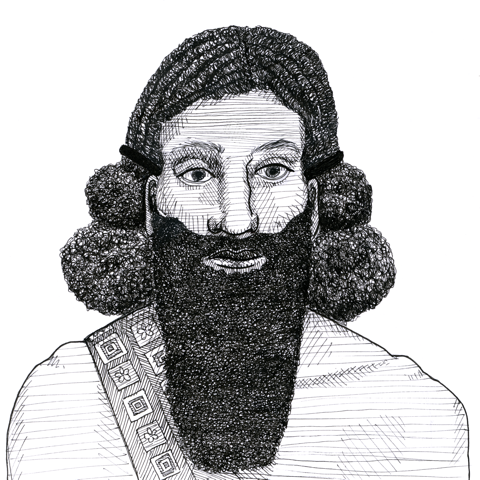
Sir Ernest Alfred Wallis Budge (author)
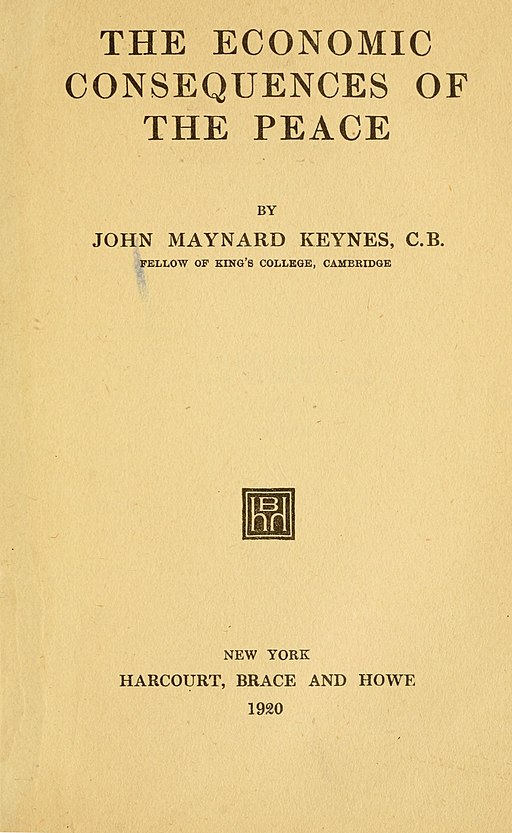
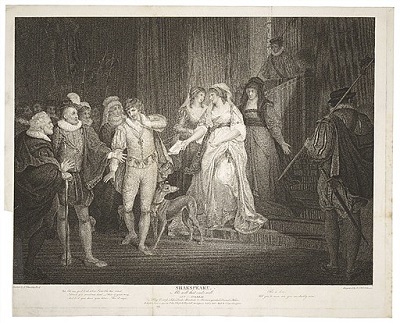
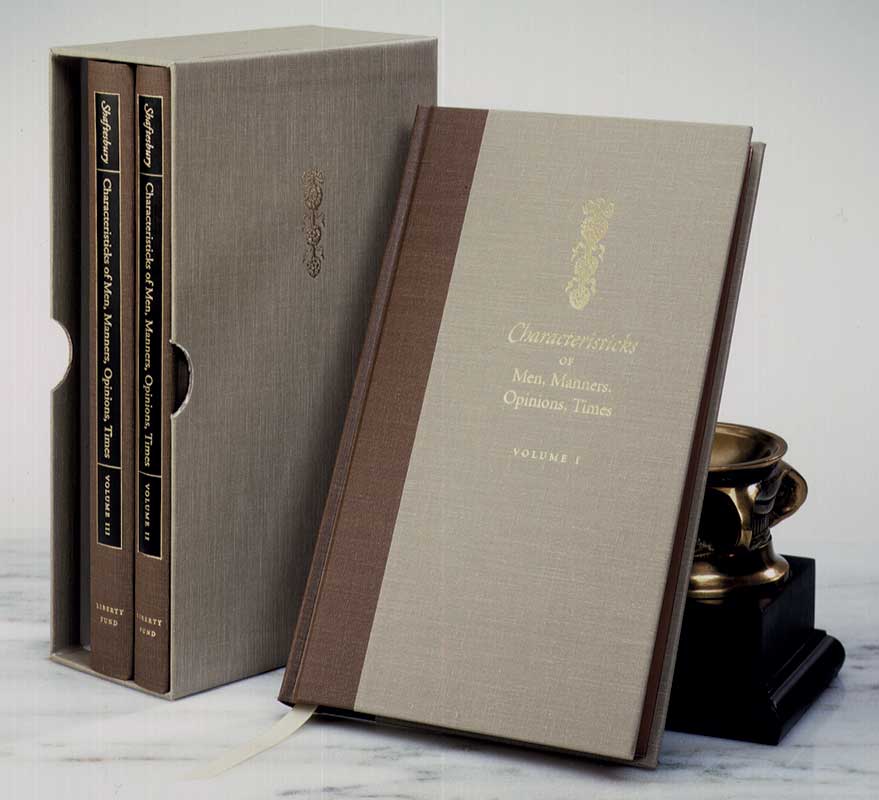
Anthony Ashley Cooper, Earl of Shaftesbury (author)
Featured Quotes
Economics
Consumption is the sole end and purpose of all production; and the interest of the producer ought to be attended to, only so far as it may be necessary for promoting that of the consumer. The maxim is so perfectly self-evident, that…
Philosophy
Love is an affection which carries the attention of the mind beyond itself, and is the sense of a relation to some fellow-creature as to its object. Being a complacency and a continued satisfaction in this object, it has, independent…
Taxation
Under the auspices of tyranny the life of the subject is often sported with, and the fruits of his daily toil are consumed in oppressive taxes, that serve to gratify the ambition, avarice, and lusts of his superiors. Every court…